


A groundbreaking scientific study has cast a stark light on the unintended consequences of wildlife rescue and release programs, suggesting that returning animals to their natural habitats does not always guarantee a successful reintegration. In a sobering revelation, researchers have found that for some species, particularly those with complex social structures and territorial instincts, release into the wild can transform from a conservation act into a perilous journey, a "death trap" as described by the scientists involved. The findings, published in the esteemed journal Global Ecology and Conservation, challenge the widely held assumption that any intervention leading to release is inherently beneficial for endangered species.
The comprehensive research was spearheaded by Professor Anna Nekaris OBE, a renowned primatologist from Anglia Ruskin University, in collaboration with esteemed colleagues from the conservation organization Plumploris e.V. and the University of Western Australia. Their intensive investigation focused on the fate of Bengal slow lorises (Nycticebus bengalensis) following their release into a national park in northeastern Bangladesh. This specific region has been a site for previous wildlife release initiatives, making it a crucial area for evaluating the efficacy of such conservation strategies.
The Allure and Exploitation of the Slow Loris
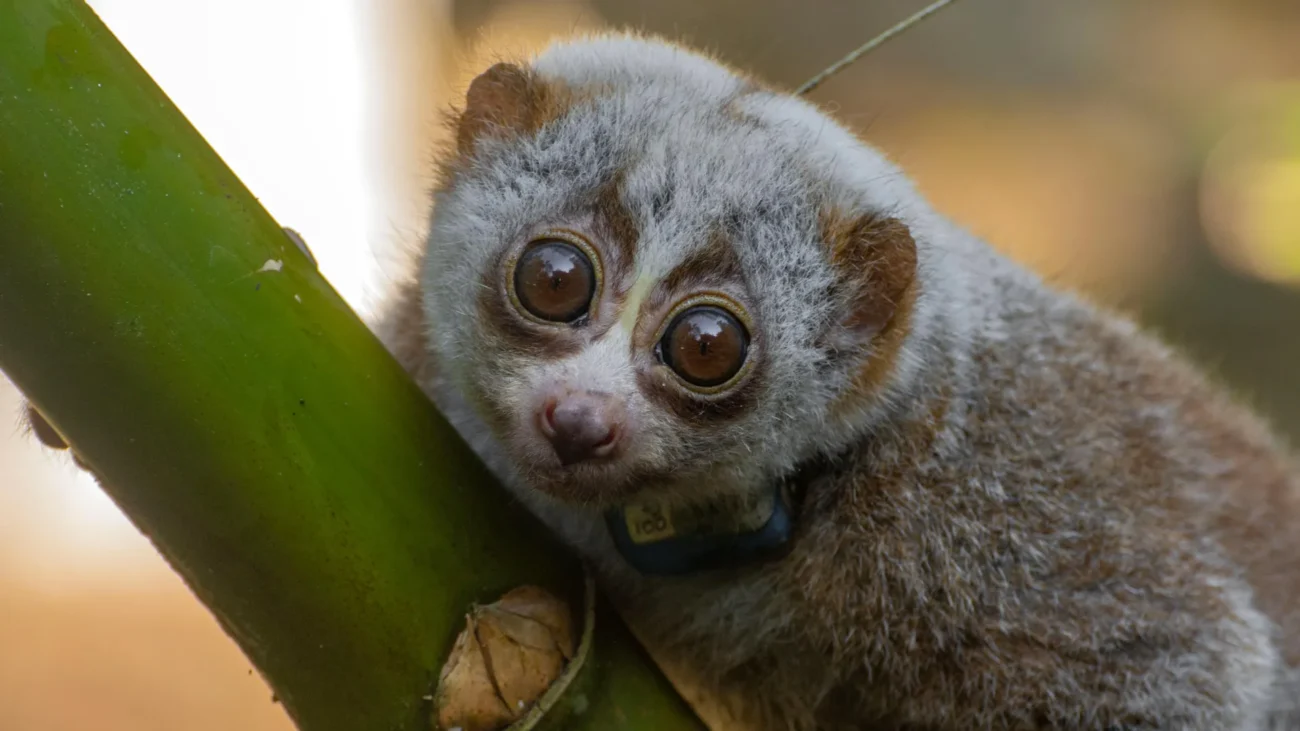
The Bengal slow loris, characterized by its large, soulful eyes and seemingly placid demeanor, has unfortunately become a prime target for the illegal wildlife trade. These captivating features, while endearing to many, have fueled a demand for the animals as exotic pets, pushing them to the brink of extinction. Globally, slow loris species are classified by the International Union for Conservation of Nature (IUCN) with statuses ranging from Critically Endangered to Vulnerable. This precarious existence makes them frequent subjects of rescue operations, with the subsequent release intended as a critical component of efforts to bolster wild populations.
However, the new research unequivocally demonstrates that these well-intentioned release programs can, in some instances, lead to tragic outcomes. The study meticulously tracked nine Bengal slow lorises that were fitted with radio collars and subsequently released into a protected area. The choice of this national park was deliberate, as it had previously served as a release site, providing a baseline for comparison and an environment where reintroduced animals might theoretically find refuge.
A Grim Reckoning in the Bangladeshi Forest
The results of the tracking were profoundly disheartening. Out of the nine lorises released, a mere two survived in the forest. The stark reality of their fate became apparent within a short timeframe: three animals perished within a mere ten days of their release, while an additional four succumbed within six months. Upon recovery of seven of the deceased animals, researchers discovered a disturbing pattern – all four bodies bore clear evidence of fatal injuries inflicted by other slow lorises.
Territoriality and the Venomous Bite: A Deadly Combination
The underlying cause of these fatalities, as revealed by the study, lies in the inherent nature of slow lorises. These primates are exceptionally territorial, a trait amplified by their unique biological characteristic: they are the only known venomous primates in the world. They possess specialized glands that produce a toxic secretion, delivered through a bite from their uniquely adapted teeth. The recovered lorises exhibited severe bite wounds concentrated on their heads, faces, and digits, irrefutable evidence of lethal territorial confrontations.
Furthermore, the research unveiled a critical correlation between the duration of an animal’s captivity and its subsequent survival rate. Lorises that had spent longer periods in captivity exhibited significantly shorter survival times post-release. This suggests that prolonged confinement may impair their ability to adapt to the rigors of the wild and re-establish themselves within existing social hierarchies. The study also noted that released lorises displayed a heightened level of activity and alertness compared to their wild counterparts, a potential indicator of stress and disorientation.
The two surviving lorises demonstrated a distinct behavioral pattern: they traversed considerably larger territories than those that perished. This observation strongly suggests that survival in this context was contingent upon an animal’s capacity to disperse widely, effectively evading confrontations with established resident lorises. The implications are clear: a successful reintroduction for highly territorial species may necessitate release into areas with lower population densities or require extensive rehabilitation to equip individuals with the skills to navigate and integrate into existing social structures.
Rethinking the Paradigm of Wildlife Rescue and Release
The study’s findings underscore a critical disparity in conservation efforts. While large and charismatic animals, such as big cats, often benefit from intensive post-release monitoring, many smaller species are released with minimal or no tracking. This lack of follow-up means that the ultimate success or failure of these crucial conservation interventions frequently remains unknown. Professor Nekaris emphasized this point, stating, "Many rescued endangered species are often released because the public expects it, but for animals such as the Bengal slow loris, this is not always the best course of action."
The researchers advocate for a significant shift in the approach to wildlife rescue and release. They assert that successful reintroductions are not merely a matter of releasing an animal; they demand meticulous planning and a deep understanding of species-specific behaviors and ecological requirements. Essential steps include a thorough evaluation of the suitability of the release site, considering factors such as habitat quality, resource availability, and importantly, the density of resident populations. The physical and psychological condition of each individual animal must also be assessed to determine its readiness for the wild.
A Call for Species-Specific Rehabilitation and Habitat Assessment
The scientists propose that detailed habitat assessments, long-term monitoring strategies, and the development of rehabilitation guidelines tailored to the unique needs of each species are paramount to improving the success rates of release programs. Professor Nekaris articulated the core of their argument: "Our research shows that for highly territorial species like slow lorises, releasing them into areas that are already densely populated can be a death trap. Without fully understanding the animal’s behaviour, its time spent in captivity and the density of resident populations at the release site, reintroductions may do more harm than good."
Hassan Al-Razi, the lead author and team leader of Plumploris e.V. Bangladesh, echoed these concerns, highlighting the current inadequacies in release practices within Bangladesh. "Rescue and release have become an increasingly common practice in Bangladesh," Al-Razi stated. "However, in many cases, these releases are conducted inappropriately. For forest-dwelling species, release sites are often selected based on logistical convenience rather than ecological suitability. As a result, certain forests have effectively become dumping grounds for rescued animals and are no longer appropriate release sites."
This sentiment suggests a systemic issue where the practicalities of rescue and the public perception of a successful release may override critical ecological considerations. Al-Razi concluded with a broader implication: "Although our research has focused on the Bengal slow loris and demonstrated the consequences of such practices, we believe similar patterns likely affect many other species." This statement serves as a potent warning that the problem is not isolated to slow lorises but could be a widespread pitfall in global conservation efforts.
Broader Implications for Conservation Policy and Public Perception
The implications of this study extend far beyond the Bengal slow loris. It challenges the conservation community to critically re-evaluate established protocols and to invest in more sophisticated, species-specific approaches to rehabilitation and reintroduction. The financial and logistical challenges of extensive monitoring and tailored rehabilitation are considerable, but the cost of ineffective or detrimental releases—both in terms of animal welfare and the squandering of limited conservation resources—may be far greater.
Furthermore, the findings have significant implications for public perception and engagement with conservation. While the desire to see rescued animals returned to the wild is understandable and driven by empathy, this study underscores the need for a more nuanced understanding of what constitutes genuine conservation success. Educating the public about the complexities of rewilding and the potential risks involved is crucial to fostering realistic expectations and garnering support for evidence-based conservation strategies.
The study’s authors are calling for a collaborative effort between scientists, conservation organizations, and governmental bodies to develop standardized, scientifically rigorous protocols for wildlife release. This includes investing in pre-release assessments, post-release monitoring technologies, and the development of specialized rehabilitation centers that can better prepare rescued animals for the challenges of their natural environments. The ultimate goal is to ensure that every act of wildlife rescue and release truly contributes to the long-term survival of species, rather than inadvertently becoming a tragic chapter in their ongoing struggle for existence. The future of many threatened species may depend on heeding these urgent scientific warnings and embracing a more informed, precise, and ultimately, more effective approach to conservation.

