


Pennsylvania is home to a remarkable 435 species of birds, as meticulously documented in the Pennsylvania Ornithological Records Committee (PORC) Official Tally of Birds, last updated in July 2020. For residents of the Keystone State eager to connect with the natural world unfolding in their own backyards, this comprehensive guide offers an in-depth look at some of the most frequently observed avian inhabitants. Beyond simple identification, this article delves into fascinating facts, detailed descriptions, and practical tips for attracting and better understanding these feathered visitors.
The Majestic Northern Cardinal: A Fiery Backyard Icon
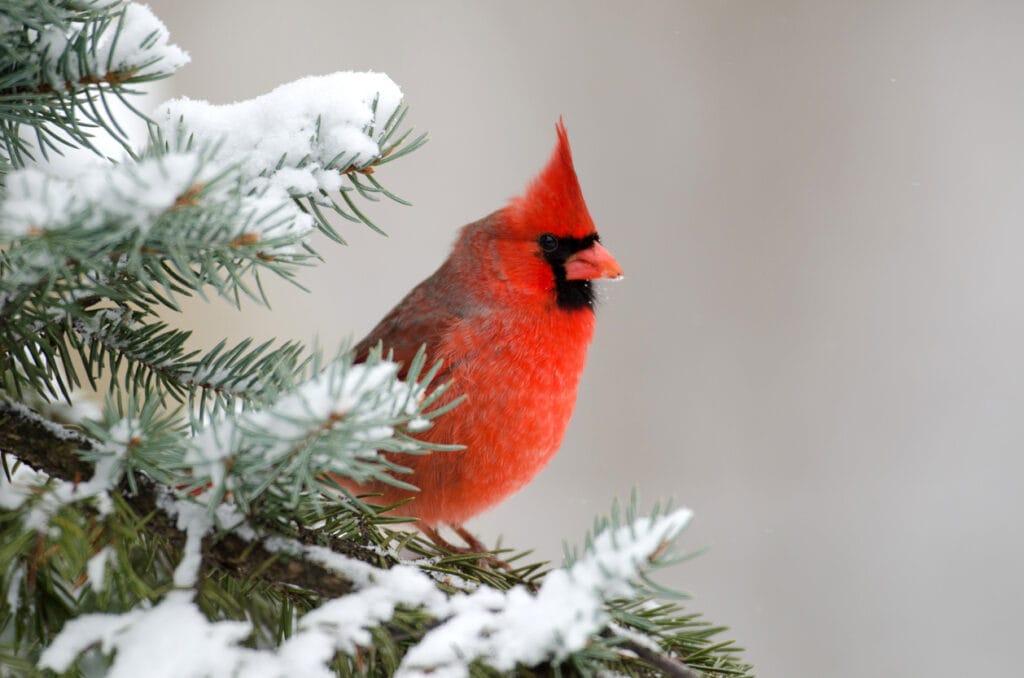
The Northern Cardinal (Cardinalis cardinalis) stands as one of North America’s most recognizable and beloved backyard birds, and Pennsylvania is no exception. This species, scientifically classified, boasts a striking presence. Males are adorned with brilliant scarlet plumage, a stark contrast to the more subdued pale brown of the females. Both sexes share distinctive features: a prominent crest, often described as a "mohawk," and a robust, reddish-orange bill that makes them instantly identifiable.

Measuring between 8.9 to 12.2 inches in wingspan and with a body length of 8.3 to 9.1 inches, the Northern Cardinal typically weighs between 1.5 to 1.7 ounces. Their territorial nature, particularly pronounced during the breeding season, is a defining characteristic. Their diet is varied, with a preference for sunflower seeds, berries, millet, and peanuts. To encourage these vibrant birds to frequent your yard, scattering food on the ground or utilizing platform, tube, or hopper feeders stocked with their favorite treats is highly effective. The consistent presence of cardinals can add a splash of color and lively song to any Pennsylvania garden.
The Intelligent and Striking Blue Jay
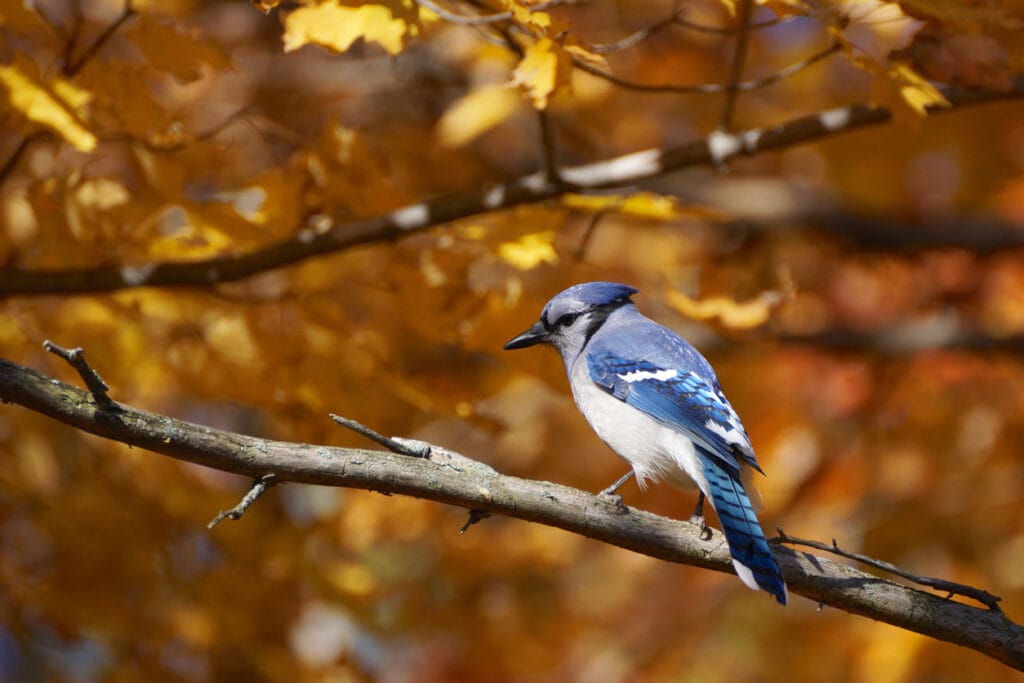
The Blue Jay (Cyanocitta cristata) is another visually stunning and highly intelligent bird commonly found in Pennsylvania’s backyards. These birds are characterized by their vivid blue heads and backs, accented by distinct black bands. A particularly captivating feature is their prominent blue crest, which can be raised or lowered, often reflecting their emotional state.
With a length ranging from 9.8 to 11.8 inches and a wingspan of 13.3 to 16.9 inches, the Blue Jay is a substantial backyard visitor, weighing approximately 2.5 to 3.5 ounces. A distinctive black "necklace" encircles their neck, further enhancing their striking appearance. Blue Jays are year-round residents in Pennsylvania and have a varied diet that includes suet, nuts, berries, and sunflower seeds. To attract them, offering food on platform or hopper feeders is recommended. Their fondness for birdbaths also makes them a delightful addition to a garden seeking avian visitors. The Blue Jay’s vocalizations are as varied as their intelligence, ranging from loud calls to softer, more complex sounds.
The Ubiquitous American Robin: A Sign of Spring and Familiar Presence
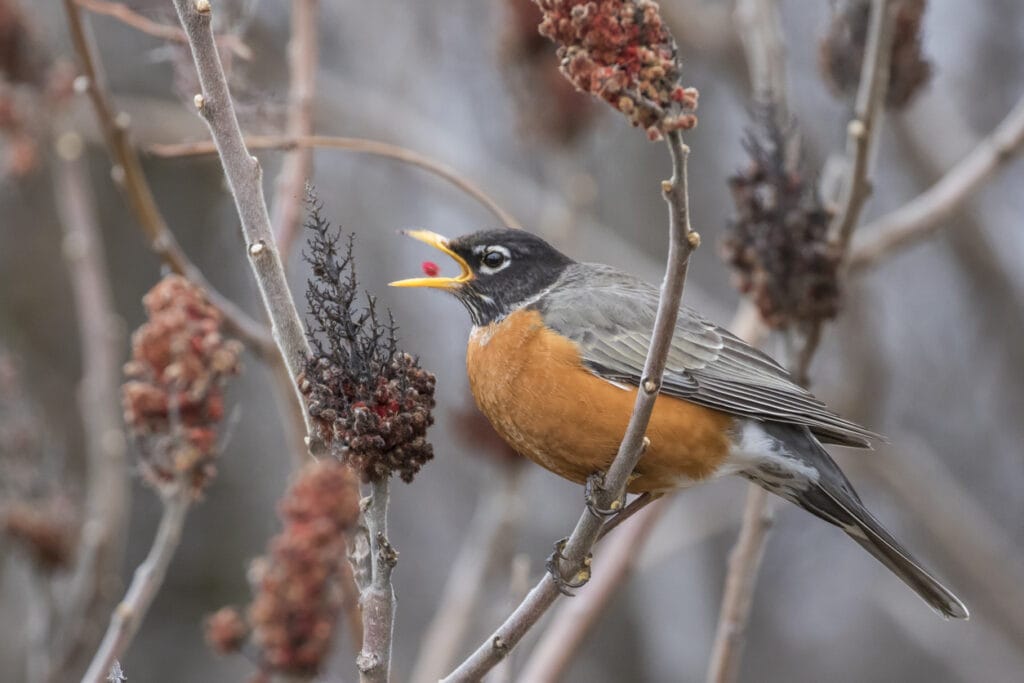
The American Robin (Turdus migratorius) is perhaps one of the most iconic birds associated with spring and a constant presence in Pennsylvania’s lawns and gardens. Measuring approximately 9.0 to 11.0 inches in length with a wingspan of 14.7 to 16.5 inches, they weigh between 2.3 to 2.8 ounces. Their most recognizable feature is their warm, rusty orange breast and belly, which contrasts sharply with their dark heads and backs. A bright yellow beak adds a cheerful accent to their overall appearance.
American Robins are primarily insectivores, with a particular fondness for mealworms and other small invertebrates. While they do consume fruits, they tend to avoid seeds. To entice them into your yard, scattering food directly on the ground or offering it in platform feeders is a successful strategy. Their cheerful chirping and active foraging behavior make them a welcome and familiar sight throughout much of the year in Pennsylvania. Their arrival is often seen as a harbinger of warmer weather and a renewed natural world.
The Gentle Mourning Dove: A Symbol of Serenity
The Mourning Dove (Zenaida macroura) is a larger, more serene presence in Pennsylvania’s avian landscape. These doves measure between 9.1 to 13.4 inches in length, with a substantial wingspan of just over 17.5 inches. Their weight can vary between 3.0 to 6.0 ounces, depending on sex. They are characterized by their soft brown and grey plumage, adorned with distinctive black spots on their wings. Their breasts and bellies display a pale peach hue, and their dark eyes are encircled by a striking cyan ring.
Mourning Doves are often observed perched on trees, fences, or wires, and they prefer to forage at ground level. While they may visit tray feeders, they are particularly attracted to black sunflower seeds. Their gentle cooing sound is a peaceful addition to any backyard environment. Their adaptability allows them to thrive in various habitats, making them a consistent visitor for many Pennsylvanians.
The Intelligent American Crow: A Familiar Caw in the Canopy
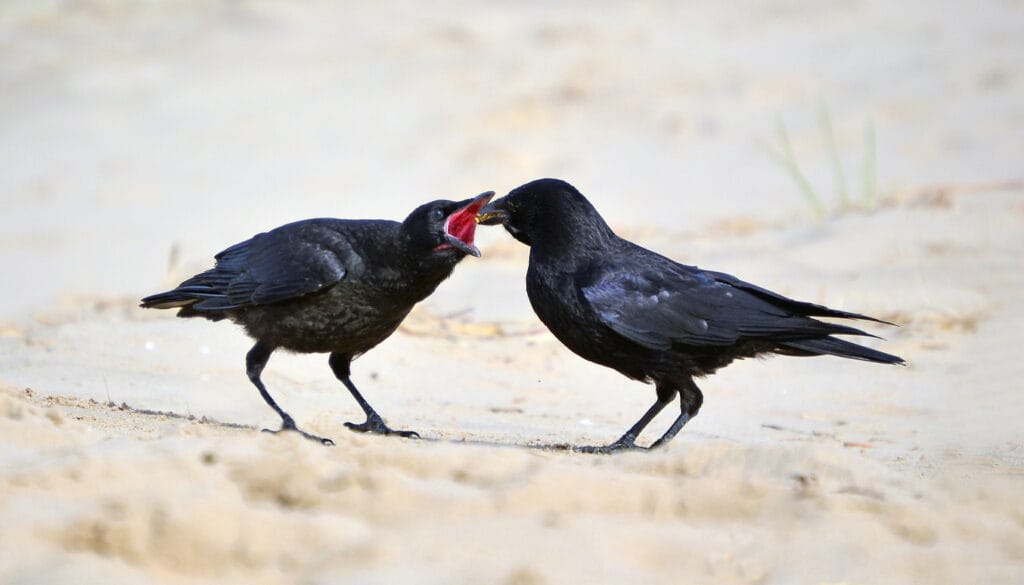
The American Crow (Corvus brachyrhynchos) is a large, intelligent bird that commands attention with its characteristic cawing call. Reaching lengths of 15.8 to 20.9 inches and boasting a wingspan of 33.5 to 39.4 inches, these birds are substantial in size, weighing between 11.2 to 21.9 ounces. Their plumage is uniformly black from beak to tail.
American Crows are known for their keen intellect and their habit of perching in high treetops to survey their surroundings. As omnivores, their diet is quite varied. To attract them to your yard, offering peanuts can be effective. However, it’s worth noting their opportunistic nature, as they are also drawn to accessible trash and outdoor pet food, which can sometimes lead to them being considered a nuisance. Their presence, while sometimes challenging, adds a wilder element to the urban and suburban environment.
The Melodious Song Sparrow: A Master of Vocalization
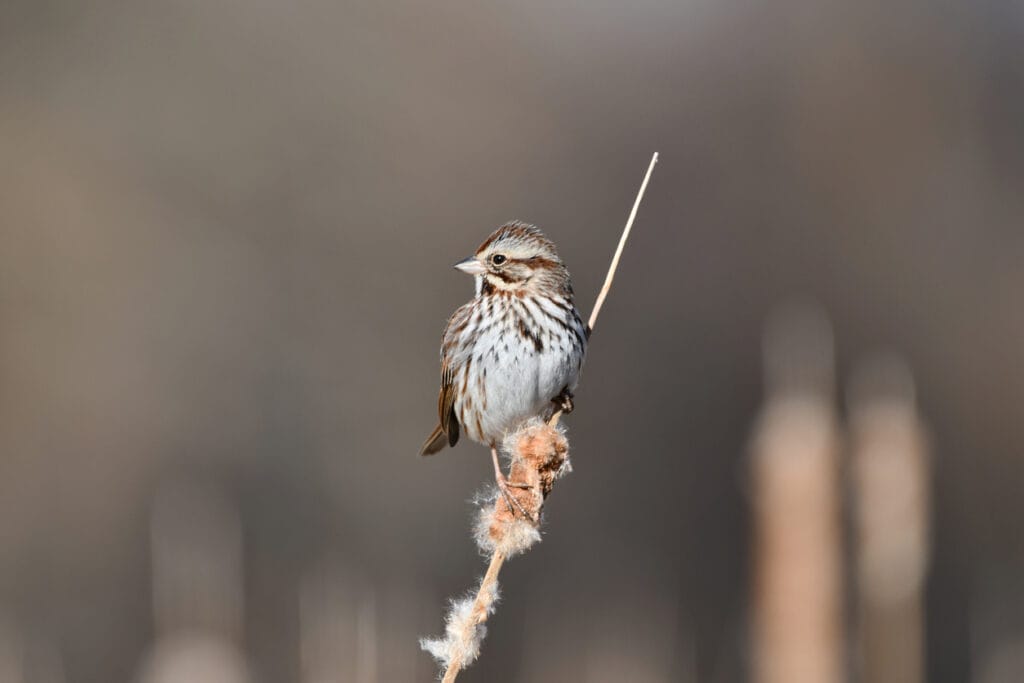
The Song Sparrow (Melospiza melodia) is a charming and widespread bird in Pennsylvania, recognized for its beautiful and varied songs. These small birds typically measure between 4.7 to 6.7 inches in length with a wingspan of 7.1 to 9.4 inches, weighing a mere 0.4 to 1.9 ounces. Their plumage is a blend of light and dark brown, often with streaking.
A notable characteristic of the Song Sparrow is the male’s elaborate song, which they use for attracting mates and defending their territories. They have a penchant for mixed seeds and are frequent visitors to bird feeders. To encourage more Song Sparrows to your garden, offering nyjer seeds, black sunflower seeds, and cracked corn on platform feeders is recommended. Their vocalizations are a significant part of their appeal, contributing to the soundscape of many natural areas.
The Brilliant American Goldfinch: A Summer Spectacle
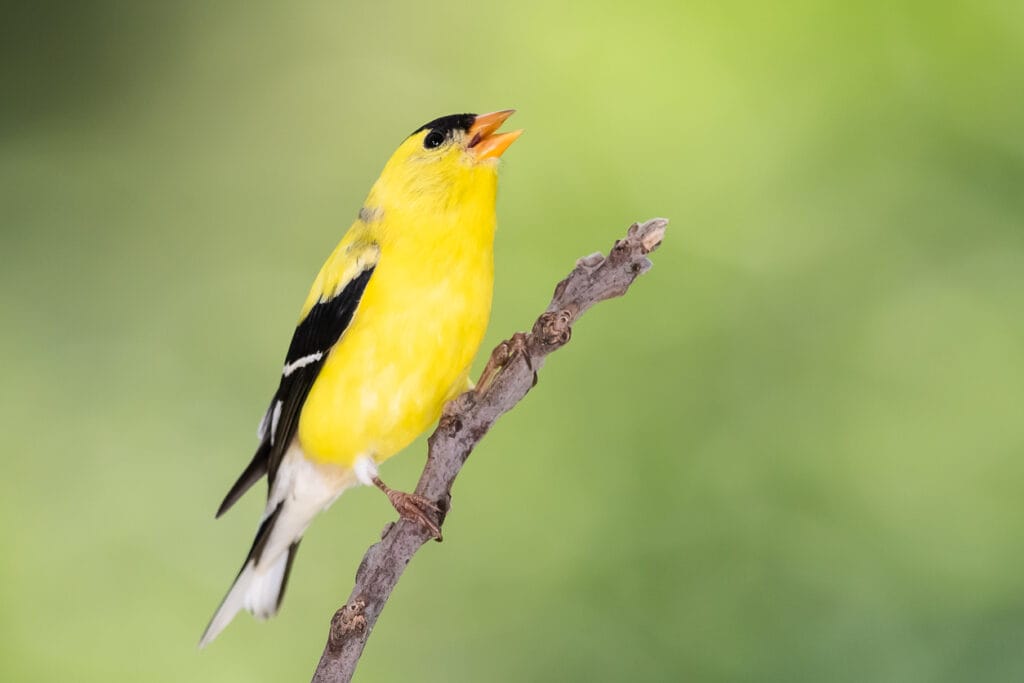
The American Goldfinch (Spinus tristis), often called the "wild canary," is a particular favorite among birdwatchers, especially during the summer months. Males in their breeding plumage are a dazzling lemon yellow, punctuated by black wingtips and a distinctive black cap. Throughout the winter, both sexes adopt a more subdued coloration, a mix of olive, brown, and grayish-yellow.

These small birds measure between 4.3 to 5.5 inches in length with a wingspan of 7.5 to 8.7 inches, weighing well under an ounce. Their preferred food source is thistle, making thistle feeders a prime attraction. However, they will readily visit other feeders that contain black sunflower seeds and nyjer seeds. The transformation of the male goldfinch in summer is a breathtaking natural spectacle, a vibrant addition to any Pennsylvania landscape.
The Industrious Downy Woodpecker: A Small but Mighty Forager
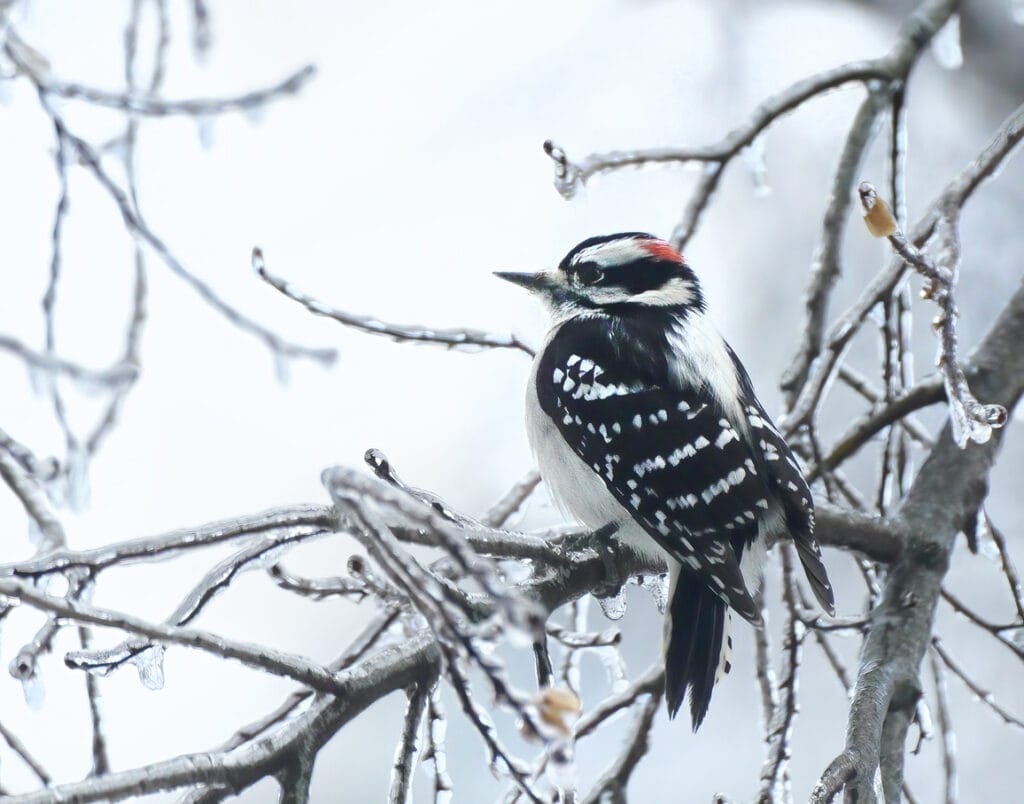
The Downy Woodpecker (Dryobates pubescens) is the smallest woodpecker species found in North America and a frequent visitor to Pennsylvania backyards. Measuring 5.5 to 7.1 inches long with a wingspan of 9.8 to 12.2 inches, they weigh approximately one ounce. Their black and white plumage is easily recognizable, often accentuated by a distinct red patch on the back of their heads.
These energetic birds are attracted to backyard feeders and have a particular fondness for black sunflower seeds, miller, and peanuts. They will readily utilize platform and suet feeders. Their characteristic drumming on trees is a familiar sound in wooded areas and gardens. Despite their small size, they play an important role in their ecosystem by consuming insects and helping to aerate tree bark.
The Charming Tufted Titmouse: A Familiar Face with a Distinctive Crest
The Tufted Titmouse (Baeolophus bicolor) is an undeniably charming bird, known for its energetic demeanor and distinctive appearance. Weighing less than an ounce and measuring between 5.5 to 6.3 inches long, these birds possess a beautiful silver plumage on their upper bodies, transitioning to a grayish-white below. A black beak is complemented by a black spot just above it.
Much like the Northern Cardinal, the Tufted Titmouse features a unique grey crest that stands upright. Their wingspan ranges from 7.9 to 10.2 inches. To attract these delightful birds, offering sunflower seeds, peanuts, and suet in platform or tube feeders is highly recommended. Their inquisitive nature and their often-heard "peter-peter-peter" call make them a welcome addition to any backyard birding list.
The Elusive Red-bellied Woodpecker: A Splash of Color in the Trees
The Red-bellied Woodpecker (Melanerpes carolinus) is another woodpecker species that graces Pennsylvania’s backyards. These medium-sized birds measure around 9.2 to 10.3 inches long and weigh between 2.2 to 3.2 ounces. Their wingspan can range from 15.7 to 17.8 inches.
Despite their name, the red coloring on their bellies can be subtle and difficult to spot. However, a more prominent streak of bright red extends from their beaks down their heads and necks. Their wings are a distinctive pattern of black and white stripes. While they are particularly drawn to suet feeders, they may also visit seed and hummingbird feeders. Their presence adds visual interest to tree trunks and branches.
The Invasive European Starling: A Resilient and Adaptable Bird
The European Starling (Sturnus vulgaris) is an invasive species introduced to North America in the late 19th century, now found in significant numbers across Pennsylvania. These birds measure 7.9 to 9.1 inches long with a wingspan of 12.2 to 15.8 inches, weighing between 2.1 to 3.4 ounces. Their predominantly dark plumage shimmers with iridescent hues of purple, blue, and green in sunlight, and they possess long yellow beaks and legs, along with white speckles on their backs and wings.
Their exceptional adaptability and aggressive behavior have allowed them to thrive, often outcompeting native species for resources. European Starlings are opportunistic feeders and will readily visit all types of feeders, consuming black sunflower seeds, suet, cracked corn, and peanuts. While their ecological impact is a concern, their iridescent plumage is undeniably striking.
The Busy White-breasted Nuthatch: A Tree-Climbing Specialist
The White-breasted Nuthatch (Sitta carolinensis) is a small, energetic bird known for its unique foraging behavior. Measuring about 5 inches long with a wingspan of 7.9 to 10.6 inches, they weigh approximately one ounce. Their name "nuthatch" derives from their habit of wedging nuts into tree bark and then using their beaks to "hatch" them open.
These birds are easily identifiable by the bold black band that runs across the top of their heads, starting from their black beaks. They have grayish-white faces and bellies, with black, white, and grey wings. To attract White-breasted Nuthatches, offer sunflower seeds and peanuts on suet or tube feeders. Their habit of moving headfirst down tree trunks is a fascinating display of avian agility.
The Vocal Carolina Wren: A Shy but Musical Resident
The Carolina Wren (Thryothorus ludovicianus) is a shy bird often identified by its distinctive vocalizations. These wrens have dark brown backs and light brown bellies, with a prominent white eyebrow stripe. They possess an upright tail and are known for their loud, clear "teakettle" song.
Carolina Wrens measure 4.7 to 5.5 inches long with a wingspan of 11.4 inches and weigh less than an ounce. They frequent backyards that offer suet feeders and tube or platform feeders stocked with sunflower seeds or peanut hearts. They are also known to nest in nest boxes, particularly if brush piles are present, providing them with cover and a sense of security.
The Flocking House Finch: A Common Feeder Visitor
The House Finch (Haemorhous mexicanus) is an adaptable species that often visits Pennsylvania backyards in large flocks. They measure 4.9 to 6.1 inches long with a wingspan of 8.1 to 10.5 inches and weigh under an ounce. Males are easily distinguished by their reddish-orange coloration on their heads and breasts, while females are uniformly brown.
House Finches can be prolific feeder visitors, sometimes dominating feeders. To attract them, install tube or platform feeders and fill them with black sunflower seeds or nyjer seeds. Their gregarious nature means that when they arrive, they often do so in numbers, creating a lively scene at the feeder.

The Striking Red-winged Blackbird: A Symbol of Wetlands and Open Fields
The Red-winged Blackbird (Agelaius phoeniceus) is a common and easily identified bird, particularly the males. They are entirely black except for a striking patch of red and yellow on each shoulder. Females, in contrast, have a more subdued brown, streaky plumage. These birds are often seen perched on telephone wires.
Male Red-winged Blackbirds are highly territorial, especially during the breeding season, and will fiercely defend their nesting areas, sometimes even approaching humans. To attract them to your yard, sprinkling mixed seeds and grain on the ground or using platform or tube feeders can be effective. Their presence is often associated with wetland habitats and open fields.
Conclusion: Enriching Your Backyard Experience
Pennsylvania’s rich avian diversity offers countless opportunities for nature enthusiasts to connect with the natural world right outside their doors. By understanding the characteristics, dietary preferences, and habitat needs of common backyard birds like the Northern Cardinal, Blue Jay, and American Robin, residents can actively create inviting spaces for these species. The tips on feeder types and food offerings provided here serve as a practical guide to attracting a wider array of feathered visitors. Observing and learning about these birds not only enriches our personal lives but also fosters a greater appreciation for the ecological balance and biodiversity that the Keystone State so proudly hosts. The ongoing documentation by organizations like the PORC ensures that our knowledge of Pennsylvania’s avian population continues to grow, offering a vital resource for conservation and public engagement.

