


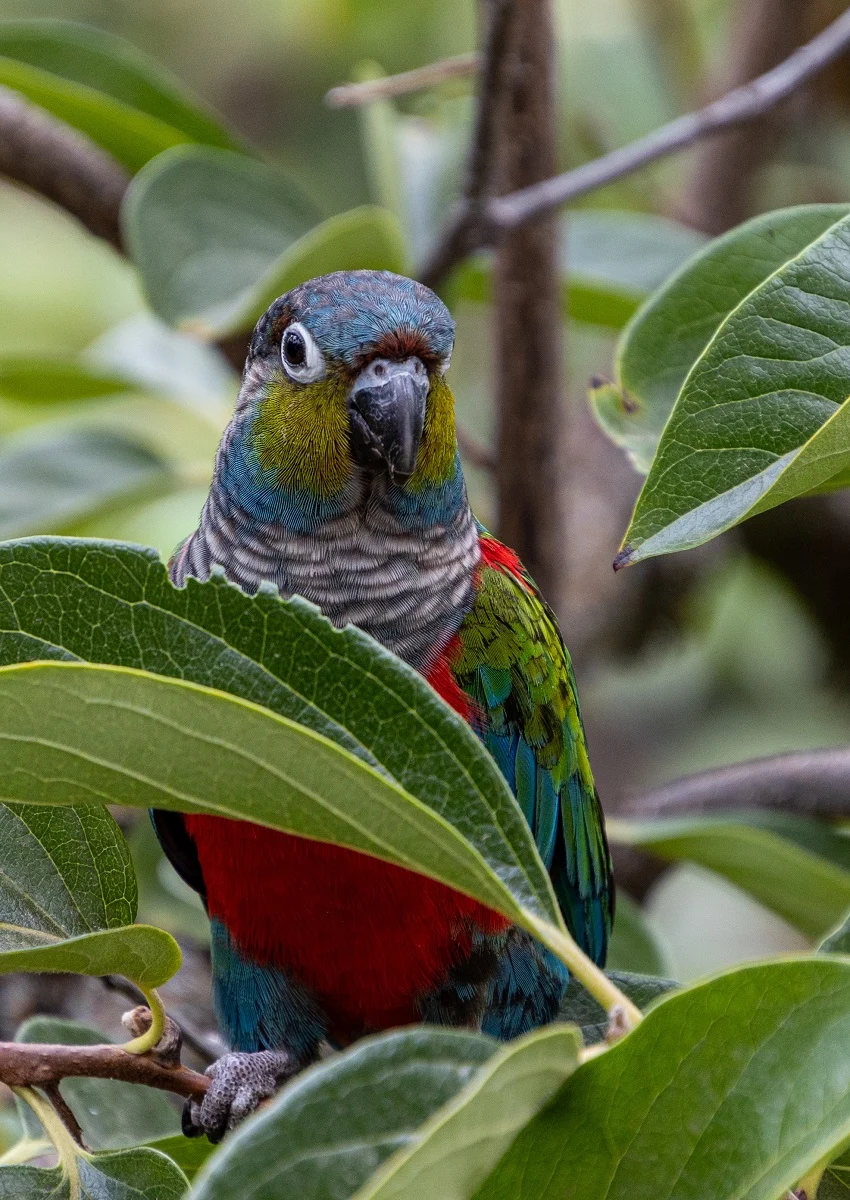
The vibrant Crimson-bellied Conure (scientific name: Pyrrhura perlata), also known as the crimson-bellied parakeet, has emerged as a captivating companion bird for enthusiasts worldwide. This species, renowned for its striking coloration and engaging personality, demands thorough understanding and responsible care from prospective owners. Before considering welcoming one of these diminutive yet dynamic parrots into a home, it is imperative to delve into their origins, natural behaviors, and the specific requirements for their well-being in a domestic setting.
Understanding the Crimson-bellied Conure: Key Data
The Crimson-bellied Conure is a species characterized by several notable attributes that influence its suitability as a pet. These include:
- Common Name(s): Crimson-bellied Conure, Crimson-bellied Parakeet
- Scientific Name: Pyrrhura perlata
- Natural Habitat: Primarily the Brazilian Amazon basin, with extensions into northern Bolivia.
- Adult Size: Typically reaches up to 10 inches (25 cm) in length, with an average weight of 90 grams.
- Lifespan: With appropriate care, these birds can live for 20 years or more.
- Noise Level: Classified as low to medium, generally less vociferous than many larger parrot species, though still capable of producing loud calls.
A Kaleidoscope of Color: Crimson-bellied Conure Appearance
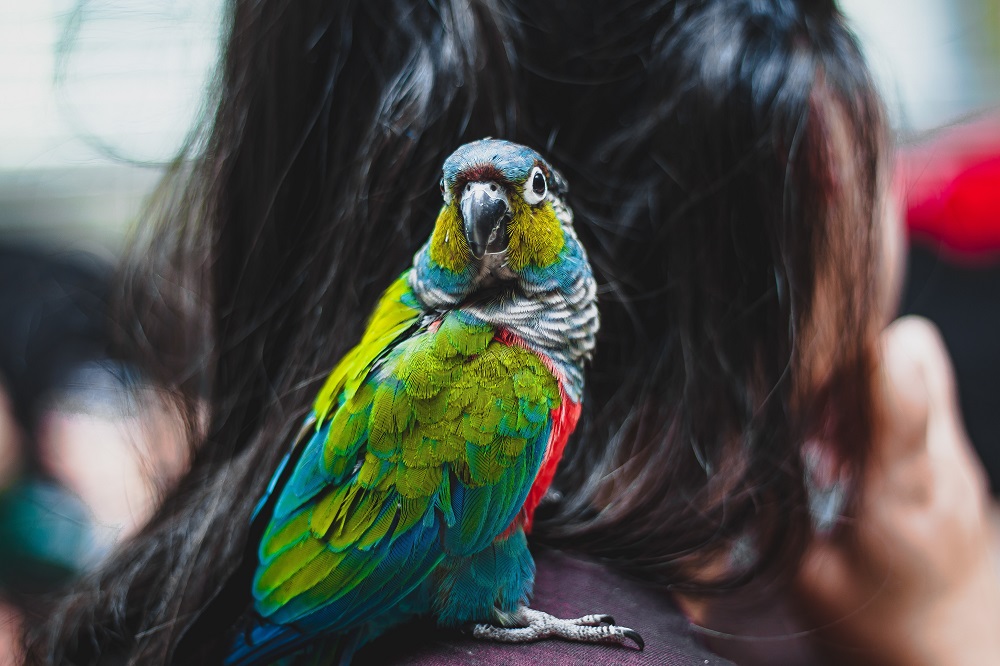
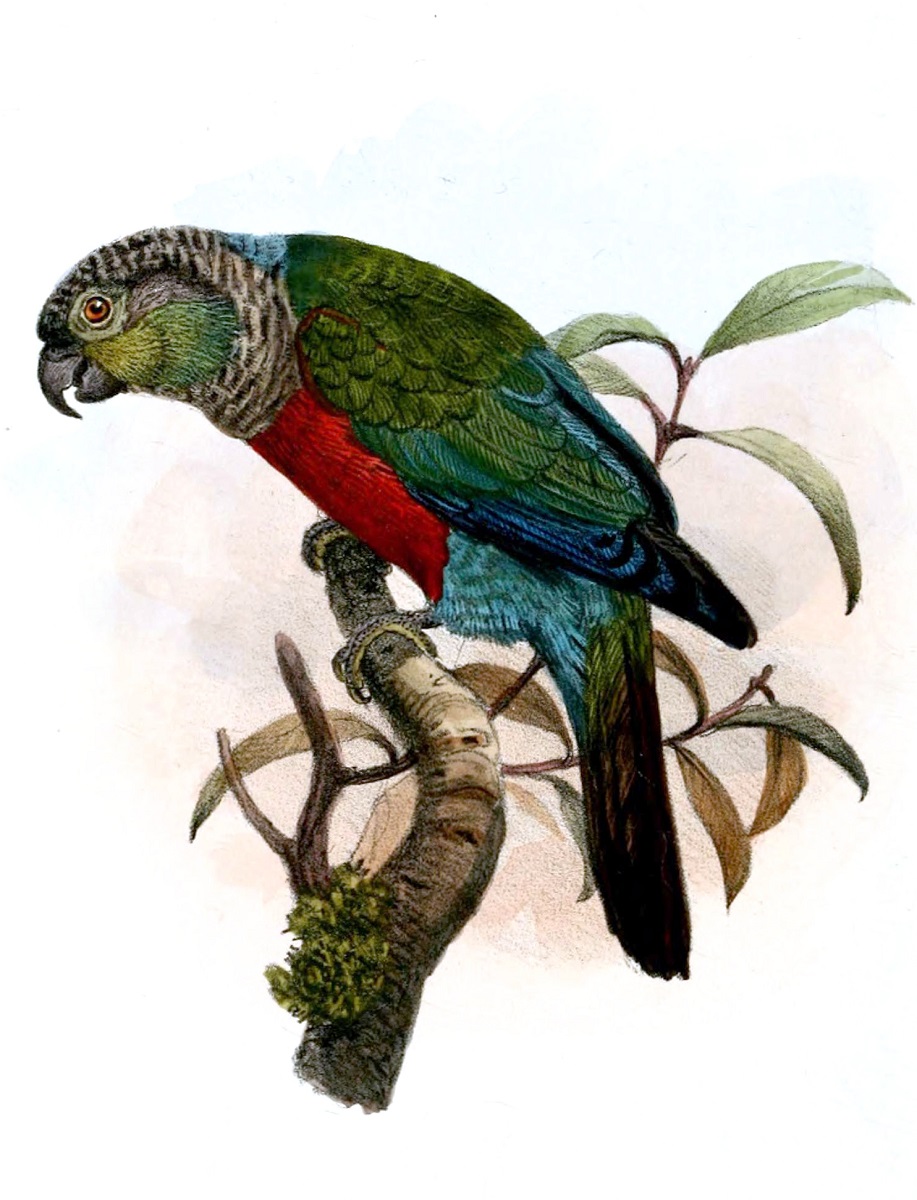
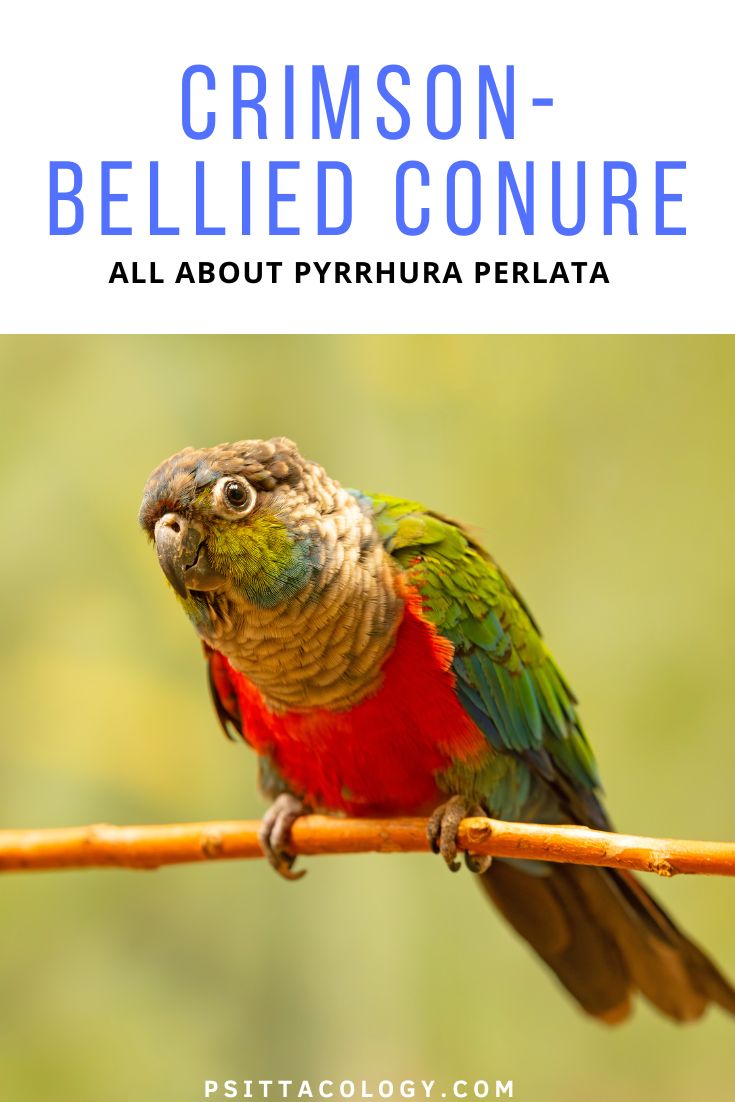
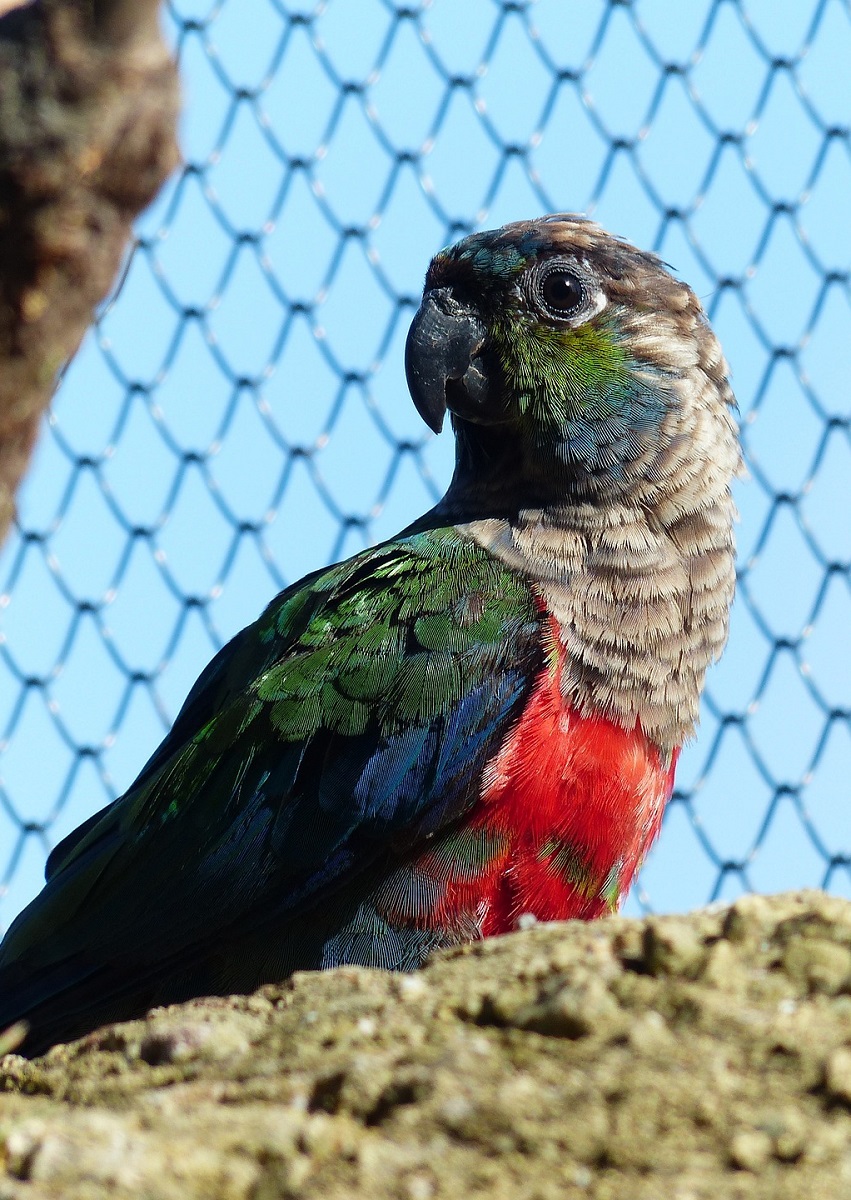
The Crimson-bellied Conure is undeniably one of the most aesthetically striking members of the parrot family. Its name offers a direct clue to its most prominent feature: a deeply saturated, vivid crimson abdomen that commands attention. However, the chromatic spectacle extends far beyond this central belly patch. The plumage of Pyrrhura perlata is a complex mosaic of hues, featuring a predominantly green back and wings that provide a lush contrast. The head is typically a darker shade, often charcoal or dusky grey, framed by distinct white eye-rings that enhance its intelligent gaze. The breast and flanks exhibit an intricate scaling pattern, a blend of green, yellow, and red, adding depth to its overall appearance. The tail feathers are long and tapered, displaying rich blues and reds, particularly on the underside. A black beak and dark eyes complete its distinctive look.
These are relatively small, long-tailed parakeets, reaching approximately 10 inches (25 cm) from beak to tail tip and weighing around 90 grams. It is important for potential owners to note that the characteristic bright red belly coloration may not fully develop until the bird is up to a year old, with juveniles exhibiting duller or less extensive red. Furthermore, there is no reliable visual difference between male and female Crimson-bellied Conures, necessitating DNA sexing for accurate identification.
From Amazonian Canopy to Domestic Comfort: Range and Natural Habitat
The geographical distribution of the Crimson-bellied Conure is confined to central South America, predominantly within the vast Brazilian Amazon Basin. Its primary stronghold is the state of Rondônia, though its range extends into the northern regions of Bolivia. These birds are integral components of the biodiverse Amazonian ecosystem.
In their natural environment, Pyrrhura perlata predominantly inhabits "terra firme" forests – areas of lush rainforest that are not subject to seasonal flooding. They exhibit adaptability, thriving in both the dense, interior sections of primary forest and along forest edges, as well as in secondary growth forests that have undergone some degree of regeneration. This flexibility in habitat preference can be attributed to their foraging strategies and social structures.
Wild Crimson-bellied Conures are inherently social creatures, typically moving in small, cohesive flocks. This gregarious behavior is common among parrot species, offering safety in numbers against predators and facilitating efficient foraging. They have been observed occasionally associating with other conure species, such as the Painted Conure, forming mixed-species foraging groups. For nesting, these conures utilize natural hollows within trees, providing shelter and protection for their eggs and chicks.
Conservation Status and Threats
The International Union for Conservation of Nature (IUCN) Red List currently classifies Pyrrhura perlata as a species of "Least Concern." This designation indicates that, at present, the species does not meet the criteria for being critically endangered, endangered, vulnerable, or near threatened. However, the IUCN’s assessment also includes a critical caveat: the population trend for the Crimson-bellied Conure is noted as decreasing. This decline is primarily driven by anthropogenic pressures, notably deforestation and, to a lesser extent, hunting.
The Amazon rainforest, the conure’s primary habitat, faces relentless pressure from various human activities. Large-scale deforestation for cattle ranching, soybean cultivation, logging, and infrastructure development (such as roads and hydroelectric dams) continues to fragment and destroy vast swathes of forest. While Pyrrhura perlata may be somewhat adaptable to secondary forests, the rate and scale of habitat loss pose a significant long-term threat to the species’ viability. Hunting, though less impactful than habitat destruction, contributes to localized population declines. Conservation efforts, therefore, must focus on mitigating habitat loss through sustainable land-use practices, protected area establishment, and community engagement to reduce human impact.
The Foundation of Health: Crimson-bellied Conure Diet
A balanced and nutritious diet is paramount for the health and longevity of Crimson-bellied Conures, both in the wild and in captivity.
Wild Diet
The extraordinary biodiversity of the Amazon rainforest provides these conures with a varied and abundant food source. Their diet is diverse, reflecting the seasonal availability of different plant materials. Like many other rainforest parrots, they have a particular fondness for wild figs and a wide array of other fruits, which provide essential sugars, vitamins, and minerals. Beyond fruits, their diet includes flowers, catkins (pendulous clusters of tiny, apetalous flowers), and various seeds. A fascinating aspect of their wild behavior is their visitation to natural clay licks. Here, they ingest soil, which is believed to provide crucial micronutrients and minerals often lacking in their fruit-heavy diet, and to neutralize plant toxins that might be present in their food sources.
Captive Diet
In a domestic setting, replicating the nutritional complexity of their wild diet is crucial. The cornerstone of a captive Crimson-bellied Conure’s diet should be a high-quality, commercially formulated pellet food. Leading avian veterinarians, including Dr. Daisy, a resident veterinarian at Psittacology, strongly advocate against a seed-only diet. Seed mixes, while palatable, are often deficient in essential vitamins, minerals, and amino acids, leading to malnutrition, obesity, and a host of other health issues over time. Pellets are engineered to be nutritionally complete and balanced.
Complementing the pellet staple, fresh vegetables should be offered daily. A diverse selection of leafy greens (kale, spinach, romaine), cruciferous vegetables (broccoli, cauliflower), and root vegetables (carrots, sweet potato) provides vital nutrients and encourages foraging behavior. Fresh fruits can be offered regularly but in moderation due to their higher sugar content. Safe fruits include apples, berries, melon, and citrus. Additionally, other suitable foods like cooked whole grains (e.g., brown rice, quinoa), pesticide-free foraged grasses, and occasional healthy treats like sunflower seeds (sparingly, due to high fat content) can be incorporated. Clean, fresh water must be available 24/7, ideally from multiple sources to encourage hydration. Responsible owners should consult comprehensive guides on parrot nutrition to ensure their bird receives an optimal diet for a long, healthy life.
Creating a Sanctuary: Crimson-bellied Conure Housing
Despite their relatively small stature, Crimson-bellied Conures are highly active and energetic birds. Consequently, providing adequate housing is fundamental to their physical and psychological well-being. The largest possible cage that can be accommodated should be acquired, especially if the bird will not have the opportunity to spend a significant portion of its day outside the cage, flying and exploring.
A minimum cage width of 36 inches (approximately 90 cm) is recommended. However, if the parrot is confined to its cage for most of its waking hours, a substantially larger enclosure, ideally a full indoor aviary, becomes necessary to facilitate natural behaviors like flying and climbing.
The interior of the cage is as important as its dimensions. It should be furnished with a variety of natural wood perches of varying diameters and textures. Unlike plastic or dowel perches, natural branches help to exercise foot muscles and prevent pressure sores and arthritis. Perches from safe woods such as apple, willow, or manzanita are ideal. These should be placed at different heights to encourage movement and provide varied perspectives.
Beyond perches, the cage must include food and water dishes (stainless steel is recommended for hygiene), and a range of enrichment items, including toys, which are discussed in detail below. Proper lighting, including access to full-spectrum UV-B lighting (if not exposed to natural sunlight), is also vital for vitamin D synthesis and overall health. Maintaining a comfortable ambient temperature and appropriate humidity levels, especially in drier climates, also contributes to the bird’s well-being.

Stimulating Minds: Crimson-bellied Conure Enrichment
All parrots are highly intelligent, sentient beings requiring extensive mental and physical stimulation to prevent boredom, stress, and behavioral issues. Crimson-bellied Conures, with their playful and curious nature, thrive on interaction and varied activities. Boredom can manifest in detrimental behaviors such as excessive screaming, feather plucking (a severe stress response), obesity due to inactivity, and aggression. A busy bird is generally a happy and healthy bird.
Effective enrichment strategies include:
- Diverse Toy Selection: Provide a rotating assortment of toys designed for chewing, shredding, foraging, and climbing. Materials like natural wood, untreated cotton rope, paper, and safe plastics are suitable. Foraging toys, which require the bird to "work" for its food, are particularly beneficial for mental engagement.
- Social Interaction: Regular, positive interaction with human family members is crucial. This includes talking, playing games, and cuddling (if the bird is receptive).
- Training: Positive reinforcement training can be an excellent form of mental stimulation, teaching the bird simple commands, tricks, or target training. This also strengthens the bond between bird and owner.
- Out-of-Cage Time: Allowing supervised time outside the cage for exploration and free flight (in a safe, bird-proofed environment) is essential. This promotes physical exercise and mental engagement with a broader environment.
- Environmental Variety: Regularly rearranging perches and toys within the cage, and introducing new, safe items, keeps the environment stimulating.
- Bathing Opportunities: Providing a shallow dish of water or a bird bath for splashing, or offering regular misting, is important for feather health and enjoyment.
It is crucial that any area a conure has access to be thoroughly bird-proofed to prevent accidents and injuries. This involves securing windows and doors, removing toxic plants, covering open water sources, and ensuring no accessible electrical wires or small ingestible objects are present. Preparedness for emergencies, including knowledge of avian first aid, is also a critical aspect of responsible ownership.
The "Loveable Rogues": Crimson-bellied Conure Temperament
Conures within the Pyrrhura genus, including the Crimson-bellied Conure, are highly sought-after as companion parrots due to their engaging personalities. While Green-cheeked Conures are more widely recognized, Crimson-bellies offer a unique blend of charm and vivacity that makes them an excellent choice for the right individual or family.
These birds are often described as "loveable rogues" – a testament to their spirited, cheeky, and often clownish demeanor, coupled with a deep capacity for affection. A well-socialized Crimson-bellied Conure will readily bond with its human companions, often seeking out shoulder perches for head scratches and gentle interaction. Their playful antics can be a constant source of entertainment, transforming mundane moments into delightful ones.
While their friendly nature is a hallmark, prospective owners should be prepared for a certain degree of "chaos." Conures are intelligent and curious, possessing a strong instinct to chew and explore with their beaks. This means that certain household items may become targets for their inquisitive nature, necessitating bird-proofing and providing ample appropriate chew toys. Despite this, their endearing personalities and potential for a decades-long companionship make the Crimson-bellied Conure a truly rewarding pet for those who appreciate their vibrant character and are prepared for their specific needs.
Vocalizations and Communication: Crimson-bellied Conure Sounds
In the spectrum of conure vocalizations, Crimson-bellied Conures are generally considered to be on the lower to medium end of the noise scale. While they are by no means silent – a trait inherent to virtually all parrot species – their calls are often less piercing and prolonged than some of their larger conure relatives. Owners can expect vocalizations, including squawks and chirps, particularly when the bird is excited, seeking attention, or feeling alarmed or upset. These sounds serve various communicative purposes, from contact calls within a flock (or family unit) to expressions of contentment or distress.
It is vital for potential owners to accurately assess their tolerance for parrot noise before committing to any species. Resources such as xeno-canto, which hosts recordings of various bird calls, can provide an auditory preview of Pyrrhura perlata‘s vocal repertoire. Visiting someone who owns Crimson-bellied Conures can also offer a realistic understanding of their sound levels in a home environment.
Can Crimson-bellied Conures Talk?
Most parrots possess some capacity for vocal imitation, and the Crimson-bellied Conure is no exception. However, Pyrrhura conures are not typically renowned for their exceptional talking abilities compared to species like African Greys or Amazons. While some individuals may learn to mimic a few words or short phrases, many Crimson-bellied Conures never develop extensive vocabularies. They are more likely to imitate household sounds, such as telephone rings, microwave beeps, or common phrases, rather than engaging in complex conversational speech. Their primary mode of communication remains their natural calls and body language.
Lifespan, Health, and Veterinary Care
A significant commitment comes with adopting a Crimson-bellied Conure due to their impressive longevity. With dedicated care, a healthy diet, a stimulating environment, and regular veterinary attention, these parrots can live for 20 years or even longer. This extended lifespan underscores the need for careful consideration before bringing one into a home, as it represents a multi-decade commitment.
Preventative healthcare is crucial for maintaining a conure’s health. Regular check-ups with an avian veterinarian are essential, ideally annually, for monitoring weight, performing physical examinations, and conducting routine diagnostic tests if necessary. Early detection of illness is key to successful treatment, as parrots are adept at hiding signs of sickness until they are severely unwell. Common ailments in parrots can include respiratory infections, psittacosis, beak and feather disease (PBFD), and nutritional deficiencies, many of which can be mitigated by proper husbandry.
Owners should be vigilant for subtle changes in their bird’s behavior, appetite, droppings, or appearance, as these can be early indicators of health issues. Access to a qualified avian vet is non-negotiable for any parrot owner.
Ethical Considerations in Ownership
Responsible ownership of a Crimson-bellied Conure extends beyond daily care to encompass ethical sourcing and a commitment to the species’ welfare. Prospective owners should always seek out reputable breeders who prioritize the health and socialization of their birds. Avoid purchasing birds from pet stores that cannot provide detailed information about the bird’s origins or from sources that deal in wild-caught birds. The illegal pet trade contributes significantly to the decline of wild parrot populations and subjects individual birds to immense stress and suffering.
Supporting breeders who adhere to high standards of animal welfare, engage in responsible breeding practices, and ensure their birds are well-socialized from a young age is crucial. Furthermore, owners must be prepared for the financial commitment involved in parrot care, including quality food, toys, a spacious cage, and ongoing veterinary expenses.
Conclusion: A Commitment to a Colorful Companion
The Crimson-bellied Conure is a magnificent species, offering a unique blend of vibrant aesthetics and an engaging, clownish personality. Their intelligence, social nature, and potential for a long lifespan make them deeply rewarding companions. However, prospective owners must approach adoption with a full understanding of the substantial commitment involved. Providing a species-appropriate diet, a spacious and enriching environment, consistent social interaction, and diligent veterinary care are not merely recommendations but fundamental requirements for these extraordinary "loveable rogues" to thrive for decades within a human family. Their future, both in the wild and in our homes, depends on informed and responsible stewardship.

