


When considering the health and happiness of our pet rats, the role of exercise often takes center stage, mirroring the growing awareness of its benefits in human health. Once primarily associated with aesthetics in the 1980s, exercise has evolved into a fundamental pillar of well-being, impacting both physical and mental states. This paradigm shift is equally applicable to our rodent companions, whose sedentary lifestyles in captivity necessitate proactive measures to ensure their vitality.
The Multifaceted Benefits of Regular Physical Activity for Rats
Consistent physical activity is crucial for the optimal functioning of a rat’s body, bolstering its ability to combat disease and maintain a healthy weight. Obesity, a growing concern in pet rat populations, places undue stress on their musculoskeletal system and significantly increases the risk of developing serious health issues. These can range from joint and muscle strain to more severe conditions such as hind leg degeneration, cardiovascular problems, diabetes, and the development of lipomas.
The implications of excess weight in rats are significant. A study published in the Journal of Exotic Pet Medicine highlighted that overweight rats often exhibit reduced mobility and a diminished quality of life. Furthermore, research on rodent metabolism indicates that regular physical exertion plays a vital role in regulating blood sugar levels and improving cardiovascular health, thereby mitigating the onset of diet-related illnesses.

For owners noticing a gradual increase in their rat’s girth, a comprehensive evaluation of their dietary intake and daily exercise regimen is paramount. Understanding the nuances of weight gain in rats can be aided by resources that detail common causes and the direct impact of food habits. This proactive approach can help prevent the onset of obesity-related complications, ensuring a longer and healthier life for the pet.
Beyond the physical, the mental well-being of rats is profoundly influenced by exercise. A lack of stimulation can lead to boredom, depression, and the manifestation of undesirable behavioral issues. This is particularly relevant given that domesticated rats spend the majority of their lives within the confines of a cage. The mental enrichment provided by physical activity helps to alleviate stress, prevent cognitive decline, and foster a more engaged and contented pet. It’s important to note that this discussion pertains to healthy rats without mobility limitations due to age, illness, or injury. For rats facing such challenges, consultation with a veterinarian is essential to tailor appropriate exercise plans.
Facilitating Activity: No Gyms Required for Our Furry Friends
Unlike their wild counterparts, domesticated rats often exhibit a more sedentary disposition, requiring their owners to actively facilitate opportunities for movement and exploration. The notion of a rat needing a miniature gym or treadmill is, thankfully, a whimsical misconception. While the image of a rat in 1980s aerobic attire is amusing, their exercise requirements are far simpler and do not involve strenuous workouts or specialized equipment.
Rats do not possess the physiological mechanisms for sweating, unlike humans. Their need for physical activity is met through engagement in natural behaviors such as exploring, playing, and problem-solving. The key is to provide them with daily opportunities and motivation to move their bodies, encouraging them to venture beyond their comfortable resting spots. This can be achieved through a variety of engaging activities, including supervised exploration, interactive toys, agility challenges, and even cleverly designed feeding strategies that encourage movement.
Enriching the Cage Environment for Optimal Rat Activity
To combat the natural tendency towards inactivity, especially as rats age, providing more than just basic bedding and accessories is essential. While multi-level cages offer some vertical exploration, they are insufficient on their own to promote consistent activity. The inclusion of specific items designed to encourage movement is vital.
Exercise Wheels: A Tool for Energetic Engagement
Exercise wheels can be a valuable addition to a rat’s environment, though their success can vary among individual animals. Some rats readily embrace running on a wheel, while others may opt to use it as a napping spot. When introducing a wheel, it is important to select a model that is safe and appropriately sized for adult rats.
Recommendations from experienced rat owners and veterinary behaviorists often point to the Wodent Wheel and the Silent Spinner as reliable options. It is crucial to research current market offerings for the safest and most effective designs. The wheel should be large enough to allow an adult rat to run with a straight back, typically an XL size. Materials should be solid, with no bars or gaps that could trap a tail or foot. Furthermore, the wheel must be securely fastened to the cage or have a stable stand to prevent any hazardous spaces between the wheel and the cage bars where a rat’s head or body could become entrapped. Introducing a wheel to younger rats is advisable, as older or less motivated rats, particularly adult males, may be more prone to ignoring it or repurposing it as a bed.
Interactive Cage Decor: Stimulating Movement and Exploration
Many owners enhance their rats’ cages with interactive elements that keep them mentally and physically engaged. This often involves a combination of commercially available pet products and repurposed everyday objects. These items can be creatively transformed into climbing structures, bridges, tunnels, and dig boxes, providing a dynamic and stimulating environment.

For instance, a wooden bird perch can be adapted as a holder for toilet paper rolls, encouraging rats to engage in natural shredding and carrying behaviors. Ramps can be modified to require more effort to navigate, promoting physical exertion. These adaptations are particularly beneficial for younger, more agile rats, while senior rats may require more accessible modifications tailored to their specific needs. The article "Cage Makeover With Rat Cage Ideas" offers further inspiration for transforming a rat’s living space into an enriching environment.
Beyond the Cage: Encouraging Activity Through Exploration and Play
A change of environment can be a powerful motivator for rats to become more active. Their innate curiosity and desire to explore new spaces and interact with novel stimuli can transform them into busy explorers.
Free-Ranging: Controlled Adventures for Enhanced Activity
The opportunity to run freely outside their cage is a highly anticipated event for most rats, even those that tend to be more laid-back. This doesn’t necessarily mean granting them unrestricted access to the entire home. Instead, owners can designate specific times and a rat-proofed room for supervised free-ranging. During these sessions, providing items that encourage continuous activity is key.
Many owners utilize rooms like bathrooms for free-ranging, setting up igloos, tubes, cardboard boxes, and other structures for climbing and exploration. Owners can also become part of the play, acting as a "human jungle gym" for their rats. A particularly engaging activity for many rats is "TPing the bathroom," where they delight in shredding and carrying toilet paper. This behavior not only provides a significant amount of physical activity but also engages their problem-solving skills. Such activities can be encouraged by providing extra toilet paper rolls. For those interested in the practice of free-ranging, the article "Free-Ranging Pet Rats: What Every Owner Needs To Know" offers comprehensive guidance on safety and best practices.

Playpens and Designated Play Areas: Safe Zones for Energetic Outlets
A designated play area outside the cage functions much like a supervised "recess" for rats. These safe, confined spaces allow rats to expend energy freely. Play areas can be constructed or set up on a protected surface within the home. While commercially available floor playpens exist, some rats can be adept escape artists, necessitating careful supervision and secure containment.
To maximize the exercise benefit of a play area, equipping it with stimulating items is crucial. Puzzle toys and dig boxes are excellent for keeping rats moving and providing mental stimulation. Items that encourage climbing and transitioning between spaces, such as igloos, tunnels, and wheels on stands, are also highly effective. Creativity is key; everyday objects like small trash cans filled with paper, tissues, and cardboard can become sources of entertainment and activity as rats empty and stash their findings.
Maintaining a rat’s interest in these play area items requires variety. A rotation of toys and activities on a weekly or bi-weekly basis prevents monotony and keeps the environment fresh and engaging. If constructing a play area, consider incorporating elements that double as a "rat gym." For instance, a structure made from storage containers connected by plastic piping can feature thinner pipes serving as balance beams and larger pipes as tunnels, creating a multi-dimensional challenge.
Toys and Agility Courses: Interactive Engagement and Skill Development
Interactive play with rats using safe pet toys can be a rewarding experience. Rolling cat toys can be chased, and wand toys with feathers can encourage pouncing and batting. For the more ambitious owner, setting up an agility course for rats offers a unique way to combine exercise with training. Resources like the Instagram and YouTube channels of "Shadow the Rat" provide excellent examples of rat agility courses, demonstrating how rats can get substantial exercise while simultaneously learning new tricks.
The Art of "Tricking" Rats into Exercise Through Food
As rats mature, their activity levels naturally decline, a phenomenon often more pronounced in male rats, particularly after neutering. While this mellowing can be endearing, it necessitates creative approaches to maintain their fitness. The use of food as a motivator is a highly effective strategy.
Making Them Work for Their Food: Foraging and Elevated Feeding
Standard food bowls placed on the cage floor can encourage a rat to eat while remaining stationary. To promote activity, consider alternative feeding methods. Attaching food crocks higher on the cage wall requires rats to stand and stretch to reach their meals, engaging their muscles. Foraging wheels or treat dispensers also demand more effort and time, prolonging the feeding process and encouraging sustained activity.
Pea Fishing: A Simple Yet Engaging Activity
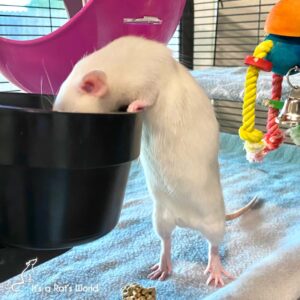
"Pea fishing" is a remarkably simple yet highly effective activity that rats universally enjoy. It involves placing frozen peas in a heavy, tip-proof food container filled with water. Rats are naturally inclined to "fish" for the peas, a process that requires dexterity and persistence. When multiple rats are engaged in this activity, the competition for peas can further amplify their efforts, leading to a significant calorie burn. This activity not only promotes physical exertion but also provides a degree of mental stimulation as they strategize to retrieve their tasty reward.
Understanding Individual Differences in Rat Metabolism and Activity
It is a common misconception that a heavier rat is necessarily one that receives little to no exercise. Personal experience indicates that this is not always the case. Some rats may be genetically predisposed to a stockier build, even when provided with ample opportunities for free-ranging and activity. Factors such as genetics can play a significant role in a rat’s metabolism and weight management.
If a rat exhibits significant weight issues, consulting with a veterinarian is highly recommended. A professional can help determine whether the weight gain is attributable to underlying health conditions, dietary imbalances, or if a more structured and tailored exercise plan is required.
In our increasingly busy lives, consistently meeting our rats’ daily exercise needs can be challenging. However, by incorporating a variety of engaging activities and stimulating environments, both within and outside the cage, owners can significantly contribute to their rats’ physical and mental well-being, ensuring a healthier, happier, and more fulfilling life for these intelligent and social creatures.

