


Finland has completed a significant and comprehensive update of its Important Bird Areas (IBAs) network, a crucial initiative reflecting dynamic changes in bird distributions, migration patterns, and habitat utilization. This revised assessment introduces nine new IBAs to the existing network and revises several established sites, bringing Finland’s total to 91 designated areas. The update underscores Finland’s evolving role in global bird conservation, particularly in the face of climate change and shifting ecological conditions.
The Evolving Significance of Finland for Avian Populations
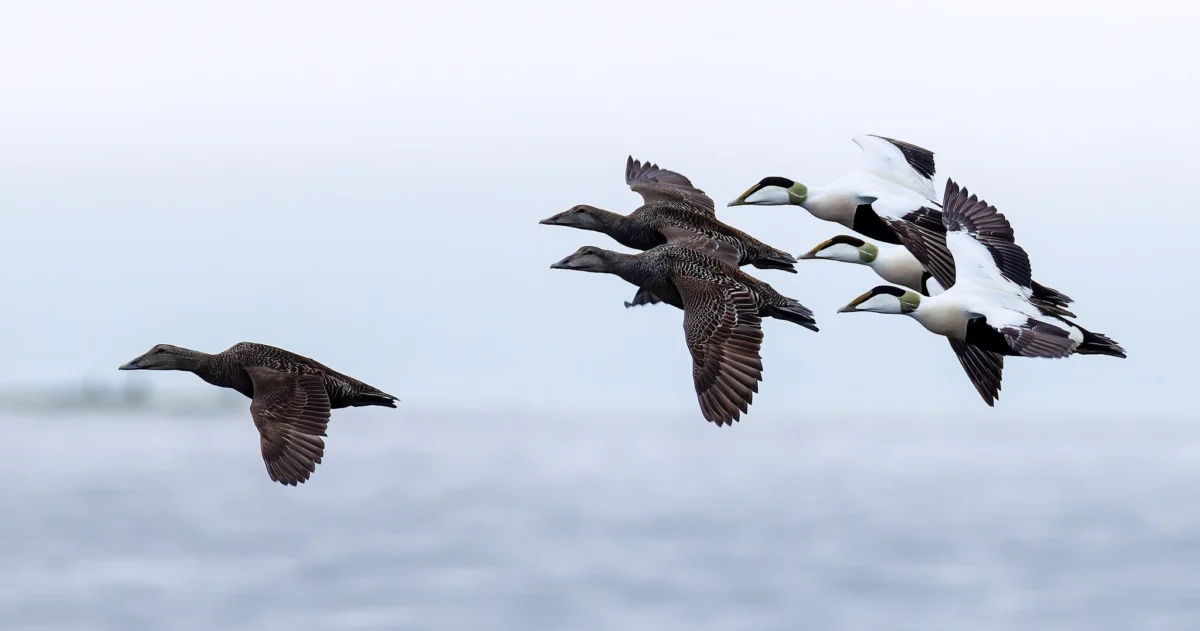
Finland’s strategic location and diverse habitats have long established it as a site of international importance for a wide array of waterbirds. The Baltic Sea archipelago, in particular, serves as a vital breeding ground for seabirds and waders. Species such as the Caspian Tern (Hydroprogne caspia), Common Eider (Somateria mollissima), Black Guillemot (Cepphus grylle), and Ruddy Turnstone (Arenaria interpres) continue to be primary conservation concerns within these coastal ecosystems. Equally critical are the Arctic waders that nest in the vast, open mires of northern Finland, including the Broad-billed Sandpiper (Calidris falcinellus). Notably, nearly 70% of the European population of this specific species is estimated to breed within Finland, highlighting the nation’s disproportionate responsibility for its conservation.
Recent years have witnessed a marked increase in Finland’s importance for wintering and staging waterbirds. Species like the Tufted Duck (Aythya fuligula) are increasingly choosing Finnish waters for their wintering grounds. Concurrently, numerous Arctic goose species, including Barnacle Geese (Branta leucopsis), Taiga Bean Geese (Anser fabalis), and Pink-footed Geese (Anser brachyrhynchus), now utilize Finland as a key staging area during their spring and autumn migrations. This observed shift in migratory behavior and wintering patterns has directly led to the designation of several previously unrecognized wintering and passage sites as new IBAs within the updated network.
Key Species and Shifting Distributions Driving the IBA Update
The impetus for this comprehensive update of the IBA network is largely driven by significant changes affecting northern waders. Many of these species are experiencing declines across Europe and are now classified as threatened. Finland is emerging as a critical stronghold for species such as the Red-necked Phalarope (Phalaropus lobatus) and the Spotted Redshank (Tringa erythropus). The breeding ranges of these birds are notably retreating northward, a phenomenon widely attributed to intensifying climate pressures. As their traditional northern habitats become less suitable or their southern ranges contract, Finland’s northern mires offer increasingly vital refuge.
Climate change is not only altering breeding grounds but also reshaping the seasonal distribution of waterbirds across the continent. Species like the Long-tailed Duck (Clangula hyemalis), Tufted Duck, and Smew (Mergellus albellus) are exhibiting a trend of wintering more frequently in Finnish waters. This is likely linked to milder winters and changes in ice formation on lakes and coastal areas. Simultaneously, species such as the Barnacle Goose and the Tundra Bean Goose now rely heavily on Finnish sites as primary stopover areas along their extensive migration routes. Finland has specifically become the most important staging area for Barnacle Geese during both their spring and autumn migrations, underscoring its critical role in the life cycle of these migratory birds.

Recognition of New and Evolving Habitats
A particularly significant outcome of the updated IBA assessment is the growing recognition of Finland’s importance as a wintering site for waterfowl. This trend is directly correlated with progressively milder winters and evolving ice conditions across the region. For instance, the southern coast of the Åland Islands, an archipelago province of Finland, now supports exceptional numbers of wintering Tufted Ducks. This increased wintering population has led to its designation as a new IBA, highlighting its newfound ecological significance.
Furthermore, agricultural landscapes in southern Finland have emerged as critical habitats for migratory birds. Shifts in migration routes mean that fields and coastal farmlands are now supporting internationally important concentrations of staging geese and other waterbirds. Several of these staging areas, which are proving increasingly vital for species like the Barnacle Goose, have been added to the IBA network for the first time. Elimäenjärvi, a wetland area, is a prime example, having recorded between 150,000 and 300,000 individuals during passage, demonstrating its immense value as a migratory bottleneck.
Emerging Threats and Conservation Challenges
The comprehensive update of Finland’s IBA network not only identifies critical habitats but also starkly highlights the escalating threats facing the nation’s birdlife. Climate change is unequivocally identified as the most significant threat. The rapid northward retreat of many species necessitates urgent conservation and restoration efforts, particularly in the southern regions that have historically served as crucial footholds for Arctic waterbirds.
A concerning aspect of the updated assessment is that many of the newly identified IBAs lack formal legal protection. As migration patterns and wintering areas continue to shift due to environmental changes, birds are increasingly dependent on sites that are vulnerable to development pressures. Renewable energy projects, for example, are being planned and implemented without adequate consideration for the ecological sensitivity of these areas or the specific needs of migratory bird populations. This lack of foresight poses a direct threat to the long-term viability of these newly recognized conservation hotspots.
In addition to development pressures, wetland degradation due to eutrophication remains a significant challenge. Eutrophication, the process by which a body of water becomes excessively enriched with nutrients, leading to harmful algal blooms and oxygen depletion, further threatens the ecological quality of many Finnish IBAs. Active management and targeted restoration efforts are therefore essential to maintain and enhance the suitability of these vital ecosystems for the target species they support.
The Indispensable Role and Relevance of IBA Data
While a significant portion of Finland’s IBA network is already under formal protection, substantial gaps persist. These gaps are particularly evident for wintering and congregation sites along the Baltic coast and within the agricultural areas of southern Finland. Although the long-term future of Arctic breeding birds is intrinsically linked to global climate policy, Finland retains a decisive role in safeguarding crucial staging and wintering habitats. This can be achieved through robust national land-use planning, the implementation of sustainable agricultural practices, and the more effective allocation of funding, particularly through mechanisms like the Common Agricultural Policy (CAP).

The updated IBA data serves as an indispensable tool for informed decision-making. It provides essential guidance for land management strategies and development planning, especially in areas that currently lack dedicated legal protection. By mapping and validating these critical bird habitats, the data empowers conservationists, policymakers, and developers to make more ecologically responsible choices.
A Testament to Collaborative Conservation Efforts
The successful completion of this updated IBA assessment is a direct result of extensive and multifaceted collaboration. BirdLife Finland spearheaded the systematic bird count across the IBAs, an undertaking that relied on the dedication of both professional staff and a vast network of volunteers. Their efforts were significantly augmented by thousands of bird observations submitted to the Tiira database, which now holds an impressive repository of over 30 million bird records. The assessment would not have been possible without the invaluable data contributions from Metsähallitus Parks and Wildlife Finland, the Finnish Environment Institute, and the Finnish Museum of Natural History. To ensure the relevance and accuracy of the findings, only data collected within the past decade was utilized in the analysis.
Tero Toivanen, Conservation Officer at BirdLife Finland, emphasized the dynamic nature of avian populations and the necessity of keeping conservation designations current. "The bird distributions are ever-changing," Toivanen stated. "While the previous IBA assessments were crucial in establishing the SPA network, keeping the network up to date is needed to identify the current conservation needs and to protect the new hotspots."
The revised IBA network not only confirms Finland’s growing responsibility for waterbird conservation in an era of rapid environmental change but also underscores the urgent need for adaptive, forward-looking conservation policies that can respond effectively to these evolving challenges. The updated data provides a clear roadmap for future conservation actions, ensuring that Finland can continue to play its vital role in protecting global avian biodiversity.
Background and Chronology of the IBA Update
The concept of Important Bird Areas (IBAs) emerged from a global initiative by BirdLife International to identify and protect a worldwide network of critical sites for bird conservation. The methodology involves establishing scientifically defined criteria for identifying sites of international importance, typically based on the presence of threatened species, endemic species, or significant concentrations of migratory or sedentary birds.
Finland has been a participant in this global effort for many years. The first comprehensive IBA inventories were established in the late 20th century, serving as foundational documents for national conservation planning and the designation of Special Protection Areas (SPAs) under European Union legislation. These initial assessments provided a baseline understanding of the country’s most critical bird habitats.

However, ornithological knowledge and ecological conditions are not static. Bird distributions shift due to climate change, habitat alterations, and other anthropogenic pressures. Recognizing this, BirdLife Finland, in collaboration with its partners, undertook a systematic review and update of its IBA network. This process involved:
- Data Collection (Ongoing): Continuous monitoring and data collection by BirdLife Finland, its local branches, and citizen scientists through platforms like the Tiira database. This phase spans several years, accumulating a robust dataset.
- Data Consolidation and Analysis (Past Decade): The recent update specifically focused on data from the last ten years, ensuring that the assessments reflect the most current ecological realities. This involved rigorous statistical analysis of bird population trends, distribution changes, and habitat use patterns.
- Site Re-evaluation: Existing IBAs were re-evaluated against the updated criteria to confirm their continued importance.
- Identification of New Sites: New areas exhibiting significant bird populations or critical habitat functions were identified and assessed.
- Validation and Designation: The proposed changes and new designations were subjected to peer review and expert consultation before final adoption.
- Publication and Dissemination: The finalized list of 91 IBAs, including the nine new sites and revised boundaries, was formally announced and disseminated to relevant stakeholders, including government agencies, conservation organizations, and the public.
This iterative process ensures that Finland’s IBA network remains a relevant and effective tool for guiding conservation efforts in a rapidly changing environment.
Broader Impact and Implications
The updated IBA network in Finland carries significant implications beyond national borders. As a key migratory stopover and breeding ground for numerous species, Finland’s conservation efforts directly impact avian populations across Europe and even into Asia and Africa. The designation of new IBAs, particularly those serving as wintering or staging grounds, highlights the interconnectedness of migratory bird flyways and the shared responsibility for their protection.
The findings also serve as a stark reminder of the pervasive influence of climate change on biodiversity. The northward retreat of species and the altered seasonal distributions necessitate adaptive conservation strategies that can anticipate and respond to ongoing environmental shifts. This may involve the creation of new protected areas, the restoration of degraded habitats, and the implementation of climate-resilient land management practices.
Furthermore, the identification of unprotected sites highlights a critical need for improved land-use planning and policy integration. For instance, the vulnerability of newly designated agricultural IBAs to development pressures emphasizes the importance of incorporating biodiversity considerations into agricultural subsidies and rural development schemes. Similarly, the potential conflicts with renewable energy infrastructure underscore the necessity of robust environmental impact assessments and the development of sensitive siting guidelines for such projects.
The data generated by the IBA update is expected to inform a range of policy decisions, including spatial planning, environmental impact assessments, and the allocation of conservation funding. It provides a scientific basis for prioritizing conservation actions and advocating for the protection of critical bird habitats at both national and international levels. The continued collaboration between scientific institutions, conservation NGOs, government agencies, and the public will be paramount in translating this vital data into tangible conservation outcomes.

