


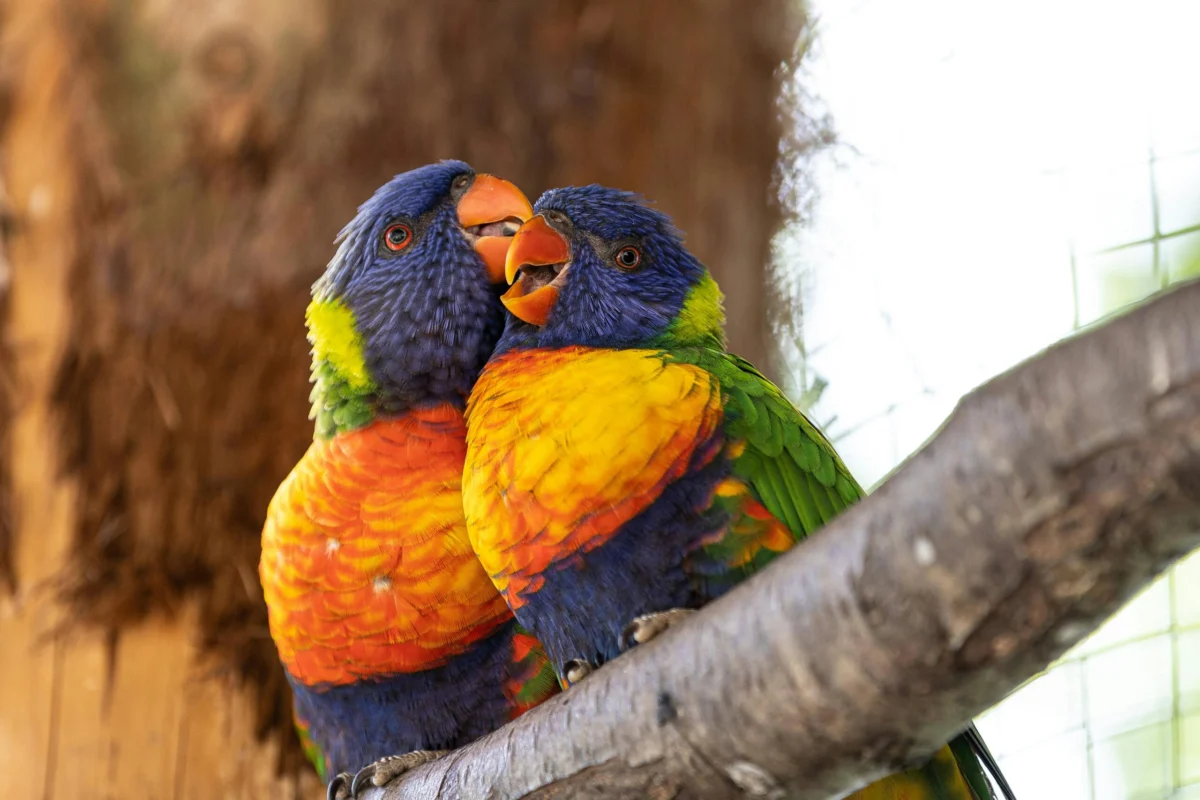
At first glance, the vibrant plumage and intricate patterns of certain birds might lead one to believe they are looking at a product of digital artistry or a whimsical toy. Yet, these astonishing creatures are very much alive, existing in diverse ecosystems across the globe, and some can even be observed within the United States. This article delves into ten avian species whose appearance borders on the fantastical, exploring the evolutionary reasons behind their extraordinary aesthetics and the vital roles these colors play in their survival and propagation.
The Uncanny Beauty of the Natural World
The natural world is a constant source of wonder, and the avian kingdom, in particular, showcases an unparalleled diversity in form and color. From the iridescent shimmer of a hummingbird’s throat to the elaborate tail feathers of a peacock, birds have evolved to capture attention, communicate messages, and thrive in their environments. However, some species possess such striking and unusual coloration that they challenge our very perception of reality, appearing more like creations from a fantasy novel or a meticulously crafted animation than living organisms. These birds serve as a powerful reminder that nature’s palette is far richer and more imaginative than human design can often replicate.
A Spectrum of the Surreal: Ten Birds That Look Fake But Are Real
1. The Resplendent Quetzal: A Jewel of the Cloud Forest

Often hailed as one of the most beautiful birds on Earth, the Resplendent Quetzal (Pharomachrus mocinno) is a sight that seems plucked from a dream. Its emerald green body, crimson breast, and the male’s extraordinarily long, flowing tail coverts create an almost ethereal presence. These birds inhabit the cloud forests of Central America, their vibrant hues a stark contrast to the misty, verdant backdrop.
Why it Looks Unreal: The quetzal’s breathtaking beauty is largely attributed to structural coloration. The iridescent greens and blues are not produced by pigments but by the microscopic structure of the feathers, which refract light in specific ways. This phenomenon creates a shimmering, almost metallic sheen that shifts with the angle of light and the bird’s movement, giving it an otherworldly quality. The male’s spectacular tail feathers, which can extend up to three feet, are a key component in courtship displays, signaling health and genetic fitness to potential mates. Their vibrant colors are a testament to successful adaptation, playing a crucial role in their reproductive success within their specific ecological niche.
2. The Mandarin Duck: A Kaleidoscope of Color
The Mandarin Duck (Aix galericulata), native to East Asia but now found in various parts of the world in feral populations, is renowned for its astonishingly flamboyant plumage. The male, in particular, is a dazzling mosaic of purples, greens, oranges, and blues, adorned with distinctive sail-like feathers on its back. Its appearance is so intricate and varied that it resembles a work of art rather than a wild waterfowl.

Why it Looks Unreal: The Mandarin Duck’s vibrant colors are a prime example of sexual dimorphism, where males develop exaggerated traits to attract females. These colors are produced by a combination of pigments and structural coloration. The intricate patterns and the sheer intensity of the colors serve as a powerful visual signal during the breeding season. While not native to the United States, small feral populations have established themselves, particularly in parks and ornamental ponds, offering glimpses of this natural marvel to unsuspecting observers.
3. The Painted Bunting: A Living Rainbow
Often described as the "rainbow’s end" bird, the Painted Bunting (Passerina ciris) is a small passerine found in the southeastern United States. The male is an explosion of color, featuring a vibrant blue head, emerald green back, yellow underparts, and a striking red rump and breast. This extreme coloration makes it one of the most visually arresting birds in North America.
Why it Looks Unreal: The Painted Bunting’s dazzling array of colors is primarily a result of carotenoid pigments, which are obtained from the bird’s diet. These pigments are responsible for the brilliant reds, yellows, and oranges. The blues and greens, however, are structural colors, created by the way light interacts with the feather’s microstructure. This combination of pigmentary and structural coloration results in a bird that appears almost as if it were painted with an impossibly broad and vivid palette. The intense colors are thought to play a significant role in mate selection, with brighter birds often being more successful in attracting mates.

4. The Violet-Backed Starling: An Iridescent Spectacle
The Violet-Backed Starling (Cinnyricinclus leucogaster), found in sub-Saharan Africa, possesses a plumage that seems to capture and amplify light. While the female is a more subdued brown, the male is characterized by a deep, iridescent violet sheen on its back and wings, contrasting with a chestnut-colored breast. This striking color can appear almost metallic and shifts dramatically with movement.
Why it Looks Unreal: The violet hue is a classic example of structural coloration. The specialized microscopic structures within the starling’s feathers scatter light, producing the vibrant, shimmering violet that seems to glow. This effect is particularly pronounced in certain lighting conditions and can appear far more intense than any pigment could achieve. This adaptation likely serves a role in communication and species recognition, particularly during mating rituals. It is a profound reminder that avian vision often perceives a broader spectrum of color and light than humans can.
5. The Atlantic Puffin: A Clowns of the Sea

The Atlantic Puffin (Fratercula arctica), a seabird found in the North Atlantic Ocean, presents a comical yet striking appearance, especially during the breeding season. Its black and white body, coupled with a disproportionately large, brightly colored beak, gives it a whimsical, almost cartoonish look. The beak, in particular, shifts from a dull grey in winter to vibrant red, yellow, and blue during the spring and summer.
Why it Looks Unreal: The puffin’s beak coloration is a fascinating evolutionary adaptation directly linked to reproduction. The vibrant colors are a result of increased blood flow and pigmentation during the breeding season, serving as a visual signal to potential mates. This dramatic seasonal change in appearance makes the puffin seem almost like a different bird when comparing its winter and summer plumage. Their appearance has led to nicknames like "sea parrot" and "clown of the sea," underscoring their unique and somewhat surreal aesthetic.
6. The Golden-Headed Quetzal: A Symphony of Green and Red
Closely related to the Resplendent Quetzal, the Golden-Headed Quetzal (Pharomachrus auriceps) also boasts a spectacular appearance that defies belief. Found in the cloud forests of the Andes, this bird features a vibrant emerald green body, a striking scarlet breast, and a distinctive golden-yellow head. Its colors are so intense and perfectly blended that they appear almost unreal.

Why it Looks Unreal: Similar to its cousin, the Golden-Headed Quetzal’s vivid colors are a product of both pigmentary and structural coloration. The brilliant greens and reds are achieved through a sophisticated interplay of pigments and the way light interacts with the feather’s microscopic architecture. This remarkable coloration is crucial for attracting mates and potentially for territorial displays within its specialized habitat. The intensity and purity of its colors make it a standout species in the already colorful avian world.
7. The Blue Jay: A Masterclass in Structural Color
The Blue Jay (Cyanocitta cristata) is a familiar sight in eastern and central North America, yet its brilliant blue, white, and black plumage often appears too perfect to be natural. Its crest, bold markings, and vibrant azure hues create a striking visual impact that can make it seem like a meticulously designed animated character.
Why it Looks Unreal: The striking blue of the Blue Jay is a classic example of structural coloration. Unlike pigments that absorb light, structural colors are produced by the physical structure of the feathers themselves. The microscopic barbules on the feathers scatter light, reflecting primarily blue wavelengths. This is why, when a blue feather is crushed, its color often disappears, as the delicate structures that create the iridescence are destroyed. This phenomenon highlights the sophisticated ways in which birds have evolved to manipulate light for their visual communication and identification.

8. The Scarlet Macaw: A Riot of Tropical Color
The Scarlet Macaw (Ara macao) is an iconic symbol of the Neotropics, instantly recognizable for its brilliant scarlet, yellow, and blue plumage. These large parrots inhabit the rainforests of Central and South America, their vivid colors a spectacular contrast against the lush green canopy. The sheer intensity and breadth of colors on a single bird can be breathtaking.
Why it Looks Unreal: The Scarlet Macaw’s extreme coloration is a result of both pigmentary and structural coloration. The vibrant reds are carotenoids, while the blues and greens are structural. These brilliant colors serve multiple purposes: they aid in species recognition, facilitate communication within flocks, and play a role in mate selection. The intensity of their colors also helps them to be seen by other macaws at a distance, which is crucial for maintaining flock cohesion in the dense rainforest environment. Their appearance is a testament to the power of natural selection in producing striking visual signals.
9. The Gouldian Finch: A Jewel-Toned Avian Gem

Native to Australia, the Gouldian Finch (Erythrura gouldiae) is a small finch renowned for its extraordinarily vibrant and diverse coloration. While often seen with a black or red head, they can also exhibit yellow or orange heads, complemented by a neon green back and a bright purple chest. The precision and boldness of these color patches make them appear almost painted.
Why it Looks Unreal: The Gouldian Finch’s varied color morphs are believed to be influenced by genetics and diet. The pigments responsible for these colors, particularly the carotenoids, are acquired from their food sources. The specific combinations of head color, body color, and chest color are thought to play a significant role in social signaling, including mate choice and dominance hierarchies within their flocks. Their jewel-like appearance is a vivid illustration of how natural selection can favor extreme and aesthetically stunning traits for survival and reproduction.
10. The Keel-Billed Toucan: A Bill of Wonders
The Keel-Billed Toucan (Ramphastos sulfuratus) is instantly recognizable by its enormous, multi-colored bill, which features shades of green, blue, orange, and yellow. This disproportionately large and vibrantly hued bill, set against its predominantly black body with a yellow throat, gives the toucan an almost surreal and comical appearance.

Why it Looks Unreal: While the toucan’s bill is visually stunning, it also serves crucial biological functions beyond mere aesthetics. The bill’s large surface area and hollow structure, filled with a network of air sacs, help it to radiate excess body heat, aiding in thermoregulation in the hot tropical climates it inhabits. The vibrant colors of the bill are thought to play a role in courtship displays and potentially in startling predators. The bill’s size and color have evolved to balance the demands of thermoregulation, feeding, and communication, resulting in a truly unique and seemingly unreal adaptation.
The Evolutionary Canvas: Why Birds Evolve Such Unreal Colors
The vibrant and often fantastical coloration seen in these birds is not arbitrary. It is the product of millions of years of evolution, driven by the fundamental needs of survival and reproduction.
- Mate Attraction: In many species, particularly males, elaborate and colorful plumage serves as a powerful signal to attract females. Brighter, more complex colors can indicate good health, strong genes, and the ability to acquire resources, making the individual a more desirable mate. This is a key driver behind sexual dimorphism, where males are often far more colorful than females.
- Species Recognition: In environments where multiple similar species coexist, distinct coloration helps birds recognize their own kind. This is crucial for successful mating and for maintaining social structures within a species.
- Camouflage and Warning: While some colors are bright, others serve to blend into the environment, providing camouflage from predators or prey. Conversely, some bright colors can act as warning signals, indicating that a bird is toxic or unpalatable.
- Thermoregulation: As seen with the Keel-Billed Toucan, large and colorful structures can sometimes play a role in regulating body temperature by dissipating heat.
- Communication: Beyond mating and species recognition, colors can convey a range of messages, from territorial claims to alarm signals, all contributing to the complex social lives of birds.
It is also important to note that avian vision often differs significantly from human vision. Birds can perceive ultraviolet light, which is invisible to us. This means that colors that appear dazzling to us might be even more spectacular and informative to other birds, revealing patterns or signals we cannot detect.
Broader Implications: Nature’s Unrivaled Artistry
The existence of these birds challenges our preconceived notions of what is real and what is not. They demonstrate that the natural world possesses an artistry and creativity that often surpasses human imagination. The evolutionary pressures that have shaped these remarkable creatures highlight the intricate balance of life and the diverse strategies employed for survival and propagation. As we continue to study and appreciate these avian wonders, we gain a deeper understanding of the planet’s biodiversity and the incredible ingenuity of natural selection. Their existence underscores the importance of conservation efforts to protect these species and their habitats, ensuring that these living masterpieces continue to grace our planet for generations to come. The study of these birds serves as a constant reminder that reality, in the hands of nature, can be far more astonishing than any fiction.

