


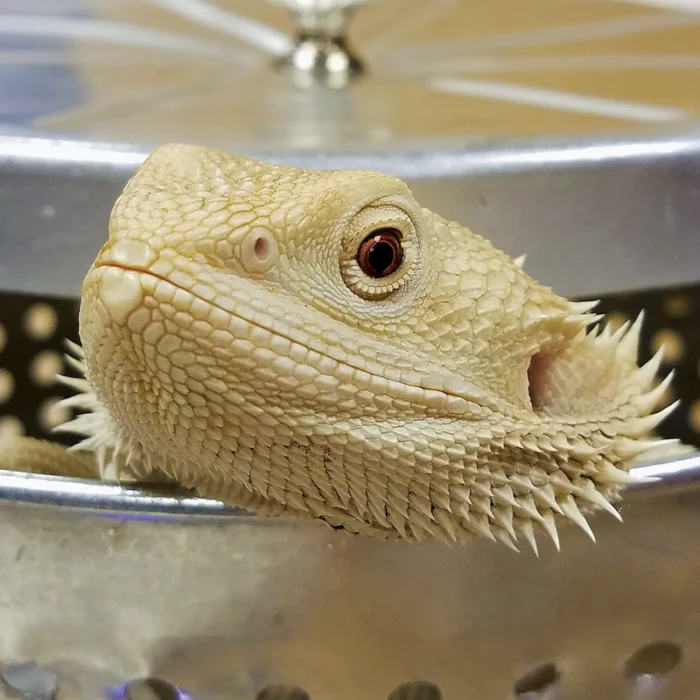
The veterinary medical community has reached a new milestone in exotic animal education with the formal accreditation of the Clinical Medicine in Bearded Dragons webinar, a comprehensive instructional program now recognized by the American Association of Veterinary State Boards (AAVSB). This educational initiative, hosted by the specialized resource platform LafeberVet, has been officially vetted and approved under the Registry of Approved Continuing Education (RACE) program. The accreditation grants one hour of continuing education (CE) credit to participating veterinarians and veterinary technicians across jurisdictions that recognize AAVSB RACE standards. This development comes at a critical juncture as the popularity of bearded dragons (Pogona vitticeps) as household pets continues to surge, necessitating a higher standard of specialized clinical knowledge among general practitioners and exotic animal specialists alike.
The Evolution of Exotic Pet Care and Clinical Demand
The landscape of veterinary medicine has undergone a significant transformation over the last two decades. Once considered niche "pocket pets" or "alternative" companions, reptiles—and bearded dragons in particular—have moved into the mainstream of pet ownership. According to data from the American Pet Products Association (APPA), reptile ownership in the United States has seen a steady incline, with millions of households now including at least one chelonian, lizard, or snake. Bearded dragons are frequently cited as the most popular lizard species for beginners and experienced keepers alike due to their relatively docile nature and manageable size.
However, the rise in ownership has not always been matched by a proportional increase in veterinary expertise. Many general practitioners feel under-equipped to handle the specific physiological and pathological needs of reptiles. The Clinical Medicine in Bearded Dragons webinar addresses this gap by providing evidence-based clinical guidance. By securing RACE approval, the program ensures that the information disseminated meets rigorous academic and professional standards, providing practitioners with the confidence to apply these techniques in a clinical setting.
Curriculum Overview and Certification Requirements
The webinar is designed to be a concentrated, high-impact session focusing on the most prevalent clinical issues encountered in bearded dragon medicine. The curriculum covers a broad spectrum of topics, including diagnostic imaging, hematology, common infectious diseases, and nutritional secondary hyperparathyroidism—frequently referred to as metabolic bone disease (MBD).
To maintain the integrity of the educational credit, the program mandates a rigorous assessment process. Participants are required to complete a post-test following the conclusion of the webinar. The AAVSB guidelines necessitate a passing grade to demonstrate the retention of the material. In a move to support the learning process while maintaining standards, LafeberVet allows participants three attempts to pass the examination. Upon successful completion, the system generates a formal continuing education certificate, which is essential for veterinarians and technicians during their biennial or annual license renewal processes.
Access to this specialized content is restricted to registered members of the LafeberVet community, reflecting a commitment to professional-grade dissemination. The platform also acknowledges the global nature of veterinary medicine by offering navigation and support in English, French, and Spanish, ensuring that language barriers do not impede the advancement of reptilian healthcare.
The Role of AAVSB RACE Approval in Professional Standards
The American Association of Veterinary State Boards plays a pivotal role in the regulation of the veterinary profession. Their RACE program was developed to simplify the process of identifying quality continuing education providers and programs. For a course to receive RACE approval, it must undergo a thorough review by a committee of experts who evaluate the qualifications of the instructors, the accuracy of the scientific content, and the relevance of the material to current veterinary practice.
For the veterinary professional, RACE-approved credits are the gold standard. Most state boards in the United States and provincial boards in Canada accept these credits toward the mandatory hours required for licensure. By aligning the Clinical Medicine in Bearded Dragons webinar with these standards, the organizers have ensured that the time spent by professionals in this training is not only clinically beneficial but also administratively recognized. This alignment is crucial for the "One Health" approach, as it elevates the standard of care for non-traditional species to match that of canine and feline medicine.
Chronology of the Program’s Development
The journey toward the current accreditation began with the recognition of a knowledge deficit in the field. Over the past five years, exotic animal specialists have noted an increase in "husbandry-related" illnesses in bearded dragons, which often stem from a lack of owner education and a lack of veterinary intervention during the early stages of disease.
- Initial Research Phase: Specialists identified the most common reasons for bearded dragon clinical presentations, prioritizing conditions like follicular stasis, yellow fungus disease (Nannizziopsis guarroi), and respiratory infections.
- Content Formulation: A team of board-certified avian and exotic animal veterinarians developed the webinar content, integrating high-definition clinical photography and video demonstrations of diagnostic techniques.
- Submission for Accreditation: The program was submitted to the AAVSB for a comprehensive audit. This involved a review of the instructional design and the verification of the scientific citations used in the teaching materials.
- Formal Approval: Upon meeting all criteria, the program was granted RACE approval, allowing it to be marketed as a legitimate source of CE for the 2023-2024 cycle.
- Ongoing Implementation: The webinar is now a permanent fixture in the LafeberVet library, available for on-demand access to accommodate the busy schedules of practicing veterinary professionals.
Clinical Focus: Addressing Common Pathologies
The enrichment of veterinary knowledge through this webinar focuses heavily on the unique biological requirements of the Pogona genus. Unlike mammals, bearded dragons are ectothermic and rely entirely on their environment for thermoregulation and metabolic function. The webinar emphasizes that clinical medicine in this species cannot be separated from husbandry.
One of the primary focuses of the instructional material is the diagnosis and management of Metabolic Bone Disease. Data indicates that MBD remains the leading cause of morbidity in captive bearded dragons, often resulting from inadequate UV-B lighting or improper calcium-to-phosphorus ratios in the diet. The webinar provides practitioners with updated protocols for fluid therapy, calcium supplementation, and long-term management strategies for these fragile patients.
Additionally, the program delves into the complexities of reptilian surgery and anesthesia. Bearded dragons possess a renal portal system, which means that medications injected into the caudal half of the body may be cleared by the kidneys before reaching systemic circulation. This physiological nuance is a critical point of instruction in the webinar, ensuring that practitioners avoid sub-therapeutic dosing or potential toxicity when treating these animals.
Official Responses and Industry Impact
While formal statements from the AAVSB are typically limited to accreditation status, the broader veterinary community has responded positively to the inclusion of more reptile-specific RACE credits. Dr. Erica Mede, a prominent figure in reptile medicine, has frequently advocated for the standardization of exotic pet care. Observers in the field suggest that the move by LafeberVet to secure RACE approval reflects a growing trend where specialized online platforms are becoming the primary source of lifelong learning for veterinarians.
Industry analysts suggest that the availability of such programs has a direct impact on animal welfare. When a veterinarian feels confident in their ability to treat a bearded dragon, they are more likely to offer comprehensive diagnostics—such as blood panels and radiographs—rather than relying on "best guess" treatments. This shift leads to better patient outcomes and higher client satisfaction in the growing sector of exotic pet owners.
Broader Implications for the Future of Veterinary Education
The Clinical Medicine in Bearded Dragons webinar represents more than just an hour of credit; it symbolizes the digital shift in professional medical education. The transition from in-person conferences to high-quality, on-demand webinars allows for a more democratic distribution of knowledge. A veterinarian in a rural area now has access to the same expert-led training as a practitioner in a major metropolitan teaching hospital.
Furthermore, the requirement for a post-test with limited attempts (three) ensures a level of accountability that was often missing from traditional "sit-and-listen" lectures. This competency-based approach to continuing education is becoming the standard for medical professionals worldwide.
As the pet industry continues to evolve, with reptiles and other exotics taking a larger share of the market, the demand for accredited, high-quality clinical training will only increase. The successful accreditation of this webinar serves as a blueprint for future programs focusing on other emerging species, such as leopard geckos, axolotls, and various small mammals.
In conclusion, the Clinical Medicine in Bearded Dragons webinar stands as a vital resource for the modern veterinary team. By bridging the gap between general veterinary training and specialized reptilian medicine, and by doing so within the regulated framework of the AAVSB RACE program, it ensures that the next generation of bearded dragons receives the high standard of medical care they deserve. The integration of clinical expertise, regulatory oversight, and accessible technology marks a significant step forward for the profession, promising a future where specialized care is the norm rather than the exception.

