


For bird owners, the sight of their feathered companion suddenly appearing disheveled, adorned with what looks like tiny, pale spikes, can be disconcerting. These "spikes" are known as pin feathers, a normal and essential part of the avian molting process. While a natural phenomenon, molting, and the emergence of pin feathers can bring periods of discomfort and itchiness for birds, prompting owners to seek understanding and strategies to support their pet’s well-being. This guide delves into the biology of pin feathers, the stages of their development, and practical, safe approaches to ensure a comfortable and healthy molt for pet birds, while also distinguishing normal processes from situations requiring veterinary intervention.
Understanding Avian Molt: A Biological Imperative
Molting is a fundamental physiological process for birds, involving the systematic shedding of old, worn feathers and their replacement with new ones. This cyclical renewal is crucial for a bird’s survival and overall health, impacting everything from flight efficiency and insulation to camouflage and social signaling. Feathers, being dead structures once fully grown, undergo wear and tear from daily activities, environmental exposure, and preening. A successful molt ensures the maintenance of a robust, functional plumage essential for thermoregulation, protection from elements, and aerodynamic performance. The timing and duration of molts vary significantly across species, influenced by factors such as age, season, nutrition, and reproductive cycles. For many pet birds, especially those kept indoors, molting patterns can sometimes be influenced by artificial light cycles and ambient conditions, potentially leading to more frequent or less predictable molts compared to their wild counterparts. During a molt, a bird’s body prioritizes feather growth, demanding significant energy and nutritional resources. The entire integumentary system—skin, follicles, and developing feathers—becomes a hive of activity, often leading to increased sensitivity and the characteristic "spiky" appearance.
The Anatomy of a Pin Feather: From Sheath to Splendor
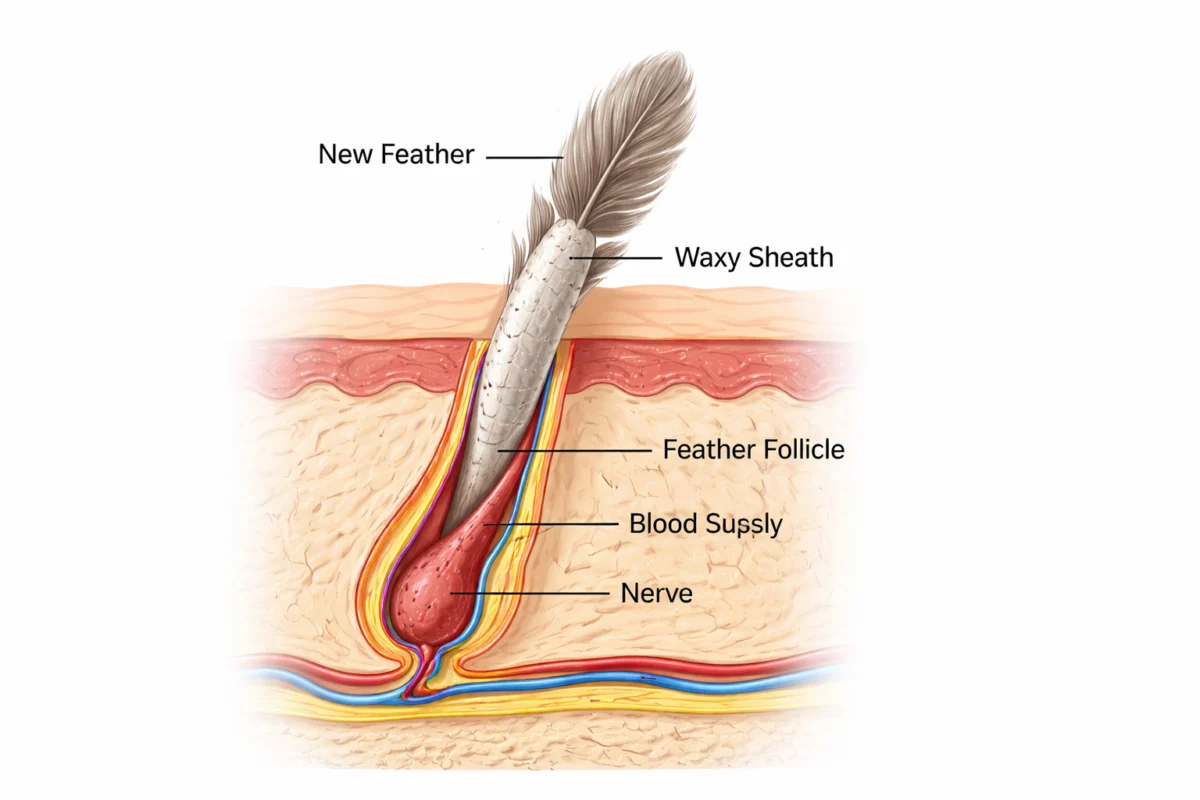
Pin feathers are, in essence, nascent feathers encased within a protective keratin sheath. This sheath, composed of the same protein that forms nails and hair in other animals, acts as a temporary protective casing, shielding the delicate, developing feather structure from damage as it emerges through the skin. Visually, these sheaths present as pale, whitish, or sometimes bluish-grey spikes, most prominently observed on areas like the head, neck, and sometimes the chest and back where feathers are shorter and easier to see.
Feathers do not grow in isolation. During a molt, the body activates groups of feather follicles simultaneously, often in localized areas. This synchronized growth explains why pin feathers frequently appear in clusters, giving a bird a sudden, unkempt, or "porcupine-like" appearance. This rapid emergence can make the skin feel congested and irritated, even in the absence of any medical abnormality. It is a common misconception that unopened pin feathers are "stuck." In most cases, they are simply not yet mature enough for the protective sheath to flake away and allow the feather barbs to unfurl. Forcing a pin feather open prematurely can cause pain, bleeding, and potentially damage the developing feather or its follicle.
The Molting Cycle: A Chronology of Discomfort and Renewal
The journey of a pin feather from its emergence to its full maturation involves distinct stages, each associated with particular sensations for the bird and observable behaviors for the owner. Understanding this chronology is key to providing appropriate support.
-
Phase 1: Early Growth and Tenderness
In its initial stages, each pin feather is actively growing and connected to a small blood supply via the dermal papilla within the follicle. This connection means the surrounding skin and the follicle itself are highly sensitive. Touching, squeezing, or attempting to manipulate pin feathers during this phase can be uncomfortable or even painful for the bird.- What this looks like: The bird may exhibit heightened sensitivity to touch, flinch away from hands or objects, or vocalize discomfort if a tender pin feather is accidentally brushed. There might be a slight reddish or bluish tint visible within the shaft, indicating the active blood supply.
- What helps at this stage: The primary recommendation is a hands-off approach. Allow the bird to manage this initial tender phase naturally. Ensure a calm environment and minimize any activities that might inadvertently cause contact with the sensitive areas. Focus on a nutrient-rich diet to support healthy growth.
-
Phase 2: The Itchy Phase (Most Noticed by Owners)
As the pin feather matures further, the keratin sheath begins to dry out and break down. This drying process often leads to significant itchiness, a sensation akin to a healing scab or dry skin. This is the stage where owners typically observe a noticeable increase in their bird’s self-preening activities.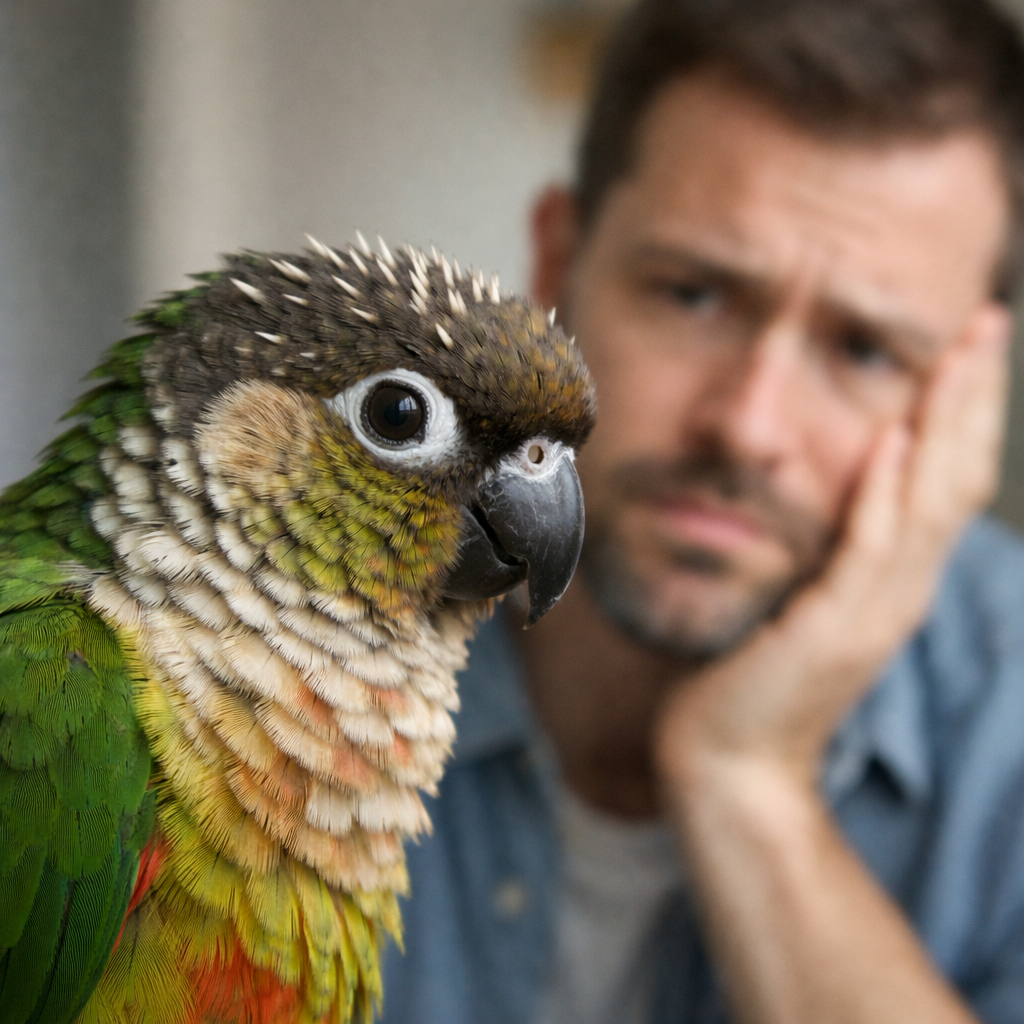
- What this looks like: Birds will intensify scratching, rubbing against perches or cage bars, and engage in focused preening, particularly on areas they can reach. Head and neck regions, which are difficult for a bird to preen themselves, often show the most pronounced signs of irritation. This increased activity can sometimes be misinterpreted as a behavioral issue, but it is typically a physical response to the discomfort of growing feathers.
- What helps at this stage: Providing relief from itchiness is paramount. Regular opportunities for bathing, whether through misting, a shallow water dish, or a bird bath, are highly beneficial. The moisture helps soften the keratin sheaths, making them easier to remove and reducing irritation. Maintaining adequate environmental humidity also contributes to sheath softening. A balanced diet rich in essential fatty acids and vitamins supports skin hydration and reduces dryness.
-
Phase 3: The Release Phase
Once a pin feather is fully developed and the keratin sheath is completely dry and brittle, it begins to flake away. This allows the new, perfectly formed feather to unfurl and settle into its final position. This phase marks the culmination of the growth process and a significant improvement in the bird’s comfort.- What this looks like: Fine, white, powdery flakes of keratin will be visible around the bird’s cage and on its feathers, especially after preening. The bird’s appearance will gradually transition from spiky to smooth as more feathers open. Comfort levels will visibly improve, with a reduction in frantic scratching or rubbing.
- What helps at this stage: Continued access to bathing and humidity supports the natural flaking process. Gentle preening assistance from an owner, if the bird is receptive and the sheaths are clearly dry and flaky, can sometimes help, particularly on hard-to-reach areas.
Distinguishing Pin Feathers from Blood Feathers: A Crucial Understanding
While all early-stage pin feathers contain a blood supply, the term "blood feather" typically refers to larger, actively growing feathers—often flight feathers on the wings or tail—that have a more substantial and easily visible blood supply. These larger feathers take longer to mature, meaning their blood vessels remain active for an extended period. The distinction is critical because breaking a blood feather, especially a large one, can lead to significant and potentially dangerous bleeding.
- Why this matters: A broken blood feather can bleed heavily and continuously. In smaller bird species, even a moderate amount of blood loss can quickly become life-threatening if not addressed promptly. The risk is not just the immediate blood loss but also the potential for infection if the follicle is damaged.
- What to do if a blood feather breaks:
- Remain Calm: Panicking will only stress the bird further.
- Apply Direct Pressure: Use a clean cloth or gauze to apply steady, firm pressure to the bleeding site for several minutes (5-10 minutes).
- Use a Clotting Agent: If bleeding persists, apply a commercial avian styptic powder (like Kwik Stop) or cornstarch/flour to the tip of the broken feather.
- Monitor Closely: If bleeding stops with pressure and a clotting agent, monitor the bird closely for 30-60 minutes. Reapply the clotting agent if minor bleeding restarts.
- Seek Veterinary Care: If bleeding continues beyond 10-15 minutes, appears heavy, or if you are unsure the bleeding is controlled, contact an avian or exotics veterinarian immediately. Prompt professional intervention may be necessary to remove the damaged feather and ensure the bird’s safety.
- What NOT to do: Never attempt to pull a blood feather yourself. Feather removal is extremely painful for the bird and, if done improperly, can worsen bleeding, cause significant trauma, or permanently damage the feather follicle, preventing future feather growth in that spot. Blood feathers should only be removed by an avian veterinarian or a trained professional who can assess the situation and perform the procedure safely and with appropriate pain management.
Optimizing Comfort During Molt: Practical Strategies for Bird Owners
The goal during a molt is to ease skin irritation, prevent excessive or fixated scratching that could lead to plucking, and protect the new feathers as they grow.
- Environmental Enrichment and Humidity:
- Regular Bathing and Misting: Offering daily opportunities for bathing or gentle misting with plain, lukewarm water is one of the most effective ways to soften keratin sheaths. This makes them easier for the bird to preen off and reduces the associated itchiness. Some birds prefer a shallow dish, others enjoy a shower perch, and many tolerate a fine misting spray.
- Maintaining Adequate Humidity: Indoor environments, especially during colder months when heating systems are active, can become excessively dry. Low humidity can exacerbate the dryness of pin feather sheaths, making them more brittle and itchy. Using a humidifier in the bird’s room can significantly alleviate discomfort by keeping the air and the sheaths softer. Aim for a humidity level between 50-60%. (Lucas & Stettenheim, 1972)
- Nutritional Support for Feather Health:
- Targeted Nutrition: Molting is energetically demanding and requires specific nutrients for healthy feather growth. A diet rich in Vitamin A, Vitamin E, and Omega fatty acids is crucial. Vitamin A is essential for healthy skin and epithelial tissue, while Vitamin E acts as an antioxidant. Omega fatty acids contribute to skin hydration and feather quality. (Chen et al., 2020; McGraw, 2006)
- Beyond Seed Diets: An "all-seed" diet is notoriously deficient in many essential vitamins and minerals, particularly Vitamin A. Birds on such diets are highly susceptible to poor feather quality, prolonged or difficult molts, and increased discomfort. Transitioning to a high-quality pelleted diet supplemented with fresh vegetables, fruits, and appropriate sprouts is vital for overall health and particularly beneficial during molt.
- Supplementation: In some cases, and under veterinary guidance, specific supplements formulated for avian feather and skin health, such as those containing a balanced blend of vitamins and fatty acids, can be beneficial.
- Gentle Assistance: When and How to Help:
- When Assistance May Be Appropriate: Most birds manage their pin feathers independently. However, some birds, particularly those with difficulty reaching certain areas like the head and neck, may appreciate gentle assistance. This help is usually welcomed when the bird actively solicits it, typically by lowering its head, fluffing its feathers, and presenting the itchy area. Assistance is only appropriate once the keratin sheath is visibly dry, flaky, and easily crumbles, indicating the feather underneath is fully formed and the blood supply has receded.
- Techniques for Safe, Gentle Preening: If the bird is receptive, use clean fingers to gently roll the dry sheath between your thumb and forefinger. The goal is to crumble the dry keratin, not to pull or squeeze the feather. Focus only on sheaths that easily flake away. If you encounter any resistance, see any sign of blood, or if the bird shows any discomfort, stop immediately.
- When NOT to Help: Never attempt to help if the pin feathers appear tender, have a visible blood supply, or if the bird is not receptive to your touch. Forcing assistance can cause pain, stress, and damage to the developing feathers or follicles. Many experienced owners opt not to provide any manual assistance, relying solely on bathing, humidity, and time.
Recognizing Red Flags: When Pin-Feather Discomfort is No Longer Normal
While some level of discomfort during molt is normal, certain signs indicate a problem beyond routine irritation. It’s crucial for owners to differentiate between normal molting behaviors and symptoms that warrant immediate veterinary attention. Normal pin-feather irritation should gradually improve as sheaths open and new feathers emerge.
- Symptoms Suggesting a Problem:
- Open Skin or Active Bleeding: Any persistent bleeding from a feather follicle or open wounds on the skin, especially if not a result of a broken blood feather, is a serious concern.
- Rapidly Expanding Bald Areas: While some feather loss is normal, areas of rapidly expanding baldness or patches of skin without any new feather growth can indicate an underlying medical issue, such as nutritional deficiency, infection, or feather destructive behavior.
- Obvious Feather Destruction: If the bird is excessively plucking, chewing, or damaging its new or existing feathers to the point of mutilation, it signals significant distress, pain, or an underlying medical condition. This can escalate from simple itchiness to a chronic behavioral problem if not addressed.
- Signs of Illness: Weakness, lethargy, loss of appetite, changes in droppings, or any other general signs of illness accompanying the molt indicate that the bird’s discomfort may be compounded by a systemic health issue. Molting is stressful, and a bird’s immune system can be compromised during this time, making it more susceptible to illness.
- Persistent Fixation or Escalation of Itchiness: If the bird’s itchiness or scratching becomes obsessive, does not improve over time, or escalates to self-mutilation, it suggests that the underlying cause is more than just normal molting discomfort.
- Action: If any of these signs appear, discontinue home troubleshooting and consult an avian veterinarian immediately. Early diagnosis and treatment are vital for preventing complications and ensuring the bird’s long-term health and welfare. (Lightfoot, 2024)
Expert Insights and Broader Implications
Avian experts, like licensed psychotherapist and behavior guru Diane Burroughs, emphasize that proactive, informed care during the molting process is crucial not only for a bird’s physical health but also for its psychological well-being. Persistent irritation without relief can contribute to behavioral fixations, potentially leading to chronic feather plucking or other self-destructive behaviors. Providing early comfort support helps reduce this risk, fostering a positive relationship between the bird and its owner.
The implications of understanding and appropriately managing pin feathers extend beyond just comfort. A healthy molt, supported by optimal nutrition and environment, contributes to the longevity and quality of life for pet birds. Conversely, neglect or mismanagement during this critical period can lead to chronic skin conditions, poor feather quality, compromised immunity, and behavioral problems that are difficult to reverse. Owners play a vital role in observing their birds, understanding their natural cycles, and intervening judiciously when support is needed or when signs of distress emerge. This knowledge empowers owners to be better caregivers, ensuring their feathered companions navigate this essential biological process with minimal stress and optimal health, allowing their new plumage to emerge in full splendor.
In conclusion, pin feathers are a natural and necessary part of a bird’s life cycle. While they can bring periods of tenderness and itchiness, armed with the right knowledge and tools, bird owners can significantly alleviate their pet’s discomfort and promote a healthy, complete molt. Recognizing the stages of pin feather growth, understanding the critical difference between pin feathers and blood feathers, and knowing when to seek professional veterinary care are fundamental responsibilities of compassionate bird ownership. By providing a supportive environment, optimal nutrition, and gentle assistance when appropriate, owners can help their birds emerge from each molt with vibrant, healthy feathers, ready to thrive.

