


The Eastern Rosella (Platycercus eximius), a strikingly colorful parrot native to southeastern Australia, stands out even among its vibrant avian cousins. Known for its dazzling plumage and adaptable nature, this medium-sized bird has successfully navigated environmental changes, establishing a firm presence not only in its native range but also as an introduced species in New Zealand. Its engaging personality has also made it a popular companion bird, leading to its presence in aviaries and homes worldwide. This article delves into the fascinating world of the Eastern Rosella, exploring its appearance, natural habitat, dietary habits, conservation status, and the responsibilities of its care in captivity.
Distinctive Plumage and Subspecies Variations
The Eastern Rosella is unequivocally a visual spectacle, making it difficult to overlook despite its modest adult size of approximately 30 centimeters (12 inches) and a weight of about 100 grams. Its head and chest are adorned with a brilliant scarlet red, sharply contrasted by clean white cheek patches. Moving downwards, its belly transitions to a yellow-green hue, extending to its "pants." The upper wing feathers display an intricate scalloped pattern of yellow-green and black, while the back is predominantly green. The undersides of its wings are a vivid blue, complementing a long, tapering blue-green tail. This complex tapestry of colors serves not only for display but also provides camouflage amidst the dappled light of its natural woodland habitats.
Scientific classification recognizes three distinct subspecies of Platycercus eximius, each exhibiting subtle variations in coloration and geographical distribution:
- Platycercus eximius eximius (the nominate subspecies): Predominantly found in Tasmania and southern Victoria. This subspecies typically features the deepest red on its head and breast, and a more pronounced yellow-green on its belly.
- Platycercus eximius elecica (also known as the Northern Eastern Rosella): Inhabits northeastern New South Wales and southeastern Queensland. Birds of this subspecies tend to have a slightly paler red on the head and breast, with a more yellowish wash on the green parts of their plumage. Their white cheek patches can also be more extensive.
- Platycercus eximius diemenensis (the Adelaide Rosella): Found in South Australia, particularly around Adelaide. This subspecies often displays a more orange-red head and breast, with a brighter yellow on the belly.
Juvenile Eastern Rosellas, prior to their first molt between two and six months of age, present a slightly muted version of the adult’s vibrant palette. Their colors are less intense, and their beaks are initially yellow, gradually changing to the adult’s characteristic white. This allows for a period of less conspicuousness during their vulnerable early life stages.
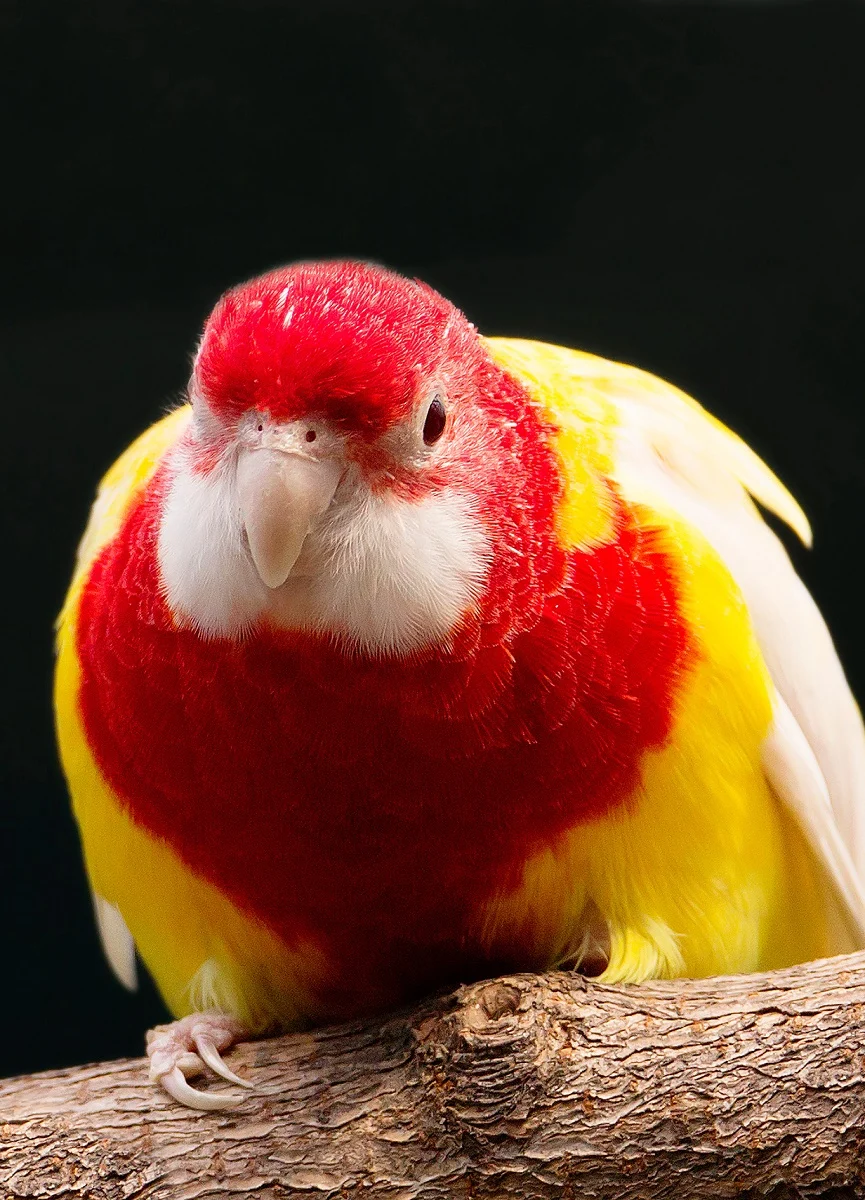
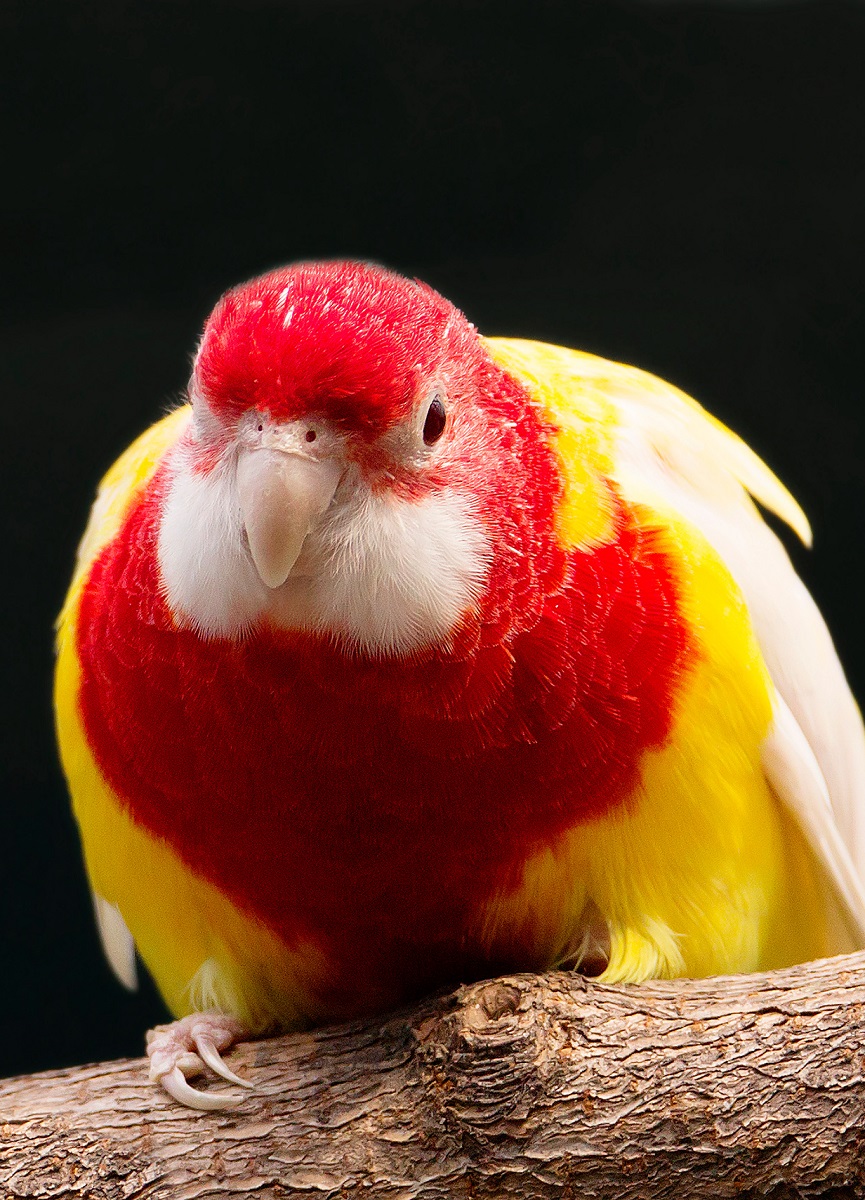
Beyond natural variations, selective breeding in the pet trade has led to the development of various color morphs. The Rubino mutation is particularly common, characterized by a striking red-yellow-white coloration, entirely lacking the natural blue, green, or black pigments. Other mutations, such as Lutino (yellow with red eyes) and Cinnamon (pale brown with lighter red), further diversify the appearance of captive rosellas. These morphs highlight the genetic diversity within the species and cater to aesthetic preferences in the aviculture community.
Subtle Sexual Dimorphism and Hybridization
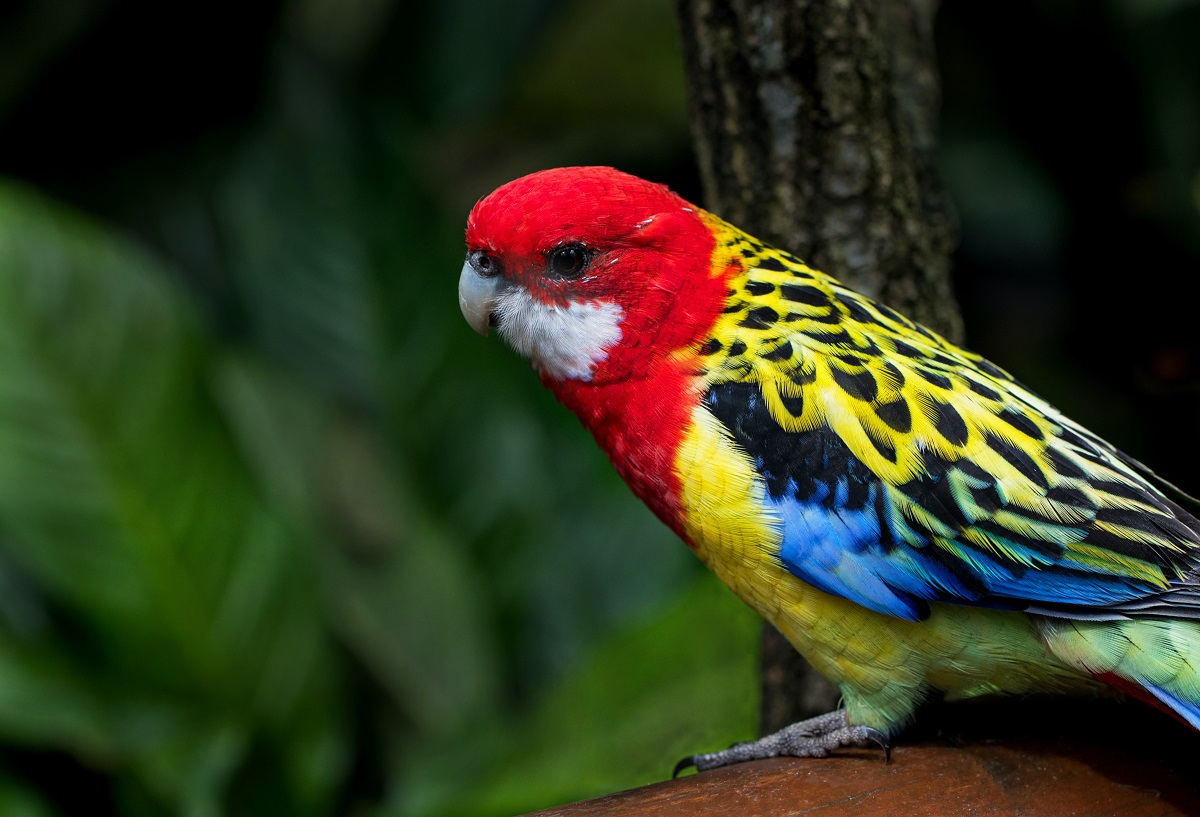
While both male and female Eastern Rosellas share the species’ signature vibrant plumage, subtle differences allow for visual sexing once the birds reach maturity and complete their first molt. Males typically exhibit brighter, more intense red coloration on their heads and chests. Their white cheek patches are often larger and more defined, and they may have a slightly broader beak and a more robust head shape. Females, conversely, tend to have slightly duller plumage overall, particularly in the red areas, and their white cheek patches might be less prominent. Their heads and beaks are generally smaller and more delicate. These distinctions, while helpful, can sometimes be ambiguous, especially with individual variations, making DNA sexing a more definitive method for breeders.
Adding another layer of complexity to identification, the Platycercus genus is known for its members’ ability to hybridize. It is not uncommon to encounter hybrid birds in areas where the ranges of different rosella species overlap. Notable examples include crosses between the Eastern Rosella and the Crimson Rosella (P. elegans), as well as with the Pale-headed Rosella (P. adscitus). These hybrid individuals can display unique and often stunning combinations of the parent species’ colors and patterns, occasionally leading to confusion for birdwatchers and researchers alike. Such natural hybridization underscores the close genetic relationship within the genus.
Geographic Distribution and Habitat Adaptation
The name "Eastern Rosella" accurately reflects its native range, which spans exclusively across Eastern and Southeastern Australia, including the island of Tasmania. This broad distribution encompasses diverse landscapes from the coastal regions to the Great Dividing Range.
Beyond its native shores, the Eastern Rosella has established itself as an introduced species in New Zealand. The presence of multiple populations there is attributed to a combination of factors, tracing back to early 20th-century events. A notable incident in 1910 involved a shipment of rosellas being released after entry was refused by the New Zealand Customs Department. Further populations arose from accidental escapes, such as 12 rosellas breaking free in Dunedin when their cage was destroyed. These instances highlight the capacity of the species to adapt and thrive in new environments, often with minimal human intervention following initial release. Today, established populations exist across both the North and South Islands of New Zealand, where they have successfully integrated into local ecosystems.
In their natural habitat, Eastern Rosellas display remarkable adaptability, favoring lightly wooded areas and forest edges. They are frequently observed in eucalyptus woodlands, open forests, savannahs, and even human-modified landscapes such as farmlands, orchards, urban parks, and suburban gardens. This preference for fragmented or open woodland contrasts with denser forest types. They thrive at moderate altitudes, typically up to 1,250 meters (4,100 feet), and show a strong preference for regions with ample rainfall or reliable water sources.
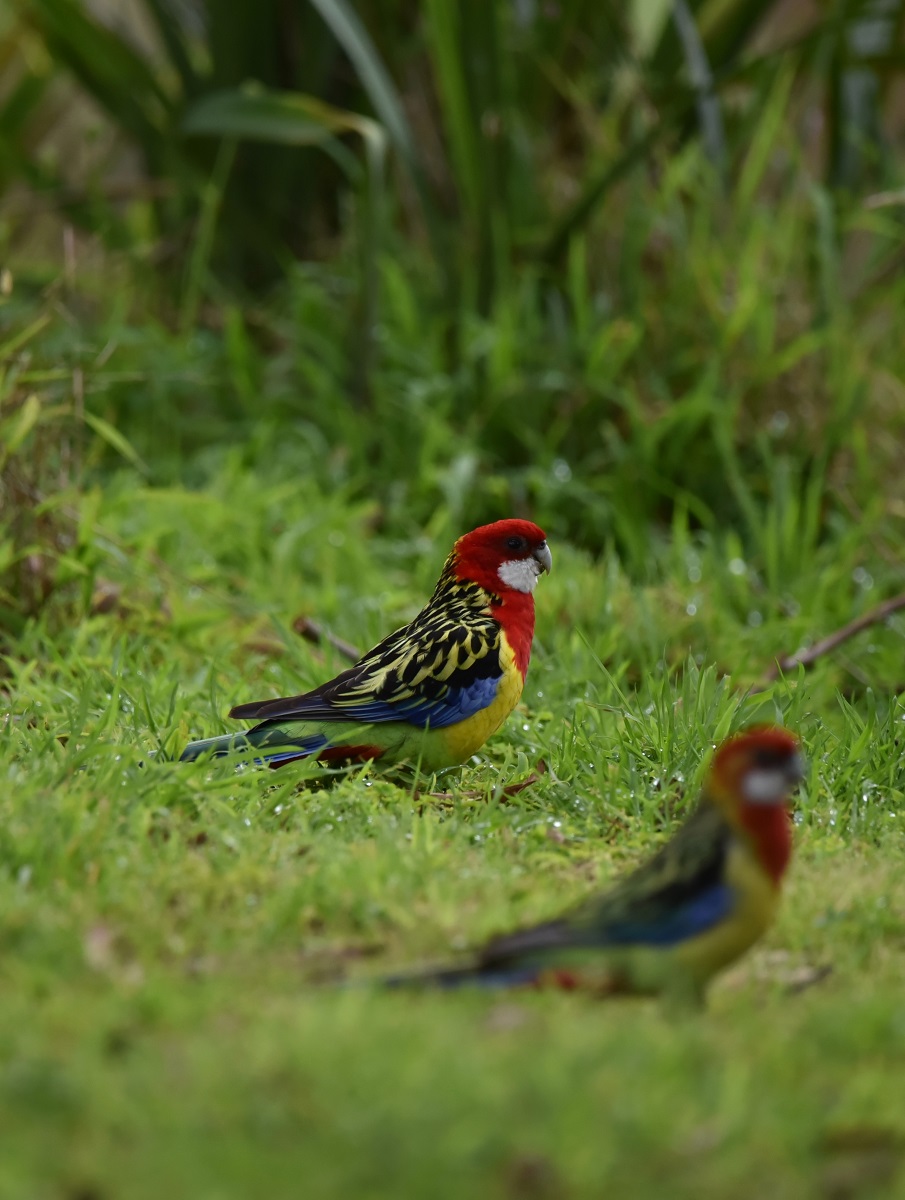
Wild Eastern Rosellas are typically encountered in pairs or small family groups, though larger flocks can congregate around abundant food sources. They are often seen foraging on the ground or in low shrubs, sometimes alongside other parrot and rosella species. Like many parrot species, they are obligate cavity nesters, relying on hollows in trees, often dead or decaying eucalypts, for breeding. Clutch sizes typically range from 4 to 8 white eggs, incubated for approximately 19-21 days, with chicks fledging about 30-35 days after hatching.
Conservation Status and Ecological Success
The International Union for Conservation of Nature (IUCN) Red List currently classifies the Eastern Rosella as a species of "Least Concern." This favorable assessment is attributed to its extensive natural range and a population trend that appears to be stable, if not increasing.
Ironically, the species’ success is significantly linked to human-induced habitat degradation. The conversion of native bushland for agricultural purposes, while detrimental to many specialist species, has inadvertently created ideal conditions for the Eastern Rosella. These birds readily exploit farmlands, which provide abundant food sources in the form of cultivated crops such as maize, wheat, and various grains. Their adaptability to disturbed landscapes, coupled with their varied diet, has allowed them to flourish where more sensitive species might decline. This resilience contrasts sharply with the precarious status of many other Australian parrots that are highly dependent on specific, undisturbed native habitats.
In New Zealand, their introduced status raises ecological considerations. While not currently listed as a significant pest or threat to native species on the scale of some other introduced mammals, their presence does introduce an additional competitor for food and nesting sites. Monitoring their long-term ecological impact remains an ongoing aspect of conservation management in New Zealand.
Dietary Habits: Wild Foraging to Captive Care
The diet of the Eastern Rosella in the wild is remarkably varied, reflecting its opportunistic nature. Their primary food source consists of seeds, with a particular fondness for thistle seeds. However, researchers have documented their consumption of a wide array of plant matter, including the seeds of grasses, herbs, and various shrubs. They are also avid consumers of fruits, such as wild berries and cultivated apples, as well as nectar, flowers, and flower buds. Supplementing their plant-based diet, Eastern Rosellas also forage for insects and their larvae, particularly during breeding season when extra protein is vital.
This dietary versatility has, however, brought them into conflict with human agricultural interests for centuries. In eastern Australia, Eastern Rosellas and their close relatives have long been regarded as agricultural pests due to their propensity for raiding orchards and grain fields, causing significant economic damage to harvests. Historical records indicate that farmers have sought measures to mitigate these losses for generations. Despite being protected under Australian wildlife laws, permits are still granted to farmers under specific circumstances, allowing for the culling of rosellas if substantial crop damage can be proven and all other non-lethal deterrents (such as netting, scare devices, or habitat modification) have been exhausted. This practice highlights the ongoing tension between wildlife conservation and agricultural productivity, with authorities attempting to balance ecological protection with economic realities. Conservation groups occasionally express concern over the scope and necessity of such permits, advocating for more robust non-lethal solutions.
In captivity, replicating such a diverse natural diet is crucial for the health and longevity of Eastern Rosellas. Veterinarians and avian nutritionists, including specialists like Dr. Daisy May at Psittacology, advocate for a foundational diet of high-quality, species-appropriate pellets. These formulated diets provide a balanced array of essential vitamins, minerals, and proteins that seeds alone cannot offer.
Complementing pellets, a daily offering of fresh produce is indispensable. Vegetables, especially leafy greens (kale, spinach, romaine), carrots, bell peppers, broccoli, and zucchini, should be provided daily. Fruits, such as apples, bananas, oranges, berries, and melon, can be offered a few times a week, ensuring variety and moderation due to their sugar content. Further dietary enrichment can include sprouted seeds, which are highly nutritious, cooked whole grains like brown rice and whole-wheat pasta, and small amounts of healthy treats such as millet sprays or unsalted nuts. Occasional protein boosts can be provided through boiled egg or freeze-dried mealworms, particularly beneficial during breeding or molting periods. Additionally, offering parrot-safe foraged items like clean, pesticide-free branches (e.g., eucalyptus, bottlebrush), weeds (dandelion, chickweed), and edible flowers (hibiscus, nasturtium) provides both nutritional benefits and vital mental stimulation.
The Eastern Rosella as a Companion Bird
Eastern Rosellas are among the more commonly kept parrot species in captivity, primarily valued for their stunning aesthetics and relatively manageable size. They are particularly popular as aviary birds, where their vibrant colors can be appreciated. However, their territorial nature means they are generally not suitable for cohabitation with smaller, more docile aviary birds like budgies, as they can become aggressive.
For those seeking an indoor companion, a well-socialized Eastern Rosella can be an excellent choice. They are typically described as fun, active, curious, and intelligent. While often more independent than some other parrot species, they are capable of forming strong bonds with their human caregivers and enjoy regular interaction. Their inquisitive nature means they require significant mental stimulation to prevent boredom and behavioral issues.
Housing and Enrichment for Captive Rosellas
Providing adequate housing is paramount for the well-being of a captive Eastern Rosella. The minimum cage length should be at least 1 meter (approximately 40 inches) to allow the bird sufficient space to stretch its wings and move comfortably. A larger cage, preferably an aviary if space permits, is always recommended to facilitate natural flight and exercise. The bar spacing of the cage should be no more than 1.25 centimeters (0.5 inches) to prevent escapes or injuries.
The cage environment must be enriched with a variety of elements to stimulate the bird’s mind and body. This includes:
- Toys: A diverse selection of parrot toys is essential, including chewing toys (made of wood, natural fibers), shreddable toys (paper, cardboard), foraging toys (to hide treats), and puzzle toys. Toys should be rotated regularly to maintain interest.
- Perches: Provide a range of natural perches of varying diameters and textures (e.g., branches from eucalyptus, fruit trees) to promote healthy foot circulation and prevent pressure sores. Avoid dowel perches as the sole option.
- Food and Water Bowls: Stainless steel or ceramic bowls are preferred for hygiene. Multiple water sources should be available, with fresh water provided daily.
- Lighting: Indoor rosellas benefit significantly from full-spectrum ultraviolet (UV) lighting, mimicking natural sunlight, which is crucial for vitamin D3 synthesis and overall health.
- Temperature and Humidity: Maintain a comfortable room temperature, avoiding extreme fluctuations. Rosellas also appreciate opportunities for bathing, whether through a shallow water dish or misting with a spray bottle.
Beyond physical objects, mental enrichment is vital for such intelligent birds. This includes:
- Foraging Opportunities: Hiding food in various locations or using foraging toys encourages natural problem-solving behaviors.
- Training: Positive reinforcement training can teach commands, tricks, and even improve social interaction. Target training is a popular method.
- Social Interaction: Daily dedicated time for interaction with their human flock is crucial. This can involve talking, playing, or simply being in the same room.
- Out-of-Cage Time: Supervised time outside the cage in a bird-proofed room allows for greater exercise and exploration.
Vocalizations and Talking Ability
Compared to many larger parrot species, Eastern Rosellas are not typically considered excessively loud, making them potentially suitable for apartment living, provided walls are not unusually thin. Their vocal repertoire primarily consists of melodic whistles, cheerful cheeps, and distinct chatter, rather than the ear-piercing flock calls associated with some other parrots. Recordings of their diverse calls can be explored on platforms like Xeno-Canto.
While not among the most prolific talkers in the parrot world, Eastern Rosellas do possess the ability to mimic sounds. With patience and consistent training, an Eastern Rosella may learn to imitate household noises, short phrases, or even simple tunes. Their talking ability is generally more limited than species like African Greys or Amazon parrots, but their charming whistles and ability to mimic common sounds can be highly entertaining.
Safety and Long-Term Commitment
Owning an Eastern Rosella, like any parrot, is a significant long-term commitment. With a lifespan of 20-30 years, these birds require dedicated care for decades. Their curious nature and relatively delicate physiology mean that safety is paramount. Any living space accessible to a rosella must be thoroughly parrot-proofed to eliminate hazards such as toxic plants, open windows, hot stoves, or small ingestible objects. Owners should also familiarize themselves with basic parrot emergency care protocols and have access to an avian veterinarian for regular check-ups and urgent situations.
In conclusion, the Eastern Rosella is a remarkable species, celebrated for its stunning appearance and impressive adaptability. From its vibrant presence in the Australian bush and its introduced populations in New Zealand to its role as a cherished companion bird, it embodies both the beauty and the complexity of avian life. Understanding its natural history, ecological interactions, and specific care requirements is essential for its continued well-being, both in the wild and in human care.

