


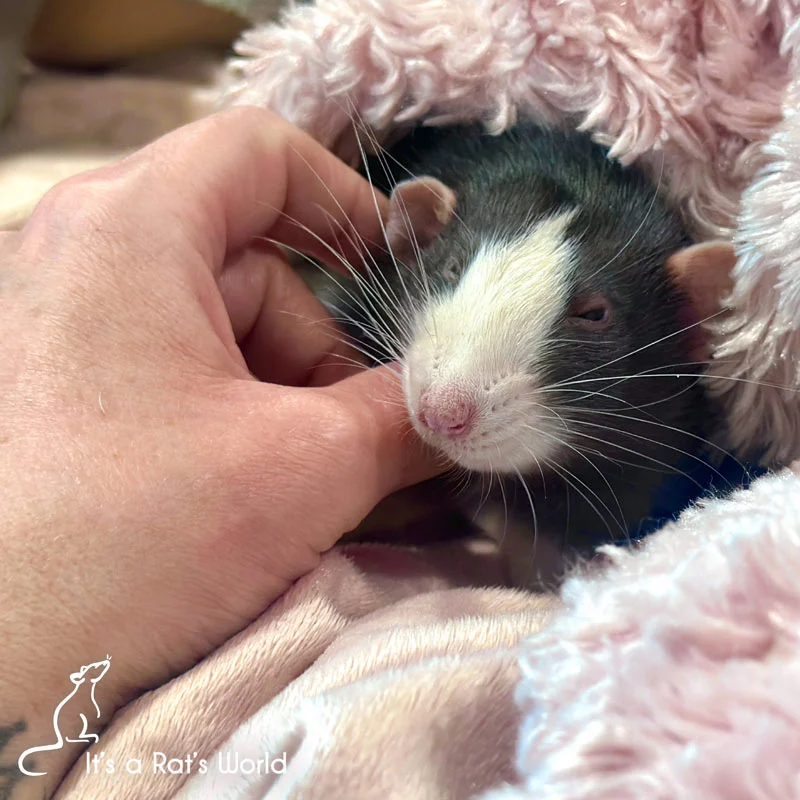
The gentle touch of soft fur, the delicate brush of whiskers, and the velvety texture of ears can offer profound moments of relaxation and connection, not just for humans but for their beloved rat companions as well. Petting animals, particularly domesticated rats, is far more than a simple act of affection; it is a practice rooted in the science of animal-human interaction, offering tangible therapeutic benefits that can significantly enhance the well-being of both species. This exploration delves into the nuances of petting rats, from understanding their tactile preferences to the science-backed advantages of this intimate form of bonding.
The Therapeutic Power of Tactile Interaction
The human-animal bond is a well-documented phenomenon, with numerous studies highlighting the positive physiological and psychological effects of interacting with animals. Pet therapy, or Animal-Assisted Therapy (AAT), has gained significant recognition for its ability to reduce stress, lower blood pressure, decrease feelings of loneliness, and improve overall mood. For rat owners, the act of petting their small companions can be a particularly effective form of stress relief. The repetitive motion of stroking fur, the warmth of their bodies, and their quiet presence can create a calming effect, facilitating a state of mindfulness and decompression.
This reciprocal relationship extends to the animals themselves. Rats, being highly social and tactile creatures, often thrive on physical interaction. When a rat is petted, their body can release oxytocin, often referred to as the "love hormone," which promotes bonding and reduces stress. Conversely, a lack of appropriate tactile stimulation can lead to stress and behavioral issues in rats. Understanding their unique communication signals and preferences is key to ensuring these interactions are mutually beneficial.

Do Rats Enjoy Being Handled and Petted? Deciphering Their Signals
For individuals new to rat ownership, the prospect of handling and petting these often-misunderstood creatures can seem daunting. Initial encounters might reveal a skittish or jumpy demeanor, leading to questions about whether rats genuinely enjoy being petted. The consensus among experienced rat keepers and animal behaviorists is a resounding yes, with the caveat that individual preferences vary greatly.
Rats, both wild and domestic, are inherently tactile. They regularly engage in physical interactions with their conspecifics, using touch for communication, social bonding, and grooming. This innate need for physical contact often translates into a desire for affection from their human caretakers. When a rat feels comfortable and content, they may exhibit specific behaviors that indicate pleasure. These can include "bruxing," a rhythmic grinding of their teeth that is often accompanied by a soft chattering sound, and "boggling," where their eyes vibrate rapidly, sometimes appearing to pop out slightly. These are considered rat equivalents of purring in cats, signaling deep contentment and relaxation.
However, it is crucial to recognize that not all rats will immediately embrace being petted. Some may be naturally more timid, while others may have had negative experiences in the past. For these individuals, building trust is paramount. Patience, gentle handling, and a consistent approach are essential. Ignoring a rat’s cues to disengage, such as squirming, pulling away, or attempting to escape, can be counterproductive and erode trust. Understanding their body language and respecting their personal space are foundational to developing a positive petting relationship.
The Art of Petting: Navigating Rat Preferences
The journey to understanding how to pet a rat is an exploration of their individual personalities and tactile sensitivities. While general areas of enjoyment can be identified, each rat possesses unique preferences. Owners must become keen observers, learning to interpret their rat’s responses to different types of touch and in various locations.

Preferred Petting Zones: A Comprehensive Look
Rats generally respond well to being petted in a variety of areas. These commonly include:
- The Head and Face: Gentle strokes along the bridge of the nose, between the eyes, and behind the ears are often well-received. This area is rich in sensory receptors, and many rats enjoy soft scritches here. When petting the face, it’s advisable to use one or two fingers and move in the direction of the whiskers. Delicate touches around the eyes, especially if they are closed, can also be comforting.
- The Back and Shoulders: The entire length of the back, from the base of the tail to the shoulders, is a common area for petting. Owners can run their fingers through the fur or use long, smooth strokes. Even hairless rats can enjoy this type of touch, with owners approximating a gentle massage on the skin.
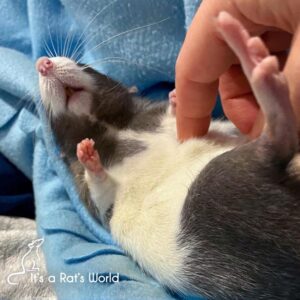
- The Stomach: While some rats are more sensitive about their undersides, many find tummy rubs to be incredibly enjoyable. This is often a sign of deep trust, as exposing their vulnerable belly is a significant gesture of comfort.
- Ears and Feet: The small, delicate ears and paws can also be areas of pleasure. Gently massaging these with a thumb and forefinger can be a delightful experience for a rat.
- Tail: The tail, while sometimes overlooked, can also be a site for affectionate touch. Gently gliding fingertips from the base of the tail to the tip, repeatedly, can be calming. It’s important to note that petting the tail should always be done in the direction of hair growth, as going against it can be uncomfortable.
Recognizing Signals of Discomfort
Just as rats communicate pleasure, they also convey when they are not enjoying a particular type of touch or when they simply wish to cease interaction. These signals are crucial to acknowledge and respect:
- Withdrawal: A rat may subtly shift their body away or actively pull away from your hand.
- Vocalization: While not always overt, some rats might emit soft squeaks or hisses when displeased.
- Tensing: Their body might become rigid or tense up under your touch.
- Biting or Nibbling: In more extreme cases, a rat might nip or bite to signal their strong desire to be left alone. This is usually a last resort and indicates that prior signals were ignored.
- Pushing: Some rats will use their tiny hands to gently push your fingers away. While this can feel a bit disappointing to the owner, it’s a clear indication of their boundary.
Tailoring the Touch: Different Strokes for Different Folks
The texture and pressure of petting can also significantly impact a rat’s enjoyment. Experimentation is key to discovering what your individual rat prefers.
- Light Scritches: Gentle, light strokes, particularly on the head and face, can be very soothing.
- Smooth Strokes: Long, flowing strokes along the back can mimic grooming and provide a sense of calm.
- Deep Tissue Massage: For some rats, a more vigorous massage, especially on the back and shoulders, can be deeply relaxing. This is often best applied when the rat is already in a relaxed state, perhaps "pancaking" – lying completely flat and stretched out.
- Fingertip Grazing: Lightly running fingertips over areas like the forehead or back can be a subtle yet appreciated form of affection.
The Science Behind the Affection: Physiological and Psychological Benefits
The positive impact of petting animals is not merely anecdotal; it is supported by a growing body of scientific research. Studies have consistently shown that interacting with pets can lead to a significant reduction in stress hormones like cortisol. This physiological response includes a decrease in heart rate and blood pressure, promoting a state of relaxation.

Furthermore, the act of petting can stimulate the release of endorphins, neurotransmitters that act as natural mood boosters and pain relievers. For individuals experiencing anxiety, depression, or loneliness, these interactions can provide a much-needed sense of comfort and connection. The consistent, non-judgmental affection offered by a pet can be particularly beneficial for those who may struggle with social interactions.
The benefits are also observed in the animals. For rats, regular, positive tactile interaction can:
- Reduce Stress and Anxiety: A calm and trusting environment, fostered by gentle handling, can help rats feel secure.
- Improve Socialization: Consistent positive interactions with humans can help shy rats become more confident and social.
- Enhance Physical Health: Reduced stress can contribute to a stronger immune system and overall better health.
- Strengthen the Bond: The more time spent in positive physical contact, the deeper the bond between rat and owner becomes.
Building Trust and Overcoming Challenges
For new rat owners, or those with rats who are initially fearful, building trust is a gradual process. The article "Helping A Scared Pet Rat" offers valuable insights into earning a rat’s confidence. Key strategies include:
- Slow and Steady Introductions: Allow the rat to become accustomed to your presence and scent before attempting to handle them.
- Positive Reinforcement: Associate your presence and touch with positive experiences, such as offering tasty treats.
- Respecting Boundaries: Never force interaction. Allow the rat to approach you on their own terms.
- Consistent Routine: Predictable interactions can help rats feel more secure.
Similarly, understanding and respecting a rat’s personal space is crucial. The article "Honoring Your Rat’s Personal Space" emphasizes the importance of recognizing their cues and preferences. This includes understanding that a rat’s mood can change rapidly, and they may be receptive to petting one moment and not the next. Jealousy can even play a role; observing rats pushing each other aside to get attention is not uncommon, highlighting their desire for individual affection.
The Long-Term Implications: Bonding and Well-being
The time invested in learning to pet your rats, understanding their unique personalities, and respecting their boundaries yields significant rewards. This dedicated attention fosters a deep and lasting bond, built on trust and mutual understanding. As rats become more comfortable and accustomed to your touch, they will likely seek out your company and enjoy extended petting sessions, sometimes even falling asleep in your lap, a testament to their feeling of security and contentment.
These quiet moments of shared tranquility are not only beneficial for the rat but also for the human. In a world often characterized by rapid change and constant demands, these instances of mindful connection offer a sanctuary of peace. The ability to de-stress, find solace, and experience unconditional affection from a small, furry companion is an invaluable aspect of rat ownership.
In conclusion, the act of petting rats is a nuanced art form guided by the science of animal behavior. By observing, learning, and respecting their individual preferences, owners can unlock a powerful avenue for enhancing their rats’ well-being, strengthening their bond, and experiencing the profound therapeutic benefits that come from truly connecting with these intelligent and affectionate creatures. The journey of discovery in understanding a rat’s tactile world is a rewarding one, offering a unique pathway to a deeper appreciation of the human-animal connection.

