


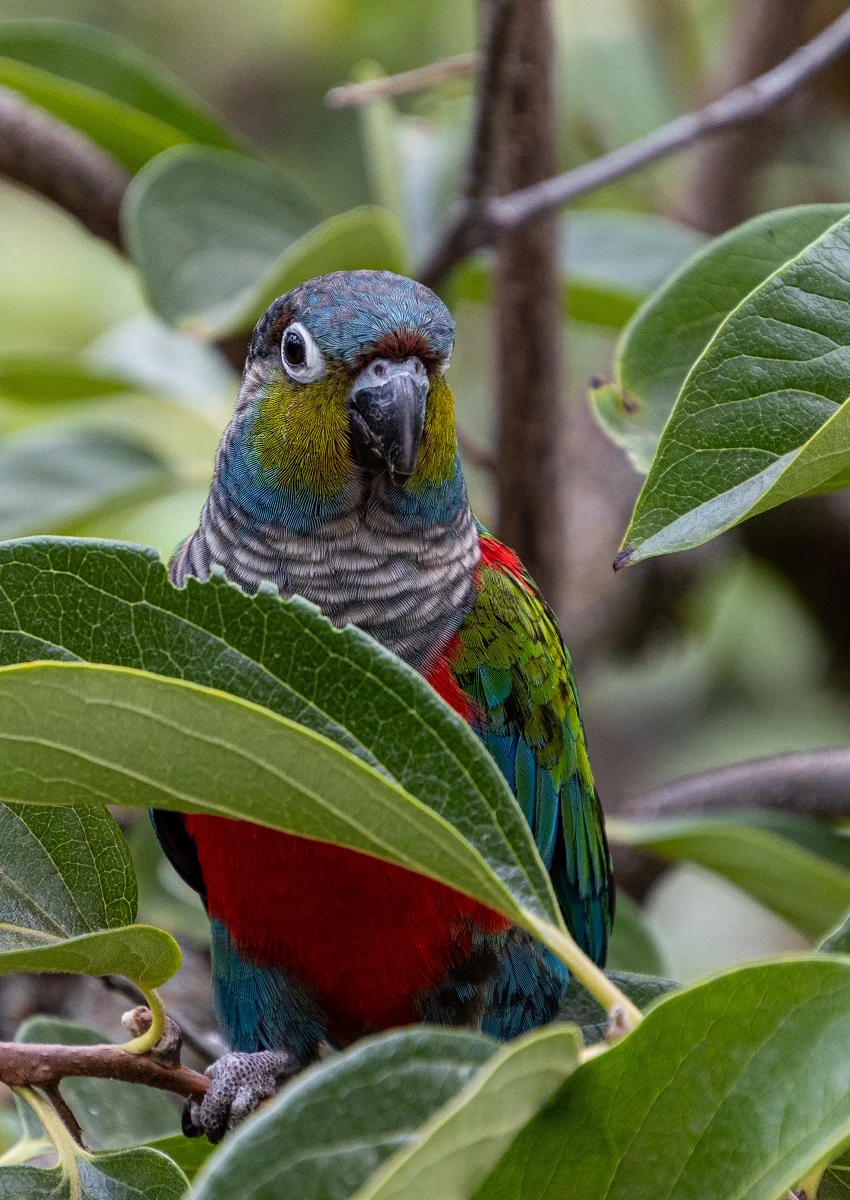
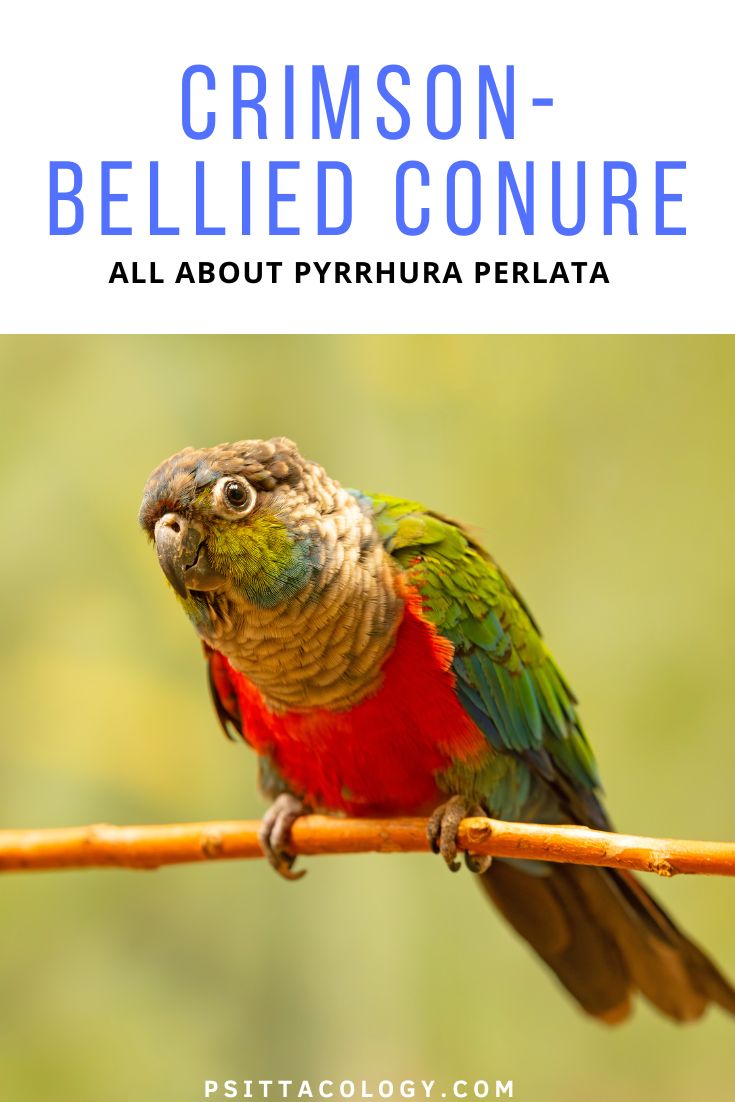
The crimson-bellied conure, known scientifically as Pyrrhura perlata, stands out as a captivating small parrot species, often sought after by avian enthusiasts for its vibrant coloration and engaging personality. Characterized by its clownish yet friendly demeanor, this South American native presents a unique blend of charm and vivacity, making it a potentially rewarding, albeit demanding, addition to a household. Prospective owners are advised to undertake thorough research to understand the comprehensive care requirements of these long-lived birds.
Species Overview and Identification
The crimson-bellied conure is a distinctive member of the Pyrrhura genus, also sometimes referred to as the crimson-bellied parakeet. Originating from the lush Brazilian Amazon basin and extending into northern Bolivia, these birds typically reach an adult size of up to 10 inches (25 cm) in length and weigh approximately 90 grams. Their lifespan is notable, often exceeding 20 years in captivity with proper care, underscoring the significant long-term commitment required for their ownership. While their noise level is generally categorized as low to medium compared to some larger parrot species, their vocalizations can still be prominent when excited or distressed.
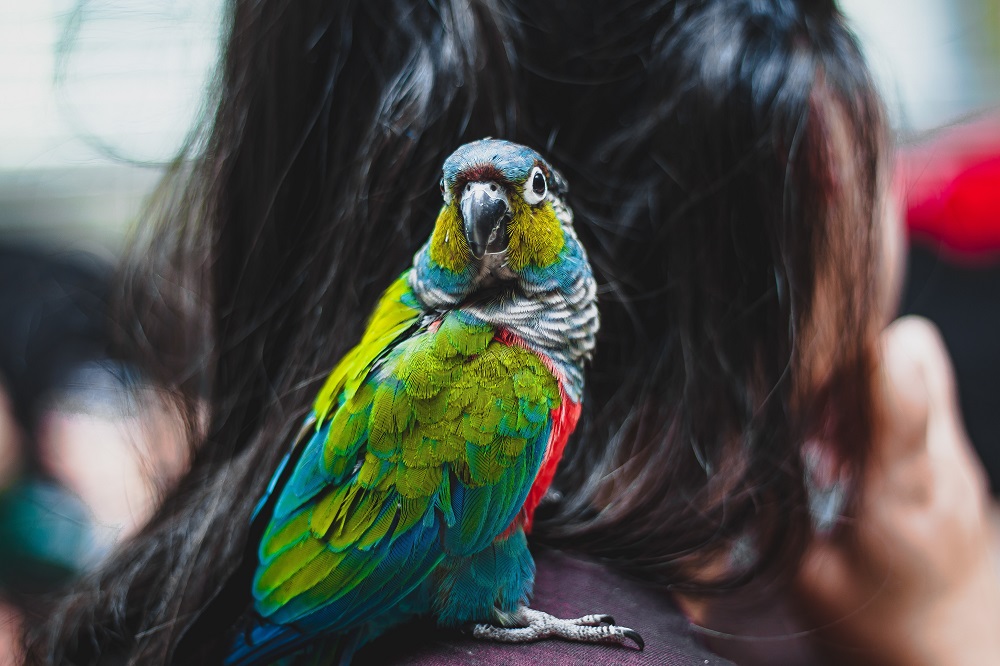
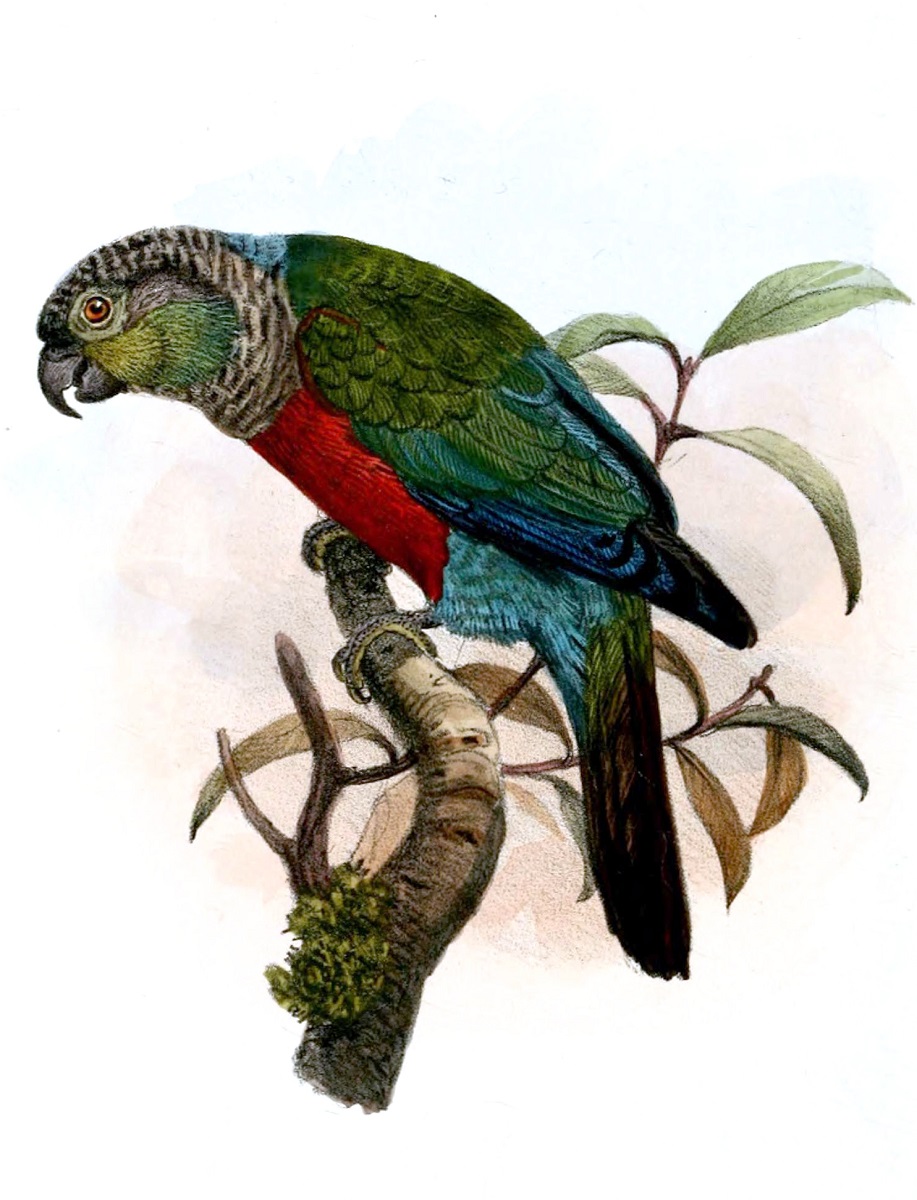
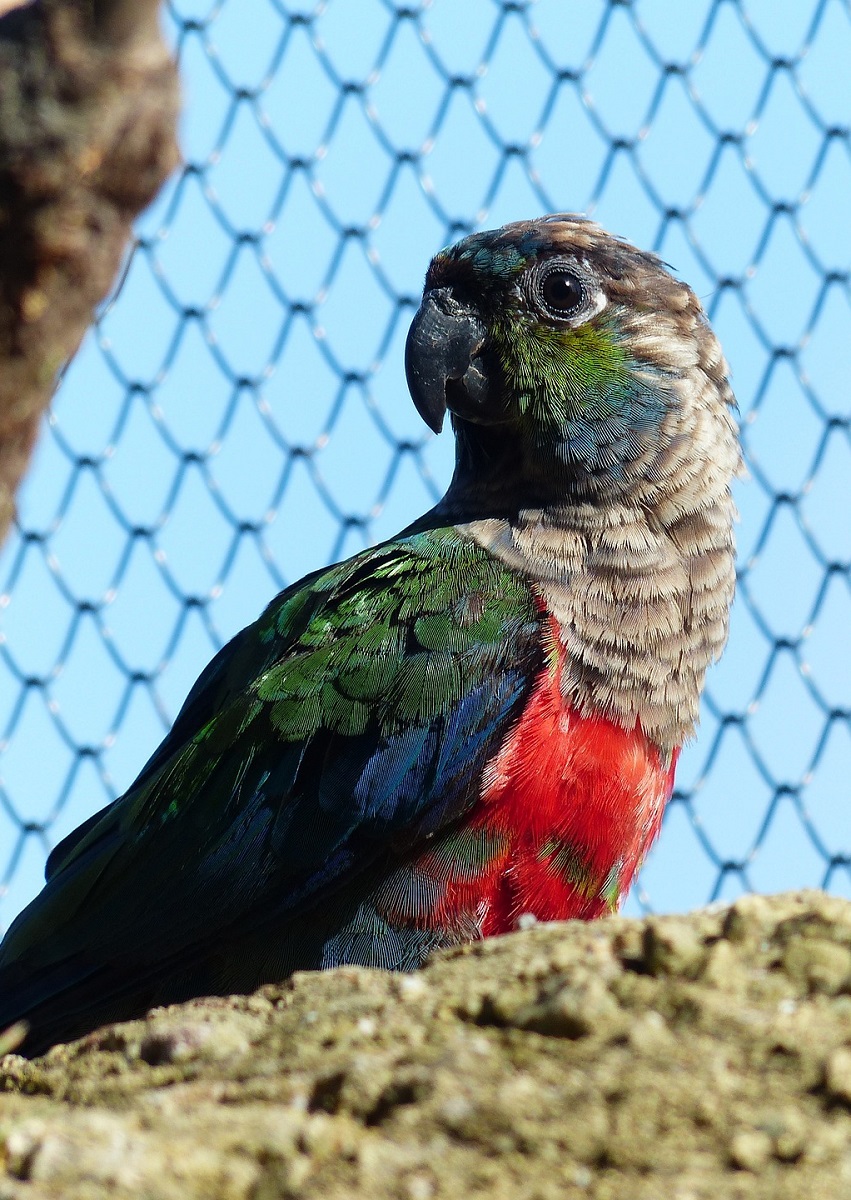
Visually, the crimson-bellied conure is an avian spectacle. As its name explicitly indicates, the most striking feature is its remarkably vibrant, deep red belly, which develops fully over the first year of life. Beyond this central hue, the plumage offers a rich tapestry of colors: a dark green back, a blue crown that transitions to green on the nape, and a chestnut-brown chest adorned with pale scalloping. The wings are predominantly green, often displaying blue primaries, while the long, tapered tail is a dark maroon. White eye rings provide a sharp contrast against their dark eyes, complemented by a distinctive black beak. Notably, there is no visible sexual dimorphism, meaning males and females appear identical, often requiring DNA testing for definitive sex determination. This exquisite coloration serves not only as a visual identifier but also likely plays a role in mate attraction and camouflage within their verdant natural habitat.
Natural Habitat and Conservation Status
The geographical distribution of the crimson-bellied conure is concentrated within the central South American tropics. The primary range encompasses the Brazilian Amazon Basin, particularly within the state of Rondônia, with its habitat extending northwest into northern Bolivia. These regions are characterized by dense, humid rainforests, specifically the terra firme forests, which are non-seasonally flooded ecosystems. Pyrrhura perlata exhibits adaptability within these environments, inhabiting both the dense interior of primary forests and the more disturbed edges, as well as areas of secondary growth. This flexibility might contribute to their current conservation status.
In their natural environment, crimson-bellied conures are typically observed traveling in small, cohesive flocks, a common social behavior among parrot species. These flocks often engage in mixed-species foraging, occasionally associating with other conure species, such as the painted conure (Pyrrhura picta), demonstrating interspecific tolerance. Nesting activities primarily occur in hollow tree cavities, providing natural protection for their eggs and fledglings.
Despite ongoing environmental pressures, the International Union for Conservation of Nature (IUCN) Red List currently classifies Pyrrhura perlata as a species of "Least Concern." However, this assessment is accompanied by a critical note: the population trend is identified as decreasing. The primary threats to the species are habitat destruction through deforestation and, to a lesser extent, hunting. The Amazon rainforest, a global biodiversity hotspot, faces relentless pressure from agricultural expansion (particularly cattle ranching and soy cultivation), logging, mining, and infrastructure development. Between 2000 and 2019, Brazil alone lost an average of 1.2 million hectares of primary forest annually, a rate that has fluctuated but continues to pose a significant threat to forest-dependent species. While Pyrrhura perlata is not currently listed under CITES Appendix I, all Pyrrhura species are included in Appendix II, which regulates international trade to prevent over-exploitation. Conservation efforts in the region are crucial, involving the establishment of protected areas, sustainable land management practices, and initiatives to combat illegal deforestation and wildlife trade. The long-term viability of the crimson-bellied conure population hinges on effective strategies to mitigate these pervasive threats.
Dietary Habits: Wild vs. Captive
The diverse and rich ecosystems of the Amazon provide a varied diet for wild crimson-bellied conures, reflecting their opportunistic foraging strategies. Observations indicate that their diet primarily consists of wild figs and a wide array of other fruits, which supply essential sugars, vitamins, and hydration. Beyond fruits, they are known to consume flowers and catkins, which offer additional nutritional components like nectar and pollen. A fascinating aspect of their wild diet is their visitation to clay licks. At these sites, parrots ingest mineral-rich soil, a behavior believed to serve multiple physiological purposes: neutralizing plant toxins ingested from their diet and supplementing essential micronutrients and minerals often lacking in a purely fruit-based diet. This natural behavior highlights their need for a balanced intake of diverse elements.
For captive crimson-bellied conures, replicating this nutritional diversity is paramount for their health and longevity. Avian veterinarians, including Psittacology’s resident expert Dr. Daisy, strongly advocate against a primary seed-based diet. While seeds are calorie-dense, they are often deficient in crucial vitamins (like Vitamin A) and minerals, and high in fat, leading to common issues such as malnutrition, obesity, and fatty liver disease in parrots.
Instead, a high-quality, nutritionally complete pelleted diet should form the cornerstone of a captive conure’s daily intake. These pellets are formulated to provide a balanced array of nutrients, mimicking the complex dietary needs of parrots. Supplementing pellets with fresh produce is vital. Daily servings of fresh vegetables such as leafy greens (kale, spinach, romaine), bell peppers, carrots, broccoli, and zucchini should be offered. Regularly, a variety of fresh fruits like apples (seeds removed), berries, melon, papaya, and mango can be provided in moderation due to their higher sugar content. Additionally, cooked whole grains such as brown rice, quinoa, and oats can be offered as healthy additions. Foraged, pesticide-free grasses and branches from safe trees (e.g., willow, apple, citrus) can also provide both nutritional benefits and enrichment. Occasional treats, such as a few sunflower seeds or nuts, can be used for training or as rewards but should never constitute a significant portion of the diet. Consistent access to fresh, clean water from multiple sources (e.g., bowl and bottle) is non-negotiable. A healthy and varied diet is the single most critical factor in ensuring a parrot’s well-being and extended lifespan, necessitating careful attention to food choices and preparation.
Housing and Environmental Enrichment
Despite their relatively small stature, crimson-bellied conures are highly active and intelligent birds requiring substantial space to thrive physically and mentally. A minimum cage size of 36 inches (90 cm) wide is recommended, but ideally, owners should provide the largest enclosure possible. For birds that cannot spend the majority of their waking hours flying freely outside the cage, an indoor aviary setup is the most suitable option, allowing for extensive flight and exercise. Inadequate space can lead to a sedentary lifestyle, contributing to obesity, muscle atrophy, and behavioral issues.
The cage interior must be thoughtfully furnished to promote physical health and provide mental stimulation. A variety of natural wood perches of varying diameters (e.g., java, manzanita, dragonwood) is crucial. Unlike uniform dowel perches, natural branches allow for different grip pressures, preventing foot problems like bumblefoot and promoting foot health. Plastic perches should be avoided due to their rigidity and lack of texture. The cage should also include food and water dishes, preferably stainless steel, which are easy to clean and sanitize.
Enrichment is paramount for all parrots, and crimson-bellied conures are no exception. These intelligent creatures require constant mental stimulation to prevent boredom, which can manifest in undesirable behaviors such as excessive screaming, feather plucking, aggression, and destructive tendencies. Owners must commit to providing a dynamic and stimulating environment through various methods:
- Foraging Opportunities: Mimic their natural foraging behaviors by hiding food in foraging toys, cardboard tubes, or crumpled paper within the cage. This encourages problem-solving and extends feeding time.
- Chew Toys: Conures possess strong beaks and a natural urge to chew. Provide a constant supply of safe, destructible toys made from natural wood, paper, cardboard, or non-toxic leather. This satisfies their chewing instincts and helps keep their beaks trimmed.
- Puzzle Toys: Offer toys that require manipulation to access a reward, challenging their cognitive abilities.
- Social Interaction: Daily interaction with human family members is crucial. This can include talking, playing, training sessions using positive reinforcement, and gentle handling. If possible, consider housing them with a compatible conspecific (another crimson-bellied conure) to fulfill their social needs, provided adequate space and resources are available for both.
- Bathing Opportunities: Provide a shallow dish of fresh water or a bird bath for daily bathing, which is vital for feather health and hygiene. Many conures also enjoy misting with a spray bottle.
- Out-of-Cage Time: Supervised time outside the cage for exploration and flight is essential. The room must be thoroughly "parrot-proofed" to eliminate hazards such as open windows, toxic plants, chemicals, hot surfaces, and exposed electrical wires.
Temperature and humidity also play a role in their well-being. Hailing from a tropical environment, they thrive in temperatures between 70-80°F (21-27°C) and moderate to high humidity. A humidifier can be beneficial in drier climates, especially during winter months. Full-spectrum lighting, including UVB and UVA, is also recommended for indoor birds to aid in vitamin D synthesis and overall psychological health.

Temperament and Socialization
Conures belonging to the Pyrrhura genus are renowned for their engaging personalities, making them popular choices as companion birds. While green-cheeked conures (Pyrrhura molinae) are more commonly encountered, crimson-bellied conures also possess a unique charm that endears them to the right owners. They are often described as "lovable rogues" – a testament to their blend of playful mischief and affectionate loyalty.
A well-socialized crimson-bellied conure is typically outgoing, curious, and highly interactive. They thrive on attention and will often seek out their human companions, readily perching on shoulders or snuggling for head scratches. Their clownish antics and inquisitive nature can provide endless entertainment. However, this inquisitiveness also means they are prone to getting into mischief, often testing boundaries and exploring their environment with their beaks. Owners should anticipate that some belongings may fall victim to their chewing tendencies, underscoring the importance of providing appropriate chew toys and parrot-proofing the home.
Early and consistent socialization is key to developing a well-adjusted conure. This involves gentle handling from a young age, exposure to various sights and sounds, and positive reinforcement training. Training can help establish a strong bond and teach essential commands, such as step-up, recall, and stationing, which are invaluable for safety and management. While they are generally friendly, like all parrots, they can exhibit occasional nipping, especially during hormonal periods or if they feel threatened or overstimulated. Understanding their body language and respecting their boundaries are crucial for building trust.
Living with a crimson-bellied conure means embracing a certain level of delightful chaos. Their energetic nature and need for interaction make them unsuitable for owners seeking a quiet, hands-off pet. However, for those who appreciate their vibrant personalities and are prepared for a long-term, interactive relationship, these birds can become incredibly devoted and entertaining companions for decades. As with any pet, it is prudent to be prepared for unforeseen circumstances; familiarizing oneself with basic parrot emergency care is always a responsible step.
Vocalization and Communication
When considering a parrot as a pet, understanding its vocalization habits is essential. Among conures, crimson-bellied conures are not considered the loudest, particularly when compared to species like the Sun Conure (Aratinga solstitialis). However, to categorize any parrot as "quiet" would be misleading. While they may not possess the ear-splitting decibels of some larger or more boisterous species, they are by no means silent.
Crimson-bellied conures utilize a range of vocalizations for communication. These include soft chirps and chattering sounds, often indicative of contentment or general activity. However, when excited, alarmed, or seeking attention, they can emit loud, piercing screams. These screams are a natural part of their communication repertoire and can be quite startling to those unfamiliar with parrot vocalizations. The frequency and intensity of these screams can vary depending on the individual bird’s personality, environment, and level of enrichment. A bored, lonely, or anxious bird is more likely to engage in excessive screaming as a cry for attention or an expression of distress.
Prospective owners are strongly encouraged to experience the vocalizations of crimson-bellied conures firsthand before committing to adoption. Resources like xeno-canto.org offer recordings of Pyrrhura perlata calls, providing an auditory preview. Visiting a breeder or an owner of a crimson-bellied conure can offer an even more realistic assessment of their typical noise levels within a home environment.
Regarding mimicry and speech, Pyrrhura conures, including the crimson-bellied species, are not renowned for their talking abilities. While most parrots possess the anatomical capacity for vocal imitation, their aptitude varies greatly by species. Crimson-bellied conures are generally not considered talented talkers, and many individuals may never learn to articulate human words or phrases. However, they often display a remarkable ability to mimic household sounds, such as telephone rings, microwave beeps, or even animal noises. This imitation, while not speech, still demonstrates their intelligence and keen observational skills. Owners should adopt a crimson-bellied conure for its personality and companionship, not with the expectation of a talking bird.
Health, Longevity, and Responsible Ownership
The prospect of sharing life with a crimson-bellied conure is a commitment that spans decades. With optimal care, including a balanced diet, stimulating environment, regular veterinary check-ups, and a loving home, these birds can readily live for 20 years or more. This extended lifespan necessitates a thorough understanding of their potential health issues and the financial and emotional responsibilities involved.
Common health concerns in parrots can include Psittacine Beak and Feather Disease (PBFD), Polyomavirus, bacterial or fungal infections, and issues stemming from improper nutrition, such as fatty liver disease or vitamin deficiencies. Regular visits to an avian veterinarian, typically annually for well-bird checks, are crucial for early detection and prevention of diseases. Owners should also be vigilant for signs of illness, which can be subtle in parrots, including changes in appetite, droppings, feather condition, posture, or activity levels.
Responsible ownership extends beyond daily care. Given their long lifespan, planning for the bird’s future is a critical consideration. This includes identifying trusted individuals or organizations who could care for the conure should the owner become unable to. Furthermore, ethical sourcing of birds is paramount. Prospective owners should always seek out reputable breeders who prioritize the health and welfare of their birds, ensuring they are not contributing to the illegal wildlife trade. Adopting from rescue organizations is another excellent option, offering a second chance to birds in need.
In conclusion, the crimson-bellied conure is a magnificent, intelligent, and affectionate bird that can bring immense joy to a household. However, their specific needs for a large, enriching environment, a specialized diet, and consistent social interaction, coupled with their long lifespan, demand a dedicated and informed owner. Those prepared for this decades-long journey will find a loyal, colorful, and endlessly entertaining companion in the "clownish" yet endearing crimson-bellied conure.

