


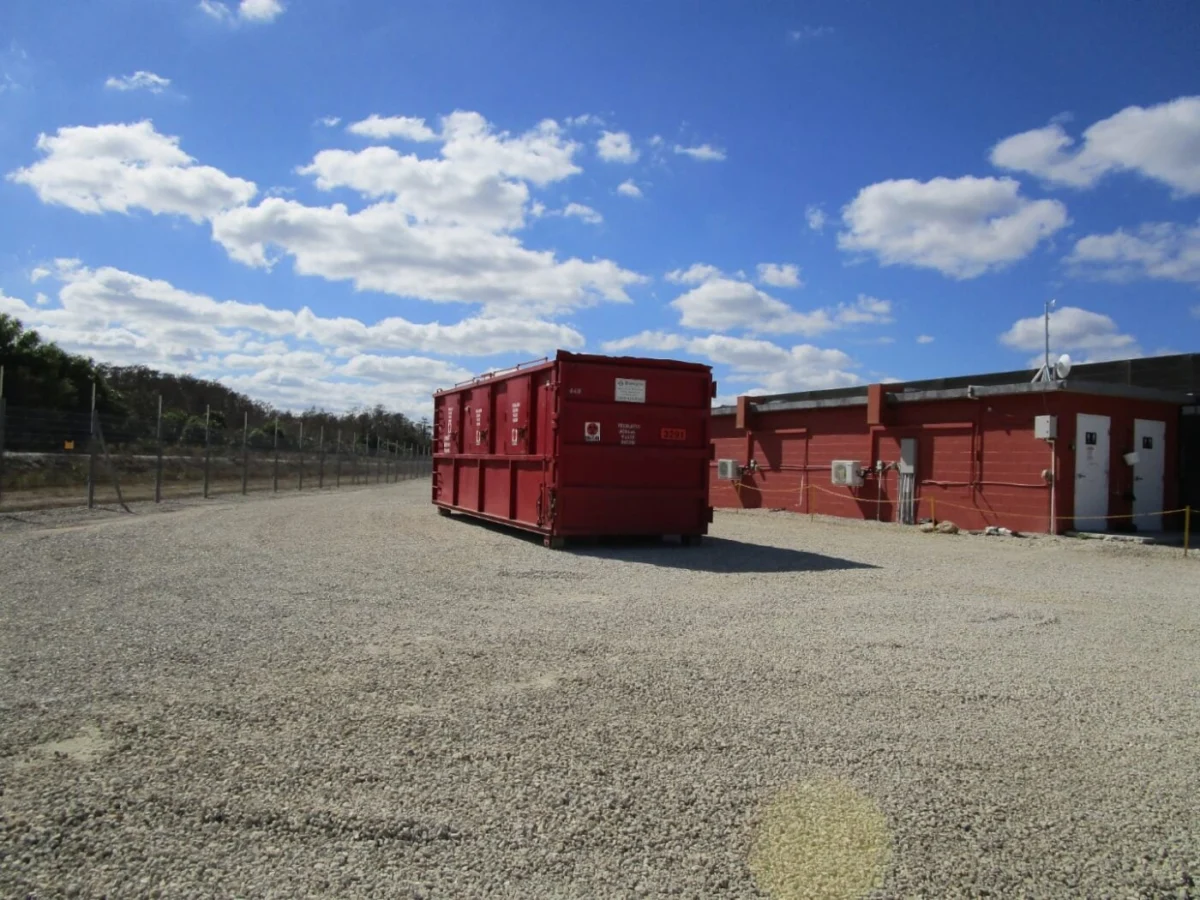
The Florida Fish and Wildlife Conservation Commission (FWC) has filed a formal criminal charge against Mark Moshe Bushmitz, the president of the Immokalee-based primate importation firm BC US, following a series of regulatory failures that resulted in a laboratory-bound monkey being discarded in a biohazard dumpster. The legal action, classified as a second-degree misdemeanor for the escape of wildlife, follows an investigation into a January incident where a newly imported primate remained missing for five days before being discovered at a waste processing facility. This development marks a significant escalation in the scrutiny of Florida’s primate importation industry, which serves as a primary gateway for animals destined for biomedical research across the United States.
According to state records and investigative reports, the incident began when a shipment of monkeys arrived at the BC US facility after a 28-hour international flight. While the animals were intended to be transferred into a secure quarantine environment—a protocol mandated by the Centers for Disease Control and Prevention (CDC) to prevent the spread of zoonotic diseases—one primate was inadvertently placed into a biomedical waste container. The error went unnoticed by facility staff for nearly a week. The dumpster, owned by the medical waste management company Stericycle, was eventually collected and transported from the Immokalee site to a facility in Miami. It was only upon the arrival of the waste at the Miami location that the live monkey was discovered, having survived five days without food or water in a dark, confined space filled with hazardous materials.
The criminal charge against Bushmitz carries a potential penalty of up to 60 days in jail and a fine of $500. While the legal repercussions are currently limited to a misdemeanor, the incident has sparked a broader debate regarding the oversight of primate importers and the potential risks to public health. Organizations such as People for the Ethical Treatment of Animals (PETA) have formally petitioned the FWC to revoke the wildlife permit held by BC US, arguing that the company’s repeated failure to maintain secure containment and provide basic care constitutes a threat to the community.
Detailed Chronology of the Incident
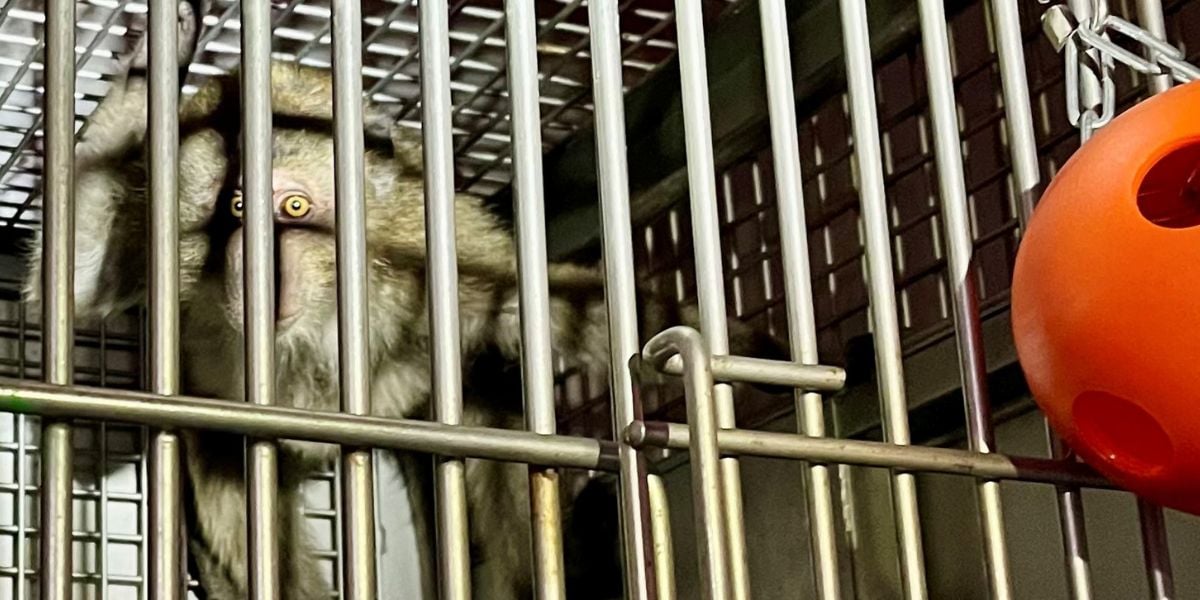
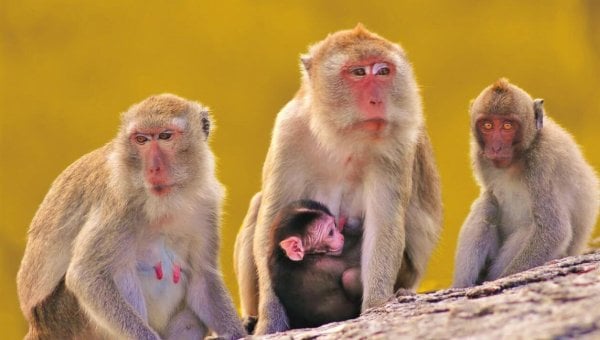
The timeline of the event illustrates a significant breakdown in operational protocols at the BC US facility. The primate involved was part of a larger shipment of long-tailed macaques, a species frequently used in pharmaceutical and academic research. Upon arrival in the United States, these animals are required to undergo a rigorous quarantine period to ensure they are not carrying pathogens such as tuberculosis, Ebola-reston, or Herpes B virus, the latter of which can be fatal to humans.
On or around the day of arrival, the primate was mistakenly discarded into a red Stericycle biohazard dumpster. For five days, the animal remained inside the container, exposed to fluctuating temperatures and the psychological stress of confinement amidst medical waste. During this period, BC US staff reportedly failed to conduct an accurate inventory of the imported animals, which would have revealed the discrepancy in the headcount.
The discovery occurred when Stericycle personnel in Miami opened the container for processing. The primate, having escaped the dumpster within the facility, was eventually recaptured by staff. Following its return to the BC US facility, the animal was reportedly euthanized. The decision to kill the animal after its ordeal has drawn sharp criticism from animal welfare advocates, who argue that the primate’s death was the final result of a chain of negligence.
Patterns of Regulatory Non-Compliance
The dumpster incident is not the only mark on the regulatory record of BC US. In the same month as the escape, the U.S. Department of Agriculture (USDA) issued a critical citation to the company following the deaths of two other monkeys. According to federal inspection reports, these animals were left overnight in a room where the heating system had malfunctioned, causing temperatures to soar to 104 degrees Fahrenheit. The primates died of heatstroke, a condition that causes extreme suffering as the body’s internal organs fail.
The USDA’s Animal Welfare Act (AWA) sets specific standards for the housing, handling, and transport of animals used in research. A "critical citation" is among the most serious administrative actions the USDA can take, indicating a violation that has a serious or devastating impact on the health and well-being of the animals. The repeated nature of these incidents—ranging from lethal environmental failures to the loss of animal containment—suggests systemic issues within the facility’s management and oversight.
Public Health and Safety Implications
The escape of a laboratory-bound primate into the public waste stream presents a unique set of biohazard risks. Long-tailed macaques are known carriers of various zoonotic diseases. When these animals are imported from countries in Southeast Asia or Mauritius, they are considered high-risk until they clear the CDC-mandated quarantine.
The fact that the monkey was transported across the state in a waste truck means that any pathogens the animal may have been carrying were potentially exposed to workers and the environment outside of a controlled laboratory setting. Public health experts note that the primary concern in such cases is the lack of "chain of custody." If an animal is not accounted for, the ability of health officials to track and contain a potential outbreak is severely compromised. The FWC’s decision to pursue criminal charges for the escape of wildlife reflects the gravity of allowing a non-native, potentially diseased animal to enter the public sphere, even inadvertently.
The Role of Florida in the Primate Trade
Florida has long served as a central hub for the international primate trade. The state’s climate and proximity to major ports of entry make it an ideal location for importation and holding facilities. Companies like BC US, Worldwide Primates, and others operate large-scale compounds where thousands of monkeys are processed annually before being sold to laboratories across the country.
However, this industry has come under increasing fire from both local residents and national advocacy groups. In recent years, residents in several Florida counties have protested the expansion of monkey breeding and importation facilities, citing concerns over noise, smell, and the risk of escaped animals. The incident at BC US reinforces these fears, providing a documented case where a facility failed to maintain control over its inventory, resulting in a primate being trucked through major metropolitan areas in a trash bin.
Broader Industry Context and the Push for Reform
The issues surrounding BC US are emblematic of a larger crisis in the primate research supply chain. The global demand for monkeys reached unprecedented levels during the COVID-19 pandemic, leading to a surge in prices and, according to some reports, a relaxation of ethical and safety standards to meet market needs. The long-tailed macaque was recently moved to the "Endangered" category by the International Union for Conservation of Nature (IUCN), partly due to the heavy toll of the international trade.
In response to these types of incidents, there is a growing movement within the scientific community and the federal government to transition away from animal-based testing. The FDA Modernization Act 2.0, signed into law in late 2022, removed the federal mandate that required animal testing for new drugs before they could proceed to human clinical trials. This shift is intended to encourage the development and use of human-relevant methods, such as organ-on-a-chip technology, computer modeling, and synthetic biology.
Advocates argue that the suffering documented at BC US is an inherent part of a "forest-to-laboratory" pipeline that is both cruel and scientifically antiquated. They contend that as long as the industry relies on the mass importation of wild or captive-bred primates from overseas, incidents of negligence, disease transmission, and animal suffering will continue to occur.
Official Responses and Next Steps
Mark Moshe Bushmitz and BC US have not released an extensive public statement regarding the criminal charge. Typically, companies in this sector emphasize their role in supporting life-saving medical research and maintain that they adhere to federal and state guidelines. However, the FWC’s filing of a criminal charge indicates that state investigators found sufficient evidence of a violation of Florida Administrative Code regarding the "Safe or Secure Housing of Wildlife."
As the case moves through the Florida court system, the focus will likely remain on whether the FWC will take the additional step of revoking the company’s permits. Such an action would effectively shut down the Immokalee facility, as it would lose the legal right to possess and transport wildlife within the state.
For now, the incident serves as a stark reminder of the complexities and risks associated with the animal research industry. The image of a primate trapped in a biomedical waste dumpster for five days has become a rallying point for those seeking stricter oversight and an eventual end to primate experimentation. While the legal process against Bushmitz proceeds, the debate over the ethical and safety implications of Florida’s monkey trade continues to intensify, drawing attention from lawmakers, health officials, and the public alike.

