


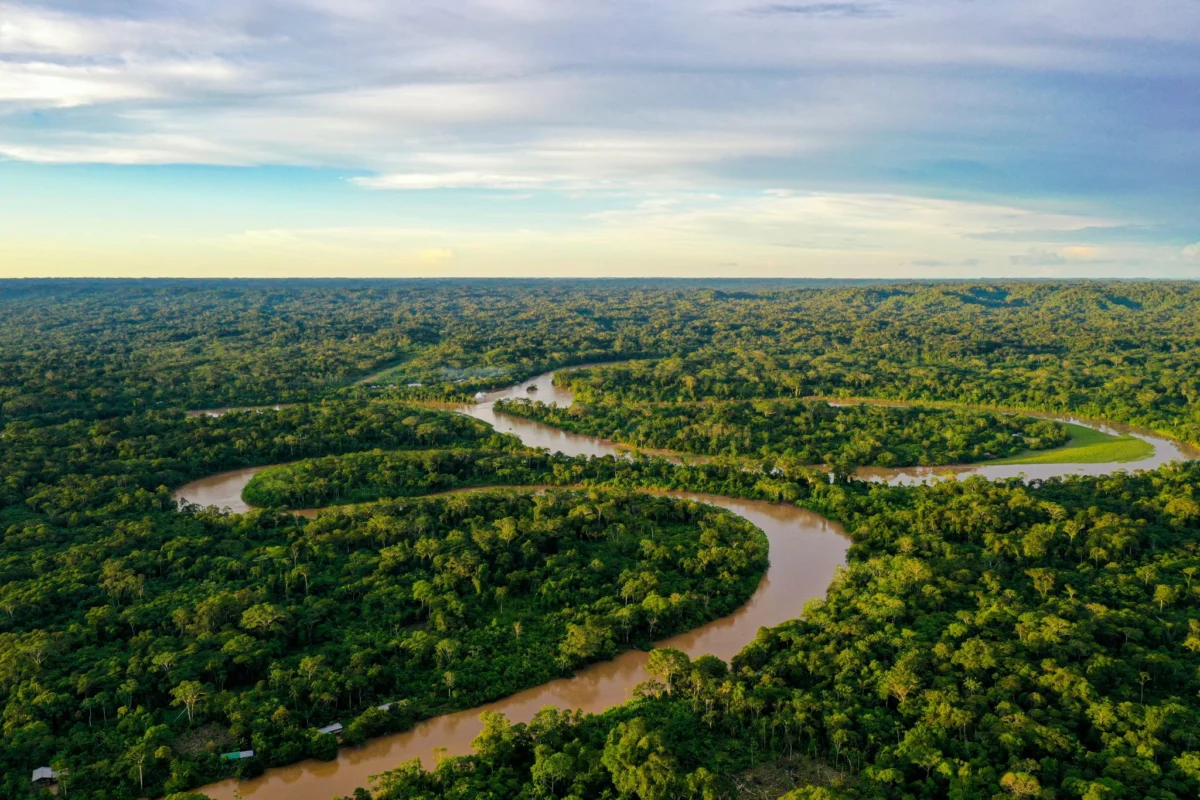
On International Day of Forests, a vital initiative known as the Forest Impact Accelerator is making significant strides in equipping communities and safeguarding the planet’s most critical forested ecosystems against the escalating threats of climate change. This program, spearheaded by BirdLife International and its global network of partners, is not merely about conservation; it is a multifaceted approach to fostering climate resilience, protecting biodiversity, and ensuring the sustainable livelihoods of millions who depend on these invaluable natural resources.
Forests, covering nearly one-third of the Earth’s land surface, are indispensable to global ecological balance. They are biodiversity hotspots, harboring over 80% of all terrestrial animal, insect, and plant species, and provide a home and sustenance for approximately 300 million people. Their role in regulating the planet’s climate is profound: they purify the air we breathe, filter our water sources, stabilize rainfall patterns, and act as significant carbon sinks, playing a crucial role in mitigating the impacts of a warming world. However, the escalating climate crisis, characterized by intensifying extreme weather events such as floods, droughts, heatwaves, and wildfires, is leading to the degradation of these vital landscapes. This degradation not only imperils the rich biodiversity within them but also threatens the very existence of the communities that rely on them.
Recognizing this urgent challenge, the Forest Impact Accelerator was conceived as a strategic intervention to bridge the gap between promising conservation ideas and their scalable, financially sustainable implementation. The program functions as a sophisticated incubator, nurturing early-stage, locally led Sustainable Finance Initiatives (SFIs). These SFIs encompass a diverse range of approaches, including community-led enterprises, Payment for Ecosystem Services (PES) schemes, the establishment of conservation trust funds, and the development of high-integrity forest carbon projects. The overarching goal is to transform nature conservation and restoration efforts into long-term, self-sustaining endeavors that actively contribute to climate resilience while simultaneously preserving biodiversity and enhancing local economies.
The Accelerator’s Innovative Model
The Forest Impact Accelerator provides its participating partners with a comprehensive support package. This includes tailored technical assistance, crucial seed funding to kickstart initiatives, opportunities for peer-to-peer learning with other conservation practitioners, and vital investor matchmaking services. The current five-year program is ambitiously aiming to guide 23 SFIs through various stages of development, with a target of 13 achieving full operational functionality. Collectively, these initiatives are set to protect one million hectares of Key Biodiversity Areas (KBAs) – regions of global importance for biodiversity conservation. Furthermore, they are designed to directly benefit over 200,000 people, with a specific focus on ensuring at least 30% of beneficiaries are women, thereby promoting gender equality and inclusive development.

A cornerstone of the Accelerator’s approach is its commitment to robust impact measurement. A dedicated Forest Impact Dashboard is being developed to integrate both local and global data streams. This sophisticated tool will meticulously track and monitor climate outcomes, biodiversity health, and social well-being, providing a transparent and evidence-based account of the program’s effectiveness.
Christina Van Winkle, Forests Programme Officer at BirdLife International, emphasized the significance of this initiative. "On this International Day of Forests, we are celebrating the power of innovation to keep our forests standing," she stated. "BirdLife’s Forest Impact Accelerator is transforming the future of conservation by unlocking sustainable finance, empowering local Partners, and scaling up solutions that protect over a million hectares of vital tropical forest while supporting the communities and biodiversity that depend on them. It proves that when we value forests for the life they sustain, we can secure them for generations to come."
A Global Cohort Addressing Local Realities
The current cohort of the Forest Impact Accelerator comprises ten diverse partners, each working within tropical forest landscapes across Africa, Asia, and the Americas. These partners are confronting climate risks in ways that are acutely specific to their local contexts, while simultaneously pioneering innovative financial mechanisms to sustain their conservation efforts.
A unifying principle across this group is the concept of resilience through diversification. This strategy involves bolstering the resilience of both ecosystems and livelihoods. Ecosystem resilience is achieved through restoration, protection, and the creation of ecological corridors. Livelihood resilience is fostered by developing diverse income streams, such as Non-Timber Forest Products (NTFPs), agroforestry systems, ecotourism, PES schemes, and carbon credit generation. This dual approach acts as a critical buffer, reducing vulnerability to climate hazards and creating financial and ecological safety nets when extreme weather events occur.
The Accelerator’s impact assessment framework is designed to capture both quantitative and qualitative indicators. Quantitative measures will include hectares of forest restored and the conservation status of globally threatened species. Qualitative indicators will focus on aspects like diversified income levels, levels of community inclusion, and overall well-being. This ensures that the program not only tracks broad ecological and economic impacts but also captures the nuanced, on-the-ground benefits for local communities.

Integrating Climate Risk into Project Design
A distinguishing feature of the Forest Impact Accelerator is its proactive integration of climate risk assessment into the very design of each project. Participating partners meticulously evaluate potential hazards, including floods, fires, and droughts, and identify the most vulnerable populations and ecosystems. Subsequently, they deploy nature-based solutions specifically engineered to mitigate these identified risks. Examples include the restoration of native forests on steep slopes to reduce landslide potential or the implementation of diversified agroforestry systems to buffer agricultural lands against crop failure due to unpredictable weather.
The Accelerator’s comprehensive four-pillar support system – encompassing technical assistance, seed grants, collaborative learning, and strategic communications – is instrumental in empowering these teams. This support enables them to develop robust business cases, establish equitable benefit-sharing mechanisms, strengthen governance structures, and implement rigorous safeguarding measures, all of which are critical for attracting investment and ensuring fair outcomes.
The Forest Impact Dashboard will serve as a vital tool for transparently communicating progress to a broad spectrum of stakeholders, including local communities, national governments, and potential investors. By integrating remote sensing data with on-the-ground field observations and Environmental, Social, and Governance (ESG) indicators, the dashboard will enable adaptive management strategies that can respond effectively to evolving climate conditions.
This initiative is recognized as fundamentally important in the global effort to meet ambitious climate and biodiversity targets. The urgency of the climate crisis necessitates innovative and effective solutions, and the Forest Impact Accelerator is at the forefront of delivering them.
Vorsak Bou, CEO of NatureLife Cambodia, shared his experience: "The Accelerator gave us the flexibility and support to test and explore ideas for sustainable finance mechanisms. We developed the skills and knowledge needed to design and implement mechanisms to attract private finance."

A Foundation of Generous Support and Future Expansion
The Forest Impact Accelerator has a proven track record of success, having run for five years with substantial support from organizations including the Hempel Foundation, the Waterloo Foundation, and the King Charles III Charitable Fund. In addition to this core funding, an impressive £6 million in additional financing has been successfully sourced in close collaboration with the program’s partners.
A significant recent development is the award of a Darwin Initiative Extra grant, funded by the UK Government’s Biodiversity Challenge Funds. This substantial award of £4,978,335 is earmarked to significantly expand and scale the Accelerator’s achievements. The grant will enable the program to further secure one million hectares of Key Biodiversity Areas while simultaneously generating substantial economic benefits for an estimated 200,000 local people. This funding underscores the global recognition of the Accelerator’s efficacy and its critical role in addressing interconnected challenges of biodiversity loss, poverty reduction, and climate change mitigation.
The initiative’s impact is further amplified by the visual evidence of its importance. Images accompanying the news, such as the critically endangered Philippine Eagle, serve as poignant reminders of the irreplaceable biodiversity that these forest landscapes protect. The header image of a vibrant tropical forest further emphasizes the beauty and ecological significance of these threatened environments.
The Forest Impact Accelerator represents a paradigm shift in conservation, moving beyond traditional funding models to embrace sustainable finance and empower local communities as key agents of change. As the world grapples with the intensifying realities of climate change, initiatives like this offer a beacon of hope, demonstrating that effective, scalable, and equitable solutions are not only possible but are actively being implemented on the ground, safeguarding our planet’s most precious natural heritage for future generations.

