


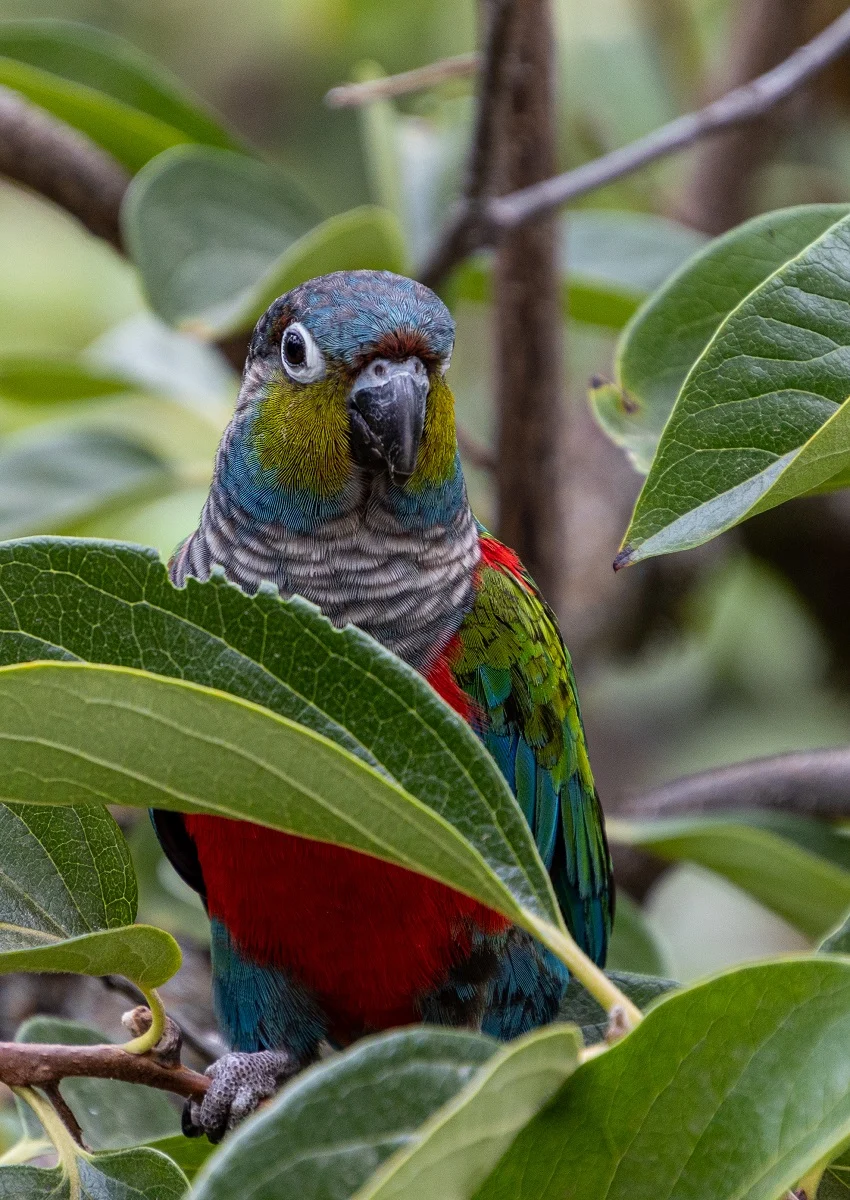
For those seeking a small parrot to integrate into their family dynamic, the crimson-bellied conure, known scientifically as Pyrrhura perlata, presents a compelling option. This species, recognized for its vibrant plumage and often described as clownish yet remarkably friendly, requires prospective owners to undertake thorough research to understand its unique needs and characteristics. This detailed examination delves into the origins, natural habitat, dietary requirements, care protocols, and behavioral traits essential for the well-being of this captivating avian species.
Species Overview and Classification
The crimson-bellied conure, sometimes referred to as the crimson-bellied parakeet, is a member of the Pyrrhura genus, which encompasses a diverse group of small to medium-sized parakeets native to South America. Key statistical data for Pyrrhura perlata includes:
- Common Name(s): Crimson-bellied conure, crimson-bellied parakeet
- Scientific Name: Pyrrhura perlata
- Natural Habitat: Brazilian Amazon basin, northern Bolivia
- Adult Size: Up to 10 inches (25 cm) in length, weighing approximately 90 grams
- Lifespan: 20+ years in captivity
- Noise Level: Low to Medium, relative to other conure species
This species’ designation as "Least Concern" by the IUCN Red List, despite observed population decreases, underscores the ongoing need for vigilance regarding habitat preservation and ethical pet trade practices.
Distinctive Appearance of the Crimson-Bellied Conure
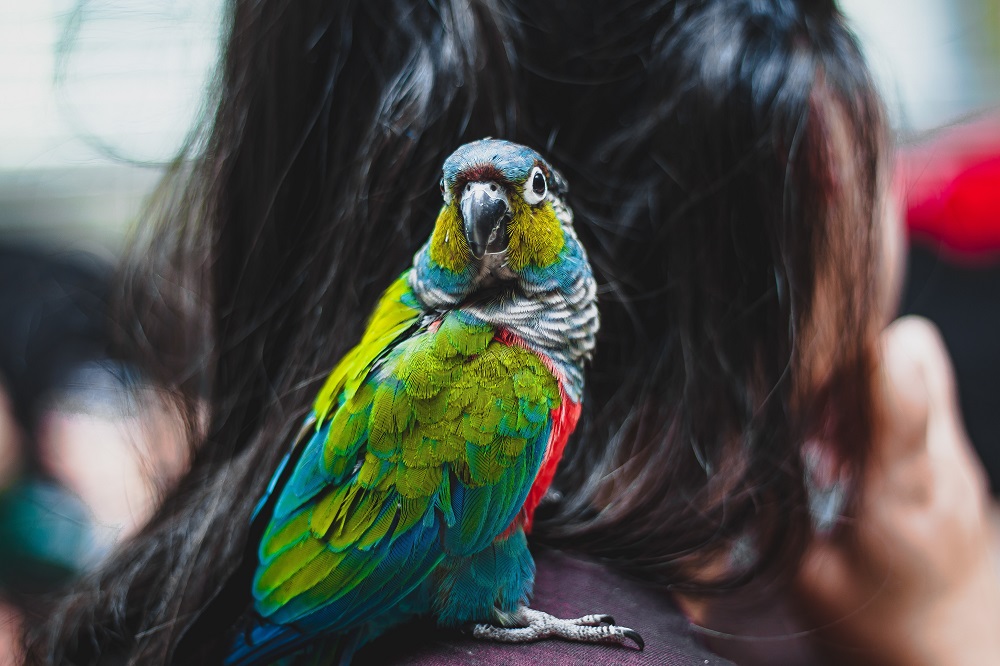
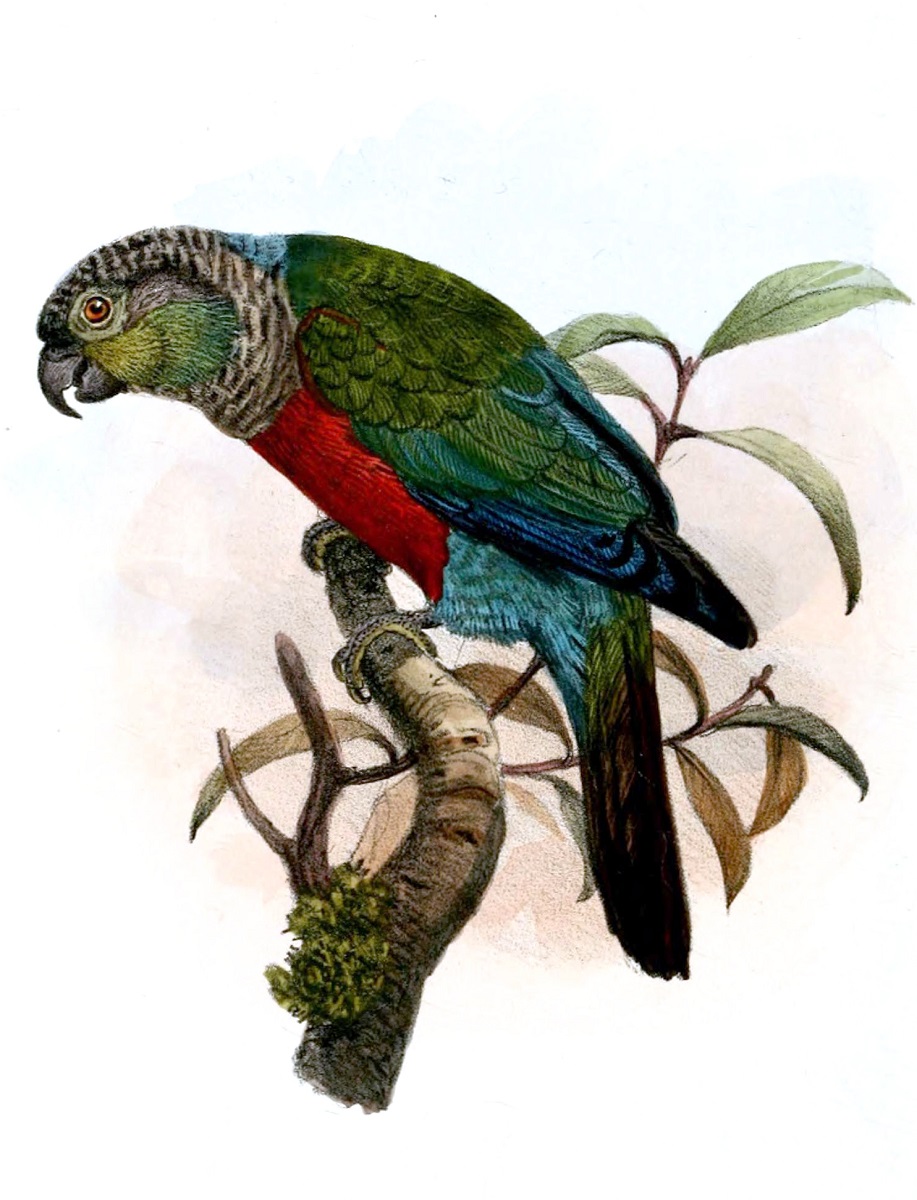
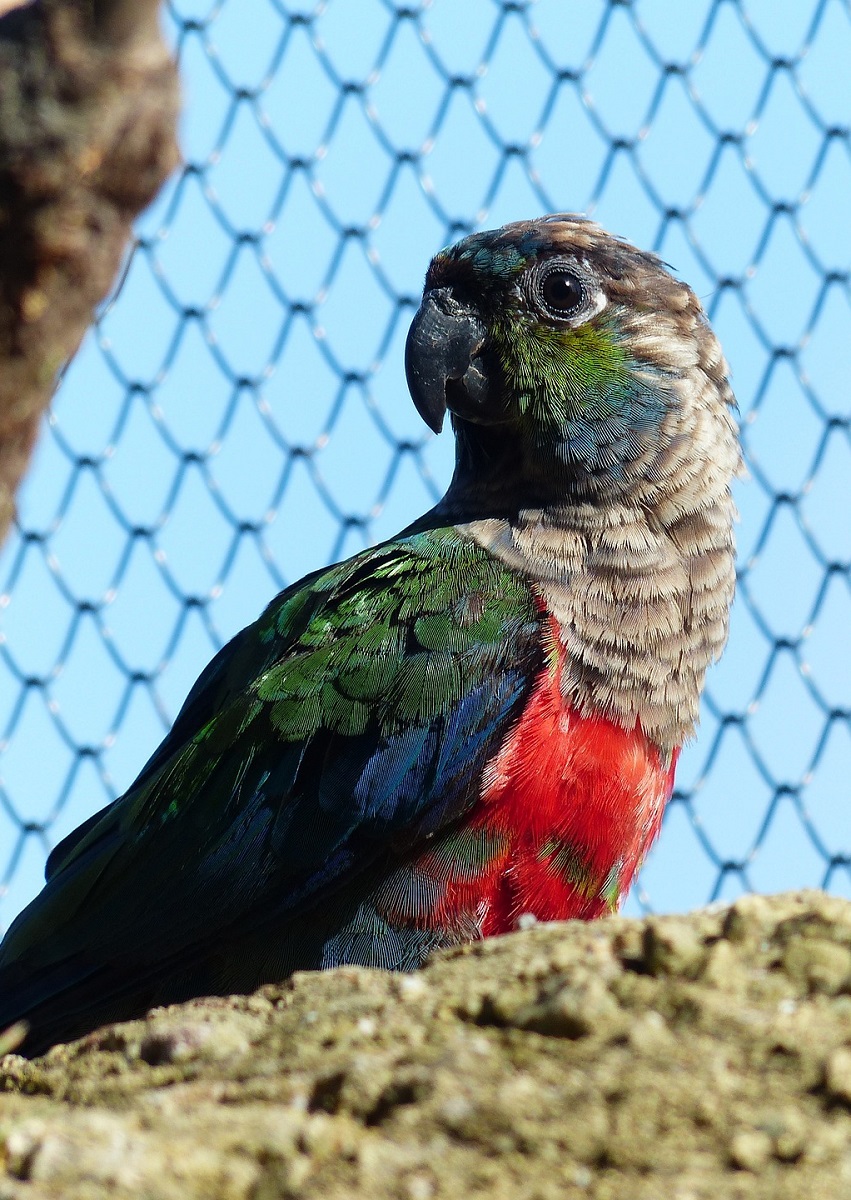
The crimson-bellied conure is celebrated for its exceptionally vivid coloration, a trait that distinguishes it even among other visually striking parrots. As its name suggests, the defining feature is a brilliantly vibrant red belly, which develops fully as the bird matures, typically taking up to a year to reach its full intensity. Beyond this central hue, the species exhibits a complex palette:
- Head: Often features a dark cap, transitioning into olive-green cheeks.
- Neck and Back: Predominantly green, offering a striking contrast to the other colors.
- Wings: Display a blend of green and blue, particularly noticeable on the flight feathers.
- Tail: Characteristically long, adding to its slender silhouette, and often exhibiting reddish-brown undertones.
- Breast: The breast feathers frequently show a scaly pattern, varying from olive to reddish-brown, contributing to its intricate design.
- Eyes: Framed by distinct white eye rings, enhancing their expressive gaze.
- Beak: A sturdy black beak, well-suited for cracking seeds and manipulating food.
This small, long-tailed parakeet reaches an adult length of approximately 10 inches (25 cm) and a weight of up to 90 grams. A notable aspect of their morphology is the lack of obvious sexual dimorphism; visual differentiation between males and females is generally not possible, often requiring DNA testing for accurate sex determination.
Geographic Distribution and Natural Habitat
The natural range of the crimson-bellied conure is confined to central South America, primarily within the vast Brazilian Amazon Basin. A significant concentration of the species is found in the state of Rondônia, with its distribution extending westward into northern Bolivia.
These conures predominantly inhabit "terra firme" forests—rainforest ecosystems that do not experience seasonal flooding, unlike várzea or igapó forests. This preference for stable, non-inundated land is crucial for their nesting and foraging activities. They demonstrate adaptability, thriving in both dense primary forests and more disturbed areas such as forest edges and secondary growth. This flexibility allows them to persist in areas undergoing some degree of human alteration, though extensive deforestation remains a significant threat.
In their wild environment, crimson-bellied conures are social birds, typically observed traveling in small, cohesive groups. This flocking behavior is common among parrots, providing safety in numbers and facilitating communal foraging. They are also known to interact and sometimes intermingle with other conure species, such as the painted conure, highlighting the biodiversity of their ecosystem. Nesting typically occurs in natural tree hollows, providing sheltered spaces for raising their young.
The International Union for Conservation of Nature (IUCN) Red List currently classifies Pyrrhura perlata as a species of "Least Concern." While this designation suggests a relatively stable population size compared to more critically endangered species, the IUCN does acknowledge a declining population trend. The primary drivers of this decline are deforestation, particularly for agriculture and logging, and, to a lesser extent, illegal hunting and capture for the pet trade. Understanding these pressures is vital for ongoing conservation efforts, even for species not immediately facing extinction.
Dietary Habits: Wild Foraging vs. Captive Care
The rich biodiversity of the Amazonian rainforest directly influences the varied diet of wild crimson-bellied conures. Their natural foraging habits reflect an adaptation to seasonal availability and the nutritional needs of a highly active bird.
Wild Diet:
In their native forests, these conures exploit a wide array of food sources. A significant portion of their diet consists of wild figs and various other indigenous fruits, which provide essential sugars, vitamins, and hydration. Beyond fruits, they are observed feeding on flowers, which supply nectar and pollen, and catkins, the cylindrical flower clusters of certain trees. A fascinating aspect of their wild diet is their regular visitation to clay licks (geophagy sites). At these sites, parrots consume soil rich in minerals such as sodium, calcium, and magnesium, which are often scarce in their fruit-heavy diets. The clay may also help neutralize plant toxins ingested during foraging, serving as a natural detoxifier.
Captive Diet:
For crimson-bellied conures kept as companion animals, a meticulously balanced and varied diet is paramount to ensure their long-term health and vitality. Avian veterinarians, including specialists like Dr. Daisy cited in Psittacology, strongly advocate for a diet centered on high-quality formulated pellets rather than a seed-based regimen. Seed-only diets are notoriously deficient in essential vitamins, minerals, and amino acids, leading to malnutrition, obesity, and a host of preventable health issues.
A recommended captive diet structure includes:
- Pellets: Constitute the primary staple, providing a complete nutritional foundation. Owners should select reputable brands specifically formulated for small to medium parrots.
- Fresh Vegetables: Offered daily, these are crucial for vitamins, minerals, and fiber. Examples include leafy greens (kale, spinach, romaine lettuce), bell peppers, carrots, broccoli, zucchini, and peas. All vegetables should be thoroughly washed and chopped into appropriate sizes.
- Fresh Fruits: Provided regularly but in moderation due to their sugar content. Safe options include berries (blueberries, raspberries), apples (seeds removed), melons, mango, and papaya. Avocado is highly toxic to parrots and must be strictly avoided.
- Cooked Grains: Whole-wheat rice, quinoa, and barley can be offered cooked and cooled, providing complex carbohydrates.
- Foraged Grasses: Pesticide-free, safe grasses and herbs, such as dandelion greens, can mimic natural foraging opportunities.
- Occasional Treats: Small quantities of sunflower seeds, nuts (unsalted, unroasted), or cooked lean protein can be given as rewards, but sparingly to prevent nutritional imbalance.
Crucially, constant access to fresh, clean water from multiple sources (e.g., a dish and a sipper bottle) is non-negotiable. Water should be changed daily and dishes cleaned thoroughly to prevent bacterial growth. A well-managed diet is the cornerstone of a healthy and extended life for any parrot, directly impacting plumage quality, energy levels, and disease resistance.
Optimal Housing Requirements for Crimson-Bellied Conures
Despite their relatively small stature, crimson-bellied conures are highly active and energetic birds. Consequently, their housing environment must be designed to accommodate their need for movement and exploration. The guiding principle for cage selection should always be "the largest cage you can reasonably accommodate."
Cage Dimensions and Bar Spacing:
For a single crimson-bellied conure, a cage measuring at least 36 inches (90 cm) wide, 24 inches (60 cm) deep, and 36 inches (90 cm) high is considered a minimum. If the bird will spend significant time confined without daily out-of-cage access for free flight, a much larger enclosure, ideally an indoor aviary, becomes essential. Bar spacing is also critical; it should be narrow enough (e.g., 1/2 to 5/8 inch or 1.25 to 1.6 cm) to prevent the bird from escaping or getting its head caught.
Perching:
The cage must be equipped with a variety of natural wood perches of differing diameters and textures. Perches made from natural branches (e.g., java wood, manzanita, fruit tree branches) promote healthy foot circulation, exercise foot muscles, and prevent pressure sores, unlike uniform plastic or dowel perches which can lead to pododermatitis (bumblefoot) over time. Perches should be placed at varying heights to encourage climbing and exploration.
Accessories:
- Food and Water Dishes: Stainless steel dishes are preferred for hygiene and durability. Multiple dishes for pellets, fresh produce, and water should be provided.
- Bath Options: A shallow water dish or a bird bath attachment encourages bathing, which is vital for feather health. Some conures may also enjoy misting with a spray bottle.
- Substrate: The bottom of the cage should be lined with a safe, absorbent material like newspaper, paper towels, or bird-safe bedding. Avoid cedar or pine shavings due to aromatic oils that can be respiratory irritants.
Environmental Considerations:
The cage should be placed in a safe, draft-free area of the home, away from direct sunlight or extreme temperatures. It should be in a room where the family spends time to facilitate social interaction, but not in an overly noisy or stressful location.
Enrichment: Fostering Mental and Physical Well-being
All parrots, including the intelligent crimson-bellied conure, require extensive mental stimulation and physical activity to thrive. A lack of enrichment can lead to severe stress, manifesting in problematic behaviors and health issues.

Categories of Enrichment:
-
Toys: A diverse selection of toys is crucial. These should be rotated regularly to maintain novelty and prevent boredom.
- Chewing Toys: Parrots have a natural urge to chew. Toys made from untreated wood, cardboard, or natural fibers (like sisal or cotton ropes) are essential for beak health and mental engagement.
- Shreddable Toys: Paper, cardboard, palm-leaf, or soft wood toys satisfy their instinct to shred and dismantle.
- Foraging Toys: These toys require the bird to "work" for treats, mimicking natural foraging behavior. They can range from simple cardboard tubes with hidden seeds to complex puzzle toys.
- Puzzle Toys: Designed to challenge the bird’s problem-solving skills, often involving manipulating parts to access a reward.
- Swings and Ladders: Provide opportunities for physical activity and different perching options.
-
Social Interaction: Crimson-bellied conures are highly social animals.
- Human Interaction: Daily interaction with their human caregivers is vital. This includes gentle handling, talking, training sessions, and simply spending time together.
- Conspecifics: If possible and space allows, keeping two conures (properly introduced and compatible) can provide significant social enrichment, though human interaction remains important.
-
Training: Positive reinforcement training is an excellent form of enrichment.
- Target Training: Teaches the bird to touch a target with its beak, forming the basis for many other behaviors.
- Trick Training: Teaches fun behaviors and strengthens the bond between bird and owner.
- Recall Training: Essential for safety, teaching the bird to fly to the owner on command.
-
Out-of-Cage Time: Daily supervised out-of-cage time is indispensable for exercise, exploration, and mental stimulation. This necessitates "parrot-proofing" any area the bird has access to.
Dangers of Boredom:
A bored or under-stimulated conure can develop:
- Excessive Screaming: A common manifestation of frustration or a bid for attention.
- Feather Plucking: A severe behavioral issue often linked to stress, anxiety, or medical conditions, where the bird excessively grooms to the point of self-mutilation.
- Aggression: Can become nippy or territorial due to unmet needs.
- Obesity: A lack of physical activity combined with an improper diet can lead to weight gain and associated health problems.
- Destructive Behaviors: Chewing on furniture, electrical cords, or other household items.
Parrot-Proofing a Space:
Before allowing free-flight time, a room must be made bird-safe. This includes:
- Securing windows and doors to prevent escape.
- Covering or removing toxic houseplants (e.g., lilies, azaleas, philodendrons).
- Removing or securing small ingestible items.
- Protecting electrical cords from chewing.
- Ensuring ceiling fans are off.
- Keeping other pets (cats, dogs) supervised or separated.
- Avoiding aerosols, strong cleaning products, and non-stick cookware (Teflon) fumes, which are highly toxic to birds.
Temperament and Social Dynamics
Pyrrhura conures, particularly the green-cheeked variety, are among the most popular parrot species kept as pets due to their engaging personalities. The crimson-bellied conure, while less common, shares many of these desirable traits and can be an exceptional companion for the right owner.
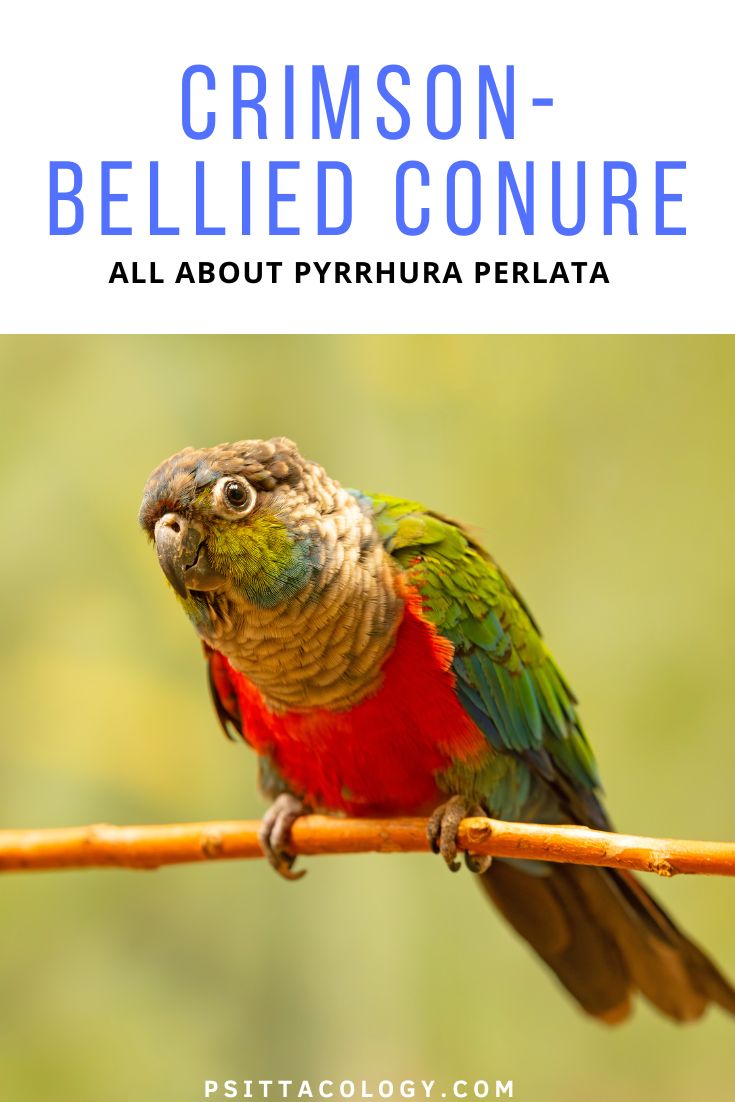
They are often characterized as "lovable rogues"—a description that aptly captures their blend of playful mischief and affectionate devotion. A well-socialized crimson-bellied conure is typically curious, energetic, and highly interactive. They enjoy exploring their surroundings, investigating new objects, and engaging in playful antics. Their clownish nature can bring immense joy and entertainment to a household.
Simultaneously, these birds form strong bonds with their human caregivers. They often seek physical closeness, enjoying perching on shoulders and relishing head scratches and gentle petting. This dual nature—combining independent, playful energy with deep affection—makes them incredibly endearing.
However, prospective owners must be prepared for the realities of living with a highly intelligent and curious parrot. Chewing is an inherent behavior, and without adequate, appropriate chew toys, household items will inevitably become targets. While they can be fantastic companions for decades, their intelligent and sometimes mischievous nature means they thrive best with owners who appreciate a degree of "controlled chaos" and are committed to providing consistent interaction, training, and a stimulating environment. Like all parrots, these inquisitive birds have a propensity for getting into trouble, necessitating vigilance and a proactive approach to safety. Familiarity with parrot emergency care procedures is a responsible measure for any owner.
Vocalizations and Communication
Relative to some of the louder conure species, such as the Sun Conure, crimson-bellied conures are not considered excessively noisy. However, it is crucial to understand that no parrot is truly "quiet." They possess a range of vocalizations and will use them to communicate their emotions and needs.
Their vocal repertoire includes:
- Contact Calls: Used to locate flock members (including human family members) when out of sight. These can be sharp whistles or chirps.
- Alarm Calls: Louder, more urgent screeches emitted when they perceive a threat or are startled.
- Excitement Calls: Often accompanied by energetic body language, these can be a series of chattering or joyful squawks.
- Contentment Sounds: Soft chirps, murmurs, or grinding of the beak indicate relaxation and satisfaction.
Owners should expect periods of vociferousness, particularly when the bird is excited, seeking attention, or feeling distressed. Before acquiring a crimson-bellied conure, potential owners are strongly advised to familiarize themselves with the species’ typical calls. Resources like xeno-canto.org provide recordings of wild parrot vocalizations, offering a realistic preview. Visiting an owner of a crimson-bellied conure can also provide firsthand experience with their noise levels in a domestic setting. This proactive assessment helps ensure that the bird’s vocalizations are compatible with the owner’s living situation and tolerance levels, particularly in apartments or shared housing.
Talking Ability:
Most parrots possess some capacity for imitation, including the crimson-bellied conure. However, Pyrrhura conures are generally not considered highly talented talkers compared to species like African Greys or Amazons. While some individuals may learn to mimic a few words or short phrases, many never develop extensive vocabularies. They are more likely to mimic household sounds, such as phone rings, microwave beeps, or specific whistles, which can be quite amusing. Owners interested in a highly verbal parrot should temper their expectations for this species.
Health, Lifespan, and Responsible Ownership
The potential for a crimson-bellied conure to live 20 years or more underscores the significant, long-term commitment required for responsible ownership. Achieving this impressive lifespan is contingent upon a combination of excellent husbandry, a nutritious diet, a stimulating environment, and consistent veterinary care.
Key Factors for Longevity:
- Nutrition: As previously detailed, a pellet-based diet supplemented with fresh produce is fundamental. Nutritional deficiencies are a leading cause of illness in captive birds.
- Environment: A spacious, clean cage with appropriate perches and abundant enrichment prevents stress, promotes physical activity, and reduces the likelihood of behavioral issues.
- Hygiene: Regular cleaning of cages, food/water dishes, and toys minimizes exposure to pathogens.
- Veterinary Care: Routine check-ups with an avian veterinarian (ideally annually) are crucial for early detection and prevention of common avian diseases. Parrots are adept at masking illness, so professional evaluation is often the only way to identify underlying health issues.
- Disease Awareness: Owners should be vigilant for signs of illness, such as changes in droppings, lethargy, fluffed feathers, discharge from nares or eyes, or loss of appetite. Common avian ailments include psittacosis, PBFD (Psittacine Beak and Feather Disease), respiratory infections, and nutritional disorders.
- Stress Reduction: A stable, predictable home environment, free from loud noises, sudden movements, or aggressive interactions from other pets, contributes significantly to a parrot’s overall well-being.
Ethical Acquisition:
Prospective owners should prioritize acquiring crimson-bellied conures from reputable breeders who prioritize the health and socialization of their birds, or from avian rescue organizations. Avoiding sources that may deal in wild-caught birds supports conservation efforts and discourages illegal wildlife trade.
Conclusion
The crimson-bellied conure offers a unique blend of vibrant beauty, playful intelligence, and deep affection, making it a rewarding companion for individuals prepared for the responsibilities of parrot ownership. Their long lifespan necessitates a commitment spanning decades, requiring dedicated attention to their specific dietary, housing, enrichment, and social needs. By providing a thoughtfully constructed environment, a balanced diet, consistent interaction, and regular veterinary care, owners can ensure their Pyrrhura perlata thrives, bringing color and character to their home for many years to come. Understanding their origins in the Brazilian Amazon and the conservation challenges they face also imbues ownership with a broader sense of responsibility towards this remarkable species.

