


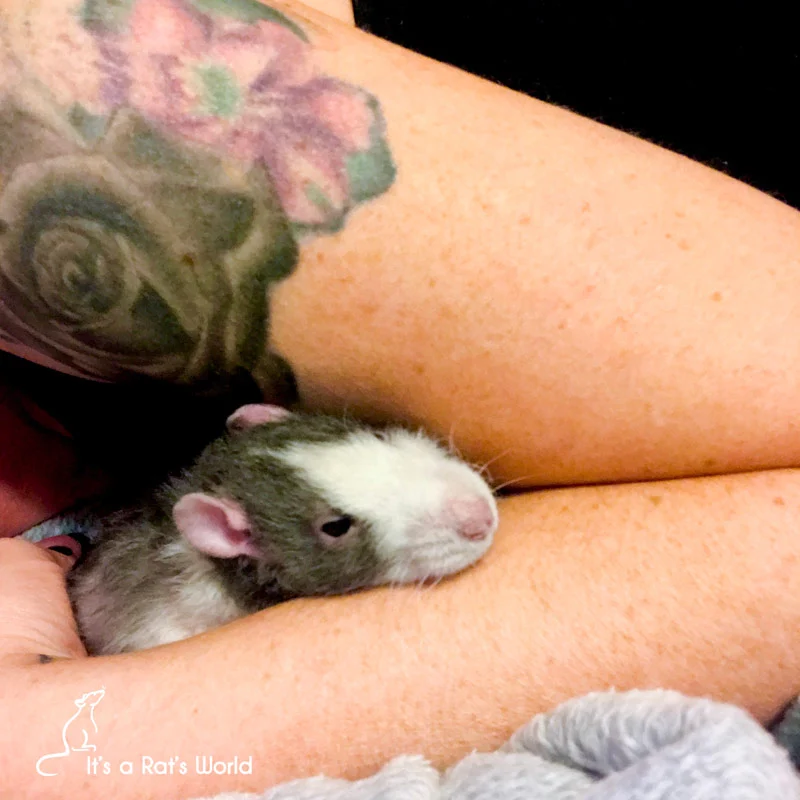
The absence of a profound animal companionship can leave a significant void, a sentiment echoed by many pet owners who find solace and joy in the unique relationships they forge with their animal companions. For Brandi Saxton, a recognized advocate and enthusiast for rat ownership through her platform "It’s A Rat’s World," this void is particularly palpable in her current "ratless" state. While she shares her home with dogs and a cat, Saxton emphasizes that these relationships, while cherished, do not replicate the deep, personal connection she experienced with rats. This article delves into the intricacies of building these extraordinary bonds, exploring the challenges, the science, and the profound rewards of coexisting with these often-misunderstood creatures.
The Unparalleled Affection of Rats
Saxton’s narrative highlights a common experience among dedicated rat owners: the discovery that rats offer a level of companionship that surpasses many other domestic animals. She recounts a history of close ties with various creatures, but it was the rat that ultimately carved out a unique space in her heart. Ferrets, she notes, came close, but the intimate connection with rats remained unparalleled.
The essence of this connection, Saxton explains, lies in the shared everyday moments. These are not grand gestures, but rather the quiet intimacies that weave the fabric of a strong bond. Imagine:

- Shared Leisure: Snuggling on the couch during movie nights, a testament to the comfort and trust rats can develop with their human caregivers.
- Affectionate Gestures: Receiving "rattie kisses" and engaging in grooming sessions, where rats meticulously clean their owner’s hands, a reciprocal act of care.
- Eager Greetings: The sight of rats rushing to their cage doors, dancing with unbridled excitement at the approach of their human, a clear indication of joyful anticipation.
- Playful Jealousy: Instances where one rat nudges another aside for head scratches, revealing a nuanced social dynamic and a desire for individual attention.
- Quiet Companionship: Rats stretching out comfortably in a lap or nestled beside their owner while they work, signifying a deep sense of security and belonging.
These seemingly simple interactions, Saxton argues, are profoundly significant. They represent a personal sanctuary, a space where the human is unequivocally the favorite, and affection is freely given without the need to compete for attention. This exclusivity fosters a sense of deep intimacy, a core element that many owners find deeply fulfilling.
Navigating the Initial Stages: Trust Versus Bonding
For prospective rat owners or those new to the species, Saxton offers a crucial piece of advice: the ultimate goal should be to achieve this profound level of closeness. However, she acknowledges that the journey is not always straightforward. Many new owners encounter challenges, particularly when their rats exhibit skittishness or aloofness, leading to a perceived lack of interest in interaction. This can be disheartening, but Saxton reassures that it is far from a hopeless situation.
The Importance of Acclimation and Patience
A primary hurdle for new owners often stems from a misunderstanding of rat behavior. Timid or jumpy rats can inadvertently trigger a fear of biting in humans. Saxton emphasizes that most rats simply require time to adjust to their new surroundings and human companions. This process is further complicated for rats who may have experienced trauma or adverse conditions prior to adoption. These individuals often necessitate extra patience and a tailored approach to help them settle in. Without understanding how to facilitate this adjustment, rats can become even more withdrawn and fearful, creating a cyclical challenge for bonding.
Saxton’s own experience has led her to develop resources for owners facing these difficulties. Her article, "Helping A Scared Pet Rat," is cited as a valuable guide for understanding the nuances of fear expression in rats, identifying potential causes, and implementing strategies to earn their trust.

Differentiating Trust and the Deeper Bond
It is essential to distinguish between earning a rat’s trust and cultivating a true bond. Saxton clarifies that trust is the foundational element: the rat believes its human is not a threat. Bonding, however, transcends this basic security. It signifies a mutual desire for companionship, a deeper, reciprocal connection.
A rat’s individual personality and past experiences are significant determinants in the depth of this connection. When a rat feels insecure or operates in a state of self-preservation, its primary focus is on survival, making it difficult to form affectionate attachments. Only when a rat feels safe and at ease can it begin to recognize and value the positive aspects of spending time with its human.
Understanding Rat Personalities: A Spectrum of Temperaments
Saxton categorizes rat personalities into a spectrum, which greatly influences the ease with which a bond can be formed:
- The Extrovert: These are the naturally brave and outgoing rats. They adapt quickly to new environments and people, often displaying immediate trust and affection. Within moments of meeting, they might be demanding to be held and exploring their new human with enthusiastic curiosity. Their willingness to engage can feel almost instantaneous, as if they trust before any tangible reason has been established.
- The Apprehensive Rat: At the other end of the spectrum are rats who are deeply fearful and view humans, even their owner, as potential predators. Overcoming this barrier is the first and most crucial step. While some may never fully shed their innate caution, achieving a state where they recognize and accept their owner as a caregiver is a monumental achievement. The subsequent depth of the relationship is then contingent on the rat’s capacity for trust and the owner’s ongoing investment of time and effort.
- The Middle Ground: The majority of pet rats fall between these two extremes. They may initially appear nervous, but with consistent positive interaction and a safe environment, they typically become more comfortable and receptive to bonding. Daily engagement is key to fostering this transition.
The Cornerstones of Building a Rat Bond
Cultivating a strong bond with a pet rat requires consistent effort and a multifaceted approach. Saxton outlines several key strategies:

Providing Quality Time and Consistent Presence
The most critical element in building a relationship with a rat is consistent, quality time. This involves being a regular presence in their environment, talking to them, gentle petting, holding them, and engaging in play. This sustained interaction is not merely beneficial; it is essential for forging a genuine connection and learning each rat’s unique characteristics and preferences.
- Integrating into Daily Life: Keeping rats in a room where the owner spends a significant amount of time allows them to become accustomed to the owner’s voice and scent, integrating the human into their daily routine.
- Out-of-Cage Exploration: Allowing rats at least one to two hours of supervised time outside their cage daily is crucial for their physical and mental well-being. This time is also an opportunity for dedicated bonding.
- Dedicated Cuddling Sessions: Whether on a couch, bed, or in a safely rat-proofed room, concentrated cuddling time is invaluable. Activities like watching a movie, reading a book, or listening to music together create shared experiences. Understanding how a rat prefers to be held and petted, and identifying their favorite spots for affection, further deepens the connection.
- Utilizing Bonding Pouches and Blankets: For skittish rats, bonding pouches or small blankets can provide a sense of security while being held. Their natural instinct to burrow is satisfied, encouraging them to snuggle closer.
- Verbal Interaction: Regularly talking to rats while they are in their cage helps them acclimate to the owner’s voice without the anxiety of being suddenly handled. This gradual introduction reduces apprehension when the owner approaches.
- The Power of Touch: The act of petting an animal has been scientifically shown to release endorphins, stress-relieving brain chemicals, in both the animal and the human. Gentle strokes along the back or head while conversing can foster a sense of calm and connection.
Saxton also directs owners to her article, "Honoring Your Rat’s Personal Space," underscoring the importance of respecting individual boundaries, as ignoring them can significantly hinder bonding efforts.
The Irresistible Allure of Food and Treats
Food is a universally effective tool for building trust and fostering positive associations. Saxton humorously admits that the enthusiastic greetings from her rats might have been partly motivated by the anticipation of tasty treats. Regardless of the primary driver, the resulting excitement was always a source of amusement and a clear indicator of a developing connection.
- Associating Humans with Nourishment: Making mealtimes a significant event helps rats quickly learn that their human is the provider of food, thus earning their favor.
- Positive Reinforcement: Selecting a healthy, favorite snack and consistently announcing its arrival with a specific phrase or tone of voice trains rats to associate the owner with positive feelings. Saxton’s personal cue, "Treats, Treats, Treats!" delivered in an escalating pitch, was instantly recognized by her rats, prompting them to rush to the cage door. This ritual proved effective even with standoffish rats, signifying progress in bonding efforts.
Beyond Basic Interaction: Enrichment and Exploration
For those seeking to deepen their relationship further, Saxton suggests engaging rats in activities like teaching tricks or creating mazes. While she admits limited personal experience in these areas, she points to online resources for inspiration. These activities offer a unique way to interact with rats and explore their intelligence and problem-solving abilities.

Traveling with rats is also cited as a surprisingly effective bonding method. Saxton notes that road trips often resulted in stronger bonds, with her rats becoming more cuddly, even the timid ones. The experience of being outside their usual environment seemed to reinforce their trust in her.
Managing Expectations and Cherishing Each Rat
The nature of the bond formed with each rat is unique. Some relationships develop with ease, while others may present persistent challenges. Saxton emphasizes that maintaining a connection requires ongoing effort. She advises against comparing one’s own rat relationships to those seen on social media, as each rat possesses its own distinct personality and responsiveness.
Saxton’s own experience demonstrates the spectrum of these bonds, ranging from "soulmate status" to a more pragmatic "you’re the human I dislike the least, so I’m willing to tolerate you." Even the latter, she notes, felt special due to the effort involved in achieving that level of acceptance. The moment a frightened rat finally lowers its guard and acknowledges the owner’s role in its life is a profound honor.
Ultimately, Saxton concludes, every rat is worth the endeavor. The memories of the shared moments and the unique bonds forged with them endure long after their passing, living on in the hearts of their devoted human companions. This enduring legacy underscores the profound impact that even the smallest of creatures can have on our lives.

