


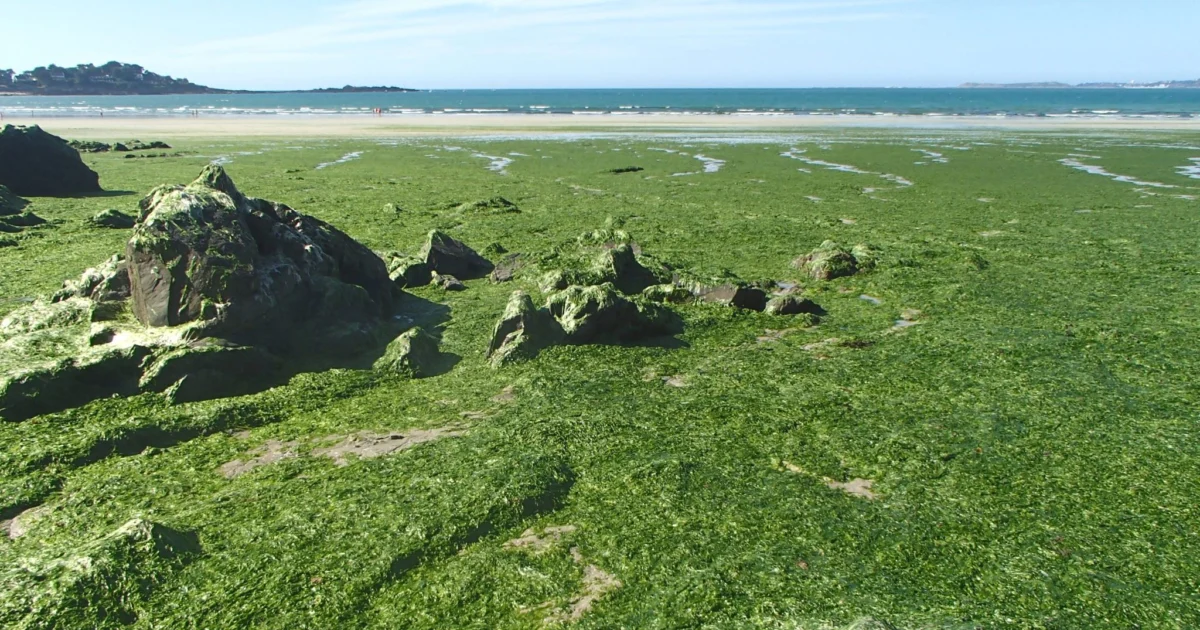
On certain summer days along the picturesque coast of Brittany in France, the sea transforms into an unsettling, vibrant green. This phenomenon, far from being a natural spectacle, is a stark visual manifestation of a profound environmental crisis gripping Europe. Thick mats of algae, a result of unchecked nutrient pollution, wash ashore, emitting a noxious stench as they decompose under the sun. These unnatural blooms are not isolated incidents; they are fueled by a relentless influx of nutrients originating from nearby agricultural lands, channeled through rivers, and ultimately contaminating coastal waters. The consequences are dire, with the gases released by rotting algae having been tragically linked to the deaths of both animals and, in some harrowing instances, humans. This visible blight is merely the tip of an iceberg, a potent symbol of a much wider, systemic problem that is placing European agriculture, public health, and natural ecosystems under immense pressure.
Agriculture Under Siege: The Unintended Consequences of Intensive Farming
For decades, the pursuit of increased food production in Europe has been underpinned by intensive farming practices. This model, while undeniably successful in boosting yields in the short term, has come at a significant cost to the environment. The widespread and often excessive use of chemical fertilizers, potent pesticides, and large quantities of manure has led to a heavy burden on natural resources. The core of the issue lies in the imbalance of nutrients. When applied in quantities exceeding what crops can absorb, excess nitrogen and phosphorus, essential for plant growth, are not retained by the soil. Instead, they are washed away by rainfall and irrigation, entering a complex hydrological network that ultimately leads to rivers, lakes, and the vital coastal waters that fringe the continent.
This nutrient pollution, often referred to as eutrophication, has devastating consequences for aquatic ecosystems. Algal blooms, like those witnessed in Brittany, are a direct result of this nutrient overload. These blooms deplete oxygen levels in the water as they grow and decay, creating "dead zones" where aquatic life struggles to survive. Fish kills are common, and the delicate balance of marine and freshwater ecosystems is disrupted.
Crucially, this environmental degradation creates a vicious cycle that ultimately harms agriculture itself. The very foundations of sustainable food production – healthy soils, clean water, and functioning ecosystems – are being eroded. Degraded soils lose their fertility and water-holding capacity, making them more susceptible to erosion and requiring even greater reliance on synthetic inputs. Contaminated water sources impact irrigation and livestock, and the loss of biodiversity, including essential pollinators and natural pest predators, further weakens agricultural resilience.
The Silent Contamination: Tap Water at Risk from Agricultural Runoff
The problem of nutrient pollution extends beyond the visible impact on coastlines and aquatic life; it poses a direct threat to human health and the fundamental right to safe drinking water. When excess fertilizers and manure seep into the groundwater, the hidden reservoir that supplies a significant portion of Europe’s drinking water, the consequences can be severe and far-reaching.
A stark example of this threat can be found in parts of Spain, where hundreds of thousands of residents have, at various times, experienced temporary loss of access to safe tap water. This has occurred when nitrate levels in groundwater have surged beyond established health limits, rendering the water unsafe for consumption. The region of Catalonia, with its intensive livestock farming operations, has repeatedly been at the forefront of these warnings. Authorities have issued urgent alerts, highlighting how groundwater pollution from nitrates is not only a persistent threat to drinking water supplies but also imposes significant financial burdens on municipalities, which are forced to invest in expensive water treatment processes to make the water safe for public use. This situation is not unique to Spain; similar challenges are being encountered in numerous agricultural regions across the European continent, underscoring the widespread nature of this invisible contamination.
The health implications of elevated nitrate levels in drinking water are particularly concerning for infants. Nitrates can be converted into nitrites in the body, which can then interfere with the blood’s ability to carry oxygen, leading to a condition known as methemoglobinemia, or "blue baby syndrome." While adult exposure is generally considered less immediately dangerous, long-term consumption of water with elevated nitrate levels has been linked to an increased risk of certain cancers.
Nature-Friendly Solutions: A Path Towards Sustainable Agriculture
Despite the grim picture painted by widespread pollution, there is a significant silver lining: the crisis is entirely preventable. A growing movement towards sustainable farming methods offers a viable and hopeful alternative, allowing farmers to produce food while simultaneously acting as stewards of nature, nurturing healthy soils, and protecting precious water resources.

Practices rooted in agroecology and organic agriculture offer a blueprint for this transition. For instance, the strategic planting of nitrogen-fixing legumes, such as beans, clover, and alfalfa, can naturally enrich the soil with this essential nutrient, significantly reducing the need for synthetic nitrogen fertilizers. These plants, through a symbiotic relationship with soil bacteria, convert atmospheric nitrogen into a form usable by other plants. Similarly, well-managed livestock systems that prioritize the local recycling of nutrients can dramatically decrease reliance on external, often polluting, synthetic fertilizers. Manure, rather than being viewed as waste, can be transformed into valuable fertilizer through composting and other treatment methods, closing the nutrient loop within the farm.
Beyond on-farm practices, landscape-level interventions play a crucial role. Planting vegetated buffer strips along the banks of rivers, lakes, and streams acts as a natural filter. These green barriers intercept nutrient-rich runoff before it can reach waterways, trapping sediments and excess nutrients. The restoration of wetlands, which are natural sponges and filters, is another highly effective strategy. Wetlands can absorb excess water, slow down runoff, and remove pollutants, thereby safeguarding water quality.
These nature-friendly approaches yield a cascade of benefits that extend far beyond pollution control. They contribute to the restoration of vital ecosystems, providing crucial habitats for wildlife and enhancing biodiversity. By promoting healthy soil and water, they build resilience in agricultural landscapes, making them better equipped to withstand the impacts of climate change, such as droughts and extreme weather events. Furthermore, these practices support the viability of rural communities by fostering a more sustainable and economically stable agricultural sector, ensuring food production for future generations.
The Peril of Weakening Environmental Protection: A Step Backwards
Europe has, in principle, established a robust legal framework to address water and nature pollution. Landmark legislation such as the Water Framework Directive, the Nitrates Directive, and the Birds and Habitats Directives have been in place for years, laying down crucial environmental safeguards. However, the persistent widespread agricultural pollution across the continent points to a critical failure: the insufficient implementation and enforcement of these existing rules.
Recent legal challenges and court rulings underscore this enforcement gap. Cases brought against countries like Belgium and the Netherlands for their failures to adequately control nitrate and nitrogen pollution stemming from intensive agriculture serve as stark reminders that governments are still falling short in applying the environmental laws already on their books. This inaction allows pollution to continue unabated, undermining the very purpose of these protective measures.
Instead of focusing on strengthening the enforcement of existing legislation, a concerning trend has emerged. Several EU countries, often influenced by powerful agricultural industry lobbies and their political allies, are actively pushing to weaken environmental regulations. These proposals are frequently framed as efforts to "simplify" bureaucracy and reduce "administrative burdens" for businesses. However, the reality is far more concerning. These proposed changes often involve weakening environmental safeguards, reducing reporting and accountability requirements, and making it significantly harder to monitor and detect pollution.
The implications of such deregulation are profound and potentially catastrophic. Weakening these environmental safeguards risks undoing decades of hard-won environmental progress at a time when Europe is already struggling to meet its ambitious water quality, biodiversity, and climate goals. The continent is facing significant challenges in achieving good ecological status for its water bodies, halting biodiversity loss, and mitigating the impacts of climate change. Undermining the legal tools designed to address these very issues would be a monumental step backward.
The ultimate beneficiaries of this proposed deregulation would be polluters, while the costs would be borne by ecosystems, public health, and the long-term viability of our food systems. Weakening protections will inevitably lead to further degradation of natural resources, increased health risks for citizens, and a more precarious future for food production.
What is urgently and unequivocally needed is not the dilution of environmental laws, but their robust implementation and rigorous enforcement. Farmers, who are on the front lines of food production, require greater support and incentives to transition towards sustainable farming models and to adopt practices that actively care for nature. This transition is not just an environmental imperative; it is an investment in the health of our citizens, the survival of vibrant rural communities, and the resilience of our food systems in the face of mounting global challenges. The future of Europe’s water, its biodiversity, and its capacity to feed its population depends on the strength and enforcement of its environmental protections. Citizens across Europe are increasingly voicing their concerns, calling on EU leaders to defend, not dismantle, these vital safeguards. The time for action, for strengthening enforcement, and for supporting a transition to truly sustainable agriculture, is now.

