


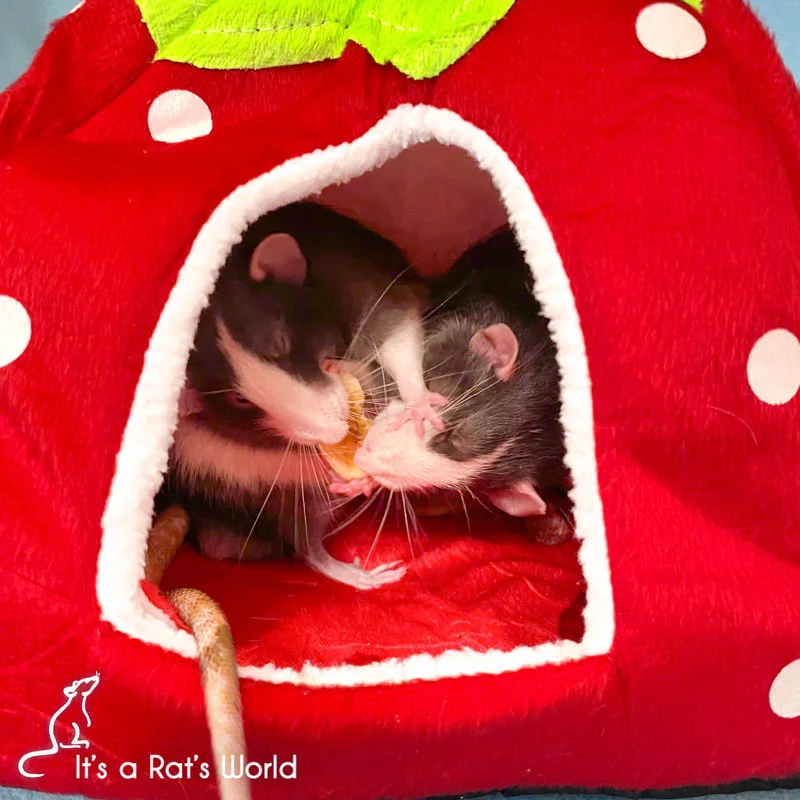
When new acquaintances learn of a deep affection for rats, the reaction is often a mixture of surprise and a barrage of questions. While the extent of their curiosity might be limited, enthusiasts of these often-misunderstood creatures find themselves brimming with an abundance of knowledge about these lovable, peculiar animals. What they often long to convey is the sheer delight and amusement derived from the unique quirks that make rats endlessly fascinating and never boring. Instead, to avoid overwhelming the uninitiated, these fascinating details are often condensed into brief, polite answers, lest the listener’s eyes glaze over. Fortunately, the written word offers a platform to share these endearing habits. This exploration delves into some of the most captivating and often overlooked behaviors of domestic rats, revealing how some quirks possess layers of further peculiarities, only enhancing the overall marvel of these animals. It is important to note that while certain behaviors may be more readily observed during supervised out-of-cage exploration, their inherent adorableness remains consistent.
Bruxing and Boggling: A Symphony of Contentment
Among the most recognized and cherished idiosyncrasies of pet rats is the phenomenon of "bruxing" and "eye boggling." These behaviors, while sometimes alarming to the uninitiated, are unequivocally indicators of a rat’s emotional state. Bruxing, the act of grinding teeth, serves a crucial biological purpose: maintaining the length of their continuously growing incisors. However, its significance extends beyond mere dental hygiene. For rat owners, bruxing is often perceived as a sophisticated form of emotional expression, akin to a feline purr. While some rats may brux when experiencing distress or fear, it most commonly occurs when they are feeling happy and content. This gentle, rhythmic grinding is a welcome sound, signaling a rat’s overall well-being and comfort.

Complementing bruxing is the visually striking behavior of eye boggling. This involves a rapid, involuntary movement of the eyeballs, causing them to bulge outwards from their sockets repeatedly. The effect is often described as cartoonish, reminiscent of characters from classic animated films. The visual spectacle of boggling is intrinsically linked to bruxing. In fact, eye boggling can only occur when a rat is engaged in significant, happy bruxing. The rapid and forceful movements of the jaw muscles, located just behind the eyes, cause these ocular muscles to vibrate, resulting in the characteristic bulging. Observing this phenomenon is a clear indication that the rat is experiencing a profound state of bliss.
The initial encounter with eye boggling can be disconcerting. For owners unfamiliar with this behavior, particularly before the widespread availability of the internet, it could lead to genuine alarm. The visual appearance is so unnatural and seemingly implausible that it can leave an owner questioning their own perceptions. One anecdotal account describes a new owner who, witnessing their rat "eye popping" for the first time, immediately sought veterinary assistance. However, upon describing the behavior, the veterinarian, lacking familiarity with this common rat trait, dismissed it as imagined. This highlights a historical gap in veterinary education regarding the specific nuances of rat behavior. It was only with the advent of online resources that such owners discovered they were not alone in their initial panic, validating that this peculiar yet normal behavior is a widespread characteristic of happy rats.
Fastidious Grooming: A Rodent’s Ritual of Cleanliness
Despite a pervasive misconception that rats are inherently filthy creatures, both wild and domestic rats are remarkably fastidious groomers. Owners are particularly privy to this trait due to its frequent and observable nature. Rats dedicate significant portions of their day to meticulous self-grooming, a ritual that can appear almost obsessive. Utilizing their agile paws to comb through their fur and their teeth to nibble away any impurities, these rodents transform into contortionists as they strive to reach every inch of their bodies. This dedication to cleanliness extends to even the most challenging areas, such as their ears. Many rats will use their hind legs to meticulously clean their ears, followed by a thorough inspection of their toes, as if to remove any residual earwax. This level of attention to detail underscores their commitment to hygiene.

Owners often find themselves captivated by the intricate foot-bathing sessions, where rats meticulously clean each individual toe, often splaying them out to their maximum extent. This detailed examination of their extremities is a testament to their thoroughness. However, a curious anomaly in their otherwise impeccable hygiene routine is their infrequent attention to their tails. In decades of observation, witnessing a rat groom its tail is a rare occurrence, often prompting a double-take and a pause in any ongoing activity. This suggests that while rats are dedicated to keeping their bodies pristine, their tails are largely left to their own devices. Therefore, a rat that does exhibit tail grooming might be considered exceptionally unique within the rat community.
Allogrooming: Social Bonds and Unsolicited Spa Treatments
The obsessive nature of rat grooming extends beyond self-care, manifesting in a behavior known as "allogrooming," or grooming another individual. Rats are known to groom their cagemates, reinforcing social bonds and maintaining a communal sense of cleanliness. This behavior is not unique to rats; many pet species engage in mutual grooming. However, rats can exhibit a particularly assertive and persistent approach to allogrooming, often extending their attentions to their human companions.
This propensity for allogrooming can sometimes lead to amusing, albeit slightly offensive, reactions. A rat might immediately begin grooming itself after being touched by a human, as if critiquing the human’s cleanliness. However, they are more than willing to reciprocate by offering their owners a "bath" of their own. Rats can become fixated on specific areas of their human’s body. Many demonstrate a peculiar fascination with human hair, often licking or gently nibbling it. Others prefer to groom their owner’s faces. Some rats become particularly insistent on cleaning their owner’s cheeks and eyelids. While this may stem from a desire to care for their human, the gentle nibbles can feel less than gentle on sensitive facial areas.
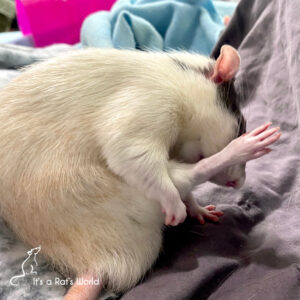
A significant portion of rats direct their grooming efforts towards their owner’s fingers and fingernails. Some rats develop a habit of "nail biting," not their own, but their owner’s. This behavior, while potentially startling, can be interpreted as the rat’s instinct to provide a "trim" or an unsolicited "rat-icure." This act of grooming is not merely about cleanliness; it reflects a complex social dynamic and an expression of affection, albeit sometimes delivered with a touch of forceful enthusiasm.
Rodentists: The Dedicated Dental Hygienists
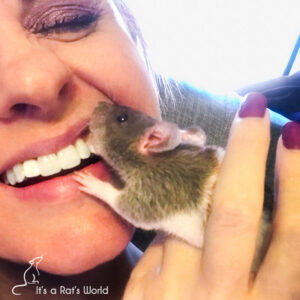
Perhaps one of the most peculiar and widely discussed allogrooming obsessions among rats involves their human’s teeth. This specific quirk is so well-known within the rat-keeping community that it has earned its own designation: "Rodentistry," and the practitioner is termed a "rodentist." A rodentist is a rat that exhibits an intense and unwavering desire to clean its owner’s teeth.
These dedicated dental hygienists display remarkable fearlessness, often inserting their heads into their human’s mouths with the sole objective of removing perceived debris. The exact nature of what they are "cleaning" remains a subject of speculation, but their determination is undeniable. They will persist until they believe their task is complete.
Anecdotal evidence suggests that rats possessing this trait can be incredibly persistent. One such rat, named Rory, was known for his relentless efforts to pry open his owner’s mouth with his small paws, despite protests. Even muffled laughter and verbal refusals did little to deter Rory from his "daily inspection." He would employ his nose to push through tightly closed lips, ensuring his dental cleaning routine was completed. Despite the minor scratches that might result from this intense engagement, the experience was often described as highly amusing, with the owner secretly appreciating Rory’s unwavering dedication to his self-appointed role.
Taste-Testers: A Bold Approach to Shared Sustenance
Rats possess a notable lack of conventional table manners, particularly when it comes to their owner’s food. If allowed out of their cage while their human is eating, they often expect to partake in the meal, sometimes with an astonishing level of assertiveness. They do not politely request a bite or employ pleading gazes. Instead, the moment food is present, rats within a considerable radius are alerted by the aroma and will make a swift, direct approach to snatch food from plates or even fingers. Even attempting to consume food quickly will not deter them; they are known to dive in for a share or, at the very least, ensure all remnants are licked clean from one’s lips.
This behavior is not exclusive to their interactions with humans; rats exhibit similar food-snatching tendencies among themselves. They will readily steal food from their cagemates, even from their mouths. This lack of inhibition around food suggests a deeply ingrained instinct for resource acquisition and a communal, albeit competitive, approach to sustenance.
The reality for owners is that enjoying a snack, such as a bowl of ice cream on the couch, is often a shared experience, with one or more rats attempting to pry the bowl or spoon away. Even beverages are not safe from their curious investigation. Rats are known to perch on the rims of glasses or mugs, eagerly helping themselves to the contents. This behavior, while seemingly audacious, is simply a manifestation of their opportunistic nature and their social dynamics.
Sleeping Styles: Beyond the Standard Slumber
While a sleeping rat is undeniably cute, some take this adorableness to an extraordinary level. This is particularly true for "back-sleepers." Generally, rats tend to avoid sleeping on their backs due to a perceived sense of vulnerability. However, some rats exhibit a preference for this position, sprawling out belly-up as if in a state of complete relaxation and trust.
In some cases, this behavior can become a group phenomenon. One notable instance involved twin rats who not only slept on their backs together but also apparently influenced their unrelated cagemate to adopt the same sleeping posture. This suggests that certain behaviors, even seemingly unusual ones, can be learned and propagated within a rat social group. The visual of multiple rats sleeping soundly on their backs is a heartwarming and amusing sight, further highlighting their unique personalities.

Drinking in Tandem: A Codependent Quencher
The quirkiness associated with rat behavior is further exemplified by their drinking habits. One rat, named Potter, was known for his unconventional approach to hydration. He would often sleep on his back directly beneath the water bottle, a position that inadvertently prevented his cagemates from accessing water without disturbing him. This behavior suggests a deliberate, or perhaps instinctual, desire to make drinking a communal event. Potter reportedly disliked drinking alone and would actively seek out and join any cagemate at the water bottle, regardless of what he was doing.
This tendency for communal drinking was apparently contagious, as eventually, all four rats in Potter’s group would regularly drink simultaneously from the single water bottle nozzle. Adding another layer of peculiarity, Potter himself would often drink while lying on his back, even as his upright cagemates drank alongside him. While tandem drinking is not exclusive to Potter, he was noted for his exceptional codependency and dramatic flair regarding this behavior. This illustrates how individual rats can develop unique social dynamics and habits that impact their group interactions.
The Ever-Evolving Tapestry of Rat Quirks
This exploration has only scratched the surface of the myriad of amusing and endearing traits that rats possess. They continually surprise and delight their owners with their adaptability and individuality. Each rat has the capacity to imbue a particular quirk with a unique personality, making every pet rat an individual to be cherished. Just when an owner believes they have encountered every conceivable strange habit a rat can exhibit, these intelligent creatures invariably find a way to prove them wrong, offering new insights into their complex and fascinating world. The ongoing discovery of these behaviors underscores the depth of their intelligence and the rich social lives they lead, solidifying their place as remarkable and captivating companions.

