


By Diane Burroughs
Published On: Jan 2, 2026
Last updated on: Feb 01, 2026
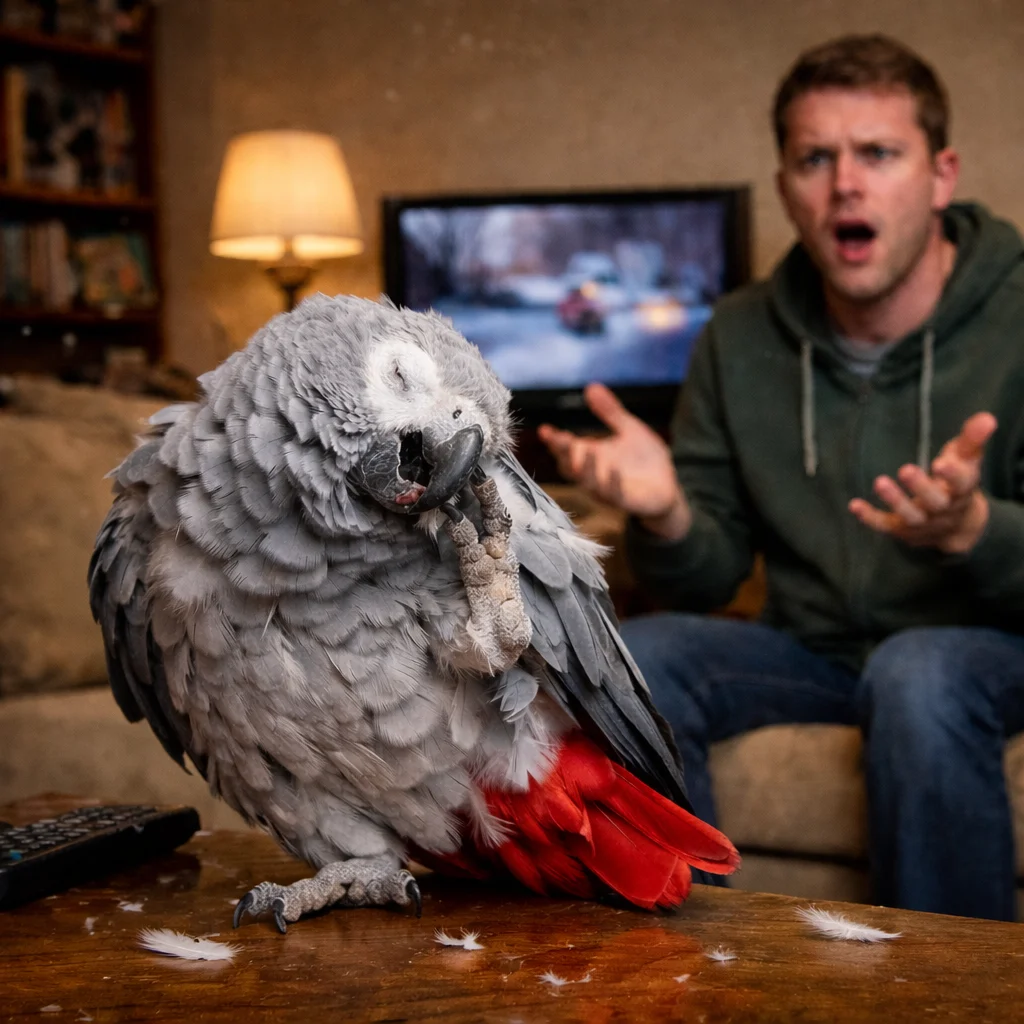
For many bird owners, observing their avian companion scratch and preen with unusual intensity during a molt can be a source of significant anxiety. The natural, albeit uncomfortable, process of feather replacement often presents a perplexing dilemma: is this heightened activity merely a normal response to the physiological demands of molting, or does it signal the nascent stages of a more serious feather-destructive behavior (FDB)? This article aims to equip bird owners with the knowledge to discern between typical molting discomfort and early warning signs that warrant professional attention, drawing upon expert insights and current avian veterinary understanding.
Understanding the Natural Molting Process
Molting is a vital, cyclical biological process for all birds, essential for maintaining healthy plumage, which is critical for flight, insulation, waterproofing, and display. It involves the shedding of old, worn feathers and their replacement with new ones. This process is metabolically demanding, requiring significant energy and nutrient allocation. Most captive birds experience one to two major molts annually, often influenced by seasonal changes, light cycles, and reproductive hormones. During a molt, thousands of individual feathers, which constitute up to 20% of a bird’s body weight, are replaced. Each new feather grows from a follicle in the skin, encased in a protective keratin sheath, commonly known as a "pin feather." As these pin feathers emerge and grow, they can be highly irritating and itchy, akin to human hair growing back after a shave or a persistent itch from a healing wound.
The physiological intensity of molting often manifests as increased preening and scratching. Birds instinctively work to remove the waxy keratin sheaths from new feathers, a process called ‘preening,’ which helps the new feathers unfurl and become fully functional. This is a normal, healthy behavior. However, the discomfort can lead to a delicate balance between necessary preening and potentially excessive manipulation that borders on self-inflicted harm.
The Fine Line: Molt Discomfort vs. Feather Destructive Behavior
The core challenge for owners lies in differentiating between the normal, albeit intense, behaviors associated with molting and the early indicators of FDB. While molting is a natural process, FDB is a complex behavioral and medical syndrome where birds excessively pluck, chew, or damage their own feathers. It is one of the most common and frustrating problems faced by companion bird owners and avian veterinarians, affecting a wide range of species, particularly psittacines (parrots) like African Greys, Cockatoos, and Conures. Early identification is paramount, as established FDB can be notoriously difficult to treat.
Key Differentiators: Intensity, Fixation, and Disengagement
The distinction often hinges not merely on the intensity of the preening or scratching, but on its fixation and the bird’s ability to disengage.
What Normal Molt Discomfort Usually Looks Like:
During a typical molt, a bird might:
- Increase preening frequency and vigor: They will spend more time grooming, often targeting emerging pin feathers, particularly on the head, neck, and chest.
- Exhibit more vigorous scratching: Using their feet to scratch itchy areas, sometimes appearing frantic.
- Show mild irritability: Due to discomfort, they might be less tolerant of handling or appear slightly more withdrawn.
- Display visible pin feathers: Numerous small, quill-like structures will be evident, especially on the head, neck, and underwings, often with a dusty appearance from the keratin sheaths.
- Shed old feathers: You will find an increased number of discarded feathers in the cage and surrounding area.
- Engage in other normal activities: Despite the increased preening, the bird will still eat, drink, play, vocalize, and interact normally for significant periods. The discomfort comes and goes in waves, allowing for breaks in behavior.
When It Starts to Look Concerning (Early FDB Indicators):
Conversely, signs that may indicate a shift towards FDB include:
- Prolonged, intense focus on one area: The bird fixates on a specific body part, repetitively chewing, pulling, or tearing at feathers, often to the exclusion of other activities.
- Difficulty disengaging: The bird struggles to stop the behavior, even when offered food, toys, or interaction. This compulsive element is a significant red flag.
- Observed feather damage: You might see bent, chewed, frayed, or broken feather shafts, particularly on the wings, chest, and legs. Unlike normal molting, where old feathers are shed whole, FDB involves active destruction of growing or established feathers.
- Excessive feather pulling: Actual removal of whole feathers, especially new pin feathers, which can sometimes result in small amounts of blood on the quill.
- Skin irritation or damage: Redness, inflammation, scabs, or even open wounds on the skin underneath the feathers.
- Changes in feather regrowth: Bald patches that do not fill in, or new feathers growing in abnormal shapes or colors.
- Behavioral changes beyond mild irritability: Increased aggression, fearfulness, lethargy, or a significant decrease in engagement with toys or owners.
As noted by Diane Burroughs, "The key question isn’t how dramatic it looks – it’s whether your bird can disengage and return to normal behavior." This ability to interrupt the behavior and redirect attention to other activities is a crucial indicator of whether the discomfort is manageable or becoming obsessive.
The Critical Role of Nutrition in Feather Health
Molting’s intensity is profoundly influenced by a bird’s nutritional status. Feathers are approximately 90% protein, making them one of the most protein-dense structures in the animal kingdom. During a molt, nutrients are constantly redirected to feather production, while the underlying skin and follicles must remain healthy and flexible to allow new feathers to emerge without irritation or damage.
Key Nutrients and Their Impact:
- Protein: Adequate high-quality protein is essential for building new feathers. Deficiencies can lead to weak, malformed feathers, or a prolonged, difficult molt.
- Vitamin A: Critical for the health and integrity of epithelial tissues, including the skin and feather follicles. A deficiency can lead to hyperkeratosis (thickening of the skin), making feather emergence painful and increasing susceptibility to infection. This can exacerbate itching and trigger excessive preening. Common sources include dark leafy greens, carrots, sweet potatoes, and specialized pelleted diets.
- Essential Fatty Acids (EFAs): Omega-3 and Omega-6 fatty acids are vital for maintaining skin elasticity, hydration, and the production of natural oils that keep feathers supple and waterproof. EFA deficiencies can result in dry, flaky skin, dull feathers, and increased itchiness. Sources include flaxseed, chia seeds, and certain nuts, often supplemented through specific avian formulas.
- B Vitamins and Minerals: B vitamins, particularly biotin, are involved in keratin synthesis, while minerals like zinc and sulfur are integral to feather structure.
"Why some molts feel harder than others: When vitamin A or other key nutrients are low, the skin and feather follicles can’t function normally. During molt, that makes new feather growth more irritating because the skin can’t keep up with the demand," explains Burroughs. If a molt appears unusually rough or protracted, it often signals underlying dietary limitations rather than a "problem bird" or mere bad luck. The Merck Veterinary Manual (2024) consistently emphasizes the foundational role of a balanced, species-appropriate diet in preventing and managing dermatological and feathering issues in birds.
Environmental and Behavioral Contributors to FDB
Beyond nutrition, a multitude of environmental and psychological factors can predispose a bird to FDB or intensify molting discomfort. Captive birds, especially parrots, are highly intelligent and social creatures, and their needs are often underestimated.
- Boredom and Lack of Enrichment: A monotonous environment devoid of stimulating toys, foraging opportunities, and regular interaction can lead to chronic stress and self-mutilation as a coping mechanism.
- Social Isolation: Parrots are flock animals. Solitary housing, especially without sufficient human interaction, can lead to anxiety and displacement behaviors.
- Inadequate Cage Size: A cage that is too small restricts movement and exercise, contributing to physical and psychological stress.
- Inconsistent Schedules/Stressful Environment: Frequent changes in routine, loud noises, perceived threats, or lack of a stable environment can elevate stress hormones, impacting skin health and behavior.
- Lack of Sleep: Birds require 10-12 hours of uninterrupted darkness for proper rest. Insufficient sleep can lead to irritability and exacerbate stress.
- Improper Humidity: Low humidity can dry out skin and feathers, increasing itchiness.
- Underlying Medical Conditions: It’s crucial to rule out parasitic infections (mites, lice), fungal or bacterial skin infections, allergies, organ disease, heavy metal toxicosis, or chronic pain, all of which can cause pruritus (itching) and lead to FDB. Cooper & Harrison (1994) extensively detail the various medical etiologies of feather disorders, underscoring the need for thorough veterinary diagnostics.
What You Can Do Right Now: Reducing Irritation and Preventing Fixation
The immediate goal for concerned owners is to alleviate discomfort and prevent the behavior from escalating into a fixed, destructive pattern. Support is most effective when it is calm, steady, and integrated into the bird’s normal routine.
- Optimize Nutrition: Ensure your bird is on a high-quality, species-appropriate pelleted diet, supplemented with fresh vegetables, fruits, and a small amount of healthy seeds. Consider adding avian-specific vitamin A and essential fatty acid supplements under veterinary guidance.
- Increase Humidity: Provide daily misting with plain water, offer regular baths, or use a room humidifier, especially during dry seasons.
- Enhance Environmental Enrichment: Introduce new foraging toys, puzzle feeders, and safe chewable items daily. Rotate toys frequently to maintain novelty.
- Increase Interaction and Training: Spend quality time interacting with your bird through positive reinforcement training, conversation, or gentle petting (if your bird enjoys it). This diverts attention and strengthens the bond.
- Ensure Adequate Sleep: Provide a consistent 10-12 hours of uninterrupted darkness in a quiet, safe space.
- Gentle Grooming: If your bird tolerates it, gently help remove some of the waxy keratin sheaths from accessible pin feathers, especially on the head and neck, using clean hands or a soft brush.
- Maintain a Clean Environment: Regular cage cleaning reduces irritants and potential pathogens.
Common Missteps to Avoid:
Certain reactions from owners, though well-intentioned, can inadvertently worsen the situation.
- Over-focusing on the behavior: Constantly watching, reacting, or scolding the bird for plucking can inadvertently reinforce the behavior by providing attention.
- Applying topical remedies without veterinary advice: Many household products or human creams can be toxic to birds or further irritate their sensitive skin.
- Ignoring the problem: Hoping it will resolve itself can allow FDB to become deeply ingrained.
- Making sudden, drastic changes: Introducing too many new things at once can be stressful. Gradual, consistent changes are more effective.
- Removing perches or toys: This reduces enrichment and can exacerbate boredom and stress.
- Covering the bird excessively: While sleep is important, constant covering during the day can lead to sensory deprivation.
"Support doesn’t mean doing nothing. It means observing closely and responding with practical, science-backed steps that reduce irritation instead of amplifying it," emphasizes Burroughs.
When to Seek Professional Veterinary Care
While home troubleshooting can manage normal molt discomfort, certain signs unequivocally warrant immediate avian or exotic veterinary care. Delaying professional intervention for these symptoms can lead to chronic health issues and make treatment significantly more challenging.
Consult a veterinarian if your bird exhibits:
- Weakness or unusual quietness: A significant change in energy level or vocalization.
- Prolonged fluffing: Staying fluffed up for extended periods, which can indicate illness or pain.
- Squinting or half-closed eyes: Signs of discomfort, pain, or illness.
- Bald areas that aren’t filling back in: Persistent feather loss without regrowth.
- Open skin, bleeding, or visible wounds: Direct evidence of severe self-mutilation.
- Clear feather pulling or damaging: Observing the bird actively tearing or removing feathers with force.
- Weight loss or changes in droppings: General signs of illness.
- Any symptom that feels "off" and doesn’t improve within a few days of implementing supportive care.
As Chen et al. (2020) highlighted in Frontiers in Physiology, the physiological pathways involved in feather growth are complex, and disruptions can have cascading effects. An avian veterinarian can conduct a thorough examination, including blood work, skin scrapings, feather biopsies, and radiographs, to rule out underlying medical conditions. They can also provide guidance on behavioral modification techniques, environmental enrichment strategies, and, if necessary, prescribe medications to manage pain, itching, or anxiety.
FAQ: Quick Answers Owners Search For
- Can plucking start before feathers look damaged? Yes. Early plucking may involve pulling out whole feathers, leaving surrounding feathers looking normal at first. The damage becomes visible over time.
- How long should I watch before worrying? Watch patterns over weeks, not hours. Normal molt discomfort shifts or improves; plucking becomes repetitive and focused. If a concerning behavior persists or escalates over several days to a week, it’s time to act.
- Can molting look fine one day and worse the next? Yes. Molting discomfort often comes in waves. Concern arises when behavior steadily intensifies or fixates over time.
- What’s the real red flag? Fixation – repeated focus on one spot that can’t be interrupted by eating, resting, or play. This compulsive element is a strong indicator of a developing problem.
Expert Perspectives and Broader Implications
Avian experts universally advocate for a proactive, holistic approach to bird care, particularly concerning feather health. Dr. Greg Harrison, a renowned avian veterinarian, has consistently emphasized that FDB is rarely a singular issue but rather a symptom of multifactorial problems – often a combination of nutritional deficiencies, environmental stressors, and psychological distress. The implications of untreated FDB extend beyond cosmetic damage, potentially leading to chronic infections, pain, systemic illness, and a significant reduction in the bird’s quality of life. From an owner’s perspective, managing FDB can be emotionally and financially taxing, underscoring the importance of early intervention and a commitment to ongoing comprehensive care. The adage "prevention is better than cure" holds immense weight in avian medicine.
In conclusion, while the discomfort of molting is a normal part of a bird’s life, owners must remain vigilant. By understanding the nuances between typical molting behaviors and the subtle cues of emerging feather destructive habits, and by proactively addressing nutritional, environmental, and behavioral needs, owners can significantly contribute to their bird’s overall well-being. When in doubt, consulting an avian veterinarian is always the wisest course of action, ensuring that any potential problem is addressed promptly and effectively.
References
- Chen et al., 2020. Frontiers in Physiology.
- Cooper & Harrison, 1994. Avian Medicine.
- Merck Veterinary Manual, 2024.
About Diane Burroughs, LCSW
Diane Burroughs, LCSW – licensed psychotherapist, ABA-trained behavior specialist, and founder of UnRuffledRx. With 30+ years of hands-on experience, Diane helps bird owners distinguish normal behavior from real problems using calm, science-backed care.

