


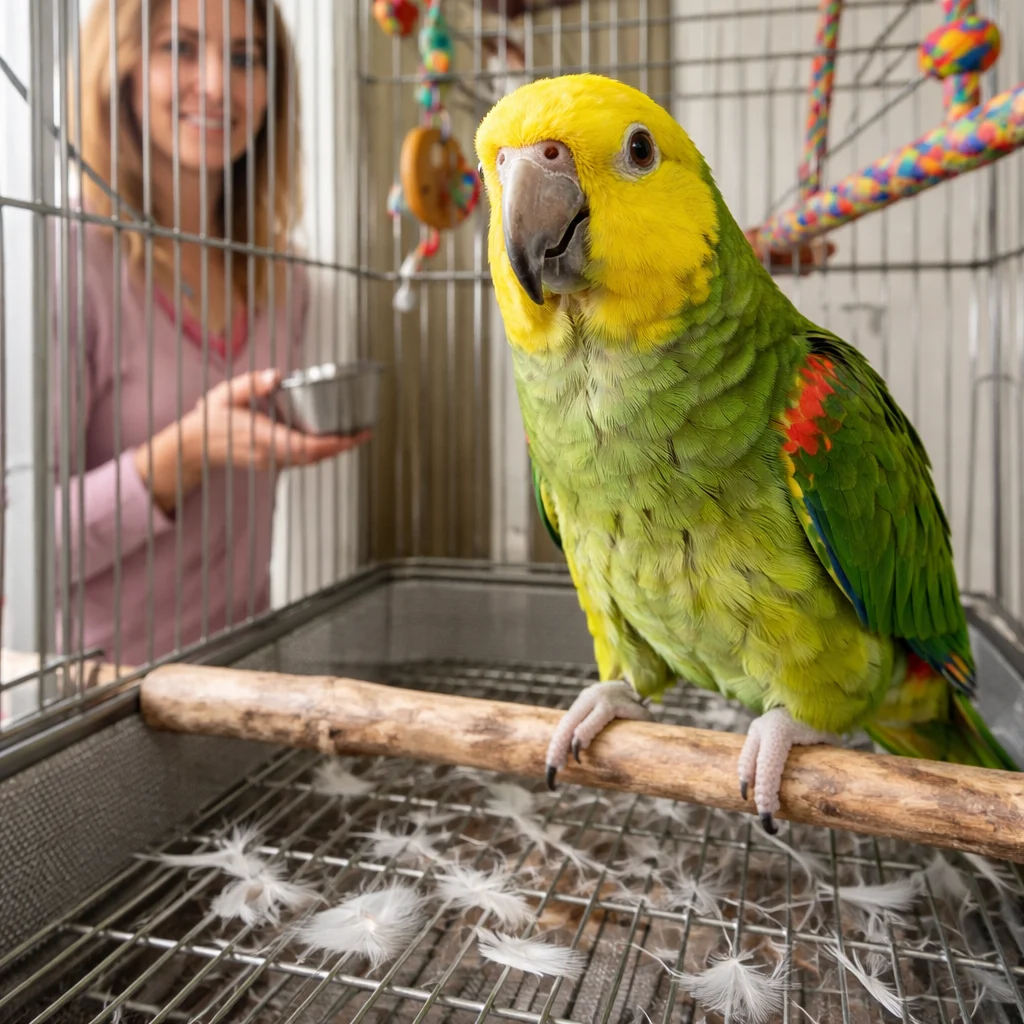
This common lament among avian pet owners often signals a moment of profound concern, triggering immediate anxieties about their bird’s health and well-being. The sight of a cage floor littered with feathers, resembling a pillow’s unfortunate demise, frequently prompts owners to question whether their companion is experiencing a normal biological process or suffering from a more serious behavioral or medical issue like feather plucking or illness. While the initial reaction is often panic, a systematic approach, rooted in "feather forensics," can quickly differentiate between a healthy molt and a cause for veterinary consultation. Most instances of feather loss are part of a bird’s natural physiological cycle, indicating growth rather than distress, though this period can indeed make birds irritable. Understanding the nuanced differences between these phenomena is crucial for timely and appropriate intervention.
The Biological Imperative: Understanding the Molting Process
Molting is a fundamental biological process for all birds, essential for maintaining feather integrity, insulation, flight capability, and overall health. Feathers, made of keratin, are non-living structures once fully grown and are subject to wear and tear from daily activities, preening, and environmental exposure. Consequently, they must be periodically replaced. This process, known as molting, is a hormonally regulated event, typically influenced by photoperiod (day length), temperature, nutrition, and species-specific genetic predispositions.
Physiology of Molting: The initiation of a molt is complex, involving the endocrine system, particularly thyroid hormones and sex hormones. As old feathers are shed, new feathers, called "pin feathers" or "blood feathers," emerge. These nascent feathers are encased in a waxy keratin sheath and contain a blood supply running through their shaft to nourish the growing feather. As the feather matures, the blood supply recedes, and the keratin sheath is gradually shed through preening, revealing the fully formed feather. The presence of white flakes, often referred to as bird dander, alongside fallen feathers, is a strong indicator of an active molt, as these flakes are fragments of the old waxy coating from new feathers.
Molting Cycles and Duration: The frequency and duration of molts vary significantly across species and even within individuals based on age, health, and environmental conditions. Most adult birds undergo at least one complete molt annually, often after the breeding season when energy demands are lower. Some species, particularly those in environments with distinct seasonal changes, may undergo partial molts at other times of the year to replace specific feather tracts. For instance, smaller passerines might have a rapid, less conspicuous molt, while larger parrots can experience a more prolonged and noticeable shedding period, sometimes lasting several weeks to months. Juvenile birds also undergo a "juvenile molt" to replace their first set of feathers with adult plumage. During this period, birds may appear somewhat disheveled or "spiky" due to the simultaneous growth of numerous pin feathers.
The Behavioral Enigma: Delving into Feather Plucking
In stark contrast to molting, feather plucking is a pathological behavior characterized by the bird intentionally damaging or removing its own feathers. This self-mutilating behavior is a complex syndrome, often multifactorial in origin, stemming from a confluence of medical, environmental, and psychological stressors. It is a significant welfare concern in captive birds, particularly parrots, and requires a different diagnostic and therapeutic approach than a natural molt.
Causes of Feather Plucking:
- Medical Conditions: A wide array of underlying medical issues can manifest as plucking. These include:
- Dermatological problems: Skin infections (bacterial, fungal, parasitic), allergies, dry skin, or irritation.
- Systemic diseases: Liver disease, kidney disease, thyroid dysfunction, psittacine beak and feather disease (PBFD), polyomavirus, giardiasis, and aspergillosis.
- Nutritional deficiencies: Imbalanced diets lacking essential vitamins (especially Vitamin A), minerals, or fatty acids can lead to poor feather quality and skin irritation, prompting plucking.
- Pain: Localized pain from injuries, arthritis, or internal organ issues can lead to self-directed plucking at the site of discomfort.
- Environmental Factors: The captive environment, if not adequately stimulating or appropriate, can be a major trigger:
- Inadequate humidity: Dry air can lead to dry, itchy skin, encouraging over-preening and plucking.
- Poor cage hygiene: Dirty cages can harbor bacteria and fungi, leading to skin infections.
- Lack of enrichment: Boredom, lack of mental stimulation, and insufficient opportunities for natural behaviors (foraging, chewing, social interaction) are primary drivers of stereotypical behaviors like plucking.
- Inconsistent light cycles: Irregular or insufficient light can disrupt hormonal balance.
- Exposure to toxins: Environmental irritants, smoke, or certain household chemicals.
- Psychological and Behavioral Issues:
- Stress and anxiety: Changes in routine, new pets, household conflict, loneliness, or perceived threats can induce stress.
- Separation anxiety: Parrots are highly social animals; prolonged isolation can lead to anxiety and self-destructive behaviors.
- Frustration: Unmet needs, such as a desire to breed without a mate or nesting site, can lead to frustration.
- Learned behavior: Sometimes, plucking can become a learned habit, even if the initial trigger is removed. Attention from the owner, even negative attention, can inadvertently reinforce the behavior.
- Bonding issues: Over-bonding with a human can lead to a bird treating the human as a mate, potentially resulting in hormonal-driven plucking.
Diagnostic Protocols: The "Feather Forensics" Approach
Distinguishing between a healthy molt and problematic plucking requires careful observation and a systematic diagnostic approach. The "10-second shaft test" is a rapid initial assessment, providing critical clues from the fallen feathers themselves.
The "Shaft Test":
- Characteristic of Molt: A feather shed naturally during a molt will have a smooth, clear, and slightly pointed quill (the calamus) where it detached from the follicle. This indicates a clean, natural detachment. The feather structure will be intact, without signs of damage to the barbules or rachis. The presence of fine, white dander, which is the powdery residue of the keratin sheath from new feathers, further supports a molting diagnosis.
- Characteristic of Plucking: Conversely, a feather that has been plucked or damaged will exhibit distinct signs of trauma. The quill may appear chewed, jagged, or snapped off, indicating forceful removal or destruction by the bird’s beak. If the feather shaft is broken mid-way, or if the tip of the quill (if still attached to the bird) is bloody, ragged, or inflamed, it strongly suggests active plucking or over-preening behavior. In some cases, the feather may be completely absent from a follicle, leaving only bare skin or a damaged, inflamed follicle.
The Crucial Role of Blood Feathers
While performing "feather forensics," particular attention should be paid to "blood feathers." These are new, growing feathers that still have an active blood supply within their shaft. They are vital for the feather’s development but are also delicate and vulnerable.
Identification and Significance: A blood feather can be identified by its darker, often bluish or purplish, shaft, indicating the presence of blood vessels. As the feather grows, this blood supply recedes, and the shaft becomes clear.
- During Molt: It is normal for birds to shed blood feathers during a molt, especially if they are dislodged by vigorous preening or accidental bumping. A naturally shed blood feather will still show a clean, pointed quill.
- During Plucking: If a bird is actively plucking, it may damage or remove blood feathers, leading to bleeding. A broken or plucked blood feather can bleed profusely, as the bird’s clotting mechanisms might not be sufficient to stop the flow immediately. This can be a serious medical emergency, as significant blood loss, especially in smaller birds, can lead to shock and even death. Owners should be prepared to apply direct pressure to a bleeding blood feather or, in severe cases, contact a veterinarian for immediate intervention. The presence of numerous damaged or bloody blood feathers is a strong indicator of pathological plucking.
Comprehensive Assessment: Beyond the Feather Shaft
While the feather shaft test is an excellent starting point, a comprehensive assessment requires further visual inspection and consideration of behavioral patterns.
1. The "Mist & Part" Test: Dry feathers can obscure underlying skin conditions or emerging pin feathers. Lightly misting the bird with water or a bird-safe aloe vera spray can temporarily flatten the plumage, allowing for a clearer view of the skin. Gently parting the feathers will reveal the condition of the skin.
- Signs of Molting: The presence of numerous "spikes" or pin feathers pushing through the skin is a definitive sign of active molting. These pin feathers, often resembling small porcupine quills, indicate new feather growth. The skin underneath should appear healthy and uninflamed.
- Signs of Plucking: Bare, red, inflamed, irritated, or broken skin, often accompanied by scabs or abrasions, is a strong indicator of plucking. The absence of pin feathers in areas where feathers are missing, or the presence of damaged feather follicles, further supports a plucking diagnosis.
2. The "Hot Spot" Species Check: Behavioral plucking often follows predictable patterns depending on the bird species, providing crucial diagnostic clues. While a bird can technically pluck anywhere, certain areas are more commonly targeted.
- African Greys: Frequently target areas under the wings or the inner thighs. These birds are highly intelligent and sensitive, often succumbing to stress or boredom.
- Cockatiels: Commonly pluck feathers on the shoulders or the center of the chest. These smaller parrots can be prone to plucking due to environmental changes or social deprivation.
- Cockatoos: Exhibit plucking on the chest, belly, and even the head. Their highly social nature and strong need for attention make them particularly susceptible to plucking when their psychological needs are not met. Cockatoos are also adept at using their feet to access and pluck feathers from areas their beak cannot reach directly, such as the back of the head or neck.
- General Rule: In a normal molt, head feathers typically appear as a collection of "spikes" (new pin feathers), not as bare, raw, or scratched skin. If head feathers are absent and the skin is exposed and irritated, it is highly indicative of plucking, possibly aided by the bird’s feet or rubbing against objects.
3. Behavioral Observations: Beyond physical examination, observing the bird’s overall demeanor and habits is paramount.
- Molting Bird: May be more irritable, lethargic, or less active due to the energy demands of feather growth. They might spend more time preening to remove the waxy sheaths from new feathers. Appetite may increase slightly.
- Plucking Bird: May exhibit signs of stress, such as pacing, repetitive behaviors, aggression, or withdrawal. The act of plucking itself is often observed, sometimes accompanied by vocalizations. The bird may appear distressed or frustrated.
Expert Perspectives: Veterinary and Behavioral Insights
Avian veterinarians and certified avian behaviorists emphasize the importance of a holistic approach when addressing feather loss. Dr. Evelyn Montgomery, an avian veterinarian with over 20 years of experience, states, "When an owner presents with feather loss, my first priority is to rule out any underlying medical conditions. We often run blood panels, perform skin scrapings, and conduct infectious disease testing. Only after exhausting medical avenues do we then pivot fully to environmental and behavioral modifications." This highlights the critical sequence of diagnosis, starting with physiological causes.
Avian behaviorist Dr. Liam O’Connell adds, "Many cases of plucking are rooted in chronic stress, boredom, or a lack of species-appropriate enrichment. We often see birds in sterile environments, without sufficient opportunities for foraging, chewing, or social interaction. Addressing these fundamental needs is often as crucial as any medical intervention."
Both experts agree that misdiagnosis can have significant implications. Treating a molting bird for plucking can lead to unnecessary stress and interventions, while overlooking plucking as a behavioral problem can allow underlying issues to fester, leading to chronic self-mutilation and compromised welfare.
Mitigation and Management: Supporting Avian Health
Whether a bird is experiencing a natural, albeit demanding, molt or struggling with the distress of plucking, supportive care is essential.
For Molting Birds:
- Nutritional Support: Molting is energetically intensive. A high-quality, balanced diet rich in protein, essential amino acids (especially methionine and lysine, crucial for keratin synthesis), vitamins (A, D, E, K, B complex), and minerals (calcium, zinc, copper) is vital. Supplementation with omega-3 fatty acids can also improve feather quality and skin health.
- Environmental Support: Ensure a consistent, warm environment. Adequate humidity is beneficial, often achieved through regular misting with plain water or aloe vera spray, or using a humidifier. Providing ample bathing opportunities helps soften feather sheaths and encourages preening.
- Reduced Stress: While minor irritability is normal, maintaining a calm, predictable environment can help the bird navigate this demanding period more comfortably.
For Plucking Birds: This requires a multi-pronged approach, often combining medical treatment with significant behavioral and environmental modifications.
- Veterinary Intervention: Address any identified medical conditions (infections, parasites, organ disease, nutritional deficiencies). This might involve antibiotics, antifungals, antiparasitics, dietary changes, or specific supplements.
- Environmental Enrichment:
- Foraging opportunities: Hide food in toys or puzzle feeders to stimulate natural foraging behaviors.
- Chew toys: Provide a variety of safe, destructible toys made of wood, natural fibers, or paper to redirect chewing instincts.
- Social interaction: Ensure adequate daily interaction with owners or compatible avian companions.
- Perch variety: Offer perches of different textures, diameters, and materials to promote foot health and provide varied sensory input.
- Bathing: Regular bathing or misting can soothe irritated skin.
- UV lighting: Provide full-spectrum lighting, including UVA and UVB, which is crucial for vitamin D synthesis and overall psychological well-being.
- Behavioral Modification: Working with an avian behaviorist can help identify triggers and implement strategies to reduce stress and redirect plucking behaviors. This might involve counter-conditioning, positive reinforcement for non-plucking behaviors, or addressing specific anxieties.
- Dietary Adjustments: Beyond general nutrition, specific supplements targeting skin and feather health, such as omega fatty acids or specific amino acids, may be recommended by a vet.
- Anti-itch and Skin Relief: Products like aloe vera spray can provide temporary relief for irritated skin, but these are palliative and do not address the root cause of plucking.
Implications and Owner Responsibility
The implications of correctly identifying and managing feather loss are significant. A well-managed molt ensures the bird’s continued health and vitality, whereas unaddressed plucking can lead to chronic skin infections, pain, psychological distress, and a severely compromised quality of life. In extreme cases, chronic plucking can lead to self-mutilation of the skin, muscle, and even bone, necessitating radical interventions.
Owner education is paramount. By understanding the nuances of avian feather health, owners can act as their bird’s first line of defense, making informed decisions and seeking professional help when necessary. Early intervention, whether for supportive care during a molt or comprehensive treatment for plucking, is critical for the long-term health and happiness of avian companions. The journey from a floor full of feathers to a healthy, vibrant bird is one of careful observation, informed decision-making, and dedicated care.
About the Author: Diane Burroughs, LCSW, is the founder of UnRuffledRx® and a specialist in avian feather plucking. As a licensed psychotherapist and ABA-trained behavior specialist, Diane has spent over 30 years developing "behavior-first" protocols and nutritional supplements to help parrots thrive. Her work emphasizes understanding the intricate link between avian behavior, environment, and physical health.
References:
- Harr, K. E. (2002). Avian hematology and biochemistry. Veterinary Clinics of North America: Exotic Animal Practice, 5(2), 349-374.
- Olsen, G. H., & Orosz, S. E. (2000). The Veterinary Clinics of North America: Exotic Animal Practice. Saunders.
- Speer, B. L. (2006). Current Therapy in Avian Medicine and Surgery. Saunders Elsevier.
- Lightfoot, T. L., & Macwhirter, P. (2004). Pet bird diseases and care. The Veterinary Clinics of North America: Exotic Animal Practice, 7(1), 1-286.
- Luescher, A. U. (2006). Feather picking in psittacine birds. Veterinary Clinics of North America: Exotic Animal Practice, 9(1), 1-17.

