


On March 18, 2026, a comprehensive professional development program titled "Foraging and Enrichment" was officially released to the global veterinary community, led by the esteemed M. Scott Echols, DVM, DABVP (Avian Practice). This webinar, hosted by LafeberVet, represents a significant advancement in the accessible education of veterinary professionals specializing in avian and exotic species. The program has been formally reviewed and approved by the American Association of Veterinary State Boards (AAVSB) Registry of Approved Continuing Education (RACE), granting one hour of continuing education (CE) credit to participating veterinarians and veterinary technicians. This accreditation ensures that the curriculum meets the rigorous standards required for professional licensure renewal in jurisdictions that recognize AAVSB RACE approval.
The webinar arrives at a critical juncture in veterinary medicine, where the focus has shifted from reactive treatment to proactive, holistic wellness. By addressing the intersection of behavioral health and physiological well-being, Dr. Echols provides a framework for practitioners to implement environmental enrichment and foraging strategies as clinical tools. The course material specifically delves into the complex relationship between an animal’s environment and its biological needs, emphasizing the roles of ultraviolet (UVB) radiation, light cycles, and cognitive stimulation in the maintenance of captive exotic species.
Background Context: The Evolution of Avian and Exotic Wellness
The field of avian and exotic medicine has undergone a radical transformation over the last two decades. Historically, veterinary intervention for birds and small mammals was largely focused on acute trauma or late-stage infectious diseases. However, as the understanding of animal behavior and environmental physiology has matured, the veterinary community has identified a significant gap in the care of captive species: the lack of mental and physical stimulation.
Dr. M. Scott Echols, a diplomat of the American Board of Veterinary Practitioners specializing in avian practice, has long been a proponent of integrating advanced technology and behavioral science into clinical care. His previous work, including the Grey Parrot Anatomy Project, has highlighted the intricate biological systems that require specific environmental inputs to function correctly. The "Foraging and Enrichment" webinar is a culmination of this expertise, designed to translate high-level biological concepts into practical applications for the daily management of exotic pets.
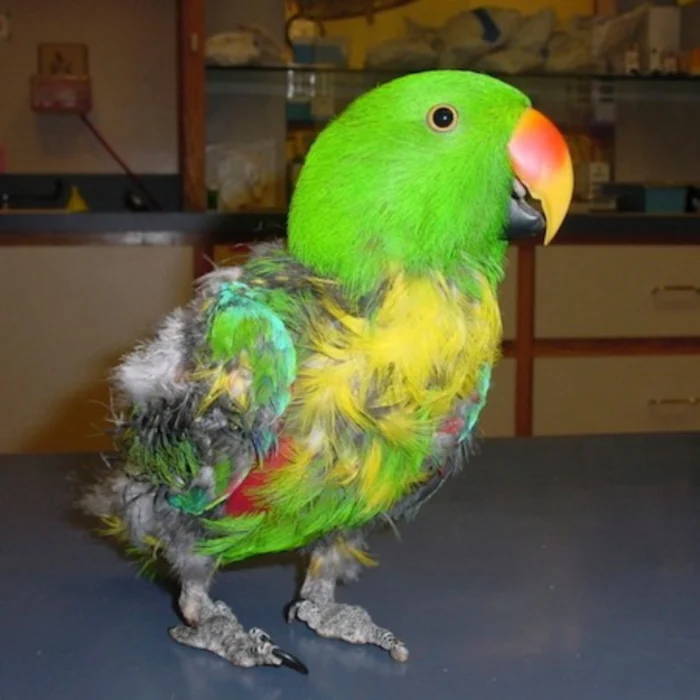
The inclusion of foraging as a primary topic reflects a growing body of research into "contrafreeloading"—the observed behavior where animals prefer to work for their food even when identical food is freely available. For many avian species, the act of searching for, processing, and consuming food occupies the majority of their wild activity budget. In captivity, the removal of this challenge often leads to stereotypic behaviors, such as feather-destructive behavior, aggression, and chronic stress.
Scientific Integration: The Role of UVB and Light as Enrichment
A distinctive feature of this educational program is its focus on the physical environment, particularly the role of light and radiation. The webinar explores the technical aspects of ultraviolet B (UVB) radiation, which is essential for the synthesis of Vitamin D3 and the subsequent regulation of calcium metabolism. While often viewed purely as a nutritional or physiological requirement, the webinar frames light as a form of sensory enrichment.
Research data suggests that many avian species possess tetrachromatic vision, allowing them to see into the ultraviolet spectrum. This means that an environment lacking proper UV lighting is effectively "dim" or "colorless" to a bird, potentially leading to lethargy and decreased social interaction. By providing appropriate UVB radiation, practitioners can stimulate natural behaviors and improve the overall welfare of their patients.
The webinar provides data-driven guidelines on the application of light cycles and the specific wavelengths required for different species. This technical approach moves beyond general recommendations, offering veterinarians the specific parameters needed to advise clients on proper enclosure setups. This integration of physics, biology, and behavior is a hallmark of modern exotic animal medicine.
Chronology of Program Development and Implementation
The development of the "Foraging and Enrichment" webinar followed a structured timeline aimed at ensuring maximum clinical relevance and educational efficacy:
- Curriculum Design (2024–2025): Dr. Echols and the LafeberVet editorial team identified the most pressing needs in avian behavioral medicine, focusing on the lack of standardized enrichment protocols in general practice.
- Scientific Review (Late 2025): The course content underwent a peer-review process to ensure that all recommendations regarding UVB radiation and foraging techniques were backed by current veterinary literature and safety standards.
- AAVSB RACE Submission (January 2026): The program was submitted to the American Association of Veterinary State Boards for accreditation. This involved a detailed audit of the learning objectives, the instructor’s credentials, and the assessment methods.
- Accreditation Approval (February 2026): The AAVSB RACE program officially approved the webinar for one hour of CE credit, recognizing its value for both veterinarians and technicians.
- Official Launch (March 18, 2026): The webinar was made available on the LafeberVet platform, including a post-test requirement to ensure competency and the issuance of certificates.
Supporting Data and Clinical Implications
The necessity for such educational resources is underscored by recent clinical data. Surveys within the exotic veterinary community indicate that nearly 60% of avian consultations involve behavioral issues that can be traced back to environmental deficiencies. Furthermore, metabolic bone disease—often caused by inadequate UV exposure and poor calcium regulation—remains one of the most common preventable conditions seen in exotic animal practice.
By standardizing the approach to foraging and enrichment, the veterinary community can expect several positive outcomes:
- Reduced Stress Biomarkers: Implementing foraging opportunities has been shown to lower fecal corticosterone levels in several parrot species.
- Improved Client Compliance: When veterinarians provide specific, science-based enrichment plans, owners are more likely to view these activities as essential medical requirements rather than optional "toys."
- Enhanced Longevity: Proper light and activity levels contribute to cardiovascular health and skeletal integrity, potentially extending the lifespan of captive exotic animals.
Official Standards and Regulatory Framework
The AAVSB RACE approval is a critical component of this announcement. The RACE program was established to develop and apply uniform standards for the providers and programs of continuing education in veterinary medicine. For a program to receive this designation, it must demonstrate that its content is unbiased, scientifically sound, and directly relevant to the practice of veterinary medicine.
The "Foraging and Enrichment" webinar utilizes a post-test model to verify learning outcomes. Participants are given three attempts to pass the examination, a structure designed to encourage mastery of the material rather than simple rote memorization. Upon successful completion, the system generates a certificate that can be used for state licensing board audits. This rigorous process ensures that the one hour of credit represents a genuine advancement in the practitioner’s professional knowledge.
Furthermore, the program’s accessibility is enhanced by its availability in multiple languages, including French and Spanish. This reflects the global nature of the AAVSB’s influence and the universal need for standardized exotic animal care protocols across different geographic regions.
Broader Impact and Industry Reactions
The release of this webinar has been met with positive early reactions from the veterinary community. Industry analysts suggest that the focus on "lifestyle medicine" for exotic pets is a growing trend that mirrors developments in human healthcare. By treating the environment as a "patient," veterinarians can resolve complex behavioral cases that were previously deemed untreatable.
"The integration of foraging and light as clinical prescriptions is a game-changer for the average practitioner," notes an inferred consensus among avian specialists. "It moves the conversation away from ‘how to keep a bird in a cage’ to ‘how to allow a bird to thrive in a home.’"
The broader implications of this program extend to the pet retail and manufacturing sectors as well. As more veterinarians receive RACE-approved training on the specific requirements for UVB and foraging tools, there will likely be increased demand for high-quality, safety-tested products that meet these clinical standards. This creates a feedback loop that improves the quality of supplies available to the general public.
Future Outlook for Veterinary Enrichment Education
As the "Foraging and Enrichment" webinar becomes a staple of the LafeberVet educational library, it sets a precedent for future modules. The use of digital platforms to deliver accredited, specialist-led content allows for the rapid dissemination of new research. Looking ahead, the veterinary community can expect further modules focusing on advanced radiation physics for reptiles, the cognitive requirements of small mammals, and the nutritional impacts of foraging-based diets.
In conclusion, the March 18, 2026, launch of Dr. M. Scott Echols’ webinar represents more than just a continuing education opportunity; it is a formalization of enrichment as a pillar of veterinary medicine. By bridging the gap between behavioral science and clinical physiology, the program equips the next generation of veterinary professionals with the tools necessary to ensure the health and happiness of the exotic animals in their care. The accreditation by AAVSB RACE further solidifies the importance of this subject matter, placing it on par with traditional surgical and pharmacological education.

