


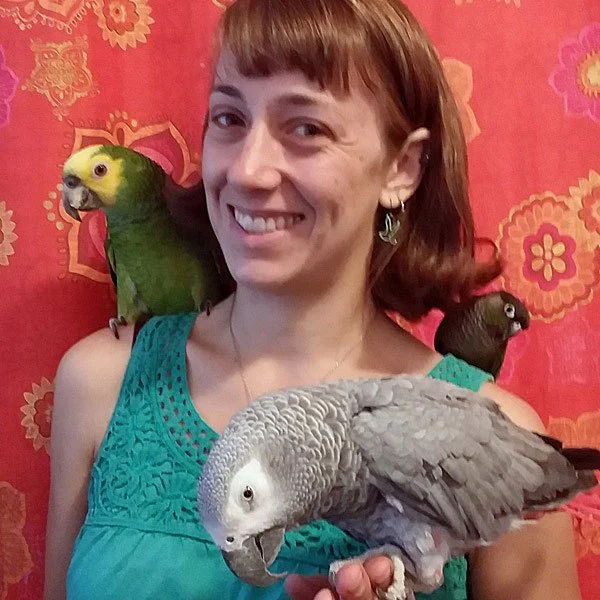
Dr. Stephanie Lamb is poised to deliver the inaugural segment of a comprehensive two-part webinar series titled "Avian Vet Insider – Avian Neoplasia, Part 1," scheduled for Friday, April 10, 2026, at 12:00 p.m. PST. This critical educational event, organized by LafeberVet, aims to provide an in-depth exploration of neoplastic diseases in avian species, a topic of profound concern for both dedicated pet bird owners and veterinary professionals. Participants are strongly encouraged to utilize a reliable time zone converter to ensure accurate attendance from their respective locations.
The webinar series will delve into the sensitive and often complex subject of avian neoplasia, commonly known as cancer in birds. Dr. Lamb, a distinguished expert in avian medicine, will guide attendees through the intricate landscape of these disorders, which encompass a wide spectrum of issues from relatively benign skin masses to aggressively debilitating and sometimes incurable systemic diseases. The decision to divide this heavy topic into two parts underscores the extensive nature of avian oncology and the commitment to providing thorough, digestible information. This initial session is designed to establish a foundational understanding, covering the more prevalent types of avian cancers encountered in clinical practice, alongside an introduction to some of the rarer forms.
Addressing a Critical Gap in Avian Health Education
The "Avian Vet Insider" series, a hallmark initiative of LafeberVet, consistently seeks to bridge knowledge gaps within the avian community by offering advanced, scientifically sound educational content. Avian neoplasia represents a significant health challenge in companion birds, often presenting with subtle symptoms that can easily be overlooked or misdiagnosed until the disease has progressed substantially. Unlike companion mammals, research and standardized protocols for avian cancer diagnosis and treatment are still evolving, making specialized educational platforms like this webinar series indispensable. The increasing longevity of pet birds, attributable to improved husbandry and nutrition, has also led to a higher incidence of age-related diseases, including various forms of cancer, further highlighting the urgency and relevance of this topic.
Meet the Expert: Dr. Stephanie Lamb
The webinar will be led by Dr. Stephanie Lamb, a highly respected and board-certified avian veterinarian. Dr. Lamb’s expertise is widely recognized within the exotic animal medicine community, where she is known for her clinical acumen, dedication to research, and commitment to educating both veterinary professionals and pet owners. Her background typically includes extensive training in avian internal medicine, surgery, and pathology, making her uniquely qualified to dissect the complexities of avian neoplasia. Through her practice and educational outreach, Dr. Lamb consistently emphasizes the importance of early detection, accurate diagnosis, and tailored treatment plans to improve the quality of life for avian patients. Her ability to translate complex medical information into understandable terms is expected to greatly benefit the diverse audience tuning into this webinar.
The Scope of Avian Neoplasia: From Common to Cryptic
Neoplasia refers to the uncontrolled, abnormal growth of cells that can form tumors, which may be benign (non-cancerous) or malignant (cancerous). In birds, these growths can affect virtually any organ system, including the skin, internal organs, bones, and blood. The clinical presentation of avian cancer is incredibly varied, often mirroring non-neoplastic conditions, which poses a significant diagnostic challenge.
-
Common Avian Cancers:
- Lipomas: These benign fatty tumors are frequently observed, particularly in budgerigars and Amazon parrots. While typically non-threatening, large lipomas can impede mobility, cause discomfort, or ulcerate, requiring surgical removal.
- Papillomas: Often viral-induced, these benign tumors can affect the skin, oral cavity, or gastrointestinal tract (e.g., cloacal papillomas). While not directly malignant, they can lead to secondary infections, obstruction, or chronic irritation.
- Squamous Cell Carcinomas (SCC): A highly aggressive malignant tumor often found on the skin, beak, or oral cavity. SCCs are locally invasive and can metastasize, posing a severe threat to the bird’s life.
- Fibrosarcomas: These malignant tumors originate from connective tissue and can appear in various locations, often growing rapidly and invading surrounding tissues.
- Internal Organ Neoplasia: Cancers affecting internal organs such as the kidneys (renal adenocarcinomas), liver (hepatocellular carcinomas), gonads (testicular or ovarian tumors), or pancreas are common but often diagnosed late due to their insidious nature and non-specific symptoms.
- Lymphoma and Leukemia: These systemic cancers involve the lymphatic system or blood-forming tissues. They can manifest with widespread signs, making diagnosis challenging without advanced diagnostics.
-
Rarer Forms of Avian Cancers: Dr. Lamb is also expected to touch upon less common but equally devastating forms of avian neoplasia, such as osteosarcomas (bone cancer), pituitary adenomas (tumors of the pituitary gland causing neurological signs), and various endocrine tumors. Understanding these rarer conditions is crucial for veterinarians encountering atypical clinical presentations and for pet owners seeking answers for their birds with unusual symptoms.
The Challenges of Diagnosis and Treatment
Diagnosing avian neoplasia presents several unique challenges. Birds are masters at masking illness, often concealing symptoms until the disease is far advanced. Their small size, delicate physiology, and the financial constraints of owners can limit the scope of diagnostic procedures.

-
Diagnostic Modalities:
- Physical Examination: A thorough palpation can detect external masses or organomegaly.
- Blood Work: Complete blood counts and biochemistry panels can reveal systemic inflammation, anemia, or organ dysfunction, though they are rarely specific for neoplasia.
- Radiography (X-rays): Can identify internal masses, organ enlargement, or bone lesions.
- Ultrasonography: Useful for visualizing soft tissue masses, particularly in the coelomic cavity, and for guiding biopsies.
- Endoscopy: Allows direct visualization of internal organs and masses, facilitating targeted biopsies.
- Computed Tomography (CT) and Magnetic Resonance Imaging (MRI): Offer highly detailed cross-sectional images, invaluable for staging cancer and surgical planning, but are expensive and require specialized equipment.
- Cytology and Histopathology: The gold standard for definitive diagnosis, involving the microscopic examination of cells (cytology) or tissue samples (histopathology) obtained via fine-needle aspirate or biopsy.
-
Treatment Options:
- Surgery: Often the treatment of choice for localized, resectable tumors, particularly benign ones. However, the delicate nature of avian patients and the invasiveness of many tumors can limit surgical feasibility.
- Chemotherapy: While options are fewer than in mammalian oncology, some chemotherapeutic agents have been used in birds, often with careful consideration of side effects.
- Radiation Therapy: Available at specialized veterinary oncology centers, radiation can be effective for certain localized tumors, but access and cost are significant barriers.
- Palliative Care: For advanced or incurable cancers, the focus shifts to managing pain, maintaining comfort, and improving the bird’s quality of life through supportive care, nutritional adjustments, and symptomatic treatment.
Implications for Avian Welfare and Veterinary Practice
The "Avian Vet Insider – Avian Neoplasia, Part 1" webinar carries significant implications for the broader avian community. For pet bird owners, it offers invaluable knowledge that can empower them to recognize early signs of illness, advocate for their birds, and make informed decisions in collaboration with their veterinarians. Early detection dramatically improves the prognosis for many forms of cancer, underscoring the importance of owner vigilance and regular veterinary check-ups.
For veterinary professionals, the webinar serves as a vital continuing education opportunity. Given the increasing number of companion birds and the growing sophistication of exotic animal medicine, general practitioners often require specialized knowledge to effectively diagnose and manage avian diseases. Dr. Lamb’s presentation will enhance their diagnostic capabilities, refine their understanding of treatment protocols, and encourage a more proactive approach to avian oncology. This, in turn, contributes to a higher standard of care for avian patients across the globe.
Furthermore, this educational initiative highlights the ongoing need for increased research into avian cancer. By raising awareness and fostering a deeper understanding of the disease, the webinar can stimulate interest in scientific inquiry, leading to the development of novel diagnostic tools, more effective treatments, and better preventative strategies. Organizations like LafeberVet play a crucial role in disseminating current research and best practices, thereby contributing to the advancement of avian veterinary medicine as a whole.
The Role of Preventative Care and Owner Vigilance
While not all cancers are preventable, several factors can influence a bird’s risk. The webinar will likely touch upon the critical role of optimal husbandry, including:
- Balanced Nutrition: A high-quality, pelleted diet supplemented with fresh vegetables and fruits, as advocated by many avian veterinarians, is crucial for overall health and immune function. Poor nutrition can weaken the immune system and potentially contribute to cellular abnormalities.
- Clean Environment: A hygienic living space reduces exposure to toxins and pathogens that could contribute to disease.
- Stress Reduction: Chronic stress can suppress the immune system, making birds more susceptible to various illnesses, including potentially neoplastic conditions.
- Regular Veterinary Check-ups: Annual wellness exams are paramount for early detection. Veterinarians can identify subtle changes, perform baseline diagnostics, and provide guidance on preventative care.
- Owner Observation: Pet bird owners are often the first to notice changes in their bird’s behavior, appetite, droppings, feather quality, or physical appearance. Prompt communication of these changes to an avian veterinarian is critical.
Looking Ahead: Part 2 and Beyond
The decision to present avian neoplasia as a two-part series emphasizes the depth and complexity of the subject. While Part 1 will lay the groundwork by covering common and rare types of cancer, it is anticipated that Part 2 will delve into more advanced topics such as specific diagnostic algorithms, detailed treatment modalities, prognostication, and perhaps case studies to illustrate practical applications of the discussed principles. This structured approach ensures that attendees gain a comprehensive and actionable understanding of avian cancer, from initial suspicion to long-term management.
The "Avian Vet Insider – Avian Neoplasia, Part 1" webinar is not merely an educational session; it is a vital step forward in advancing avian health. By empowering pet bird owners and veterinarians with specialized knowledge, LafeberVet and Dr. Stephanie Lamb are contributing significantly to the welfare and longevity of companion birds, ensuring that these cherished companions receive the highest possible standard of care in the face of challenging diseases like cancer. Interested individuals are encouraged to register promptly to secure their virtual attendance for this indispensable event.

