


The well-being of companion parrots hinges significantly on their owners’ readiness to face unforeseen medical emergencies. While no parrot owner wishes to confront illness or injury in their cherished feathered companion, proactive preparation is not merely advisable but often determines the outcome in critical situations. Understanding the immediate steps to take, having access to specialized veterinary care, and maintaining essential emergency supplies can be the crucial difference between life and death for these often-fragile creatures.
Are you equipped to handle a bleeding parrot? Is the contact information for an avian veterinarian readily accessible in your phone? Do you possess a dedicated parrot first aid kit within your home? If the answer to any of these questions is negative, or if you are contemplating welcoming a parrot into your family and seek comprehensive guidance on emergency protocols, this article provides essential insights into managing a sick or injured parrot to maximize their chances of survival and full recovery.
Immediate Action in a Crisis:
It is imperative to halt reading if your parrot is currently experiencing a medical emergency that is visibly urgent, such as severe difficulty breathing, unresponsiveness, or profuse bleeding. In such scenarios, your priority is to immediately place your bird in a secure carrier and contact an avian veterinarian while en route to the clinic. If the urgency is uncertain, initiate a call to your veterinarian from your home, providing a detailed description of the situation to receive professional guidance on the appropriate course of action. Should immediate veterinary care be unavailable, the subsequent sections on "While You Wait for the Vet" offer critical interim measures, though continuous efforts to reach different avian clinics are strongly recommended.
The Foundation of Care: Preparing for Emergencies
Preventative measures consistently outperform reactive treatments in efficacy. Therefore, the cornerstone of parrot emergency preparedness lies in identifying and establishing a relationship with a qualified avian veterinarian before any incident occurs. Avian veterinarians possess specialized knowledge and equipment vital for diagnosing and treating birds, which differ significantly from mammals. Saving their contact information in your phone is a non-negotiable step. Beyond medical access, financial preparedness is crucial; veterinary treatments, especially emergency interventions, can incur substantial costs. Establishing an emergency fund specifically for your bird’s health or securing pet insurance designed for avian species can alleviate financial burden during stressful times.
In addition to these foundational steps, three primary areas demand attention to effectively prepare for a parrot health emergency. Addressing these aspects can significantly reduce the likelihood of emergencies and, if they do occur, mitigate their escalation.
Hazard Prevention: Ensuring Parrot Safety
For seasoned parrot owners, the principles of parrot safety may seem self-evident. However, periodic review of best practices remains beneficial to ensure no critical safeguards are overlooked. For individuals new to parrot ownership, understanding the unique temperament and vulnerabilities of these intelligent birds is paramount. Parrots are inherently curious and possess a high degree of sensitivity, which, regrettably, renders them exceptionally prone to accidental injury.
Their inquisitive nature often leads them into hazardous situations: chewing on live electrical cables, ingesting toxic household plants, becoming entrapped in confined spaces, or escaping through inadequately secured windows or doors. Consequently, it is imperative that your parrot’s access within your home is restricted solely to "parrot-proofed" environments. This includes rigorous adherence to safety protocols such as ensuring all doors and windows are securely closed, preventing access by other household pets that might pose a threat, and systematically removing all potentially toxic or dangerous items from their reach.
Expert Insight: It is vital to extend parrot-proofing to the bird’s own cage and immediate environment. Many commercially available parrot toys may not be inherently safe or can become hazardous as they deteriorate. Regular inspection of toys for wear and tear, loose parts, or sharp edges is crucial. Furthermore, maintaining impeccable cage hygiene is a fundamental preventative measure against illness. According to Dr. Daisy May, Psittacology’s resident veterinarian, "Many common houseplants, such as Dieffenbachia, lilies, and philodendrons, are highly toxic to parrots and can cause severe illness or even death. Owners should meticulously research all plants in their home and opt for known parrot-safe alternatives like African Violets or certain types of ferns."
Assembling a Comprehensive Parrot First Aid Kit
Despite the most meticulous preventative measures, accidents remain an unfortunate reality of pet ownership. A parrot’s toe might become caught, it could collide with a window, or a delicate blood feather might fracture, leading to sudden bleeding. These scenarios underscore the importance of preparedness, and one of the most effective steps is to assemble a well-stocked avian first aid kit, stored in an easily accessible location within your home.

A robust parrot first aid kit should minimally include the following items:
- Styptic powder (e.g., Kwik Stop): Essential for rapidly staunching bleeding from minor cuts, broken blood feathers, or nail trims.
- Sterile gauze pads and cotton balls: For applying pressure to wounds and cleaning.
- Non-adhesive sterile bandages or Vetrap: To secure dressings without sticking to feathers or skin.
- Antiseptic wipes or solution (e.g., chlorhexidine or povidone-iodine, diluted as directed by a vet): For cleaning minor wounds. Avoid alcohol-based products, which can be irritating.
- Blunt-nosed scissors: For safely trimming bandages or feathers around an injury.
- Tweezers: For removing splinters or foreign objects.
- Magnifying glass: For close inspection of small wounds or parasites.
- Heating pad (covered and set on low) or a microwavable heat pack: To provide crucial warmth for a sick or shocked bird. Hot water bottles are an option but carry a risk of bursting.
- Small, dark carrier: Lined with paper towels, essential for safe transport to the vet. The ability to darken the carrier minimizes stress.
- Oral rehydration sachets (e.g., unflavored Pedialyte or bird-specific electrolyte solutions): To help combat dehydration.
- Syringes (without needles, various sizes): For administering water or oral rehydration solution, especially for syringe-trained birds.
- Flashlight or headlamp: For examining your bird in dim lighting or hard-to-reach areas.
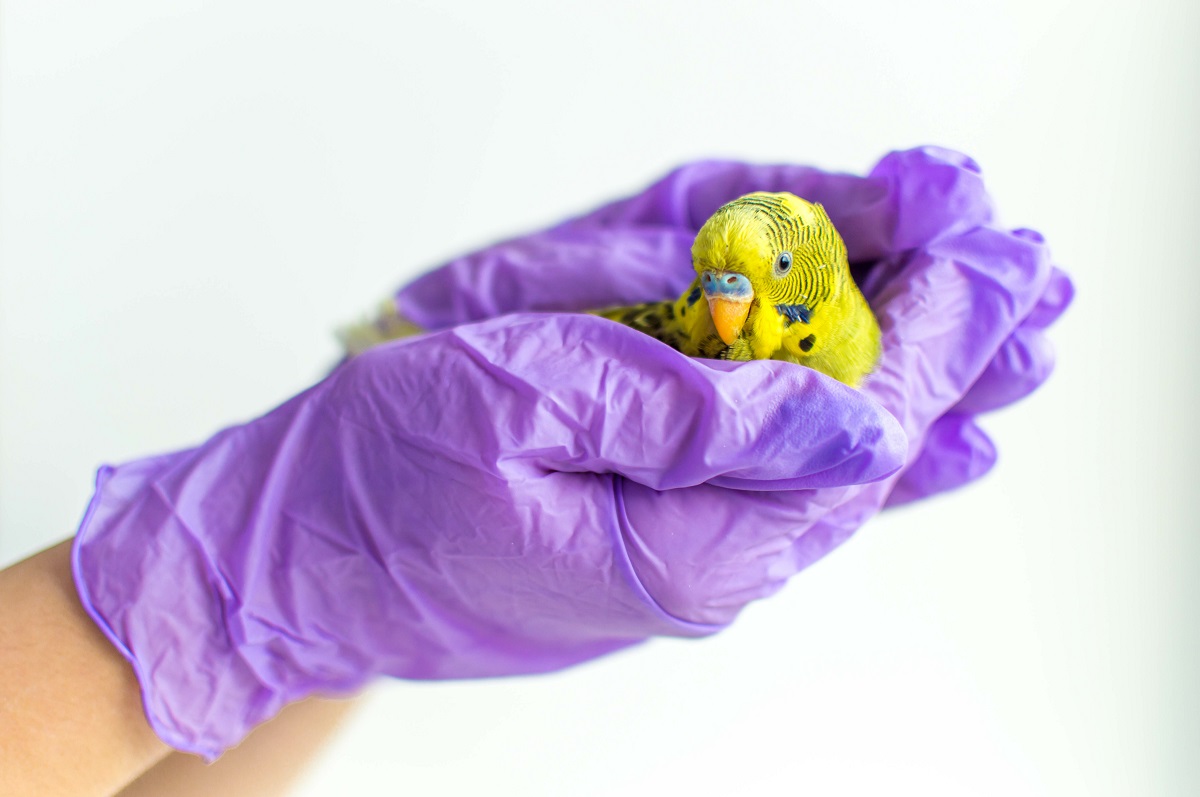
- Disposable gloves: To maintain hygiene and prevent cross-contamination.
- Emergency contact list: Including your avian vet, emergency clinics, and trusted bird-sitter.
Crucially, every member of the household should be aware of the first aid kit’s location and possess a basic understanding of how to use its contents, particularly the blood clotting powder. Parrots possess a relatively small blood volume, making rapid intervention critical in bleeding incidents. Dr. Daisy May emphasizes this point: "Approximately 10% of a bird’s body weight is blood. For instance, a 100-gram cockatiel has about 10 milliliters of blood, and it can safely lose only about 10% of this volume. This means a loss of just over 1 milliliter of blood in a cockatiel can quickly become dangerous or even fatal. Time is truly of the essence when a parrot is bleeding."
Recognizing the Signs: Common Symptoms of Illness
A fundamental aspect of parrot care is the ability to recognize signs of illness or pain. Unlike humans or even some mammals, parrots are masters of concealment when unwell. This instinctual behavior, developed to avoid predation in the wild, unfortunately means that by the time overt symptoms appear, a parrot’s condition may already be quite advanced.
The most vital step in early detection is intimately knowing your bird’s healthy baseline behavior. Observe its normal responses to you, its general activity levels, typical posture, the appearance and scent of its feathers, and the consistency of its droppings. Any deviation from this established norm should trigger concern.
Dr. Daisy May advises contacting your avian veterinarian for an immediate consultation or to schedule an appointment if you observe any of the following symptoms:
- Changes in Droppings: Variations in color (excluding dietary influences like beetroot or bell pepper), consistency (e.g., watery diarrhea, unusually dry), or volume.
- Decreased Appetite or Thirst: A noticeable reduction in food or water intake.
- Lethargy or Reduced Activity: A bird that is unusually quiet, sleeping excessively, or less interactive than usual.
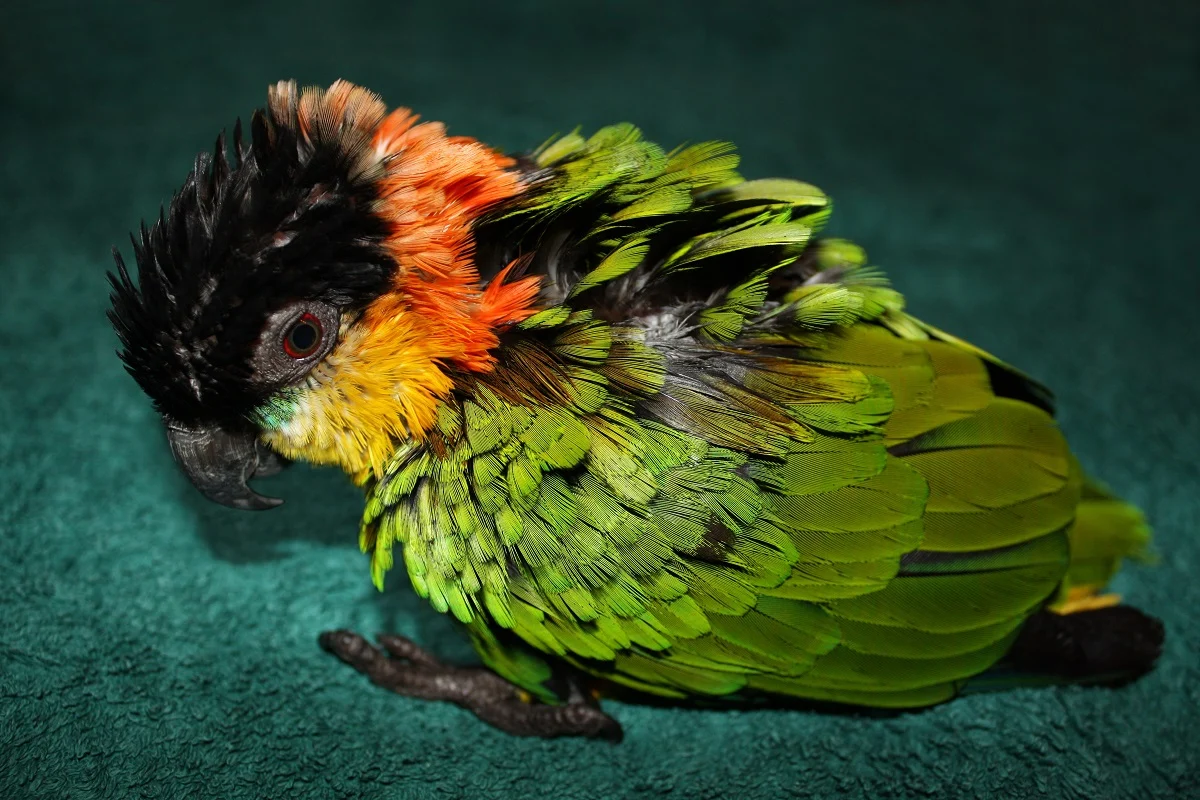
- Fluffed or Ruffled Feathers: While normal during sleep, sustained ruffling can indicate a bird is trying to conserve heat due to illness.
- Changes in Vocalization: A normally chatty bird becoming silent, or a silent bird suddenly vocalizing in distress.
- Slight Eye or Nasal Discharge: Any watery or cloudy discharge from the eyes or nostrils.
- Minor Lameness or Reluctance to Use a Limb: A subtle limp or favoritism of one leg.
- Mild Balance Issues: Slight unsteadiness on the perch.
- Changes in Perching Behavior: Spending more time on the cage bottom than usual.
- Feather Picking or Over-Preening: While sometimes behavioral, it can also indicate underlying discomfort or disease.
Critical Symptoms Requiring Immediate Veterinary Attention:

Certain symptoms demand immediate action and a direct rush to the avian vet, often requiring oxygen, a warmed brooder, and fluid therapy (oral or intravenous). You should call the vet while en route:
- Severe Difficulty Breathing: Open-mouthed breathing, tail bobbing, audible clicks or wheezing, or stretching of the neck to breathe.
- Non-responsiveness or Collapse: A bird that is unresponsive, lying on its side, or unable to perch.
- Profuse or Uncontrolled Bleeding: Any bleeding that cannot be quickly stopped with styptic powder and pressure.
- Seizures or Tremors: Involuntary muscle contractions or shaking.
- Paralysis or Inability to Stand/Walk: Loss of function in limbs.
- Open Wounds or Fractures: Visible bone or deep lacerations.
- Head Trauma: Following a collision or fall.
- Sustained Vomiting or Regurgitation (distinguishing between the two is key): Vomiting is a forceful expulsion of stomach contents, while regurgitation is often a controlled act for feeding mates or chicks.
- Severe Diarrhea: Persistent, watery droppings that indicate rapid fluid loss.
- Rapid Weight Loss: Noticeable thinning of the breast muscle.
- Persistent Head Tilt or Loss of Balance: As observed in one budgie owner’s experience where immediate vet intervention for a head tilt led to full recovery.
- Unusual Swellings or Lumps: Especially if rapidly growing or painful.
- Prolapse of the Cloaca: Tissue protruding from the vent.
Proactive Health Measures: Taking your parrot for twice-yearly health check-ups is an invaluable preventative measure. These routine visits allow your veterinarian to detect potential problems early, including subtle nutrient imbalances, organ dysfunction, or early signs of infectious diseases, long before they become life-threatening emergencies.
Bridging the Gap: While You Wait for the Vet
You’ve contacted your avian veterinarian, but a significant travel time lies ahead, or your parrot cannot be seen immediately. In these critical moments, providing basic emergency care yourself can be lifesaving. Maintaining composure is paramount; take a deep breath and follow these guidelines.
Controlling Hemorrhage:
If your parrot is bleeding, stopping the blood loss is your absolute first priority. Apply styptic powder directly to the bleeding site and apply gentle, continuous pressure using a clean gauze pad for several minutes. If the wound is deep and appears to penetrate a body cavity (e.g., abdomen or thorax), bypass the styptic powder and apply direct pressure with sterile gauze while rushing to the vet without delay. Birds possess relatively efficient clotting mechanisms, and these measures are usually sufficient for minor bleeding. If bleeding persists, continue applying pressure until professional veterinary care can be administered.
When applying pressure, exercise extreme caution to avoid restricting your bird’s ability to expand its chest. Unlike mammals, birds lack a diaphragm and rely entirely on the expansion and contraction of their chest wall for respiration. Any impediment to this movement can compromise their breathing, which is already likely labored in an emergency.

Providing Critical Support: Isolation and Warmth
Stress and shock are significant contributors to mortality in sick or injured birds. Avian veterinarians often adopt a "hands-off" approach with severely distressed or critically ill parrots, recognizing that even minimal handling can exacerbate stress to a fatal degree in an already compromised bird.
Furthermore, parrots in dire health often struggle to maintain their core body temperature. Providing supplemental warmth is therefore essential, with an ideal ambient temperature of approximately 85°F (29°C) being recommended. To achieve isolation and warmth, prepare a small carrier or a clean box. Line it with soft, absorbent material such as kitchen paper or towels. Place a covered heating pad set to low, or a wrapped hot water bottle (microwavable heat pads are generally safer as hot water bottles can burst), inside the enclosure. Cover the container to create a dark, quiet environment, which further reduces stress. This prepared container can then be used to transport your bird to the veterinary clinic.
Addressing Dehydration:
Vomiting or diarrhea can quickly lead to dehydration in parrots. Moderate to severe dehydration constitutes a veterinary emergency and requires immediate professional intervention. However, in cases of mild dehydration, you can provide initial support at home.
To assess the degree of dehydration, you can perform a quick check of the basilic wing vein refill time. Locate your bird’s basilic wing vein, which typically appears as a raised blue line running across the "elbow" (humeral-radioulnar joint) on the inside of the wing. Gently press on the vein with your finger to temporarily displace the blood. In a healthy, well-hydrated bird, the vein should refill instantly upon lifting your finger. A delayed refill indicates dehydration. If the vein takes more than two seconds to refill, it signals moderate to severe dehydration, necessitating immediate veterinary attention. In any severely ill bird, it is generally safe to assume some degree of dehydration is present.
Your parrot first aid kit should contain rehydration sachets. Prepare these solutions according to package instructions and offer them to your bird. However, critically ill birds are often reluctant to drink independently, highlighting the urgency of veterinary care. Mildly dehydrated birds that remain bright, alert, and capable of swallowing comfortably may be offered the rehydration solution from a teaspoon or a syringe, particularly if they are syringe-trained.

Any fluids offered must be gently warmed to body temperature. Administering cold fluids can further decrease a sick bird’s body temperature, exacerbating their struggle to maintain warmth. If your parrot is unwilling to drink independently, it is crucial to exercise extreme caution regarding manual fluid administration. Unless you have received explicit, hands-on training from a qualified avian veterinarian, technician, or nurse on how to safely administer fluids directly to the back of your bird’s mouth while meticulously avoiding the windpipe, do not attempt it. The risk of aspirating fluids into the bird’s lungs is significant and can be fatal.
The Broader Implications: Owner Responsibility and Lifesaving Preparedness
The fragility of parrots and the rapid escalation of emergencies underscore that proactive engagement in their health is a core responsibility of pet ownership. The implications of preparedness extend beyond the immediate crisis; they directly influence the bird’s prognosis, the financial strain on the owner, and the emotional well-being of the entire household. A prepared owner can act decisively, potentially preventing minor issues from becoming catastrophic and significantly improving the chances of a full recovery for their beloved companion. Conversely, a lack of preparedness can lead to delayed treatment, increased suffering, and potentially irreversible outcomes.
In conclusion, the absolute top priority when any health concern arises with your parrot is to secure the expertise of an avian veterinarian. Birds are incredibly delicate beings, and emergencies can escalate with alarming speed. Being prepared—with an identified vet, an emergency fund, a parrot-proofed home, and a well-stocked first aid kit—is not just an option, but a fundamental commitment to the welfare of these extraordinary pets.
Sources:
- Avianmedicine.net: Emergency and Critical Care
- Psittacology.com: Expert veterinarian insights on parrot care.
- General consensus among avian veterinary professionals regarding emergency protocols and preventative care for pet birds.

