


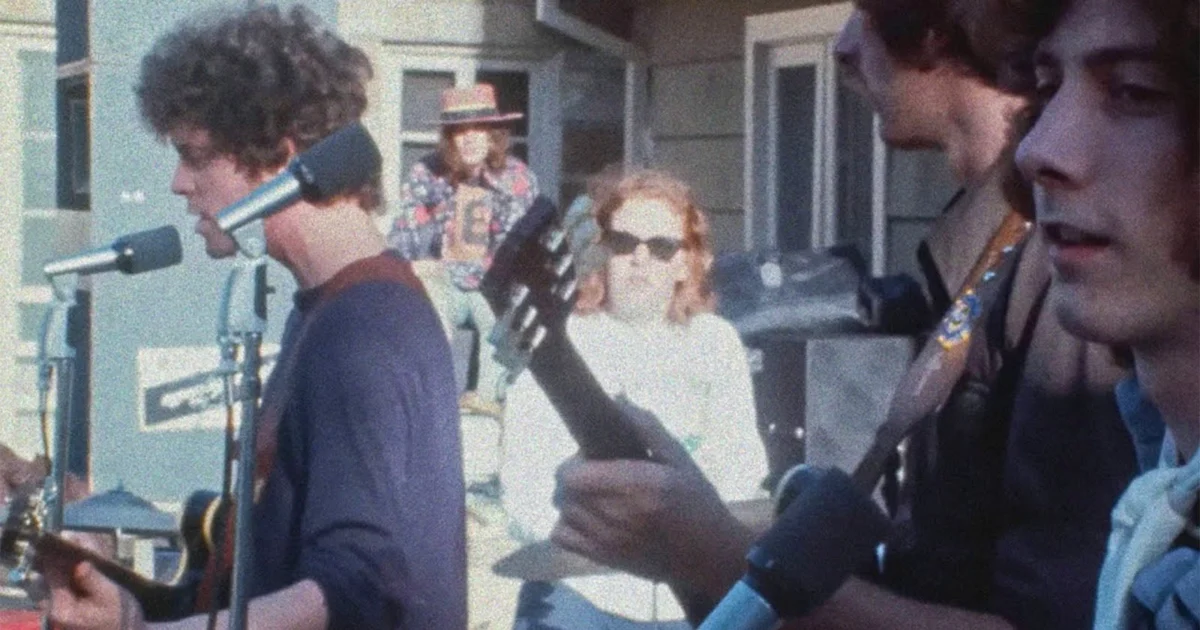
The restoration of a long-lost film capturing The Velvet Underground performing during a 1969 anti-war protest in Texas has provided a rare glimpse into the live presence of one of rock music’s most influential yet historically overlooked ensembles. Although The Velvet Underground is now celebrated as a cornerstone of avant-garde rock and a primary influence on punk, New Wave, and alternative music, the band spent much of its active years in the late 1960s operating on the periphery of commercial success. This newly revitalized footage, unearthed from the G. William Jones Film and Video Collection at Southern Methodist University (SMU) in Dallas, serves as a vital historical document of the band’s late-era lineup during a pivotal moment in American political history.
The film, which has recently gained significant traction on digital platforms after being meticulously restored by videographer and film archivist Jack Amadon, depicts the band performing at the Dallas Peace Moratorium on October 15, 1969. The discovery and subsequent restoration represent a major milestone for musicologists and fans alike, as professional-grade footage of the band from this era is exceedingly scarce.
The Discovery and Archival Context
The journey of this footage from a forgotten canister to a high-definition digital restoration began in 2019. During a routine cataloging effort at the SMU film archives, researchers stumbled upon reels containing silent footage of a political rally. Upon closer inspection, it became clear that the musicians on the makeshift outdoor stage were Lou Reed, Sterling Morrison, Doug Yule, and Maureen "Moe" Tucker—the classic late-period roster of The Velvet Underground.
The G. William Jones Film and Video Collection is known for its extensive holdings of newsreel footage and regional television archives, particularly those related to the Dallas-Fort Worth area. The fact that The Velvet Underground, a quintessentially New York City band associated with Andy Warhol’s "Factory" scene, appeared in a Texas news archive is a testament to the band’s relentless touring schedule in 1969. During this period, the group spent a significant amount of time performing in the American South and Midwest, often playing multi-night residencies at small clubs.
Historical Backdrop: The 1969 Peace Moratorium
The event captured in the film was part of the Moratorium to End the War in Vietnam, a massive nationwide demonstration and teach-in across the United States. On October 15, 1969, millions of people participated in protests, vigils, and rallies to express their opposition to U.S. involvement in the Vietnam War. In Dallas, a city then known for its conservative political climate, the Moratorium was a significant gathering of the local counterculture, students, and activists.
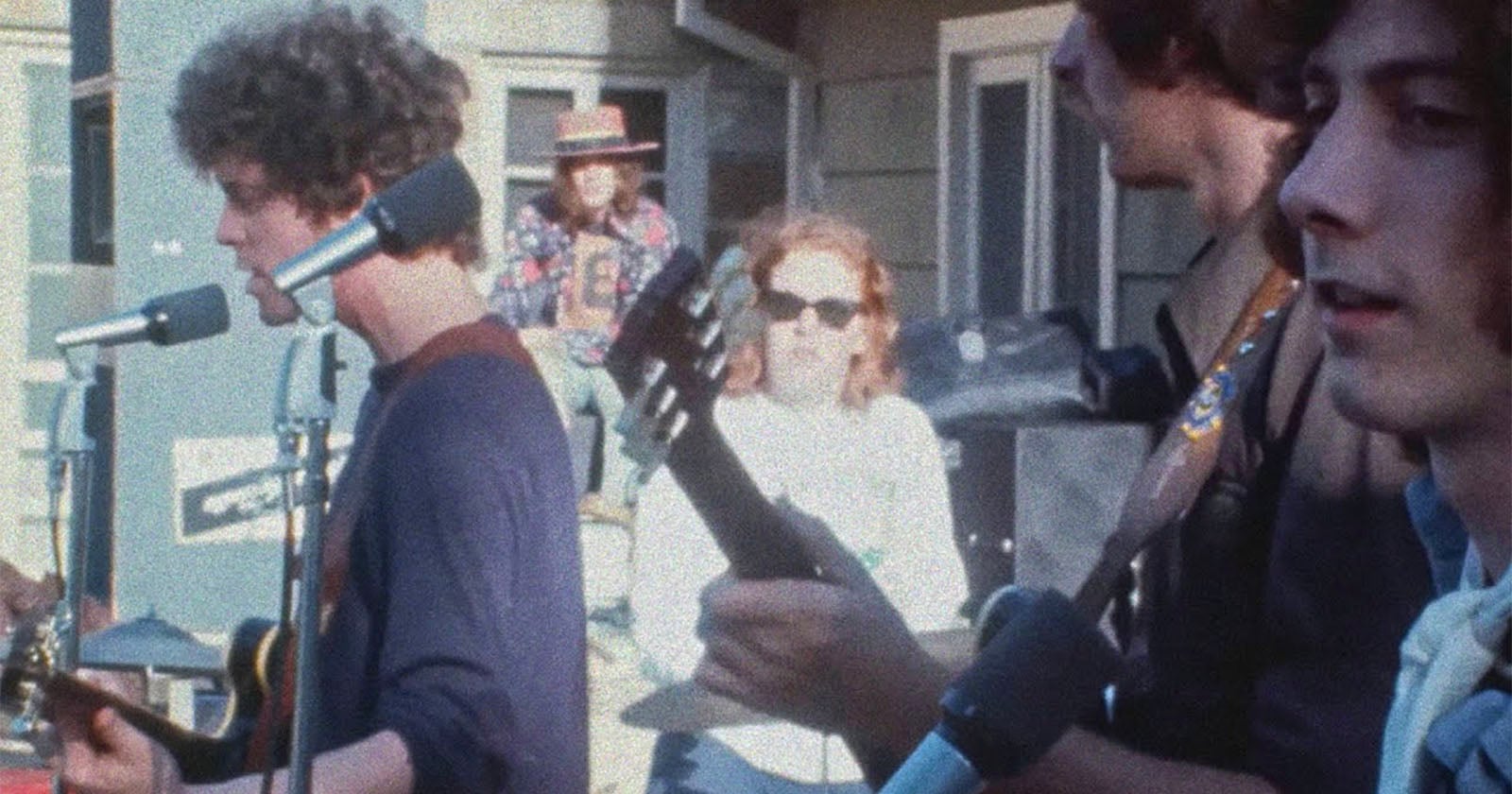
The Velvet Underground’s participation in the event is noteworthy. While many of their contemporaries in the psychedelic rock scene were overtly political, Lou Reed’s songwriting often focused on urban realism, transgressive lifestyles, and internal psychological states rather than traditional protest themes. However, their presence at the Dallas Peace Moratorium aligns them with the broader social upheavals of the late 1960s. The footage shows the band playing in broad daylight on a modest stage, surrounded by a crowd that reflects the diverse fashion and atmosphere of the era—a mix of suit-clad observers, student activists, and "hippies."
Technical Challenges of the Restoration
Restoring the footage required a sophisticated blend of archival expertise and modern digital post-production techniques. Jack Amadon, the archivist responsible for the project, faced the primary challenge of synchronizing silent visual elements with historically accurate audio.
The visual component of the restoration was synthesized from two distinct sources:
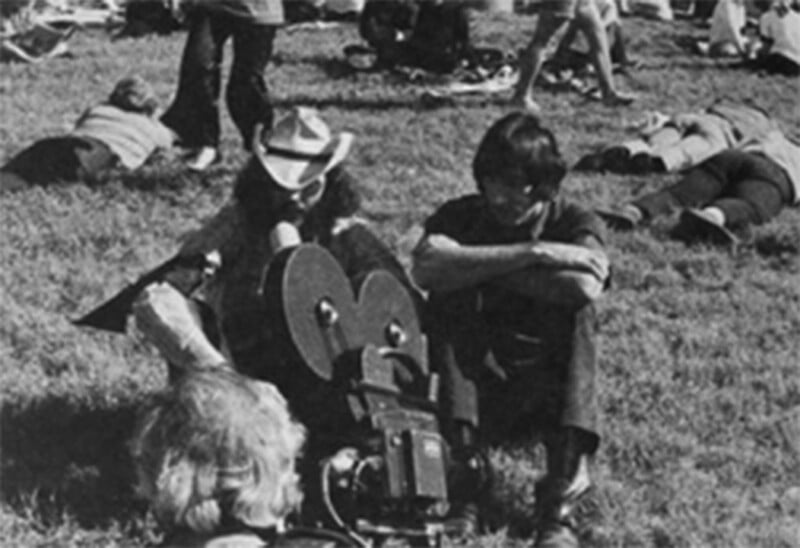
- 16mm Newsreel Footage: This was a documentary-style recording produced by Stoney Burns, the influential editor of the underground newspaper Dallas Notes. The camera used was likely a "chop-top" Auricon CM-72A, a workhorse of 1960s television journalism. These cameras were often modified to accept 400-foot Mitchell magazines, allowing for longer continuous takes. The lens, an Angenieux 12-120mm f/2.2, was a technological marvel of the time, being the first zoom lens to achieve a 10:1 ratio.
- 8mm Home Movie Footage: A 30-second segment was contributed by John Tincher, an amateur filmmaker who attended the rally. This footage, shot on a standard 8mm three-lens turret camera, provides a more intimate, fan-perspective view of the stage.
Because the original 16mm film’s audio track was either non-existent or recorded at an unusable gain level, Amadon had to source audio from a different performance. He selected a recording of the band performing "I’m Waiting for the Man" at the End of Cole Ave. Club in Dallas, recorded just four days later on October 19, 1969.
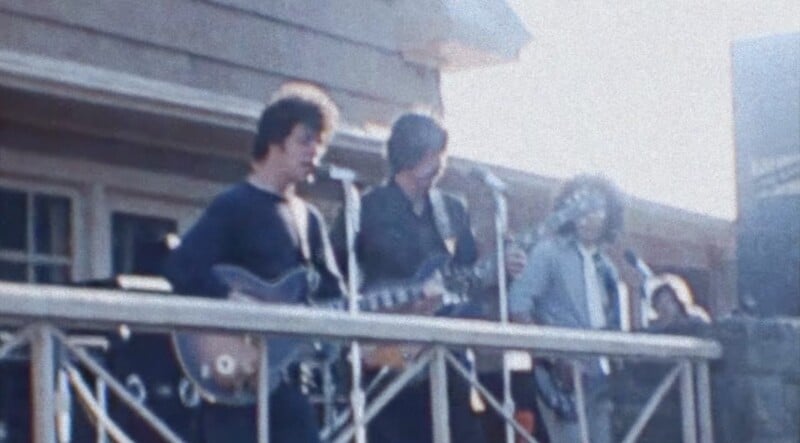
The synchronization process involved using the "rate stretch" tool in Adobe Premiere to align the band’s physical movements—specifically Moe Tucker’s distinctive percussion style—with the rhythm of the live recording. Amadon noted that the band’s tempo was remarkably consistent between the two performances, allowing for a near-perfect match after slowing the audio by approximately one percent and utilizing frame-blending techniques to mask frame-rate discrepancies.
Visual Restoration and Color Grading
Once the edit was finalized, the project moved into DaVinci Resolve for specialized restoration work. The goal was to improve the clarity of the image without destroying the "film-like" quality that gives archival footage its character.
Amadon’s process included:
- Denoising: Removing digital artifacts and heavy grain that had accumulated during the scanning process.
- Sharpening: Enhancing details in the musicians’ faces and instruments.
- Color Correction: Addressing the "orange wash" prevalent in the 8mm footage and balancing the exposure changes that occurred as the sun moved during the day-long event.
- Reintroducing Grain: In a paradoxical move common in high-end restoration, Amadon added back a layer of "accurate" film grain. This ensures the footage retains its 1960s aesthetic, preventing it from looking overly "plastic" or unnaturally smooth, which can occur with excessive digital noise reduction.
"I’m not trying to pass this footage off as anything else," Amadon explained regarding his philosophy. "This isn’t digital 4K that was shot yesterday; it’s archival film, and I think there’s a beauty in reproducing it as such."
The Velvet Underground in 1969: A Chronology
To understand the significance of this footage, one must look at where the band stood in 1969. This was a year of transition and high productivity for the group.
- Late 1968: Founding member John Cale departed the band following creative tensions with Lou Reed. He was replaced by Doug Yule, who brought a more melodic, "rock" sensibility to the group.
- March 1969: The band released their self-titled third album, The Velvet Underground. It moved away from the white-noise experiments of White Light/White Heat toward a quieter, more introspective sound.
- October 1969: The band embarked on a tour of the South and West Coast. It was during this stint that they played the Dallas Peace Moratorium and the legendary residency at the End of Cole Ave. Club.
- November 1969: The band recorded much of the material that would later be released as the 1969: The Velvet Underground Live album, widely considered one of the best live rock documents of the era.
In 1969, the band was essentially homeless in terms of a record label, having been dropped by MGM/Verve. They were performing in relative obscurity, often to small crowds, unaware that their work would eventually influence everyone from David Bowie to R.E.M.
Impact and Cultural Significance
The release of the restored footage on YouTube, where it has garnered hundreds of thousands of views, underscores the enduring fascination with the "Warhol era" of rock music. For many viewers, seeing Moe Tucker’s stand-up drumming technique and Lou Reed’s focused stage presence in high clarity provides a visceral connection to a period previously only accessible through grainy photographs or bootleg audio.
Music historians suggest that the discovery of such footage is increasingly rare. Most 16mm news film from the 1960s was either discarded by television stations or suffered from "vinegar syndrome" (chemical degradation). The survival of the Stoney Burns footage within the SMU archive is a stroke of historical luck.
Furthermore, the restoration highlights the evolving role of the "independent archivist." Through tools like DaVinci Resolve and affordable high-speed film scanners, individuals and small institutions can now perform restorations that were previously the exclusive domain of major Hollywood studios.
Broader Implications for Music Archiving
The success of the Velvet Underground restoration project points toward a growing trend in the preservation of countercultural history. As the generation that came of age in the 1960s enters its twilight years, there is a race to digitize and preserve private collections, home movies, and underground press archives.

The Dallas Peace Moratorium film is more than just a music video; it is a cross-section of American life in 1969. It captures the intersection of art, politics, and the burgeoning "independent" spirit that would eventually define the following decades of American culture. By bringing this footage into the digital age, archivists like Jack Amadon ensure that the "legendary" status of bands like The Velvet Underground is backed by a tangible, visible record of their artistry in its prime.

