


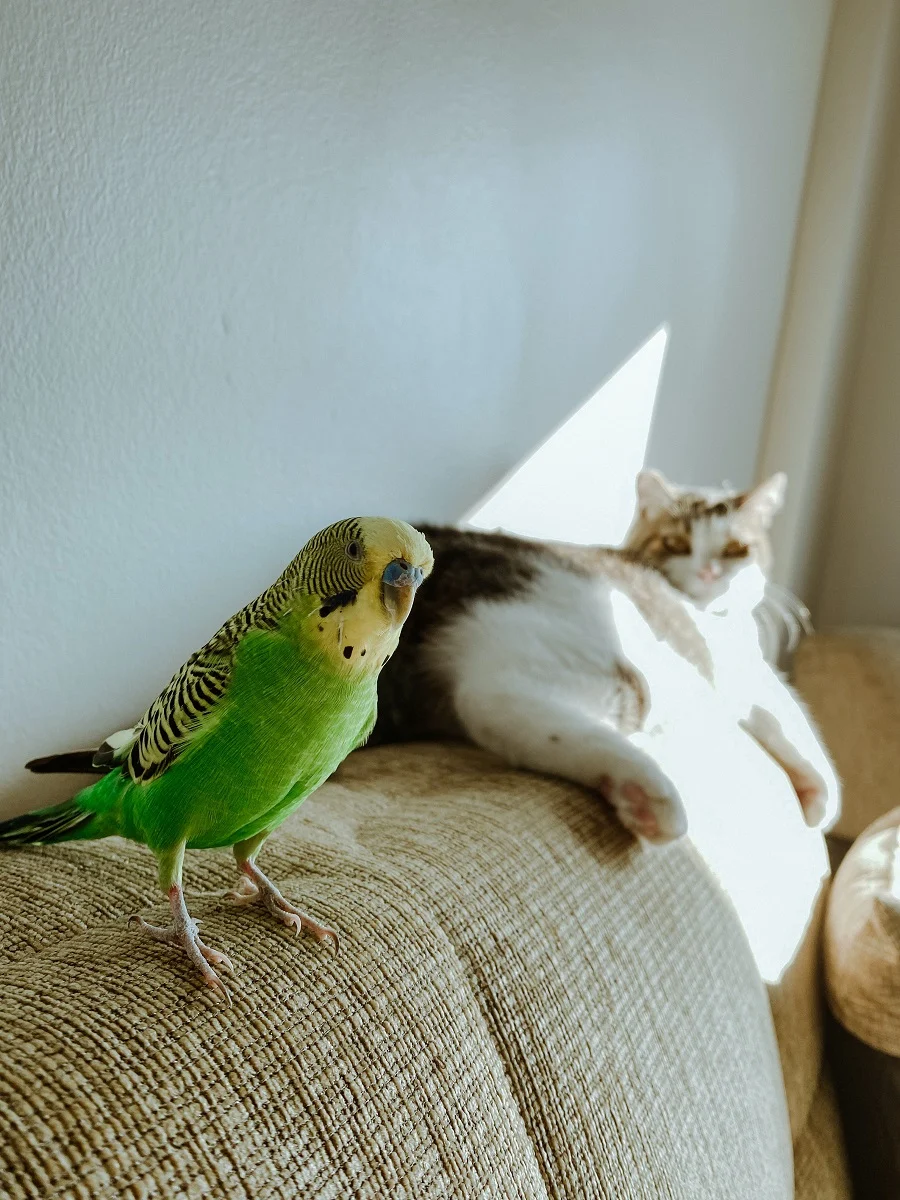
Thinking of adding a parrot to your family? While the excitement of selecting a suitable cage, stocking up on stimulating toys, and bonding with your new feathered companion is undeniable, a critical, often underestimated, aspect of parrot ownership demands immediate attention: home safety. Parrots, renowned for their exceptional intelligence, curiosity, and innate desire to explore, possess an unfortunate vulnerability to the inherent dangers of a human household. Their brilliant minds, while capable of complex learning and interaction, lack the instinctive understanding of electrical currents, toxic substances, or structural hazards common in our environments. This comprehensive guide outlines the paramount steps necessary to create a secure habitat, transforming your home into a safe haven rather than a potential minefield for your avian friend.
The Rise of Avian Companionship and Unseen Dangers
The popularity of parrots as companion animals has surged globally, with millions of households welcoming these vibrant, intelligent birds into their lives. From the diminutive budgerigar to the majestic macaw, parrots offer unique companionship, intellectual stimulation, and often, a lifetime of joy. However, this growing trend brings with it a significant responsibility: ensuring these naturally curious and often fragile creatures can thrive safely within environments designed for humans. Avian veterinarians consistently report a substantial number of emergency cases resulting from preventable household accidents, underscoring a critical gap in owner education. These incidents range from electrical burns and toxic ingestions to physical traumas and escapes, many of which could be avoided with proactive "parrot-proofing."
The Imperative of Proactive Parrot-Proofing
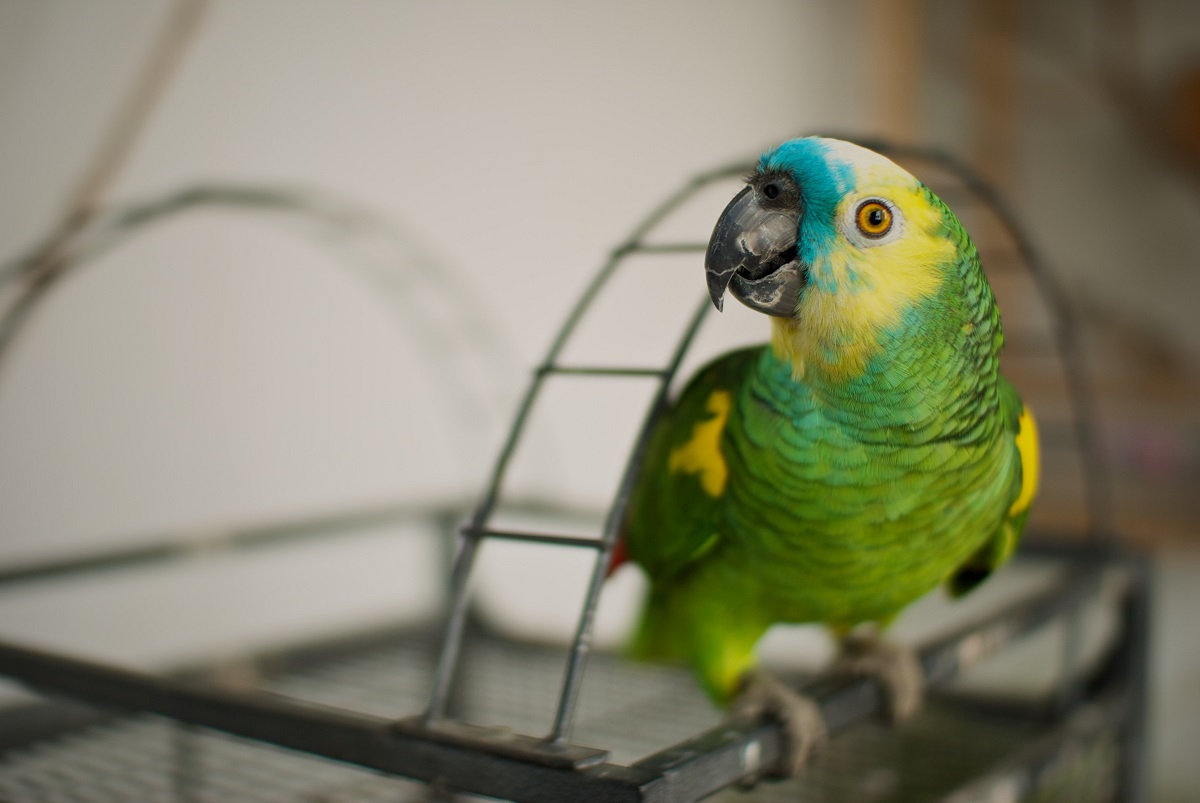
Creating a parrot-safe home environment is not merely about reacting to potential dangers but adopting a proactive mindset. It involves a systematic assessment of every space your bird might access, identifying and neutralizing risks before they can cause harm. This vigilance must extend to all family members and visitors, ensuring everyone understands and adheres to established safety protocols. Establishing an emergency plan, including readily accessible contact information for an avian-specialized veterinarian and knowledge of basic parrot emergency care, is also a non-negotiable component of responsible ownership.
Respiratory Vulnerability: The Silent Threat of Air Quality
Perhaps one of the most critical, yet often overlooked, aspects of parrot safety pertains to air quality. Parrots possess an incredibly efficient, yet highly sensitive, respiratory system characterized by unique air sacs and unidirectional airflow. This evolutionary adaptation allows them to extract more oxygen from the air than mammals, but it also means they are acutely susceptible to airborne toxins. The historical "canary in the coal mine" adage, where birds were used to detect dangerous gases, serves as a stark reminder of their fragility.
- Aerosolized Products: Any product delivered via a spray can is a severe hazard. This includes air fresheners, deodorizers, hairsprays, cleaning solutions, perfumes, and even some pest control sprays. Fine particles and chemical propellants can cause immediate respiratory distress, leading to irreversible lung damage or rapid death.
- Fumes from Overheated Cookware: One of the most insidious threats comes from polytetrafluoroethylene (PTFE) coatings, commonly known by brand names like Teflon, found on non-stick cookware. When overheated (above 500°F or 260°C), PTFE releases toxic fumes that are odorless and colorless but lethally potent to birds, often causing death within minutes. Other sources include non-stick irons, ironing board covers, self-cleaning ovens, and some space heaters.
- Smoke and Combustion Byproducts: Cigarette, cigar, or pipe smoke is highly detrimental, causing chronic respiratory issues and increasing susceptibility to infections. Smoke from fireplaces, wood-burning stoves, or even burnt food can also be dangerous due to soot and carbon monoxide. Candles (especially scented ones), incense, and essential oil diffusers release particulate matter and volatile organic compounds that irritate avian lungs.
- Household Chemicals: Paint fumes, glues, strong disinfectants (like bleach or ammonia), and even new carpet or furniture off-gassing can be toxic. Adequate ventilation is paramount when these products are in use, and parrots should be relocated to a completely separate, well-ventilated area until all fumes have dissipated.
- Detection Systems: Installing carbon monoxide detectors and smoke detectors in all relevant areas of the home is crucial, offering protection not only for your bird but for your entire family. Furthermore, consider investing in a high-quality air purifier with a HEPA filter to maintain optimal air quality, avoiding those that produce ozone, which is harmful to respiratory systems.
The Chewing Instinct: Electrical Hazards and Ingestion Risks
Parrots are natural chewers. In the wild, this behavior is essential for maintaining beak health and modifying their tree hollow nests. In a human home, this innate drive to explore with their beaks becomes a primary source of danger.
- Electrical Cords and Outlets: Exposed electrical cords are irresistible targets for a curious parrot. A single bite can result in severe electrical burns, cardiac arrest, or internal organ damage. Even if they survive, the trauma can be immense. All electrical cords in areas accessible to your parrot must be completely hidden, encased in chew-proof PVC piping, or run through conduit. Unused outlets should be covered with child-proof safety caps. Always unplug appliances when not in use.
- Accidental Ingestion of Toxins: Parrots explore their world orally, meaning anything within reach can potentially be nibbled on or swallowed.
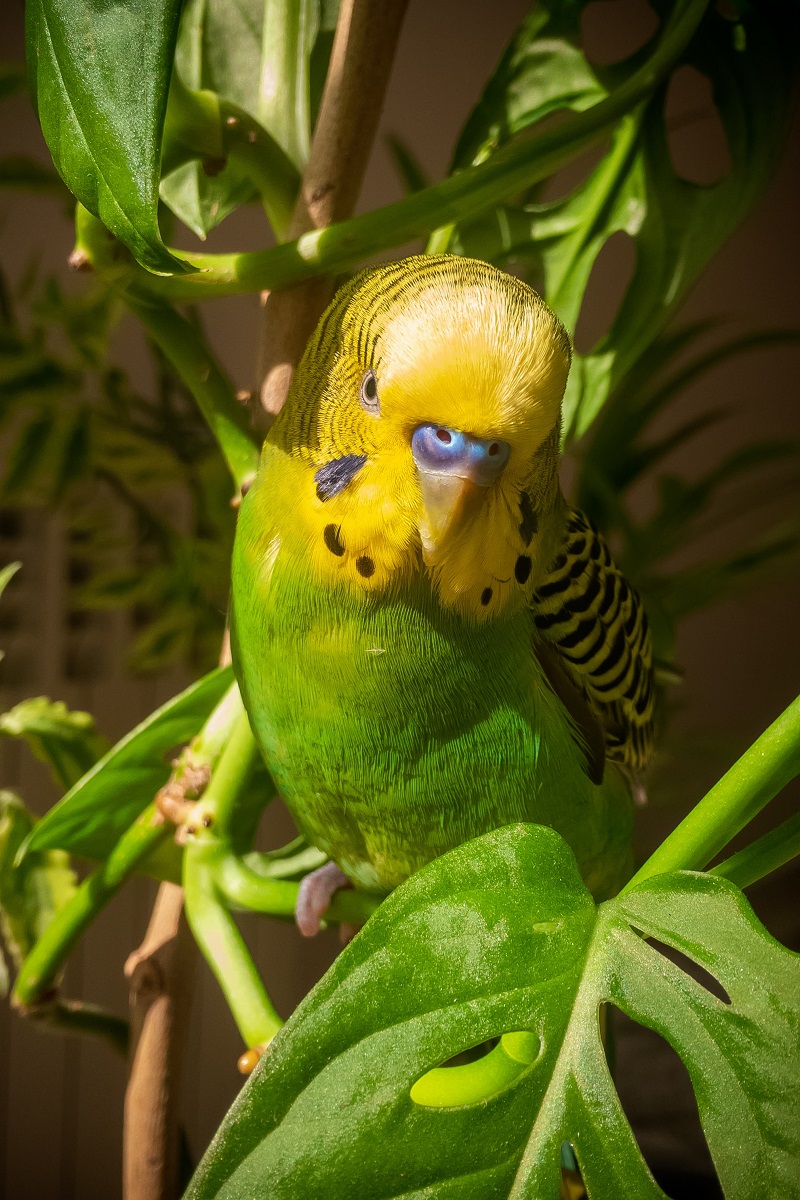
- Toxic Plants: While many houseplants are harmless, a significant number are toxic to birds. Examples include lilies, azaleas, philodendrons, poinsettias, daffodils, and even the mildly toxic Monstera adansonii pictured in the original source. Owners must meticulously research every plant in their home and remove any that pose a risk or place them in completely inaccessible locations.
- Medications: Both over-the-counter and prescription drugs, even in minute quantities, can be lethal to birds. Keep all medications securely stored in cabinets.
- Human Foods: Several common human foods are highly toxic to parrots. These include chocolate (theobromine poisoning), avocado (persin toxicity), caffeine (coffee, tea, soda), alcohol, fruit pits and seeds (apples, cherries, peaches, apricots – containing cyanide), onions and garlic (causing hemolytic anemia), and products containing xylitol (a sugar substitute).
- Heavy Metals: Lead and zinc poisoning are tragically common. Lead can be found in old paint, stained glass, curtain weights, fishing sinkers, costume jewelry, and some toys. Zinc is prevalent in galvanized cages, galvanized hardware (nuts, bolts, washers), some cheap toys, and even certain coins. Symptoms of heavy metal poisoning can be severe and life-threatening, requiring immediate veterinary intervention.
- Cleaning Products: Bleach, detergents, oven cleaners, and other household chemicals are highly corrosive and toxic. Store them securely and ensure no residues remain on surfaces your bird might contact.
- Small Objects: Small, shiny objects like jewelry, buttons, staples, or pins can be ingested, leading to impaction or heavy metal toxicity. Always maintain a tidy environment.
Navigating the Home Environment: Doors, Windows, and Reflective Surfaces
The open spaces of a home, while seemingly safe, present unique hazards for free-flying parrots.
- Escape Risks: An open door or window is an invitation for a parrot to explore the outdoors. Once outside, domesticated parrots are ill-equipped to survive. They face predators (cats, raptors), traffic, harsh weather conditions, and lack the foraging skills to find food and water. The stress of being lost can also be fatal. Implement a strict "cage-first, then door" policy, ensuring your parrot is securely caged before opening any exterior doors. Consider adding secondary barriers like screen doors or mosquito netting to windows in parrot-accessible rooms.
- Window and Mirror Collisions: Birds do not perceive glass as a solid barrier. Windows and mirrors can appear as open spaces or extensions of their environment, leading to high-speed collisions that can cause concussions, broken bones, internal injuries, or even death. Cover mirrors, use decals on windows, or keep blinds/curtains drawn when your parrot is out of its cage.
- Interior Door Hazards: Even interior doors pose a risk. Parrots often enjoy perching on door tops. An accidentally closed door can crush toes, sever tail feathers, or cause more severe body trauma. Make it a habit to keep interior doors closed, especially if your parrot is free-roaming, to prevent access to unsafe areas and mitigate crushing injuries.
The Sanctuary Within: Ensuring Cage Safety and Toy Selection
The parrot’s cage serves as its primary sanctuary, yet it too can harbor hidden dangers if not properly chosen and maintained.
- Cage Structure and Material:
- Bar Spacing: This is critical. Bars should be wide enough for your bird to comfortably move around, but never so wide that their head could fit through. A parrot attempting to squeeze through bars can get stuck, leading to strangulation or panic-induced injury.
- Material: Stainless steel cages are ideal, being durable and non-toxic. Powder-coated cages are acceptable if the coating is non-toxic and resists chipping, as ingested paint flakes can be harmful. Avoid galvanized cages, as they are a common source of zinc poisoning.
- Condition: Regularly inspect the cage for rust, sharp edges, broken welds, or bent bars. Rust can lead to iron poisoning, and sharp points can cause lacerations. Large parrots can be surprisingly destructive, so ensure the cage is robust enough to withstand their powerful beaks.
- Toy Safety: Toys are essential for mental stimulation and preventing boredom, but they must be carefully selected and regularly inspected.
- Materials: Opt for toys made from natural, bird-safe wood, untreated cotton rope, paper, cardboard, natural fibers (sisal, abaca), and high-quality acrylic or stainless steel. Avoid toys with loose threads or long strands of rope, which can entangle toes or necks.
- Design: Beware of toys with small bells containing clappers that can be swallowed, or designs that can trap a beak, foot, or wing. Research by Lightfoot & Yeager (2008) highlighted instances where seemingly "bird-safe" toys led to severe illness and death due to unsafe materials or design flaws.
- Wear and Tear: Regularly check toys for damage. Heavily chewed or frayed toys should be removed or repaired, as they can become dangerous. Repurpose unaffected parts if possible.
Hidden Dangers: Furniture and Open Water Sources
Beyond the obvious, many household items and features can pose significant, yet often overlooked, risks.
- Furniture Hazards: Parrots, particularly when hormonal or broody, are driven to seek out small, dark, enclosed spaces that mimic natural nest cavities. This instinct can lead them into precarious situations:
- Recliners and Sofa Beds: These are death traps. A parrot exploring inside can be crushed instantly if the mechanism is activated.
- Spaces Behind and Under Furniture: Parrots can get trapped, injured, or suffocate in tight spaces behind cabinets, appliances, or heavy furniture.
- Open Drawers and Cabinets: These are inviting dark spaces, but a bird can get locked in or crushed when closed.
- Laundry Hampers and Baskets: A parrot can climb in and become trapped or buried under laundry.
- Block off all such nooks, crannies, and potential hiding spots. Always know your parrot’s location when it is out of its cage.
- Open Water Sources: Drowning is a swift and silent killer for parrots. Even relatively shallow water can be dangerous if a bird slips, becomes disoriented, or gets its wings thoroughly wet, hindering flight.
- Toilets: Uncovered toilet bowls are a common and tragic drowning hazard. Always keep the toilet lid closed.
- Sinks and Bathtubs: Never leave a parrot unsupervised in a bathroom, especially with a filled sink or tub.
- Aquariums and Vases: Aquariums should always have secure covers. Large, water-filled vases or decorative fountains should be inaccessible.
- Buckets and Pots: Any open container of water, no matter the size, poses a risk.
Inter-Species Dynamics: The Risks of Other Household Pets
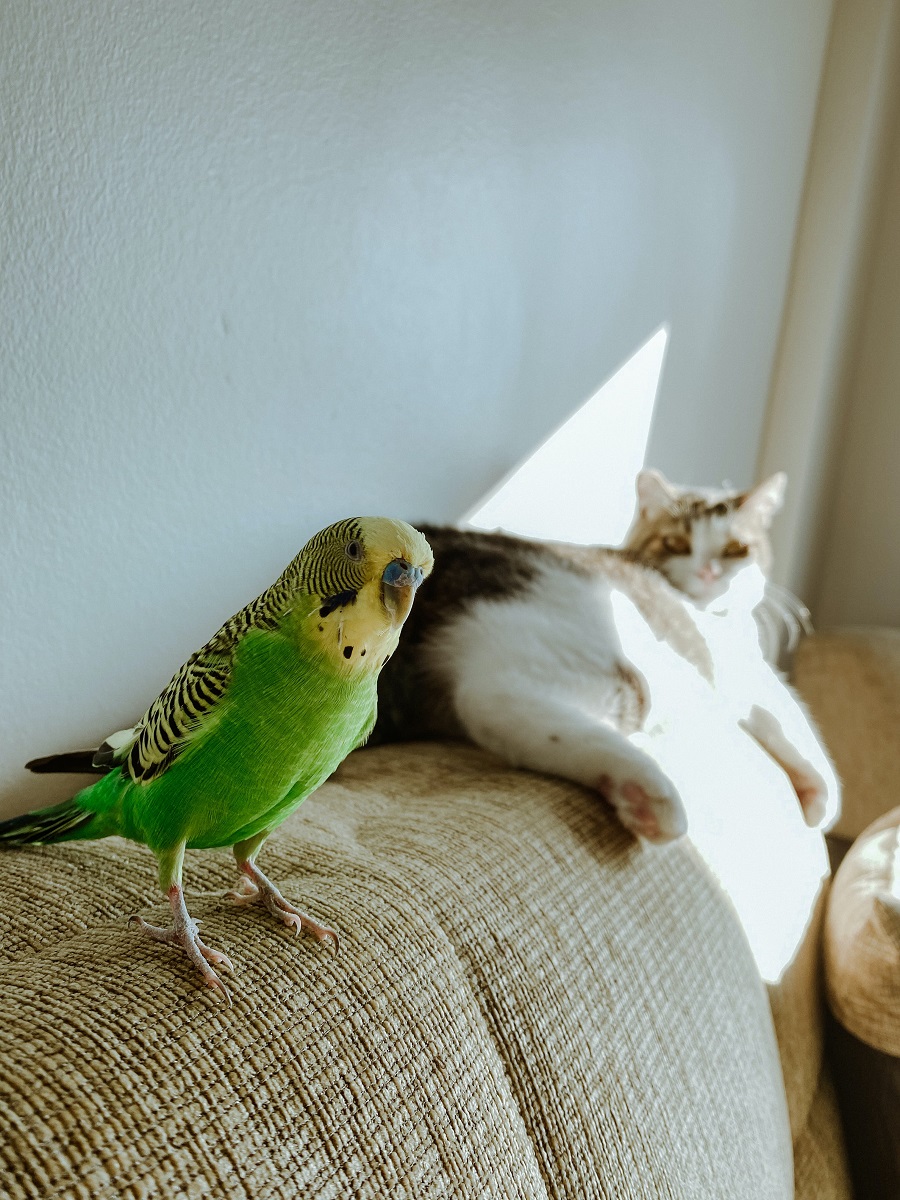
The interaction between parrots and other household pets, particularly cats and dogs, is a topic of constant debate and frequent tragedy among avian enthusiasts. Despite owners’ best intentions and assurances of their other pets’ gentle nature, the biological reality of predator and prey instincts cannot be ignored.
- Cats: Cats carry a bacteria called Pasteurella multocida in their saliva. Even a seemingly minor scratch or bite from a cat can introduce this bacteria into a bird’s bloodstream, leading to rapid and often fatal sepsis. A bird’s fragile immune system is ill-equipped to fight off this common feline pathogen.
- Dogs: While many dogs may appear to tolerate or even be curious about parrots, their play can quickly turn deadly. A playful nudge, a sudden bark, or an accidental crush can cause severe internal injuries or trauma to a parrot. The sight of a bird fluttering can also trigger a dog’s innate prey drive, even in the most well-behaved animals.
- Other Animals: Ferrets, reptiles (like snakes or even some lizards), and even some rodents can pose a predatory threat.
- Strict Separation: The only truly safe approach is complete and absolute separation. Never allow your parrot to interact with, or even be in the same room unsupervised as, other household pets. Barriers, separate rooms, and strict supervision are essential to prevent tragic accidents.
Beyond the Basics: Comprehensive Vigilance and Emergency Preparedness
Beyond the specific categories, responsible parrot ownership demands constant vigilance and a preparedness for unforeseen circumstances.
- Constant Supervision: A parrot outside its cage requires continuous, active supervision. Even a moment of distraction can lead to an accident.
- Hot Surfaces and Liquids: Keep parrots away from hot stovetops, ovens, irons, boiling water, and hot beverages.
- Ceiling Fans: Always ensure ceiling fans are turned off when your parrot is out of its cage to prevent fatal collisions.
- Children and Visitors: Educate children on gentle handling and the importance of closing doors. Inform all visitors about your parrot’s free-flight rules and safety protocols.
- Emergency Kit: Assemble a parrot emergency kit including an avian vet’s contact information, styptic powder (for bleeding), sterile gauze, avian-safe antiseptic wipes, and a small, secure transport cage.
- Environmental Temperature: Maintain a comfortable and consistent room temperature, avoiding extreme drafts or overheating.
- Holiday Hazards: During holidays, be mindful of seasonal decorations like tinsel (ingestion risk), fragile ornaments, toxic plants (e.g., mistletoe, holly), and exposed electrical wiring from lights.
The Broader Implications of Responsible Avian Care
The decision to bring a parrot into one’s home carries a profound ethical responsibility. These intelligent, long-lived creatures depend entirely on their human caregivers for their safety, welfare, and quality of life. The financial and emotional costs of preventable accidents are significant, often leading to costly veterinary treatments, profound grief, and guilt. By meticulously "parrot-proofing" your home and committing to continuous vigilance, owners not only prevent tragic incidents but also foster a secure environment where their feathered companions can thrive, fulfilling their potential for companionship and joy. Education and proactive measures are the cornerstones of ensuring a long, healthy, and happy life for these extraordinary birds.
Sources & Further Reading:
Lightfoot, T. L., & Yeager, J. M. (2008). Pet bird toxicity and related environmental concerns. Veterinary Clinics of North America: Exotic Animal Practice, 11(2), 229-259.

