


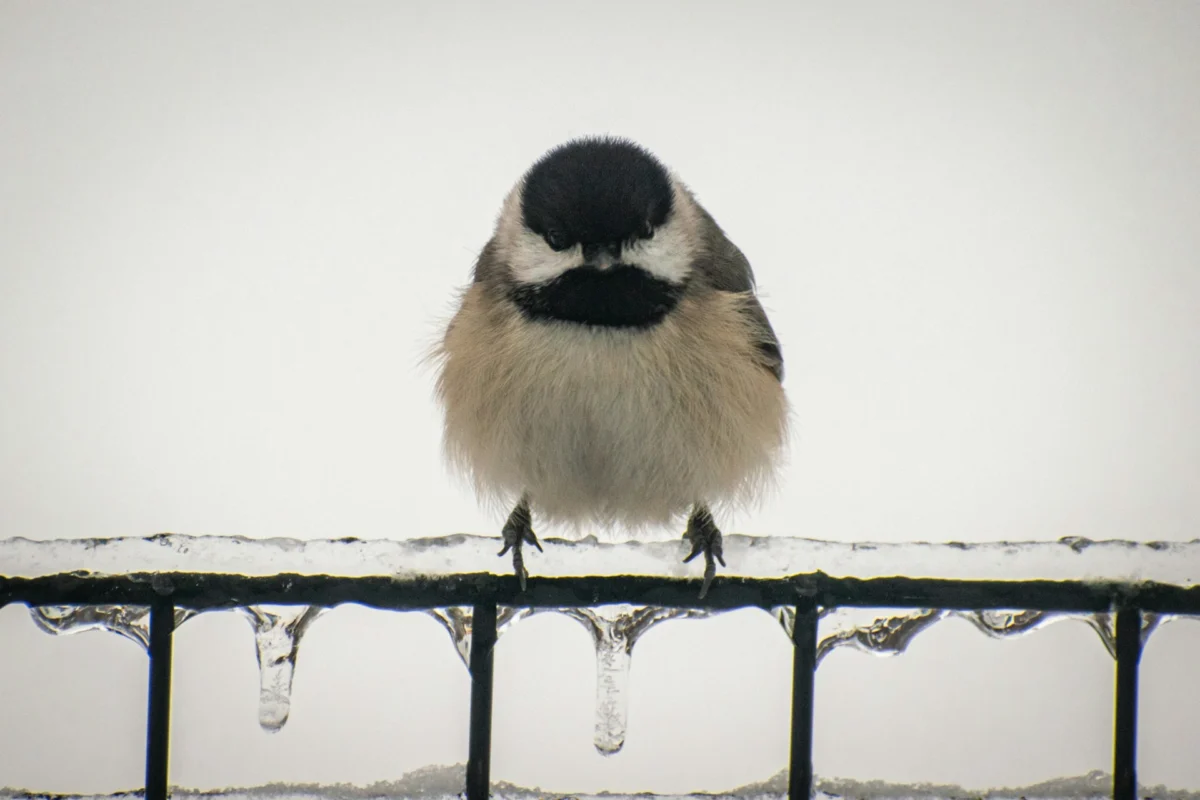
The image of birds embarking on their annual migration south is deeply ingrained in our collective consciousness, often depicted as a heroic, instinct-driven odyssey toward warmer climes and abundant sustenance. This romanticized narrative, however, belies a more complex evolutionary calculus. For a growing number of avian species, the strategic decision to remain in northern latitudes, braving the harsh realities of winter – the biting cold, unpredictable storms, and scarcity of food – presents a survival strategy that can yield significant evolutionary advantages. Understanding the intricate decision-making processes that lead some birds to forgo the seemingly safer migration route illuminates the nuanced balance between risk and reward that shapes every winter survival choice.
The perilous nature of migration is often underestimated. Consider the arduous journey of songbirds that must traverse the vast expanse of the Gulf of Mexico in a single, non-stop flight, a feat demanding immense energy reserves and unwavering navigational precision. Raptors, while possessing greater aerial prowess, face different challenges, confronting powerful storms without the refuge of dense foliage that might offer shelter. Scientific studies consistently highlight the mortality rates associated with these epic journeys; millions of birds perish annually due to exhaustion, predation, disorientation, and fatal collisions with human-made structures, particularly during nocturnal migratory flights. In stark contrast, species that possess access to reliable, year-round food sources – such as persistent conifer seeds, late-season fruits, or even the readily available bounty of human-provided feeders – may find the risks associated with staying put to be considerably lower than the inherent dangers of embarking on a migratory flight.
The Shifting Landscape: Climate Change and Avian Adaptation
The phenomenon of birds remaining in northern regions is not a static one; it is a dynamic process increasingly influenced by the overarching impacts of climate change. Over the past century, ornithologists have meticulously documented the northward expansion of wintering ranges for numerous species. The Northern Cardinal, for instance, has steadily extended its territory into areas previously considered too cold for year-round survival. This expansion is largely attributed to milder winter temperatures and the proliferation of backyard bird feeders, which provide a consistent and accessible food source. Similarly, American Robins, once considered strictly migratory, are now observed overwintering in significant numbers across the northern United States, their diets sustained by the availability of hardy winter berries. In some regions, even species historically classified as obligate migrants, such as certain warbler species, are now being observed lingering through the winter months, provided that their preferred food sources remain accessible.
These climatic shifts are more than mere curiosities; they represent profound alterations to ecological dynamics. The altered timing of food availability and the persistence of milder temperatures can reshape predator-prey relationships, influence the composition and behavior of bird communities at feeders, and even shift the delicate timing of breeding seasons. Birds that remain in northern areas may arrive at their breeding grounds earlier, enabling them to establish territories and secure mates before the arrival of late-arriving migrants, thereby gaining a significant competitive advantage.
The Cost of Cold: Physiological and Behavioral Adaptations
Staying north through the winter demands a remarkable degree of resilience and a mastery of an unforgiving energy economy. Birds that choose this path must employ sophisticated physiological and behavioral adaptations to survive the extreme conditions. For example, Black-capped Chickadees exhibit a fascinating thermoregulatory strategy: they can deliberately lower their body temperature during the coldest parts of the night, entering a state of torpor to conserve precious calories. This physiological adjustment is crucial for surviving long, frigid nights when foraging opportunities are virtually non-existent.
Woodpeckers, such as the Downy Woodpecker, rely on their keen memory and diligent foraging habits to access hidden caches of food. They meticulously store acorns, nuts, and insects in bark crevices and tree cavities throughout the autumn, creating a vital larder to draw upon during the lean winter months. Similarly, species like Mourning Doves and various finches must adapt their diets, shifting towards higher-fat food sources that provide more caloric energy per unit of weight. This dietary shift is essential for fueling their metabolic furnaces and making it through the extended periods of darkness and cold.
A Strategic Advantage: Securing Prime Territories
The decision to overwinter in northern climes, when successfully executed, can translate into a significant evolutionary advantage. By remaining in place, these birds bypass the inherent risks of long-distance migration and are strategically positioned to capitalize on the onset of spring. They are already on their breeding grounds, familiar with the local environment, and have established territories. This early arrival allows them to claim the most desirable nesting sites and attract mates before migratory birds, who must first undertake their arduous journeys and then compete for resources. This "first come, first served" scenario can lead to higher reproductive success and improved gene propagation for resident species.

The predictability of local resources also plays a crucial role. Species like Northern Cardinals, Downy Woodpeckers, and Blue Jays have evolved to exploit food sources that are consistently available throughout the year in their territories. While winter presents challenges, these are often challenges they are physiologically and behaviorally equipped to handle. Their predators are also familiar figures within their established ranges, allowing for a more predictable assessment of risk compared to navigating unknown territories during migration.
Case Studies in Resilience: Notable Winter Residents
The Northern Cardinal ( Cardinalis cardinalis ) serves as a prime example of a species adapting to changing winter conditions. Once largely confined to the southeastern United States, its range has expanded dramatically northward, with populations now thriving in parts of Canada and the northernmost states. This expansion is a direct consequence of milder winters and the widespread availability of supplemental feeding. Their ability to consume seeds, fruits, and insects, combined with their striking red plumage that stands out against the winter landscape, makes them a familiar and cherished sight in snow-covered backyards.
The Downy Woodpecker ( Dryobates pubescens ) is another hardy resident. These small woodpeckers are adept at extracting insects from bark and tree cavities, and their ability to cache food provides a vital buffer against food scarcity. Their small size and agile movements allow them to exploit a wider range of foraging opportunities compared to larger woodpecker species.
The Blue Jay ( Cyanocitta cristata ), known for its intelligence and adaptability, also demonstrates a remarkable capacity for overwintering. While some populations do migrate, many remain in their northern territories, relying on their diverse diet which includes nuts, seeds, insects, and even small vertebrates. Their ability to remember the locations of cached food items is a key survival strategy.
Broader Implications for Ecosystems and Conservation
The increasing trend of birds overwintering in northern regions has far-reaching implications for ecosystem health and conservation efforts. As these birds remain, they continue to play their roles in seed dispersal, insect control, and as prey for other animals. However, their altered presence can also lead to shifts in competitive dynamics, potentially impacting the success of native plant species or influencing the populations of insects.
From a conservation perspective, understanding these adaptive strategies is crucial. It highlights the importance of maintaining natural habitats and providing supplementary food sources, especially during periods of extreme weather. Furthermore, the success of these resident species underscores the resilience of avian populations in the face of environmental change, offering a glimmer of hope amidst broader concerns about biodiversity loss. However, it also raises questions about the long-term sustainability of these adaptations, particularly if climate change leads to more extreme and unpredictable weather events.
Conclusion: A Testament to Evolutionary Ingenuity
The decision for a bird to remain in the north during winter is not a deviation from the norm, but rather a testament to the power of evolutionary adaptation. It is a complex strategy, meticulously honed over millennia, that balances the high perils of migration against the demanding challenges of surviving a frozen landscape. The increasing number of species choosing to stay put, bolstered by milder climates and readily available food sources, signifies a profound shift in avian behavior and a remarkable demonstration of their capacity to adapt to a changing world. These hardy residents, often overlooked in favor of their migratory counterparts, are integral components of our winter ecosystems, showcasing an enduring spirit of resilience against the odds. Their continued presence serves as a vital reminder of the intricate web of life that persists, even in the depths of winter.

