


The distinctive waddle of penguins, a charming gait that makes them a beloved sight in the avian world, often leads to a curious question: do these flightless seabirds possess knees, and if so, why are they so expertly concealed? While their legs appear to emerge directly from their bodies, creating the illusion of very short limbs, penguins are indeed equipped with knees, a crucial adaptation that underpins their remarkable survival strategies in some of the planet’s harshest environments. This exploration delves into the hidden anatomy of penguin knees, the evolutionary pressures that shaped them, and their indispensable role in both aquatic prowess and terrestrial locomotion.
The Anatomy of the Hidden Knee
At first glance, a penguin’s stout body and disproportionately large feet create a silhouette that seems to defy typical mammalian or avian leg structure. This visual perception is largely due to the significant portion of their leg, including the knee joint and upper leg bones, being tucked within their dense, insulating plumage. A closer examination of a penguin’s skeletal structure, however, reveals a more complex and fascinating anatomy.
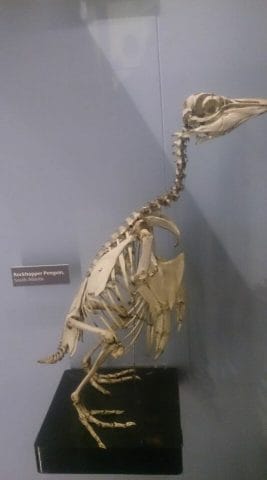
Penguins, like all birds, possess a femur (thigh bone) and a tibiotarsus (shin bone), connected by a knee joint. What distinguishes penguins is the relative length and positioning of these bones. Their femurs are considerably shorter than those of many other bird species and are positioned at a near 90-degree angle to their lower legs. This arrangement allows the entire leg structure, including the knee, to be held close to the body, streamlining their form for efficient movement through water.
Furthermore, penguins possess kneecaps, known as patellae, which are crucial for protecting the knee joint. Unlike the more rounded kneecaps of humans, a penguin’s patella is typically cube-shaped, fitting snugly into the surrounding tendons. This specialized structure allows for controlled flexion of the knee, essential for their unique modes of locomotion. The majority of what appears to be a penguin’s "leg" is, in fact, its lower leg, extending from the knee downwards, including the ankle and foot.
Evolutionary Adaptations for a Dual Life
The unique leg and knee structure of penguins is a direct result of millions of years of evolutionary adaptation to a predominantly marine lifestyle. As flightless birds, they have traded the ability to soar through the air for unparalleled mastery of the underwater realm. This transition has profoundly impacted their skeletal and muscular systems.
From Sky to Sea: The Flightless Transition
The ancestral penguins, like other birds, likely possessed hollow bones to facilitate flight. However, as they adapted to a life spent diving and swimming, the need for lightweight bones diminished. Instead, penguins evolved denser, heavier bones. This increased bone mass serves a critical purpose: it reduces buoyancy, allowing them to dive deeper and more efficiently pursue their prey, which often resides in the colder, deeper waters of the Southern Ocean.
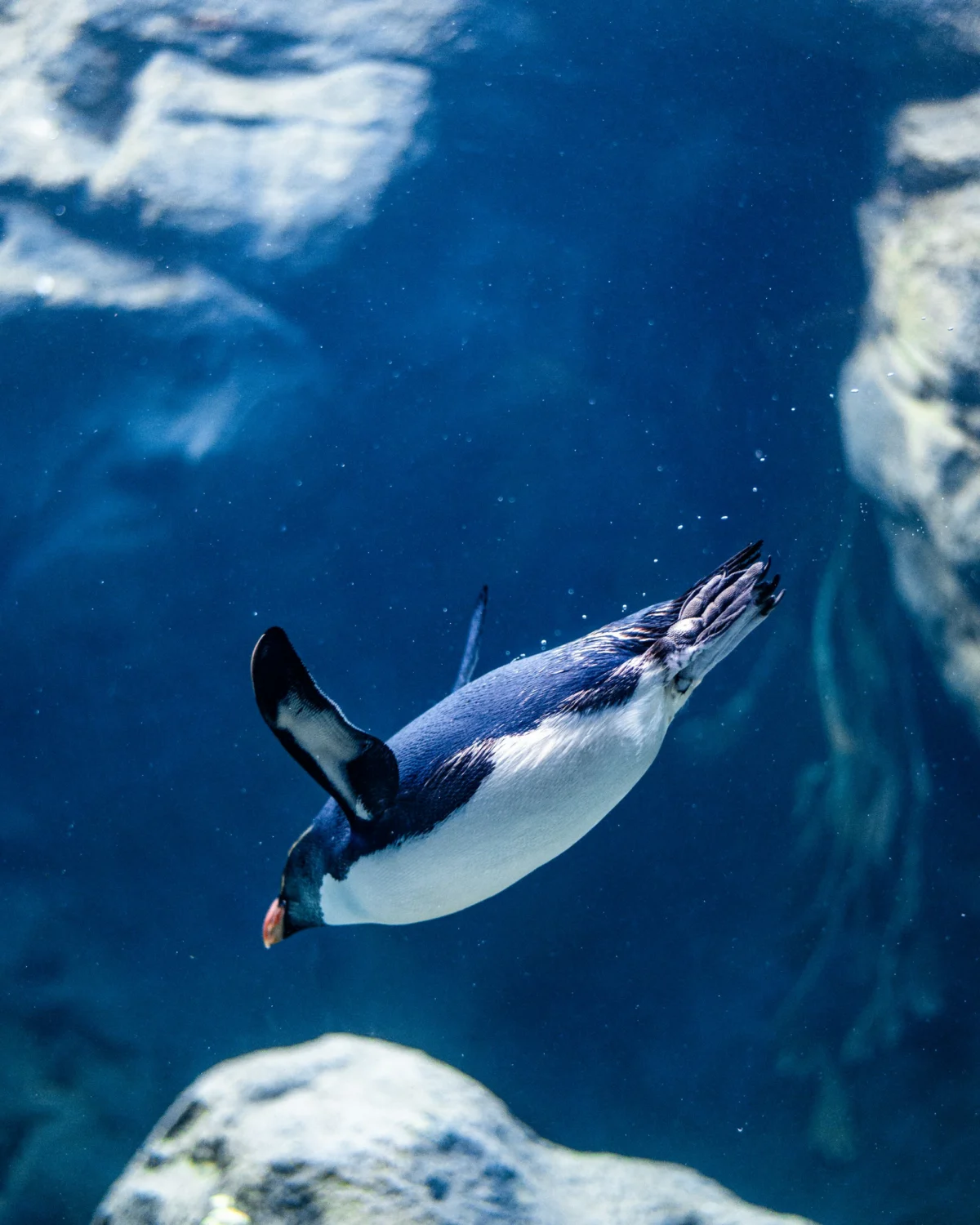
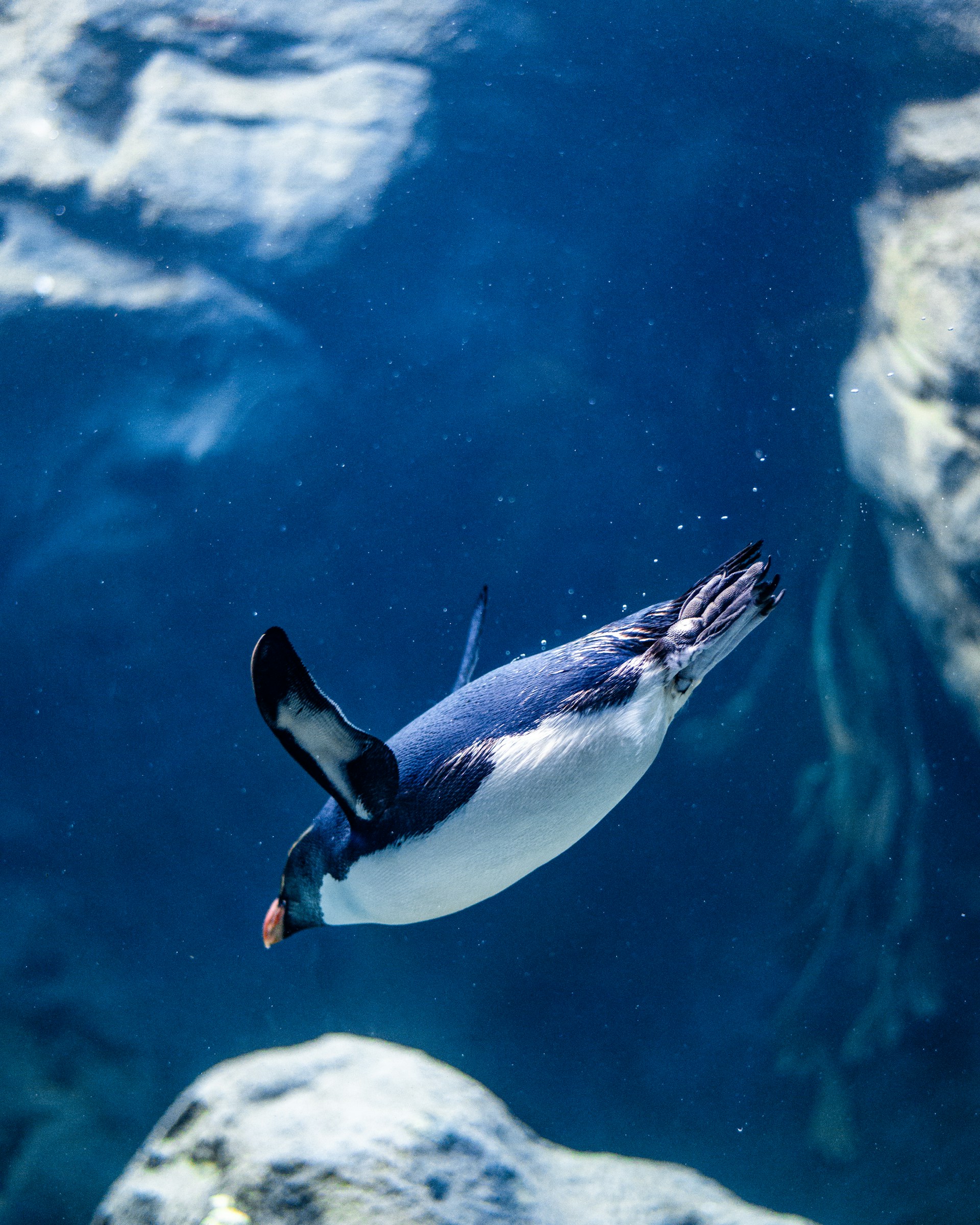
The shortened femur and the tucked-in knee joint are directly linked to this aquatic adaptation. By keeping their legs positioned close to their bodies, penguins create a more torpedo-like silhouette, minimizing drag as they propel themselves through the water with their powerful flipper-like wings. This streamlined form is a key factor in their swimming speeds, which can reach up to 36 kilometers per hour (22 miles per hour) for some species, such as the Gentoo penguin.
Terrestrial Stability and the Art of the Waddles
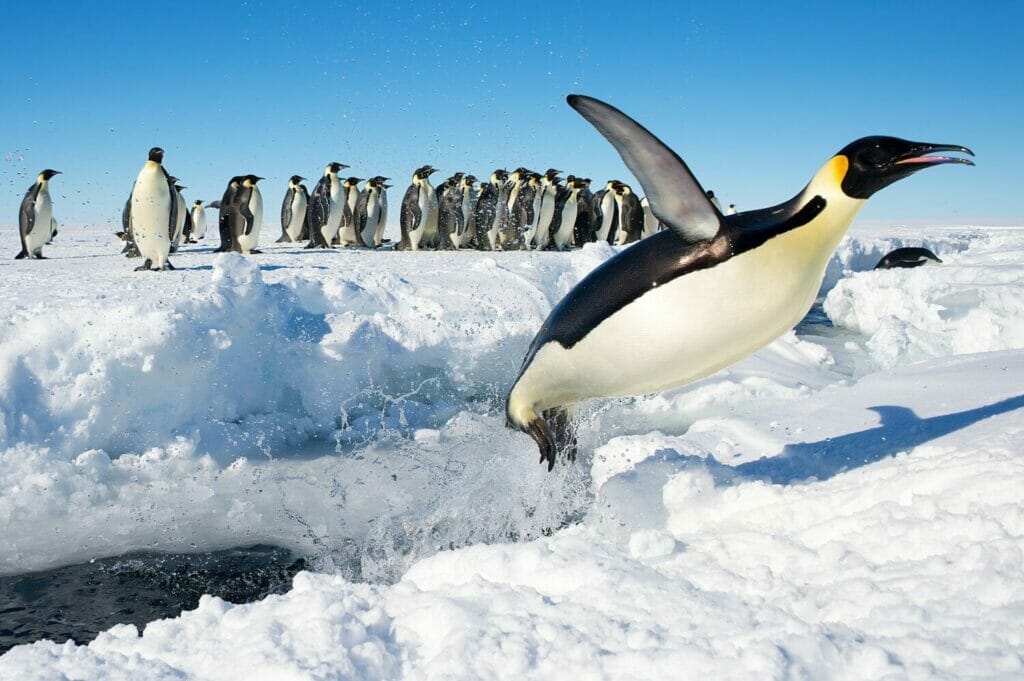
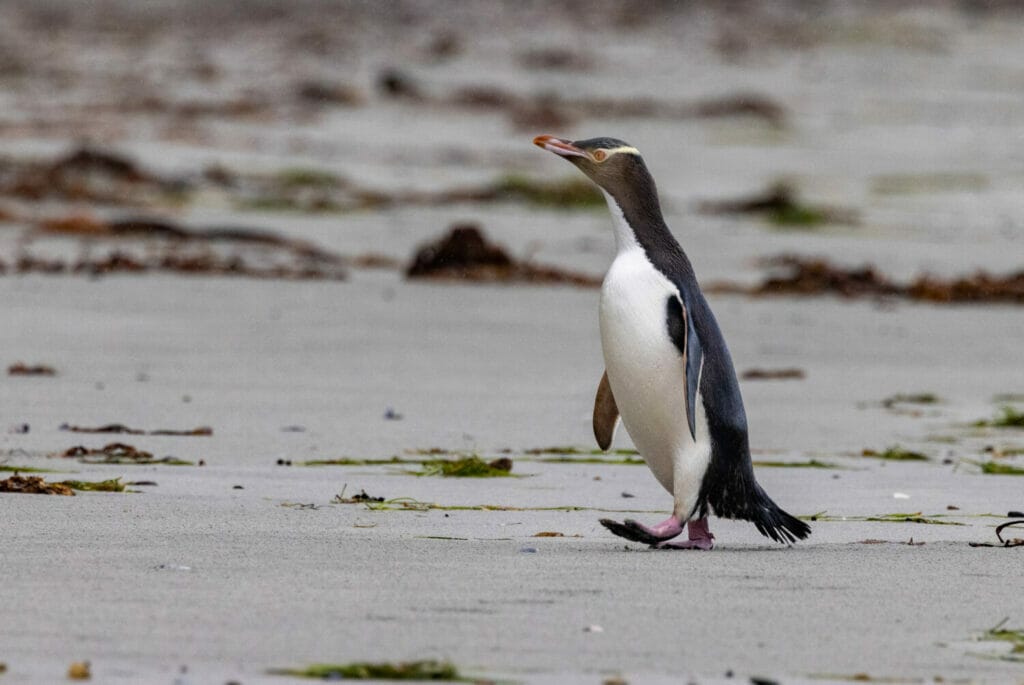
While their aquatic prowess is undeniable, penguins must also navigate terrestrial environments, often characterized by slippery ice, rocky shores, and uneven terrain. Here, their seemingly awkward waddle comes into play. The high positioning of their knees and the considerable length of their lower legs and feet provide a stable base for bipedal locomotion.
The bent knee posture, maintained by strong muscles and supported by the kneecap, allows penguins to maintain balance and distribute their weight effectively. This is particularly important when traversing icy landscapes or rocky outcrops where a misplaced step could lead to injury. The large, webbed feet, another prominent feature, further aid in traction and stability on land, acting as natural snowshoes or stabilizers on slick surfaces.
The Functional Significance of Penguin Knees
Beyond their role in basic locomotion, penguin knees are integral to several vital behaviors, including incubation and even rest.
Movement and Propulsion
In the water, the bent knee allows penguins to use their legs in conjunction with their wings for powerful propulsion. While their wings are the primary means of generating thrust, the legs act as rudders and stabilizers, enabling precise steering and agile maneuvers. On land, the ability to flex and extend the knee, albeit within a limited range, is crucial for walking, climbing over obstacles, and maintaining an upright posture.
Incubation and Nesting Behaviors
A fascinating aspect of penguin behavior is their method of incubating eggs. Many species, particularly those breeding in the frigid Antarctic, employ a unique strategy: they hold their single egg on top of their feet, cradled within a fold of abdominal skin known as a brood pouch. The knees play a direct role in this process. By bending their knees and bringing their feet together, penguins create a stable platform to support the egg. This position keeps the precious cargo elevated off the icy ground, protecting it from extreme cold and potential damage. The ability to maintain this posture for extended periods, often while standing, underscores the strength and stability provided by their knee structure.
Rest and Sleep
Even during rest, penguin knees contribute to their survival. While they can sleep in a standing position, tucking their heads into their chests, they can also sit down by bending their knees. This ability allows them to conserve energy and maintain a lower profile when necessary, particularly when resting in areas exposed to wind or predators.
The Enigma of the Waddles Explained
The characteristic waddle, often perceived as clumsy, is in fact an energy-efficient and adaptive form of locomotion for penguins on land. Several factors contribute to this unique gait:
- High Knee Placement and Leg Length: As previously discussed, the knees are positioned high on the body, with long lower legs. This anatomy necessitates a side-to-side motion of the hips to shift weight and maintain balance. Each step requires the penguin to swing its body to bring its center of gravity over the supporting leg.
- Large Feet: The broad, webbed feet, while excellent for stability, are also cumbersome to lift and move quickly. The waddle minimizes the need for extensive leg lifting, making movement more efficient.
- Body Shape and Bone Density: The penguin’s streamlined, somewhat oval body shape, combined with their dense bones, contributes to a gait that prioritizes stability and energy conservation over speed.
- Energy Conservation: For bipedal animals, particularly those with significant body mass relative to their height, walking can be energetically demanding. Penguins, with their dense bones and need to conserve energy for foraging and survival in harsh conditions, have evolved waddling as the most efficient method of terrestrial locomotion. This gait minimizes unnecessary movement and optimizes the use of their muscular system.
A Comparative Look at Penguin Anatomy
To fully appreciate the adaptations of penguins, it is helpful to compare them to other avian species. Flying birds typically have longer, more slender leg bones and a more flexible knee joint that allows for a greater range of motion, facilitating takeoff and landing. Their bones are also generally hollow to reduce weight. In contrast, penguins, having abandoned flight, have evolved a robust, dense skeletal structure optimized for diving and swimming.

The skeletal structure of a penguin’s leg can be broken down into key components:
- Femur (Thigh Bone): Short and stout, connected to the pelvis by a hip joint.
- Knee Joint: Located high on the body, allowing for flexion but with limited rotation. Protected by a cube-shaped patella.
- Tibiotarsus (Shin Bone): The longest bone in the leg, extending from the knee to the ankle.
- Tarsometatarsus and Phalanges (Ankle and Toes): Form the foot, which is large, webbed, and equipped with claws for grip and prey capture.
The evolution of these features is a testament to the power of natural selection, shaping organisms to thrive in specific ecological niches.
Broader Implications and Future Research
The study of penguin anatomy, particularly their unique leg and knee structure, offers valuable insights into biomechanics, evolutionary biology, and adaptation. Understanding how these animals have optimized their form for both aquatic and terrestrial environments can inform research in fields ranging from robotics to materials science.

Furthermore, as climate change continues to impact polar ecosystems, understanding the physiological and anatomical adaptations of species like penguins becomes increasingly critical. Research into their energy expenditure, diving capabilities, and locomotion efficiency can provide crucial data for conservation efforts and for predicting how these species might respond to environmental shifts.
The hidden knees of penguins, far from being a mere anatomical curiosity, represent a sophisticated evolutionary solution to the challenges of a dual life. They are a silent testament to the remarkable adaptability of life on Earth, allowing these iconic birds to navigate the frigid oceans and icy landscapes with a unique blend of grace and resilience. The next time you observe a penguin waddling across the ice, remember the complex and highly functional anatomy that lies beneath its dense feathers, enabling its extraordinary journey from the depths of the sea to the shores of its icy domain.

