


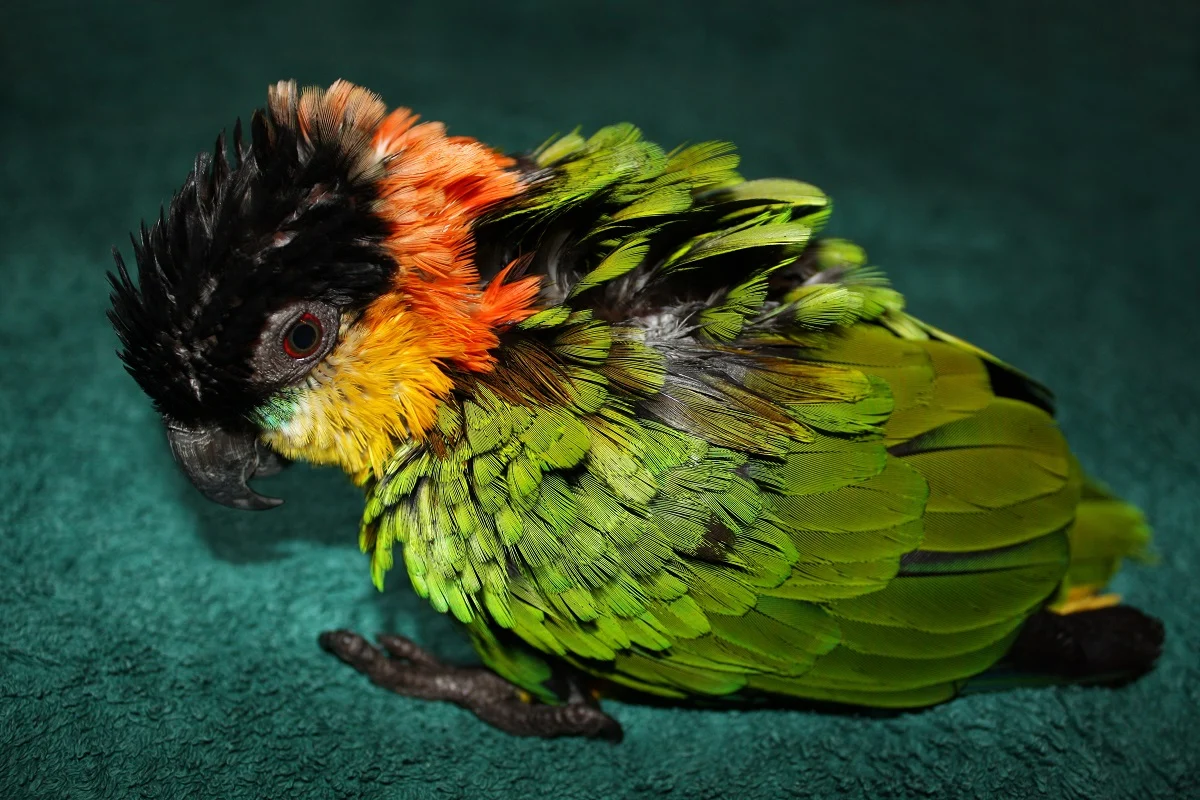
The prospect of a beloved parrot falling ill or sustaining an injury is a scenario no owner wishes to confront. However, the reality of avian companionship necessitates thorough preparation for such emergencies, as proactive measures can significantly influence the outcome, often marking the difference between recovery and irreversible decline. Understanding how to react when a parrot is bleeding, having immediate access to an avian veterinarian’s contact information, and maintaining a well-stocked first aid kit are not merely suggestions but critical components of responsible pet ownership. This article aims to provide an exhaustive guide for both seasoned parrot guardians and those considering adding an avian member to their family, outlining the essential knowledge and actions required to ensure the highest chances of survival and recovery during a health crisis.
For those currently facing an avian medical emergency, immediate action is paramount. If a parrot exhibits clearly urgent symptoms such as severe trouble breathing, non-responsiveness, or uncontrolled bleeding, discontinue reading and transport the bird to an avian veterinarian without delay, contacting the clinic en route. In situations where the urgency is less clear, a prompt call to the avian vet from home to describe the symptoms will allow them to provide specific guidance. Should an avian veterinarian not be immediately available, owners should proceed with basic emergency care detailed later in this article while continuing efforts to reach a qualified professional.
Proactive Preparedness: Laying the Foundation for Avian Well-being
Prevention is undeniably superior to cure, particularly concerning the delicate physiology of parrots. The cornerstone of emergency preparedness involves establishing a relationship with an experienced avian veterinarian before any health issues arise. Avian medicine is a highly specialized field, requiring specific knowledge of bird anatomy, physiology, and disease processes that differ significantly from those of mammals. A general practice veterinarian may not possess the expertise to adequately diagnose or treat avian ailments, underscoring the necessity of a dedicated avian specialist. Owners should ensure their primary avian vet’s number is saved prominently in their phone, alongside contact details for emergency avian clinics, especially those operating outside regular business hours.
Beyond medical contacts, financial preparedness is crucial. Veterinary treatments for parrots, particularly emergency interventions or specialized diagnostics, can incur substantial costs. Establishing an emergency vet fund or investigating avian-specific pet insurance policies can alleviate financial stress during a crisis, allowing owners to prioritize their bird’s health without undue monetary constraint.
Avian Safety and Hazard Prevention: Parrot-Proofing Your Environment
The inherent curiosity and intelligence of parrots, coupled with their often sensitive constitutions, make them exceptionally prone to accidental injury or illness within a typical home environment. Many experienced parrot owners can attest to the birds’ uncanny ability to find trouble, from chewing through electrical cords and ingesting toxic household plants to becoming trapped in tight spaces or escaping through seemingly imperceptible openings.
Therefore, meticulous parrot-proofing of any area accessible to the bird is non-negotiable. This involves:
- Securing all exits: Doors and windows must be closed and locked, with screens checked for integrity.
- Excluding other pets: Ensure dogs, cats, or other animals are kept separate from the parrot’s living and free-flight areas to prevent predatory instincts from causing harm.
- Removing toxic and dangerous items: This category is extensive and requires careful consideration. Common household toxins include cleaning products, aerosols, certain air fresheners, non-stick cookware (PTFE fumes are lethal), lead (found in older paint, stained glass, some toys), zinc (galvanized cages, some toys), and human medications. A wide array of common houseplants, such as Dieffenbachia, philodendron, lilies, and azaleas, are highly toxic to birds. Owners should research parrot-safe plants for their home environment. Certain human foods like avocado, chocolate, caffeine, alcohol, and fruit pits (containing cyanide) are also extremely dangerous.
- Eliminating physical hazards: This includes covering electrical outlets and wires, removing small objects that could be ingested, securing heavy items that could fall, and blocking access to open water sources like toilets or sinks. Ceiling fans should always be turned off when a parrot is out of its cage.
Even the parrot’s cage requires "parrot-proofing." Not all commercially available parrot toys are genuinely safe; some may contain small parts that can be ingested, materials that can fray and cause entanglement, or toxic dyes. Regular inspection of toys for wear and tear, and maintaining impeccable cage hygiene, are vital preventative measures.
Assembling the Avian First Aid Kit: A Critical Resource
Despite the most diligent preventative efforts, accidents and sudden illnesses can still occur. A bird’s toe might get caught, a flight into a mirror could cause concussion, or a broken blood feather could trigger significant hemorrhage. For these unforeseen events, a readily accessible and well-stocked avian first aid kit is indispensable.
The kit should be kept in a central, easily remembered location, and all household members should be familiar with its contents and basic usage. Key items include:

- Bleeding Control:
- Styptic powder (e.g., Kwik Stop): Essential for stopping bleeding from minor cuts, broken blood feathers, or nail trims that are too short. Cornstarch or flour can serve as a temporary substitute if styptic powder is unavailable.
- Sterile gauze pads: For applying pressure to wounds.
- Cotton swabs/applicators: For precise application of styptic powder or antiseptics.
- Wound Care:
- Antiseptic solution: A diluted povidone-iodine or chlorhexidine solution (as recommended by an avian vet) for cleaning minor wounds. Avoid harsh disinfectants.
- Sterile saline solution: For flushing eyes or wounds gently.
- Blunt-tipped scissors: For carefully trimming away matted feathers around a wound (never cut feathers unless absolutely necessary and know what you are doing).
- Supportive Care:
- Heating pad (covered) or microwaveable heat pack: For providing supplemental warmth to a sick or shocked bird. Hot water bottles can be used but carry a risk of bursting if punctured.
- Small blanket or towel: For covering the carrier, providing darkness, and warmth.
- Small, dark carrier: An essential item for transporting an injured or ill bird to the vet. It should be lined with paper towels for easy monitoring of droppings and for hygiene, and capable of being darkened to reduce stress.
- Rehydration solution: Such as unflavored Pedialyte or veterinary electrolyte sachets.
- Small, needle-less syringes (1ml and 3ml): For administering fluids or medication orally, especially for birds that are syringe-trained.
- Tools:
- Tweezers: For removing splinters or foreign objects.
- Magnifying glass: For close inspection of small wounds or parasites.
- Nail clippers: In case a broken nail is causing distress or further injury (use with caution).
- Documentation:
- Avian vet contact information: Primary vet, emergency clinic, and any trusted backups.
- Bird’s medical history: A brief summary of vaccination dates, known conditions, and current medications.
The rapid blood loss capacity of parrots is a critical concern. As Dr. Daisy May, a resident avian veterinarian, highlights, approximately 10% of a bird’s body weight is blood. A 100-gram cockatiel, for instance, possesses around 10 milliliters of blood, and safely losing more than 1 milliliter can be dangerous. This underscores why immediate action to control bleeding is vital.
Recognizing the Subtle Signs of Avian Illness
One of the most challenging aspects of parrot ownership is discerning when a bird is ill. Due to their instinctual programming as prey animals, birds are masters at concealing symptoms of sickness or pain. In the wild, displaying weakness attracts predators; in a domestic setting, this can lead to delayed detection of serious conditions. Therefore, the most crucial preventative measure is for owners to intimately understand their bird’s normal behavior, appearance, vocalizations, and droppings. Any deviation from this baseline should be a cause for concern.
Veterinarians universally recommend contacting an avian vet for advice or to schedule an appointment if any of the following symptoms are observed:
- Behavioral changes: Lethargy, decreased activity, unusual aggression or fear, reluctance to play or interact.
- Feather condition: Persistent fluffing, ruffled or disarrayed plumage, excessive preening or feather plucking, dull feathers.
- Appetite and thirst: Changes in food or water consumption (either increased or decreased).
- Droppings: Alterations in color, consistency, or volume of urates (white part), urine (liquid part), or feces (solid part). Note: Certain foods like beetroot or bell peppers can temporarily alter droppings’ appearance, potentially mimicking blood.
- Discharge: Any discharge from the nostrils, eyes, or beak.
- Vocalizations: Changes in normal calls or a sudden silence.
- Lameness or difficulty perching: Indicating potential injury or neurological issues.
- Minor injuries: Small cuts, scrapes, or limping without an obvious cause.
However, certain symptoms warrant immediate veterinary attention, requiring owners to call while en route to the clinic. These signs often indicate a critical state where oxygen support, thermal regulation in a warmed brooder, and fluid therapy (oral or intravenous) are likely needed:
- Severe bleeding: Uncontrolled hemorrhage from any wound.
- Respiratory distress: Open-mouth breathing, tail bobbing with each breath, labored breathing, clicking or wheezing sounds.
- Collapse or non-responsiveness: Inability to stand, extreme weakness, or loss of consciousness.
- Seizures or neurological signs: Tremors, loss of balance, head tilt, circling, uncontrolled muscle movements. A sudden head tilt, as experienced by one owner with their budgie, required immediate vet care and anti-inflammatory medication, leading to a full recovery.
- Persistent vomiting or regurgitation: Especially if accompanied by lethargy or dehydration.
- Significant trauma: Visible broken bones, deep lacerations, or impact injuries.
- Severe dehydration: Indicated by prolonged skin tenting or a very slow capillary refill time (discussed below).
Regular, ideally twice-yearly, health check-ups with an avian vet are a highly effective preventative measure. These routine examinations can detect subtle problems, such as nutrient imbalances or early stages of disease, before they escalate into life-threatening emergencies.

Emergency Care While Awaiting Veterinary Aid
Once an avian vet has been contacted, there may be a period of waiting—either during transit or if the clinic cannot see the bird immediately. During this critical time, providing basic emergency care can significantly improve the bird’s prognosis. Staying calm and focused is paramount.
Controlling Hemorrhage
If a parrot is bleeding, stopping the blood flow is the immediate priority. For minor bleeding from a nail or blood feather, apply styptic powder (or cornstarch/flour) directly to the wound and apply gentle, firm pressure with sterile gauze for several minutes. Birds typically have good clotting abilities, so this is often sufficient.
However, if the wound is deep enough to penetrate a body cavity (e.g., abdomen or thorax), styptic powder is ineffective. In such cases, apply continuous, firm pressure using clean gauze while rushing to the vet. Do not delay. When applying pressure, extreme caution must be exercised to avoid restricting the bird’s ability to breathe. Unlike mammals, birds lack a diaphragm and rely entirely on the expansion of their chest wall for respiration. Any pressure around the chest or abdomen that impedes this movement can be fatal. If bleeding persists despite pressure, maintain continuous pressure until veterinary care is available.
Providing Isolation and Thermal Support
Stress and shock are significant threats to an already compromised bird. Handling a severely distressed or ill parrot can exacerbate its condition, potentially leading to fatal consequences. Therefore, minimizing stress through isolation and providing a warm, dark, and quiet environment is crucial.
Additionally, sick or injured birds often struggle to maintain their body temperature, making them susceptible to hypothermia. Supplemental warmth is vital, with an ideal ambient temperature ranging from 85°F to 90°F (29°C to 32°C).

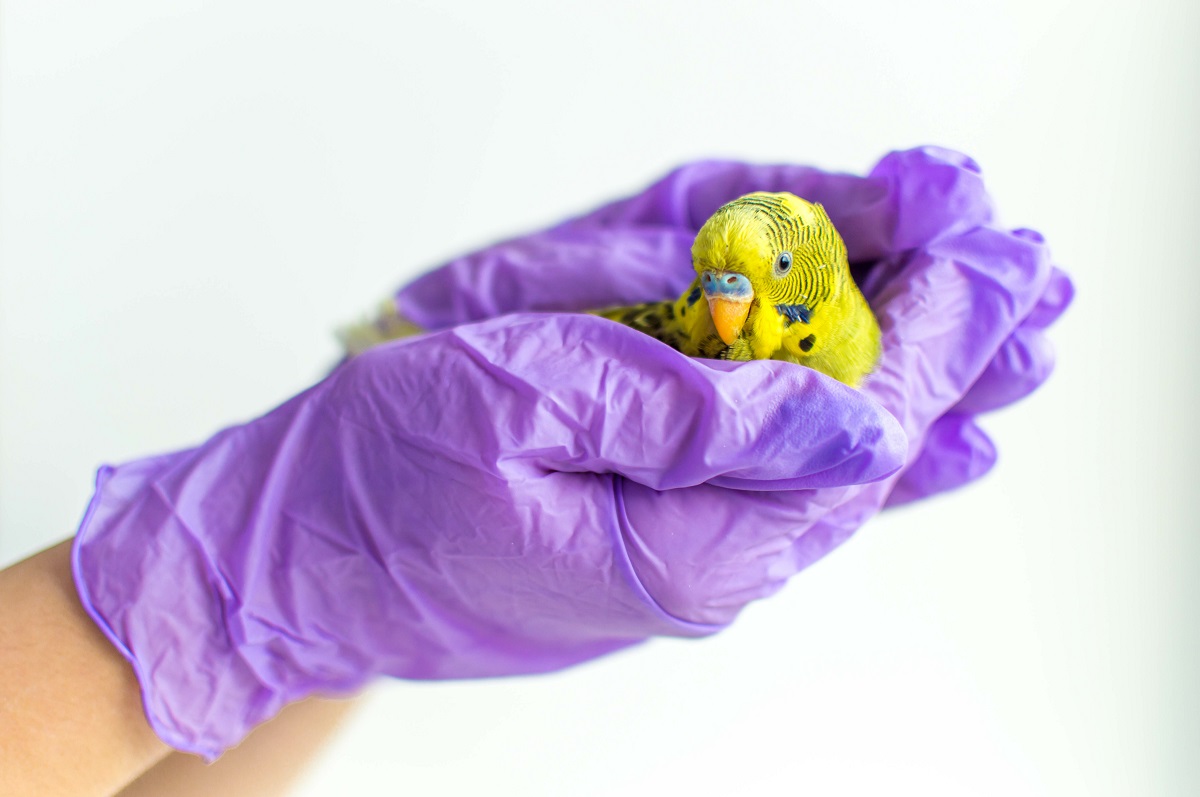
To achieve this, place the bird in a small, clean carrier or box lined with soft paper towels. Introduce a covered heating pad set on low or a microwaveable heat pack (safer than hot water bottles which can burst) into the enclosure. The carrier should then be partially or fully covered with a towel to create a dark, quiet space, reducing visual stimuli and further minimizing stress during transport or while waiting for the vet.
Addressing Dehydration
Vomiting, diarrhea, or a general reluctance to drink can quickly lead to dehydration in parrots. Moderate to severe dehydration requires immediate veterinary intervention, but mild dehydration can sometimes be addressed at home if the bird is still alert and able to swallow.
To assess the level of dehydration, owners can check the basilic wing vein refill time. Locate the basilic wing vein, visible as a raised blue line on the inside of the bird’s "elbow" (humeral-radioulnar joint). Gently press on the vein with a finger to displace the blood, then release. In a well-hydrated bird, the vein should refill almost immediately (less than 1 second). A refill time of 1-2 seconds suggests mild dehydration, while anything over 2 seconds indicates moderate to severe dehydration, necessitating urgent veterinary attention.
For mildly dehydrated birds that are still bright and able to swallow, offer a rehydration solution (such as avian electrolyte sachets mixed according to instructions or unflavored Pedialyte). These fluids should be gently warmed to body temperature to prevent further chilling of the bird. The solution can be offered on a teaspoon or, for syringe-trained birds, via a needle-less syringe.
It is critically important to exercise extreme caution when attempting to administer fluids orally to a sick bird. Unless specifically trained by an avian vet, technician, or nurse on how to safely deliver fluids to the back of the bird’s mouth while avoiding the entrance to the windpipe (glottis), do not attempt forced feeding or watering. The risk of aspirating fluids into the lungs, which can cause severe pneumonia or immediate suffocation, is extremely high and can be fatal. If the bird is unwilling or unable to drink on its own, professional veterinary intervention for fluid administration (subcutaneous or intravenous) is essential.

Conclusion
In conclusion, the health and safety of an avian companion are deeply intertwined with the owner’s level of preparedness. Parrots, with their unique physiology and inherent ability to mask illness, demand a proactive and informed approach to their care. The overarching priority in any avian health crisis is to secure professional veterinary assistance from an avian specialist without delay.
By diligently preparing for emergencies—establishing a relationship with a qualified avian veterinarian, ensuring financial readiness, meticulously parrot-proofing the home environment, assembling a comprehensive first aid kit, and learning to recognize both subtle and critical signs of illness—owners can dramatically enhance their parrot’s chances of survival and recovery. The bond shared with these intelligent and sensitive creatures comes with the profound ethical responsibility of providing the best possible care, especially in times of acute need. This comprehensive approach to emergency preparedness is not merely a safeguard; it is a testament to the commitment of responsible avian guardianship.
Disclaimer: This article provides general information and should not be considered a substitute for professional veterinary advice. Always consult with a qualified avian veterinarian for specific diagnoses and treatment plans for your bird.
Sources:
- Avianmedicine.net: Emergency and Critical Care
- (Additional sources on parrot physiology, toxicology, and emergency care would be cited here in a full journalistic piece.)

