


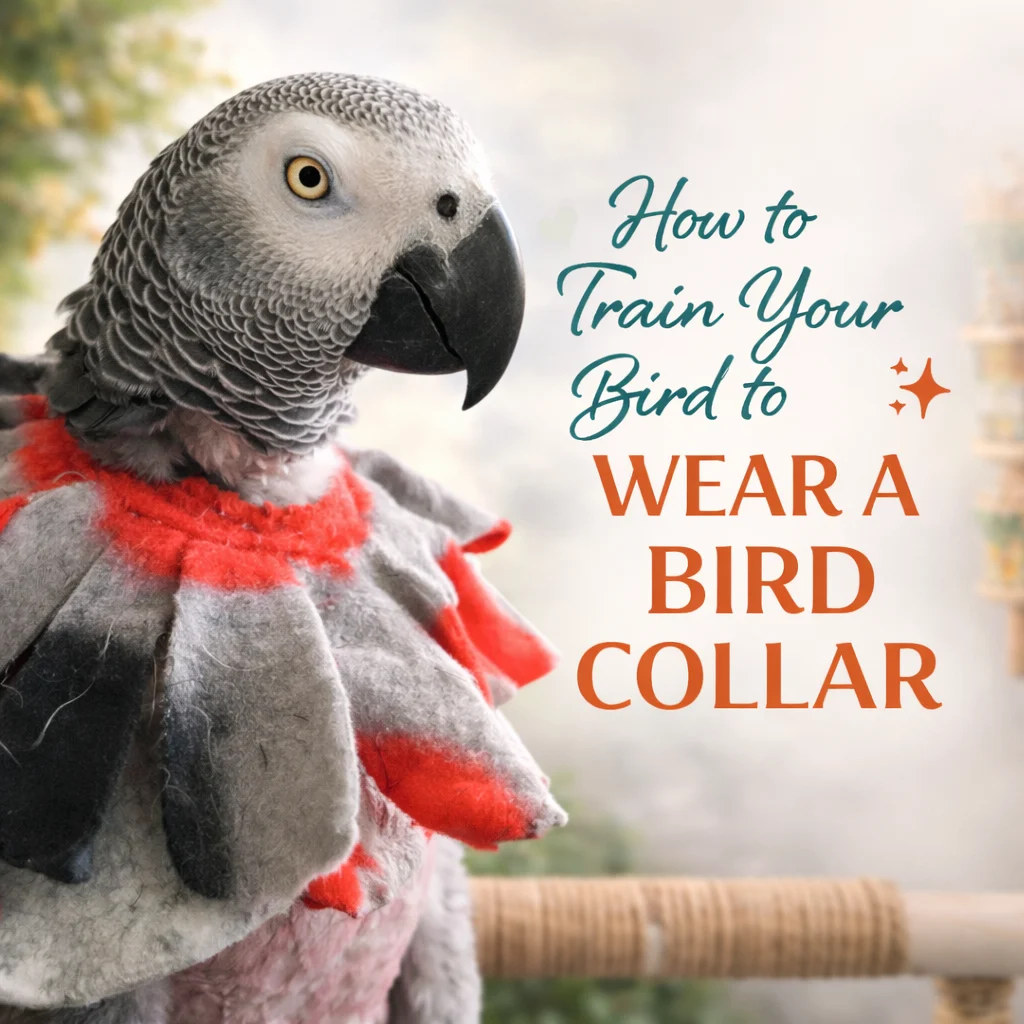
The use of avian collars, often perceived with initial apprehension by bird owners, is increasingly recognized by veterinary and behavioral experts as a vital, safe, and humane intervention when introduced thoughtfully and applied for appropriate therapeutic reasons. This assertion comes as a crucial clarification for owners grappling with the complex and distressing issue of feather destructive behavior (FDB) in their companion birds. While not a standalone solution or a punitive measure, collars serve as a critical protective bridge, allowing time for underlying medical, environmental, and psychological issues to be identified and addressed without further harm to the bird.
Understanding Feather Destructive Behavior (FDB) in Companion Birds
Feather destructive behavior encompasses a range of actions from mild feather picking to severe plucking, barbering, and even self-mutilation, where birds damage their own feathers or skin. This condition is prevalent in captive avian populations, with certain species like African Grey Parrots, Cockatoos, and Lovebirds being particularly predisposed. The causes of FDB are multifaceted and often interconnected, ranging from medical conditions such as nutritional deficiencies, parasitic infections, organ disease, and allergies, to psychological factors like chronic stress, boredom, lack of enrichment, anxiety, hormonal imbalances, and trauma. Environmental triggers, including inappropriate cage size, poor lighting, low humidity, or exposure to irritants, also play a significant role.
The impact of FDB extends beyond cosmetic damage. Chronic plucking can lead to skin irritation, secondary bacterial or fungal infections, folliculitis, and in severe cases, deep wounds that are prone to infection and can become life-threatening. The constant cycle of self-harm reinforces the behavior, creating a difficult habit to break. For many bird owners, witnessing their beloved companion engage in FDB is emotionally taxing, often leading to a prolonged search for effective solutions that can be both financially demanding and emotionally draining.
The Role of Avian Collars in Therapeutic Intervention
Avian collars are not a first-line treatment for FDB, nor are they intended as a permanent solution. Instead, their utility emerges when the bird’s destructive behavior escalates to a point where physical harm to feathers or skin becomes imminent or ongoing, and less restrictive interventions have proven insufficient. Avian veterinarians and behaviorists frequently recommend collars as a temporary measure to interrupt the cycle of self-mutilation, protect healing wounds, prevent further damage, and provide a critical window for diagnosis and comprehensive treatment of the underlying causes.
Diane Burroughs, an authority with over three decades of experience specializing in anxiety-driven behaviors and feather destructive disorders in birds, underscores this approach. "Most people aren’t looking for a collar because they want one," Burroughs notes, "they’re here because plucking is escalating, skin is at risk, or something feels like it’s getting out of hand." This sentiment reflects the reality that collars are typically considered after owners have exhausted other avenues, including dietary adjustments, environmental enrichment, routine modifications, supplements, and even specialized sprays. When these efforts fail to slow or halt the damage, a physical barrier becomes necessary to safeguard the bird’s well-being.
When Intervention Becomes Crucial: A Chronology of Concern
The decision to employ an avian collar often follows a discernible chronology in an owner’s journey:
- Initial Observation: Owners first notice mild feather picking, often seasonal or localized.
- Early Interventions: Attempts are made to address potential triggers: diet changes, increased enrichment, adjusted routines.
- Escalation: Despite early efforts, the plucking intensifies, becoming more frequent, widespread, or aggressive. Feathers may be barbered down to the shaft, or skin may become visible.
- Veterinary Consultation: A crucial step where an avian veterinarian conducts a thorough examination to rule out medical causes (blood tests, skin biopsies, radiographs, etc.). Behavioral causes are also explored.
- Continued Damage: Even with medical treatment or behavioral modifications initiated, the bird continues to self-harm, sometimes even reopening wounds.
- Consideration of Collars: At this stage, typically under veterinary guidance, collars are considered as a protective measure to prevent further injury and allow healing. This is particularly relevant for birds actively plucking out feathers, barbering down to the skin, reopening wounds, or trapped in a repetitive plucking loop that reinforces the behavior.
Collars are most helpful during active feather destruction, post-surgical recovery periods, wound healing, or during heightened anxiety where access to skin or feathers poses a real risk. When properly introduced and managed, collars significantly reduce physical injury, disrupt the habit rehearsal, and afford owners and veterinarians crucial time to implement and assess the effectiveness of diet, environmental modifications, ongoing medical care, and behavioral support.
Types of Avian Collars and Their Application
The market offers various types of avian collars, each designed with different materials and configurations to suit specific needs and bird species. The choice of collar is critical for effectiveness and comfort:
- Elizabethan Collars (E-Collars): These cone-shaped collars, often made of plastic, are rigid and designed to prevent the bird from reaching specific areas of its body. They are effective for preventing access to the torso, wings, and legs but can significantly restrict movement and vision, potentially increasing stress if not introduced carefully.
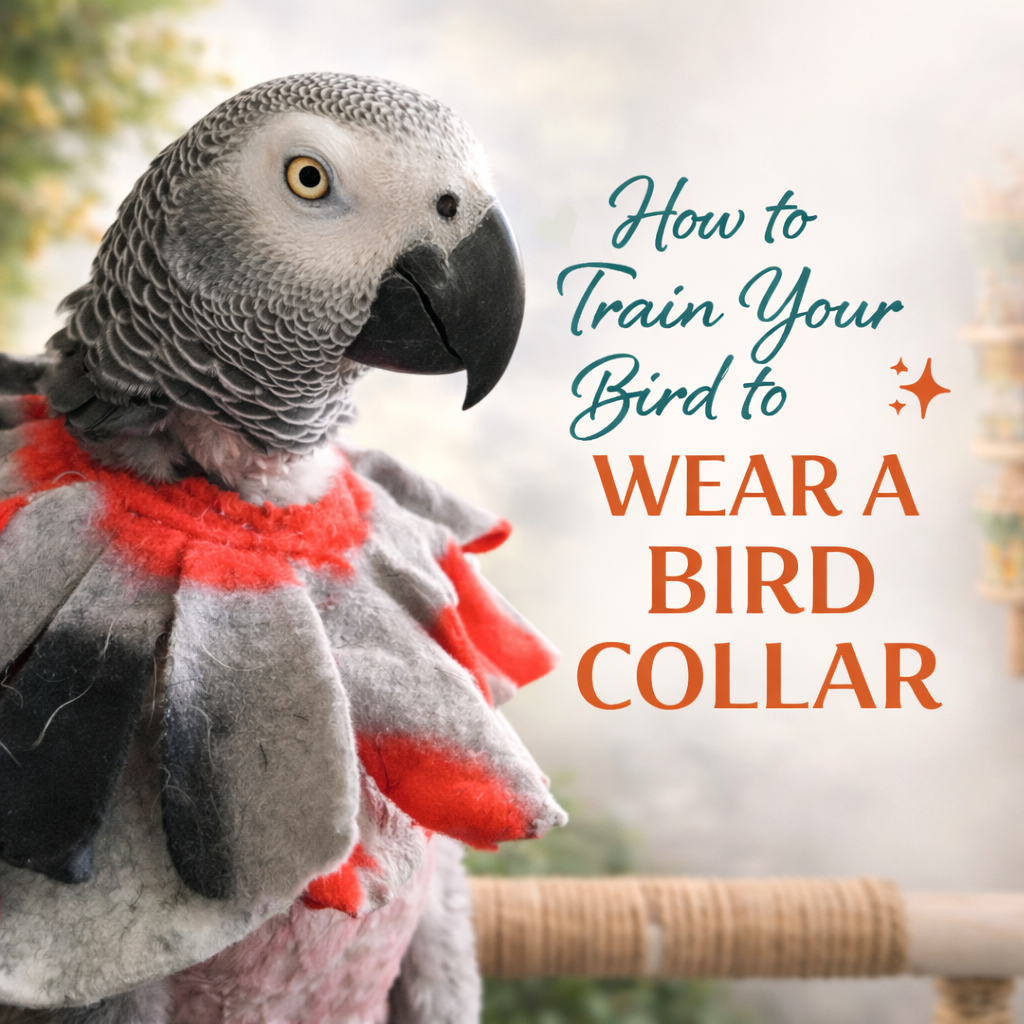
- Fabric Collars/Neck Tubes: Softer, more flexible collars made of fabric (e.g., fleece, cotton) or felt. These fit snugly around the neck, limiting the bird’s ability to bend its neck sufficiently to pluck. They are generally less restrictive than E-collars, allowing for better peripheral vision and more natural movement, which can aid in adaptation.
- Disk Collars: Flat, circular collars that sit around the neck, often made of soft plastic or fabric. They prevent access to the chest and upper body but may allow some access to the lower body depending on the bird’s flexibility.
- Specialty Collars: Innovative designs, sometimes custom-made, address specific plucking patterns or areas, balancing protection with comfort.
Regardless of the type, proper sizing is paramount. A collar that is too tight can restrict breathing or circulation, while one that is too loose can be removed by the bird or become entangled. Material selection is also important, with non-toxic, lightweight, and breathable options being preferred.
A Structured Approach to Safe Collar Introduction
The success of an avian collar hinges less on the device itself and more on the thoughtful, gradual process of introduction. Rushing this process can lead to increased stress, resistance, and negative associations. Diane Burroughs advocates for a patient, methodical training approach focused on supporting the bird’s emotional and physical regulation.
- Desensitization (1-3 Days): Initially, allow the bird to simply observe the collar from a safe distance without any pressure. The goal is to demystify the object, teaching the bird that the collar is not a threat. Place it near the cage or in the room where the bird can see it but not interact with it directly.
- Familiarization (1-2 Days): Integrate the collar into regular routines without direct interaction with the bird. For instance, lay the collar on your shoulder while you perform daily care tasks, eat, or interact with your bird. This normalizes its presence in the bird’s environment.
- Inviting Exploration: Once the bird seems comfortable with the collar’s presence, allow it to investigate the collar on its own terms. Place it within reach, letting curiosity guide interaction. Offer treats near or on the collar to build positive associations.
- Building Tolerance to Touch: During training sessions, gently work on handling the bird’s wings, shoulders, and torso. This prepares the bird for the physical sensation of the collar and the process of putting it on. Use positive reinforcement with favorite treats, keeping sessions short and ending on a positive note.
- Cage Preparation: Before the first fitting, modify the bird’s cage environment to ensure safety. Remove any perches or toys that could cause entanglement or hinder movement with the collar. Lower perches, place food and water bowls within easy reach, and ensure soft bedding is available in case of falls.
- First Fitting (1-3 Hours, Supervised): When both the owner and the bird are calm and ready, carefully fit the collar. This initial period should be closely supervised. Awkward movements, attempts to remove the collar, and investigation of the new object are normal. Provide comfort and reassurance, and offer high-value treats.
- Gradual Increase in Wear Time: Incrementally extend the wear time in 30-60 minute intervals. This gradual approach allows the bird to build the physical strength and confidence needed to navigate its environment comfortably with the collar. Observe for signs of distress and reduce wear time if necessary.
- Cage Normalization: As the bird adapts to the collar, slowly return perches, bowls, and toys to their usual positions. Some birds, especially those that are naturally nervous, may require assistance in relearning how to perch, climb, eat, or drink with the collar on. Patience and continued positive reinforcement are crucial during this phase.
Expert Perspectives and Owner Considerations
Avian veterinarians underscore that while collars provide essential physical protection, they are rarely a standalone solution. "A collar buys us time," states Dr. Evelyn Reed, an avian specialist, "time to run diagnostics, adjust diet, modify environmental factors, and implement behavioral therapy without the bird exacerbating its injuries. But it’s absolutely critical to continue investigating and treating the root cause of the plucking." Bird behaviorists, such as Dr. Alex Chen, emphasize the importance of enrichment and mental stimulation during collar use. "A collared bird might be frustrated by restricted movement. Providing foraging opportunities, new toys, and continued positive interaction becomes even more vital to prevent new behavioral issues from emerging."

Owners frequently express a mix of relief and guilt when resorting to a collar. The relief comes from seeing their bird’s wounds heal and the destructive cycle interrupted, while guilt stems from the perceived restriction of their bird’s freedom. Support groups and experienced bird mentors often highlight that this emotional response is normal, but the focus should remain on the bird’s long-term health and welfare.
Addressing Common Misconceptions and Challenges
One common mistake is viewing the collar as a "fix-all" or a form of punishment. This perspective not only harms the bird-owner bond but also diverts attention from the necessary investigative work. Another pitfall is making too many changes simultaneously, overwhelming the bird. Collars work best when paired with slow, predictable adjustments to the bird’s overall care, not a complete overhaul that can heighten stress. Furthermore, following advice without context from online forums can be counterproductive, as each bird’s situation is unique. What works for one may be detrimental to another.
Challenges with collar use include potential stress, reduced mobility, difficulty with eating/drinking, and hygiene issues. Continuous supervision is paramount, especially initially. Owners must ensure the collar is clean, fits properly, and does not cause chafing or irritation. Adjustments to feeding stations and perches may be necessary to accommodate the bird’s altered reach and balance.
Broader Implications for Avian Welfare
The thoughtful integration of avian collars into veterinary and behavioral protocols represents a significant advancement in the holistic care of companion birds. By providing a safe bridge during critical periods, collars enable more comprehensive and ultimately more successful treatment outcomes for birds suffering from FDB. This approach reflects an evolving understanding of avian behavior, acknowledging the complex interplay of physical and psychological factors in their well-being.
Further research into collar materials, designs, and adaptation strategies continues to improve bird comfort and owner compliance. The emphasis on slow, positive introduction techniques aligns with modern animal behavior science, promoting a less stressful experience for the bird. Ultimately, the informed and compassionate use of avian collars underscores a commitment to protecting birds from self-inflicted harm, allowing them the best possible chance at recovery and a higher quality of life.
Diane Burroughs’ extensive work and the insights she shares contribute significantly to the practical application of these principles, empowering bird owners to make informed decisions that prioritize their avian companions’ health and happiness. As avian medicine and behavior continue to advance, the collar, when used judiciously, will remain an indispensable tool in the comprehensive management of feather destructive behavior.

