


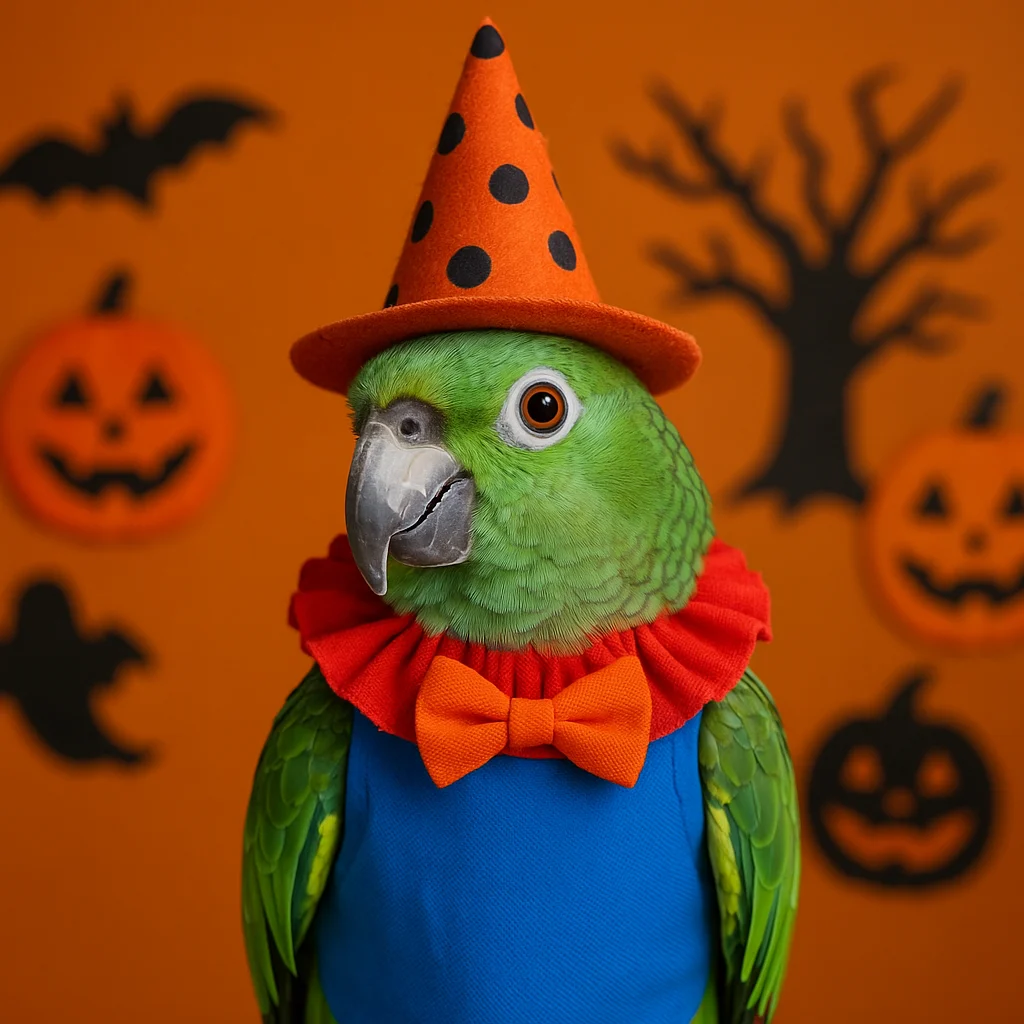
As October draws to a close, the festive spirit of Halloween sweeps across neighborhoods, bringing with it a vibrant tapestry of costumes, decorations, and community gatherings. While this annual celebration offers immense joy and excitement for humans, for our feathered companions, particularly parrots and other pet birds, it can transform a peaceful home environment into a source of profound stress and anxiety. The cacophony of doorbells, the spectacle of flashing lights, the unfamiliarity of costumed strangers, and the disruption of established routines can trigger a primal "flight or fight" response in birds, leading to distress and potential health implications. Understanding these unique vulnerabilities and proactively implementing preventative measures is crucial for ensuring a calm, cozy, and scare-free Halloween night for our avian friends.
The Avian Perspective: Why Halloween Can Be Alarming
Birds, by their very nature, are prey animals. Their highly developed senses, particularly acute hearing and vision, are finely tuned to detect potential threats in their environment. In the wild, sudden changes, loud noises, and unfamiliar presences are often precursors to danger, prompting an instinctive evasive action. When these natural instincts are confronted with the artificial chaos of Halloween, even the most confident and well-socialized parrot can become overwhelmed.
The physiological response to stress in birds involves a rapid surge of stress hormones, such as corticosterone, which prepare the body for immediate action. While this is a vital survival mechanism, prolonged or intense stress can lead to a range of behavioral issues, including screaming, biting, feather plucking, self-mutilation, and hiding. Chronically elevated stress hormone levels can also suppress the immune system, making birds more susceptible to illness. Therefore, mitigating environmental stressors during events like Halloween is not merely about comfort but about safeguarding their overall health and well-being. Avian behaviorists, such as Diane Burroughs, LCSW, who possesses over three decades of experience in parrot behavior, consistently emphasize the importance of predictability and a stable environment for avian psychological health. Disruptions, no matter how brief from a human perspective, can have lasting impacts on a bird’s sense of security.
Auditory Overload: The Symphony of Spooks and Startles
One of the most significant stressors for birds on Halloween is the sheer volume and unpredictability of noise. Avian hearing is remarkably sensitive, often extending to higher frequencies than human hearing, and capable of discerning subtle changes in sound that might go unnoticed by us. A doorbell, which might be a mere chime to a human, can be an alarmingly loud, sudden burst of sound to a bird. Multiply this by dozens of trick-or-treaters throughout an evening, coupled with the excited shrieks of children, festive music, spooky sound effects from decorations, and even the distant pops of firecrackers (which sometimes accompany Halloween celebrations), and the auditory environment becomes a relentless assault on a bird’s senses.
To mitigate this, creating a designated "quiet zone" for your bird is paramount. This involves moving their cage, ideally before the evening’s festivities begin, to a secluded back room, away from the main entrance and any areas of high traffic. Closing windows and doors in this room can significantly muffle external sounds. The introduction of white noise, such as a fan or an air purifier, or playing calming classical music or nature sounds (e.g., gentle rain, forest ambience) at a low, consistent volume, can help mask startling noises and create a more tranquil soundscape. It is important to avoid attempting to comfort a bird showing signs of fear, as this can inadvertently reinforce the anxious behavior. Instead, rewarding calm moments with a favorite treat or soft praise can help build resilience and positive associations with the quiet space.
Visual Intrusion: Costumes, Masks, and Flashing Lights
Beyond sound, the visual aspects of Halloween pose another layer of stress. Birds perceive the world differently from humans. Many avian species, including parrots, possess tetrachromatic vision, meaning they can see a broader spectrum of colors, including ultraviolet light, which is invisible to humans. This enhanced visual acuity, combined with their instinctual wariness of predators, makes them particularly sensitive to unfamiliar shapes and movements.
Costumes, masks, and face paint, which transform familiar human figures into strange, often grotesque, apparitions, can be deeply unsettling for a bird. A person in a witch’s hat or a monster mask can easily be perceived as a predator. Even familiar family members can appear alien and threatening. Furthermore, the prevalence of flashing lights from decorations, strobe lights, or even camera flashes during social gatherings can disorient and frighten birds, disrupting their natural visual processing and making them feel unsafe.
The most effective strategy here is physical separation. During trick-or-treating hours or when guests are present, ensure your bird is in their designated quiet room, with the door closed. If possible, dim the lights in their room or provide a cage cover to create a dark, secure haven. Resist the temptation to include your bird in Halloween photoshoots involving costumes or props; while seemingly harmless to humans, these situations can be profoundly stressful for birds and should be avoided entirely.
Disrupted Rhythms: Guarding Essential Sleep Time
Birds, like humans, require a consistent and adequate sleep schedule for optimal physical and mental health. Most companion birds thrive on 12 to 14 hours of uninterrupted darkness and quiet each night. Halloween activities, typically peaking during the early evening, often coincide directly with a bird’s natural bedtime. A night of constant disturbances – doorbells, voices, lights – can severely disrupt their sleep cycle, leading to fatigue, irritability, and behavioral issues the following day, such as increased screaming, nipping, or even self-destructive behaviors like feather plucking.
Establishing and maintaining a predictable bedtime routine is paramount, especially on Halloween. This means covering the bird’s cage early, or moving them to their dark, quiet "safe room" well before trick-or-treaters begin to arrive. The goal is to simulate a normal, peaceful night’s rest, allowing them to settle down and achieve deep, restorative sleep without interruption. Consistency in routine is a cornerstone of avian wellness, and Halloween is no exception. A well-rested bird is better equipped to handle minor stressors and maintain a balanced temperament.
The Sugar Scare: Dietary Dangers and Toxic Treats
While the focus is often on environmental stressors, the festive nature of Halloween also introduces significant dietary risks for birds. Human Halloween candy and treats are absolutely not suitable for birds and can be highly toxic. Many common ingredients found in sweets, such as chocolate, caffeine, excessive sugar, artificial sweeteners (like xylitol), and certain nuts (macadamia nuts are toxic to many animals), are poisonous to birds. Even small amounts can lead to severe gastrointestinal distress, neurological symptoms, organ damage, or even death.
It is crucial to educate all household members, especially children, about the dangers of sharing human food with pets. Keep all Halloween candy securely stored and out of reach of curious birds. Instead of human treats, offer your bird safe and healthy alternatives. A plain almond, a small piece of unsweetened dried fruit (like apricot or mango), a walnut, or specially formulated bird treats can serve as a positive reinforcement for calm behavior or a special indulgence without any associated risks. Consulting with an avian veterinarian on safe treat options is always recommended.
A Chronology for a Calm Halloween: Proactive Planning
Effective Halloween preparation for bird owners involves a structured approach, beginning days or even weeks before October 31st.
-
Weeks Prior (Pre-Halloween Preparation):
- Identify and Prepare a Safe Room: Choose a quiet, internal room, ideally with minimal windows or good blinds. Ensure it’s free of hazards and has a comfortable perch and water source.
- Practice Cage Covering: If your bird isn’t used to a cage cover, gradually introduce it for short periods, associating it with positive experiences (e.g., a quiet treat). This reduces novelty-induced stress on Halloween night.
- Stock Calming Aids: Acquire any recommended calming formulas (such as UnRuffledRx™ Calming Formula mentioned by Diane Burroughs) or avian-safe sprays (like Aloe Vera Bird Spray) that you intend to use. Consult your avian vet for guidance on supplements.
- Review Emergency Contacts: Have your avian veterinarian’s number readily available, along with the number for an emergency animal clinic, just in case of an unforeseen incident.
-
Halloween Day (Morning/Afternoon):
- Maintain Routine: Keep your bird’s daily routine as normal as possible – feeding times, playtime, and enrichment activities. Predictability is a powerful stress reducer.
- Offer Enrichment Early: Provide a favorite foraging toy or puzzle feeder in the morning or early afternoon. This keeps your bird engaged and mentally stimulated before the evening’s potential disruptions.
- Early Meal: Consider feeding your bird slightly earlier than usual to ensure they are full and content before their early bedtime.
-
Halloween Evening (Trick-or-Treat Hours):
- Relocate and Secure: Well before trick-or-treaters are expected, move your bird to their pre-prepared safe room.
- Sound and Light Dampening: Close doors and windows in the safe room. Turn on white noise, calming music, or nature sounds at a low volume. If using a cage cover, ensure it’s placed securely to block light and further muffle sound.
- Early Bedtime: Initiate your bird’s bedtime routine earlier than usual. The goal is for them to be settled and asleep before the bulk of the Halloween activity begins.
- Minimize Interaction: Limit visits to the safe room during the peak activity period to avoid disturbing your bird.
-
Post-Halloween (November 1st and Beyond):
- Gradual Return to Routine: Gently transition your bird back to their regular schedule. Avoid sudden changes.
- Monitor for Stress Signs: Observe your bird closely for any lingering signs of stress, such as changes in appetite, vocalizations, or behavior. If concerns persist, consult your avian veterinarian.
- Positive Reinforcement: Offer extra praise and calm interaction once the night winds down, reinforcing their sense of security.
Expert Insights and Broader Implications
The recommendations outlined by experts like Diane Burroughs are not merely anecdotal; they are rooted in a deep understanding of avian psychology and physiology. The Association of Avian Veterinarians (AAV) consistently advocates for environmental enrichment and stress management as critical components of preventative care for companion birds. They emphasize that while birds may appear resilient, chronic stress significantly impacts their immune function, metabolic processes, and overall longevity.
The implications of neglecting these precautions extend beyond a single night of distress. A traumatic Halloween experience can foster long-term anxiety in a bird, making them more reactive to future sudden noises or changes. This can erode the trust between a bird and its owner, leading to a breakdown in their bond. Furthermore, stress-induced behaviors can be challenging to reverse, often requiring dedicated behavioral modification and sometimes veterinary intervention. From a broader perspective, ensuring the well-being of companion animals during holidays like Halloween reflects a growing societal awareness of pet welfare and the responsibility of pet ownership. It highlights the need for humans to adapt their celebrations to accommodate the needs of vulnerable creatures in their care, promoting a more compassionate coexistence.
In conclusion, Halloween, with its unique blend of excitement and sensory overload, presents a distinct challenge for companion bird owners. However, with thoughtful planning, proactive measures, and a commitment to understanding and respecting avian sensitivities, it doesn’t have to be a source of fear for our feathered friends. By creating quiet, secure havens, managing auditory and visual stimuli, safeguarding their essential sleep, and preventing access to toxic treats, owners can transform a potentially terrifying night into a peaceful, calm, and treat-filled evening for their beloved birds. This dedication not only ensures their immediate safety and comfort but also strengthens the invaluable bond shared between humans and their extraordinary avian companions, reinforcing the principle that their well-being is always a priority.

