


In a significant shift for the global e-commerce landscape, Etsy, the preeminent online marketplace for handmade and vintage goods, has officially announced its commitment to banning the sale of fur products across its platform. This decision follows a period of intense advocacy and public pressure led by People for the Ethical Treatment of Animals (PETA) and supported by over 100,000 international constituents. The new policy, which is set to take effect in August 2026, marks a major milestone in the intersection of digital commerce and animal welfare, positioning Etsy alongside a growing list of major retailers and fashion houses that have distanced themselves from the fur industry.
The transition to a fur-free marketplace reflects a broader trend in consumer behavior, where ethical considerations and sustainability are increasingly driving purchasing decisions. Etsy, which has long marketed itself as a platform for conscious consumerism and "keeping commerce human," stated that the policy change aligns with its evolving standards for responsible sourcing and animal welfare. By providing a two-year window before the ban is fully enforced, the company aims to allow its diverse community of independent sellers to adjust their inventories and sourcing practices without immediate financial disruption.
The Catalyst for Change: Advocacy and Public Pressure
The movement to remove fur from Etsy’s platform was not an overnight development. It was the result of a coordinated campaign by animal rights organizations, most notably PETA. The advocacy group utilized a multi-pronged approach that included direct negotiations with Etsy leadership and a massive public outreach campaign. According to PETA, more than 100,000 messages were sent to Etsy’s headquarters by supporters worldwide, urging the company to acknowledge the ethical implications of the fur trade.
This victory for animal rights advocates highlights the increasing power of digital activism. In the modern economy, online marketplaces are highly sensitive to their brand reputation and the values of their primary demographic. For Etsy, whose user base consists largely of Millennial and Gen Z consumers, maintaining an image of ethical and sustainable commerce is vital for long-term growth. The decision to ban fur is seen by industry analysts as a strategic move to solidify brand loyalty among younger cohorts who are statistically more likely to boycott brands associated with animal cruelty.
Understanding the Fur Industry: Ethical and Biological Context
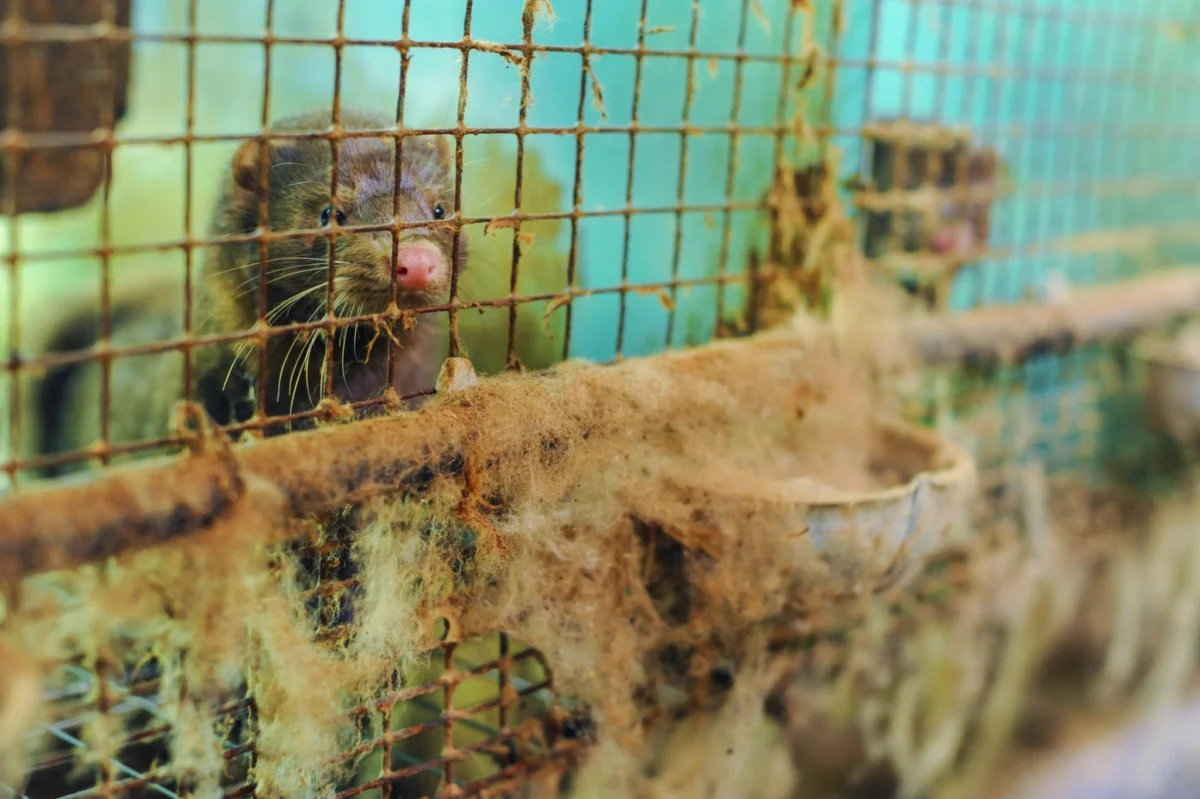
The decision to ban fur is rooted in the documented conditions of the global fur farming industry. Animal welfare organizations have long criticized the methods used to produce fur garments, citing the confinement of wild animals—such as foxes, minks, rabbits, and raccoon dogs—to small, wire-mesh cages. These environments are often criticized for failing to meet the basic biological and behavioral needs of the animals, leading to severe psychological distress, self-mutilation, and untreated physical injuries.
The methods of slaughter in the fur industry are also a point of significant contention. Because the primary goal is to preserve the quality of the pelt, animals are often killed using methods that avoid damaging the skin, such as gassing, anal or vaginal electrocution, or cervical dislocation (breaking the neck). These practices have been labeled as inhumane by various veterinary and ethical bodies. By eliminating the marketplace for these products, Etsy effectively reduces the economic incentive for such practices to continue within its ecosystem.
Furthermore, the fur industry has faced increased scrutiny following the COVID-19 pandemic. Large-scale mink farms in Europe and North America became hotspots for zoonotic transmission, as the virus mutated within animal populations and jumped back to humans. This public health risk led several countries, including the Netherlands and Denmark, to accelerate their plans to phase out fur farming entirely, adding a layer of biological safety concerns to the existing ethical debate.
A Growing Corporate Consensus
Etsy is not alone in its transition toward a fur-free model. The company joins a prestigious list of fashion industry leaders and retailers that have implemented similar bans over the last decade. Brands such as Gucci, Prada, Versace, Armani, and Burberry have all transitioned to fur-free collections, citing the availability of high-quality synthetic and plant-based alternatives.
In the realm of e-commerce, Etsy follows the lead of platforms like ASOS, Net-a-Porter, and Farfetch, which have already prohibited the sale of fur. Even fast-fashion giants like SHEIN have made commitments to move away from certain animal-derived materials. The inclusion of Etsy in this group is particularly notable because of its business model. Unlike traditional retailers that control their own supply chains, Etsy is a decentralized marketplace with millions of individual sellers. Implementing a ban requires sophisticated moderation tools and a clear communication strategy to ensure compliance across a vast and diverse inventory.
Environmental Implications and Sustainable Alternatives
While the primary driver for the ban is animal welfare, the environmental impact of fur production is also a significant factor in the corporate shift. Although the fur industry often markets its products as "natural" and "biodegradable," the processing of pelts requires a heavy application of chemicals to prevent rot and decay. These chemicals, which can include formaldehyde, chromium, and various dyes, pose risks to both the environment and the workers in tanneries.
Studies comparing the carbon footprint of real fur versus faux fur have yielded complex results, but many environmental assessments suggest that the intensive resources required to feed and house carnivorous fur-bearing animals contribute significantly to greenhouse gas emissions and water pollution. In response, the textile industry has seen a surge in innovation, developing "next-generation" furs made from recycled plastics, bio-based polymers, and even lab-grown cells. By banning traditional fur, Etsy opens more room for sellers to explore these innovative and more sustainable materials, which align more closely with the platform’s "handmade" and "creative" ethos.
Pressure Shifts to Remaining Marketplaces
With Etsy’s commitment secured, animal rights organizations are now turning their attention to other major e-commerce entities that have yet to implement comprehensive animal welfare policies. A primary target of current advocacy is Temu, the rapidly growing Chinese-owned marketplace. Critics argue that Temu is currently "flooding" the global market with low-cost products made from fur, angora, and wild-animal skins.
The contrast between Etsy’s move and Temu’s current inventory highlights a growing divide in the e-commerce sector. On one side are platforms moving toward "conscious capitalism" and ethical transparency; on the other are high-volume, low-cost disruptors that prioritize price and supply chain speed over welfare standards. Advocacy groups argue that as a global player, Temu has a corporate responsibility to adhere to the emerging international standards of animal welfare, particularly as it seeks to expand its footprint in Western markets where fur bans are becoming the legal and social norm.
Legislative Landscape and Future Outlook
The policy change at Etsy also reflects the tightening of legal regulations regarding fur sales. In the United States, California became the first state to ban the sale and manufacture of new fur products in 2023. Globally, countries like Israel have implemented nationwide bans on fur sales, and several European nations have prohibited fur farming. As more jurisdictions move toward legislative bans, online marketplaces are incentivized to adopt proactive policies to avoid a patchwork of legal compliance issues across different regions.
The August 2026 deadline for Etsy’s policy implementation provides a roadmap for other platforms to follow. It acknowledges the complexity of de-platforming a category of goods while standing firm on the ethical principle that artistic expression should not involve animal suffering.
Impact on the Artisan Community
For the sellers on Etsy, the ban represents a shift in the "vintage" and "handmade" categories. Many vintage enthusiasts argue that selling pre-existing fur is a form of recycling that prevents waste. However, Etsy’s comprehensive ban suggests that the company views the presence of any fur—new or old—as a promotion of the material that ultimately sustains demand for the industry. Sellers who previously specialized in fur items will likely pivot to high-end faux furs or other natural fibers like wool and mohair, provided they meet the platform’s other ethical sourcing guidelines.
The long-term implications for Etsy are likely to be positive in terms of brand equity. By taking a definitive stand, the company reduces its exposure to public relations crises and aligns itself with the "values-based" economy. As the deadline approaches, the retail industry will be watching closely to see how Etsy manages the transition and whether its move triggers a domino effect among the remaining global marketplaces that still profit from the fur trade.
In conclusion, Etsy’s decision to ban fur is a testament to the effectiveness of persistent advocacy and the changing tides of global commerce. It reinforces the idea that profitability and ethics are not mutually exclusive, but are increasingly interdependent in a world where consumers demand transparency and compassion from the brands they support. The 2026 deadline marks the beginning of a new chapter for Etsy, one where the "artistic expression" it champions is untainted by the historical controversies of the fur industry.

