


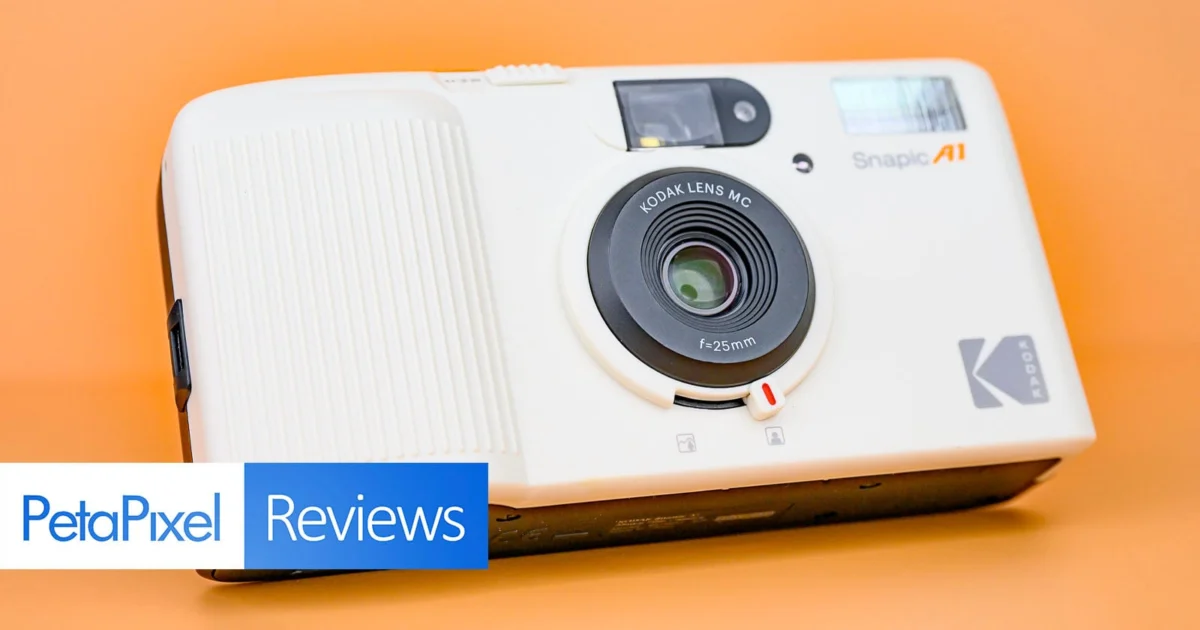
The global resurgence of film photography has seen a significant shift in recent years, moving from a niche hobby for purists to a mainstream cultural phenomenon driven by a younger generation seeking tactile experiences in a digital age. Amidst this backdrop, the Reto company—renowned for the viral success of the Charmera series—has launched its latest endeavor: the Kodak Snapic A1. This 35mm analog camera represents a strategic fusion of Kodak’s legacy branding and Reto’s expertise in accessible hardware design. Positioned at a competitive $100 price point, the Snapic A1 aims to bridge the gap between low-cost disposable cameras and high-end professional film equipment, offering a reusable, stylish alternative for casual enthusiasts and seasoned photographers alike.
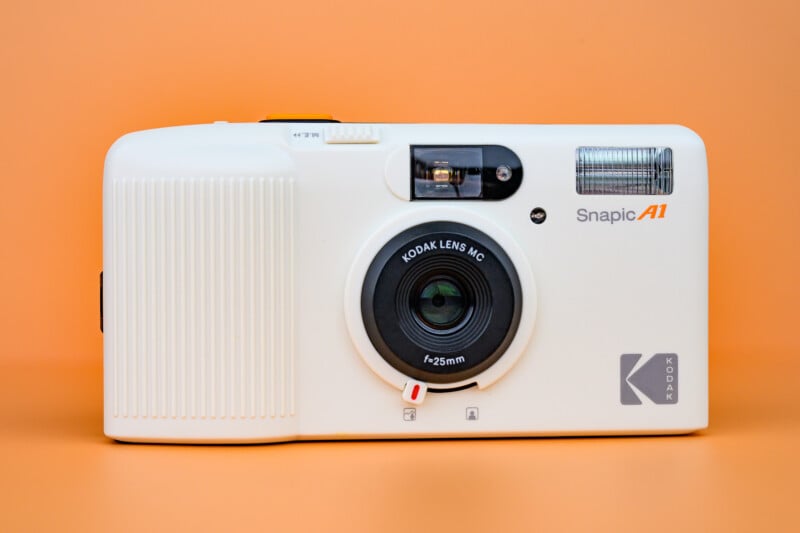
Technical Specifications and Aesthetic Heritage
The design philosophy of the Kodak Snapic A1 draws clear inspiration from the Ricoh GR series, a favorite among street photographers for its discreet, pocketable form factor. However, Reto has infused the device with a distinct sense of "Kodak nostalgia," utilizing a two-tone aesthetic that balances retro charm with modern minimalism. Weighing approximately 117 grams (four ounces) without batteries, the camera is engineered for portability. Its lightweight nature is primarily due to its high-quality plastic construction, though the inclusion of functional light seals and a robust door lock mechanism elevates it above the standard "toy camera" category.
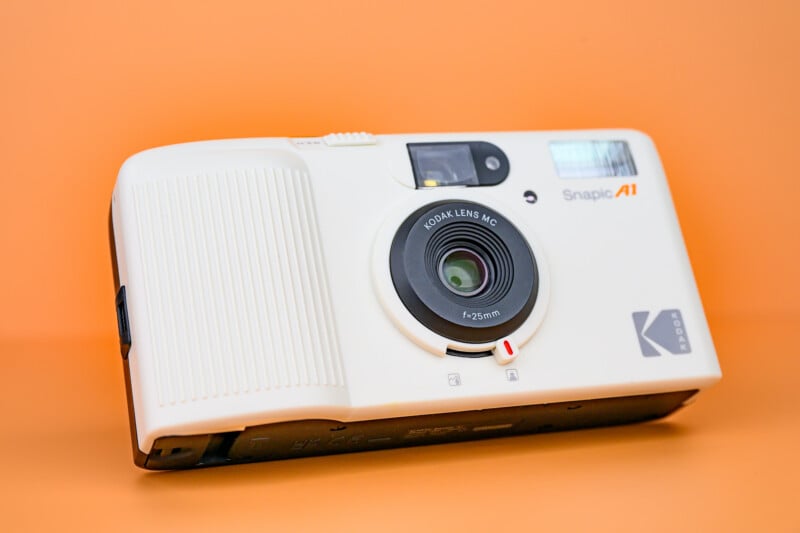
One of the most notable hardware features is the choice of lens. While most compact film cameras utilize a standard 35mm focal length, the Snapic A1 is equipped with a 25mm f/9.5 triplet lens. This wider field of view is a strategic decision; it more closely mimics the perspective of modern smartphone cameras, making the transition to analog feel more intuitive for digital natives. The f/9.5 aperture, while relatively "slow," provides a deep depth of field, which is essential for a camera that lacks a sophisticated autofocus system.

Operational Workflow and User Experience
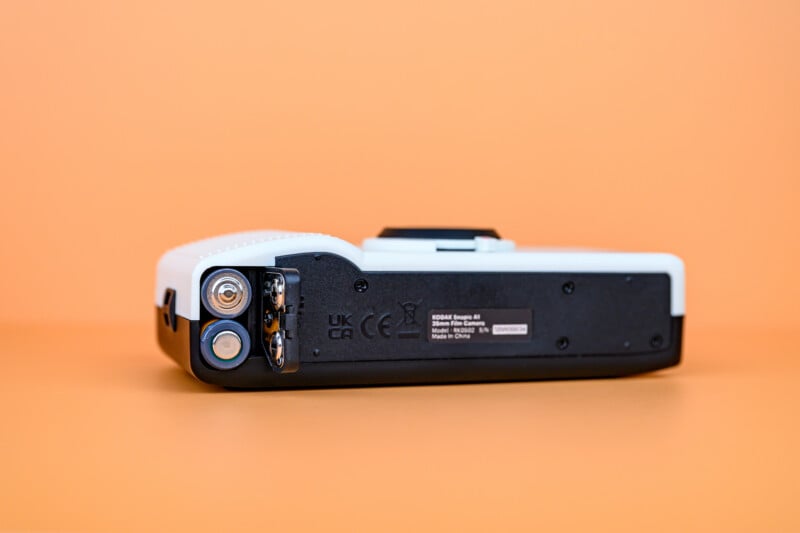
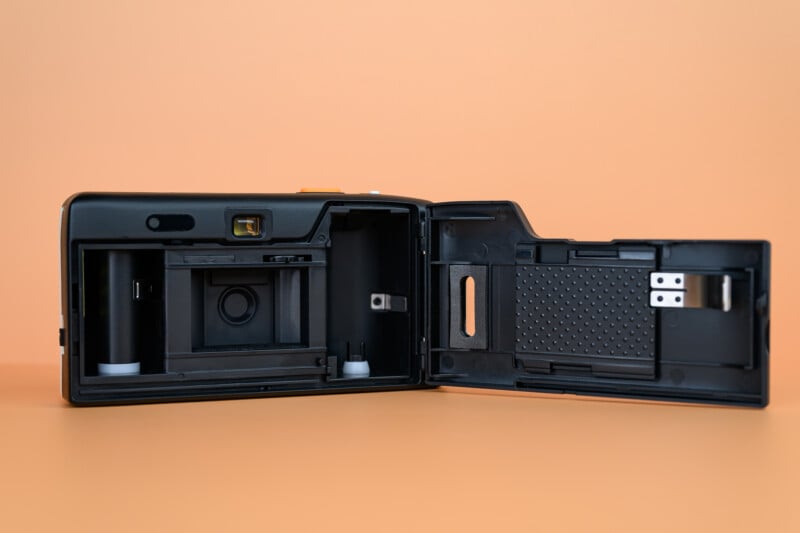
The Kodak Snapic A1 is designed for simplicity, yet it incorporates several automated features that differentiate it from more rudimentary point-and-shoot models. The camera is powered by two AAA batteries, which facilitate automatic film advancing and rewinding—a convenience that significantly reduces the risk of user error during the loading and unloading process.
The shooting experience is centered around a two-zone manual focus system. Users can toggle between a close-range setting (up to 1.5 meters) and a landscape setting (anything beyond 1.5 meters). This "zone focusing" requires a degree of mindfulness from the photographer, though the wide-angle lens and narrow aperture provide a generous margin for error.
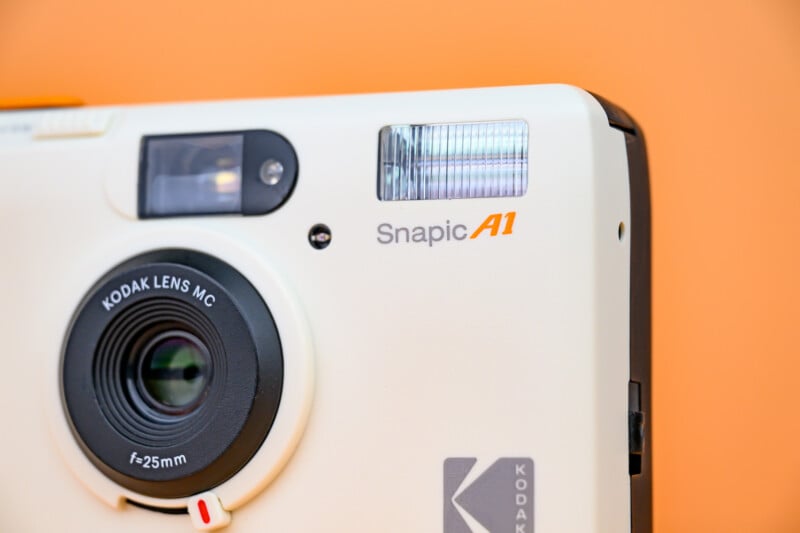
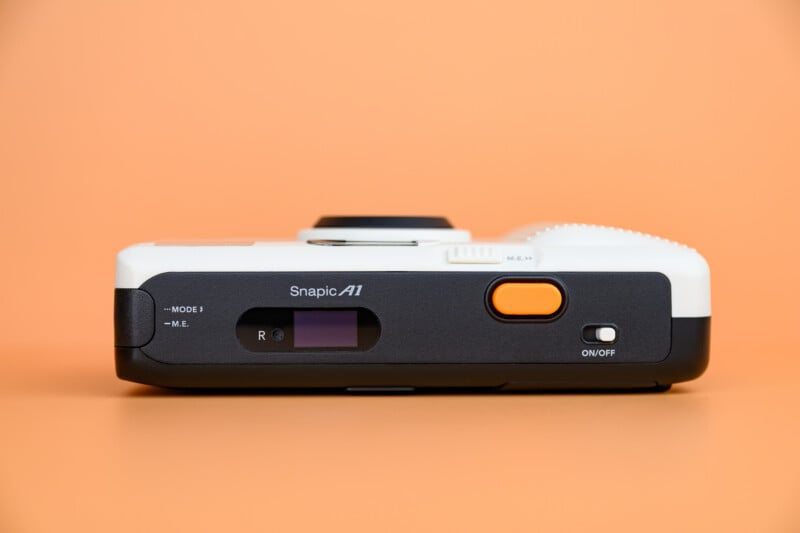
To assist with low-light scenarios, the Snapic A1 features a built-in electronic flash. The camera’s interface includes a top-mounted LCD screen and a mode button, allowing users to cycle through flash settings and access a multiple-exposure mode. While the placement of these controls is visually integrated into the body, some users have noted that the buttons are sensitive, occasionally leading to accidental setting changes during handling. Furthermore, the power switch—a sliding mechanism—has been described as somewhat stiff, reflecting the limitations of its lightweight plastic build.
Exposure Control and Performance Data
In terms of technical performance, the Kodak Snapic A1 operates with fixed exposure parameters: a shutter speed of 1/100 of a second and an aperture of f/9.5. This means the camera does not have an internal light meter to adjust settings based on environmental conditions. Instead, the camera relies on the inherent latitude (dynamic range) of 35mm negative film to handle variations in lighting.
This fixed nature makes the choice of film ISO (sensitivity) critical for successful results:

- ISO 100: Ideal for bright, direct sunlight. Under these conditions, the Snapic A1 delivers well-saturated colors and balanced contrast.
- ISO 200: The most versatile option for the Snapic A1. It performs excellently on overcast days and provides enough flexibility for shade while remaining manageable in brighter light.
- ISO 400: While useful for late afternoons or indoor settings with flash, ISO 400 film can lead to overexposure in bright daylight. In such cases, images may appear "washed out" or pastel-like, which, while technically imperfect, contributes to the "vintage" aesthetic many film users seek.
The built-in flash is essential for interior photography. It produces the classic, high-contrast "direct flash" look synonymous with 1990s snapshots. The flash’s effective range is limited, performing best when subjects are within the camera’s primary focus zone.

The Resurgence of Analog: Market Context and Background
The release of the Snapic A1 comes at a pivotal moment for the photography industry. According to market analysis, the global film camera market has seen a compound annual growth rate (CAGR) of over 5% since 2021. This growth is driven by a desire for "slow photography"—a movement that prioritizes the intentionality of capturing a single frame over the rapid-fire nature of digital and mobile photography.

Reto’s partnership with Kodak is part of a broader trend where legacy brands license their trademarks to specialized manufacturers. This allows established names like Kodak to remain relevant in the hardware space without the massive overhead of managing their own production lines. Reto has successfully navigated this space before with the Reto3D and the Ultra Wide & Slim (UWS), both of which garnered significant attention on social media platforms like TikTok and Instagram.

Comparative Analysis: Alternatives in the Entry-Level Segment
When evaluating the Kodak Snapic A1, it is necessary to consider its position relative to other modern analog offerings:

- Disposable Cameras: While cheaper upfront ($15–$25), disposables are environmentally wasteful and offer inferior lens quality compared to the Snapic A1’s multi-coated triplet lens.
- The Pentax 17: Launched recently by Ricoh Imaging, the Pentax 17 is a premium half-frame film camera. While it offers significantly more control and superior optics, its price tag (exceeding $500) places it in a different market tier entirely.
- Reto Pano and TBC Camera: Reto’s own Pano camera offers a panoramic gimmick but feels more like a "toy." The TBC (To Be Continued) camera is a similar reusable point-and-shoot but lacks some of the Snapic A1’s refinements, such as the multiple exposure mode and the LCD interface.
- Digital Alternatives: The Camp Snap CS Pro offers a "digital-analog" experience—a screenless digital camera designed to look like a film camera. However, it lacks the chemical process and tangible "grain" that define the analog experience.
Broader Implications for the Photography Industry
The success of cameras like the Kodak Snapic A1 suggests a permanent shift in how consumers view photography. For the generation that grew up with the iPhone, the "imperfections" of film—lens flare, grain, and color shifts—are seen as artistic assets rather than technical flaws.

From an environmental perspective, the Snapic A1 represents a positive step away from the single-use plastic waste generated by disposable cameras. By providing a durable, reusable body that can last for years with proper care, Reto is appealing to the eco-conscious values of modern consumers.

Furthermore, the Snapic A1 serves as an "on-ramp" for the film industry. By lowering the barrier to entry with a $100 price point and a user-friendly interface, Reto is expanding the customer base for film manufacturers like Kodak Alaris, Fujifilm, and Harman Photo (Ilford). As these new users become comfortable with the Snapic A1, they are more likely to invest in professional-grade film stocks and eventually upgrade to more complex SLR or rangefinder systems.

Conclusion
The Kodak Snapic A1 is a calculated response to a market that demands style, simplicity, and affordability. While it is technically limited by its fixed shutter and aperture, these constraints are precisely what make it an inviting tool for those intimidated by the complexities of manual exposure. It is a camera designed for "vibes" and memories rather than clinical precision.

Reto has successfully delivered a product that feels prestigious despite its plastic construction. For the casual user looking to document their travels, or the artist looking for a fun, lightweight secondary camera, the Snapic A1 offers a compelling package. It proves that in the world of photography, substance is not always measured in megapixels or autofocus points, but in the joy and accessibility of the creative process. As long as users understand the limitations of its fixed optics and the importance of ISO selection, the Kodak Snapic A1 stands as one of the most attractive entry points into the enduring world of 35mm film.

