


Considering the vibrant Nanday conure as a new companion means preparing for a dynamic presence in your home, characterized by both affectionate playfulness and a notably high volume of vocalizations. These intelligent South American parrots, scientifically known as Aratinga nenday, offer a rewarding experience for dedicated owners who are equipped to meet their specific needs for social interaction, environmental enrichment, and tolerance for their formidable calls. This guide delves into the essential aspects of their biology, care requirements, and behavioral traits, offering prospective owners a thorough understanding of what it entails to welcome this striking avian species into their lives.
Scientific Classification and Evolutionary Context
The Nanday conure, often recognized by its alternative moniker, the black-hooded conure, holds a fascinating place within avian taxonomy. Initially classified under its own genus, Nandayus nenday, a pivotal study published in 2004 by Ribas and Miyaki, titled "Molecular systematics in Aratinga parakeets: species limits and historical biogeography in the ‘solstitialis’ group, and the systematic position of Nandayus nenday," led to its reclassification. This molecular phylogenetic analysis concluded that the Nanday conure did not warrant a separate genus and was, in fact, more closely related to species within the Aratinga genus, such as the well-known sun conure and jenday conure. This reclassification, now widely accepted by the scientific community and listed on the IUCN Red List as Aratinga nenday, underscores a deeper evolutionary connection, suggesting shared behavioral patterns and care considerations with its Aratinga cousins. This historical re-evaluation provides valuable context for understanding the Nanday conure’s vocalizations, social structure, and dietary preferences, aligning them with other boisterous, highly social parrots of the genus.
Physical Characteristics and Distinctive Appearance
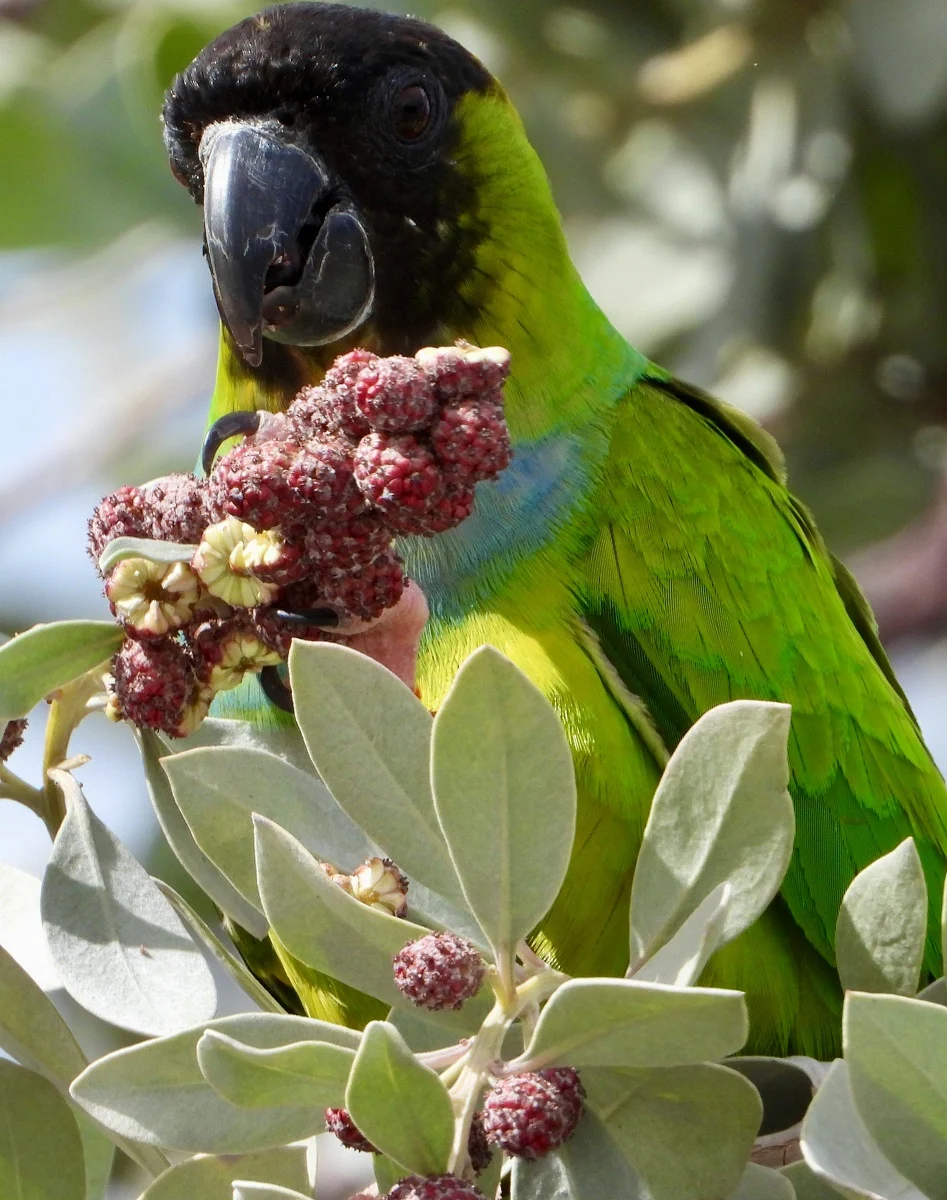
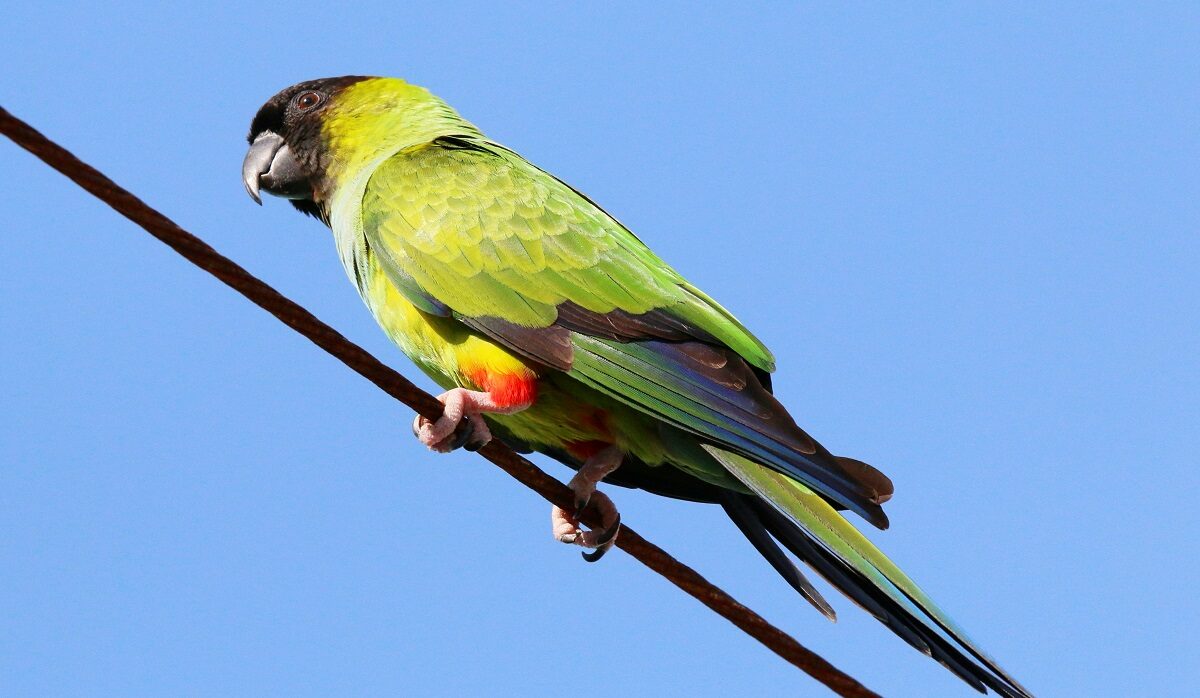
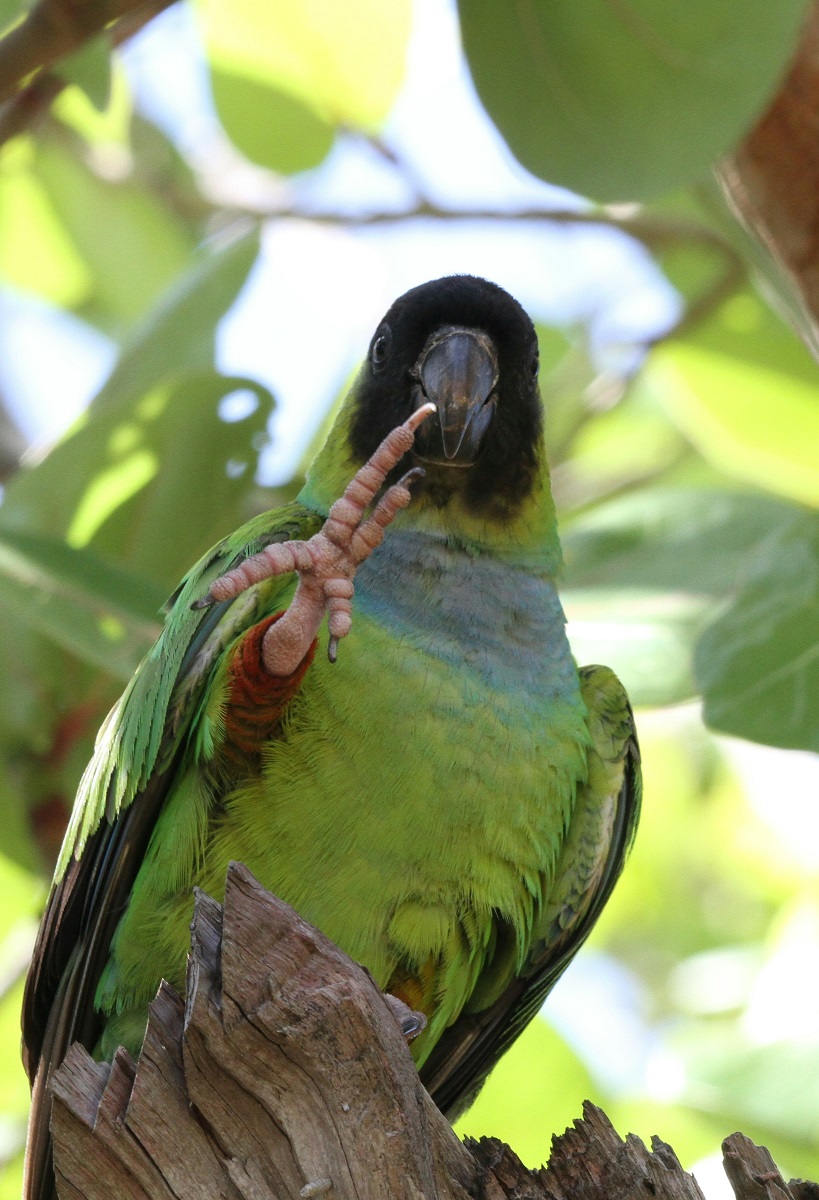
The visual appeal of the Nanday conure is undeniable, largely due to its striking black hood, which gives rise to its common name, the black-hooded conure. This stark black head contrasts sharply with an almost entirely brilliant green body, creating an eye-catching display. These are medium-sized parrots, typically reaching up to 12 inches (30 cm) in length and weighing up to 140 grams as adults. Beyond the prominent black hood, which is often framed by a subtle hint of brown feathers, the species features a robust black beak and distinct white eye rings that enhance its inquisitive gaze. The chest feathers transition into a captivating blue-green hue, while its thighs are adorned with bright red feathers, adding another splash of color to its vibrant plumage. This combination of distinct coloration makes the Nanday conure a visually captivating species.
Natural Habitat, Geographic Range, and Conservation Status
The natural range of the Nanday conure is concentrated in the central lowlands of South America, forming a narrow, expansive band across the continent. This habitat stretches through the heart of Paraguay, extending into southern Brazil, eastern Bolivia, and reaching northern Argentina. These parrots prefer open lowlands, typically found at elevations up to approximately 2,600 feet (800 meters), where the landscape can vary from swampy to quite arid. A key feature of their preferred environment is the presence of palms, which they utilize extensively for nesting sites and as a source of wild fruits.
Interestingly, the Nanday conure’s population dynamics in the wild present a unique scenario. The International Union for Conservation of Nature (IUCN) Red List currently classifies Aratinga nenday as a species of "Least Concern." This assessment is primarily due to the observation that the wild population size appears to be stable, and in some areas, even increasing. This paradoxical trend is largely attributed to human activities, specifically the conversion of former forests into cattle pastures and agricultural lands. While widespread deforestation is typically detrimental to wildlife, the Nanday conure, being an adaptable species, has managed to exploit these habitat changes. The creation of more open, disturbed landscapes with scattered trees and palms provides new foraging grounds and nesting opportunities, inadvertently benefiting their expansion. This resilience highlights the species’ ability to adapt to modified environments, though such changes can disrupt broader ecological balances.
The Phenomenon of Invasive Populations
Beyond its native South American range, the Nanday conure has established itself as an invasive species in various parts of the world, primarily due to escaped or intentionally released pet birds. These naturalized populations have proven remarkably resilient, thriving and reproducing in non-native environments. Notable examples include burgeoning flocks in regions like Spain, California, and Florida, where the species has become one of the top three most prevalent naturalized parrot species in the United States, as documented in a 2019 study by Uehling, Tallant, and Pruett-Jones.
The establishment of invasive parrot populations carries significant ecological implications. These non-native birds can exert considerable pressure on local ecosystems through various mechanisms. They often compete directly with native bird species for vital resources such as food, water, and nesting sites, particularly hollows in trees which are often scarce. This competition can lead to declines in native populations, especially those with similar ecological niches. Furthermore, invasive parrots can alter local plant communities through their feeding habits, potentially dispersing non-native plant seeds or damaging agricultural crops. There is also a concern for the potential transmission of diseases to native avian species, as well as the risk of hybridization with closely related native parrots, which could dilute genetic diversity. The presence of these feral flocks underscores the broader responsibility of pet ownership and the importance of preventing the escape of non-native species.
Dietary Needs: Wild Foraging to Captive Nutrition
The dietary habits of the Nanday conure are diverse and reflective of its South American origins, playing a crucial role in its health and longevity both in the wild and in captivity.
Wild Diet: In their natural habitat, Nanday conures exhibit a varied and opportunistic diet. They primarily forage on wild fruits, with a particular fondness for those produced by Copernicia palms, a common tree in their range. Their diet also includes a wide array of seeds, berries, flowers, and flower buds. This dietary diversity not only provides essential nutrients but also highlights their ecological role. A 2002 study by Ragusa-Netto demonstrated that the Nanday conure acts as a significant pollinator for the beautiful flowering Erythrina dominguezii tree, consuming nectar and inadvertently spreading pollen in the process. Another intriguing aspect of their wild diet is their practice of visiting clay licks. Like many other South American parrot species, Nanday conures consume soil from these licks. This behavior is believed to be crucial for obtaining necessary micronutrients, such as essential minerals, and for neutralizing toxins that may be present in some of the plant materials they consume. This complex foraging strategy ensures a balanced intake of nutrients and mitigates potential dietary risks.
Captive Diet: Replicating the nutritional complexity of a wild diet in captivity is paramount for a Nanday conure’s health. The cornerstone of a captive Nanday conure’s diet should be high-quality, formulated avian pellets. Modern avian veterinary science, including insights from experts like Psittacology’s Dr. Daisy, overwhelmingly advocates for pellets over traditional seed mixes. Seed-based diets, while historically common, are often deficient in essential vitamins and minerals and excessively high in fat, leading to prevalent issues such as malnutrition, obesity, and related health complications in parrots. Pellets are designed to provide a complete and balanced nutritional profile in every bite, preventing selective feeding.
Beyond pellets, variety and additional nutrients should be offered through a wide array of fresh, parrot-safe fruits and vegetables. Excellent choices include leafy greens (kale, spinach, romaine), bell peppers, broccoli, carrots, apples, grapes, berries, and melon. These should be thoroughly washed and offered in small, manageable pieces. It is crucial to research which produce items are safe, as some common human foods can be toxic to parrots (e.g., avocado, chocolate, alcohol). In moderation, sprouted seeds, cooked whole grains such as brown rice and pasta, and even small pieces of cooked, unseasoned lean protein like boiled egg can be offered as treats, adding further nutritional diversity and enrichment. A well-rounded and carefully managed diet is the single most important factor in ensuring a parrot’s long-term health and vitality. Owners are strongly encouraged to consult comprehensive parrot diet guides and avian veterinarians for personalized dietary advice.
Optimal Housing and Environmental Safety
Providing appropriate housing is fundamental to the well-being of a Nanday conure, directly impacting its physical health, mental stimulation, and behavioral patterns.
Cage and Aviary Specifications: For any parrot, space is a critical factor. The ideal scenario for a Nanday conure is a full-sized aviary, especially if the bird is not regularly allowed extensive out-of-cage time. An aviary with a length of at least 10 feet (3 meters) provides ample room for flight and exercise. For those housed in indoor cages, a spacious enclosure is still non-negotiable. A minimum cage size of 30 x 24 x 24 inches (75 x 60 x 60 cm) is recommended, though larger is always preferable. Crucially, cage length and width are more important than height, as parrots fly horizontally. The cage should be large enough to allow the conure to fully stretch its wings without touching the sides or top.
Internal Furnishings and Enrichment: The cage interior must be thoughtfully furnished to promote physical and mental health. A variety of natural wood perches of differing diameters (e.g., manzanita, java wood, applewood) is essential. These variations help prevent pressure sores on the feet and encourage foot exercise. Avoid dowel perches as the sole option. Platforms can offer additional resting spots. A robust selection of conure-appropriate toys is vital to prevent boredom and destructive behaviors. These should include chew toys (untreated wood, natural fibers), foraging toys (to stimulate problem-solving for food), shreddable toys (paper, cardboard), and puzzle toys. Toys should be rotated regularly to maintain novelty. At least one or two food bowls and a constant source of fresh, clean water, changed daily, are also necessary.
Environmental Safety and Parrot-Proofing: Parrots, including Nanday conures, possess highly sensitive respiratory systems, making them exceptionally vulnerable to airborne toxins. It is imperative for owners to create a safe indoor environment. This involves strictly avoiding the use of aerosol sprays (e.g., air fresheners, hairspray), burning candles (which release soot and chemicals), using incense, and smoking anywhere near the bird. A significant, often overlooked danger is nonstick cookware (containing PTFE, or polytetrafluoroethylene). When overheated, these coatings release odorless fumes that are highly toxic and rapidly fatal to birds. Owners should opt for stainless steel, ceramic, or cast iron cookware. Additionally, thorough parrot-proofing of any space where the bird has out-of-cage time is crucial. This includes covering electrical cords, removing toxic plants, securing windows and doors, and eliminating access to small ingestible objects, lead-based paints, or toxic cleaning agents. Regular cleaning of the cage and surrounding area with bird-safe disinfectants is also essential for preventing bacterial and fungal infections.
Enrichment and Socialization: Fostering a Stimulated Parrot
The Nanday conure’s intelligence and highly social nature necessitate a comprehensive approach to enrichment and socialization, without which these birds can suffer profound psychological and physical distress.
Combating Boredom and Mental Stimulation: Parrots are renowned for their cognitive abilities, often compared to that of a human toddler. A lack of mental stimulation can lead to a host of behavioral problems, including feather picking, self-mutilation, aggression, excessive screaming, and even symptoms resembling depression or anxiety. To combat this, owners must engage their Nanday conures in activities that challenge their intellect and natural behaviors. Foraging opportunities are paramount; hiding food in toys or various spots around the cage encourages natural foraging instincts. Puzzle toys, shreddable materials, and opportunities for controlled destruction of bird-safe items (like cardboard rolls or untreated wood blocks) are excellent for mental engagement.
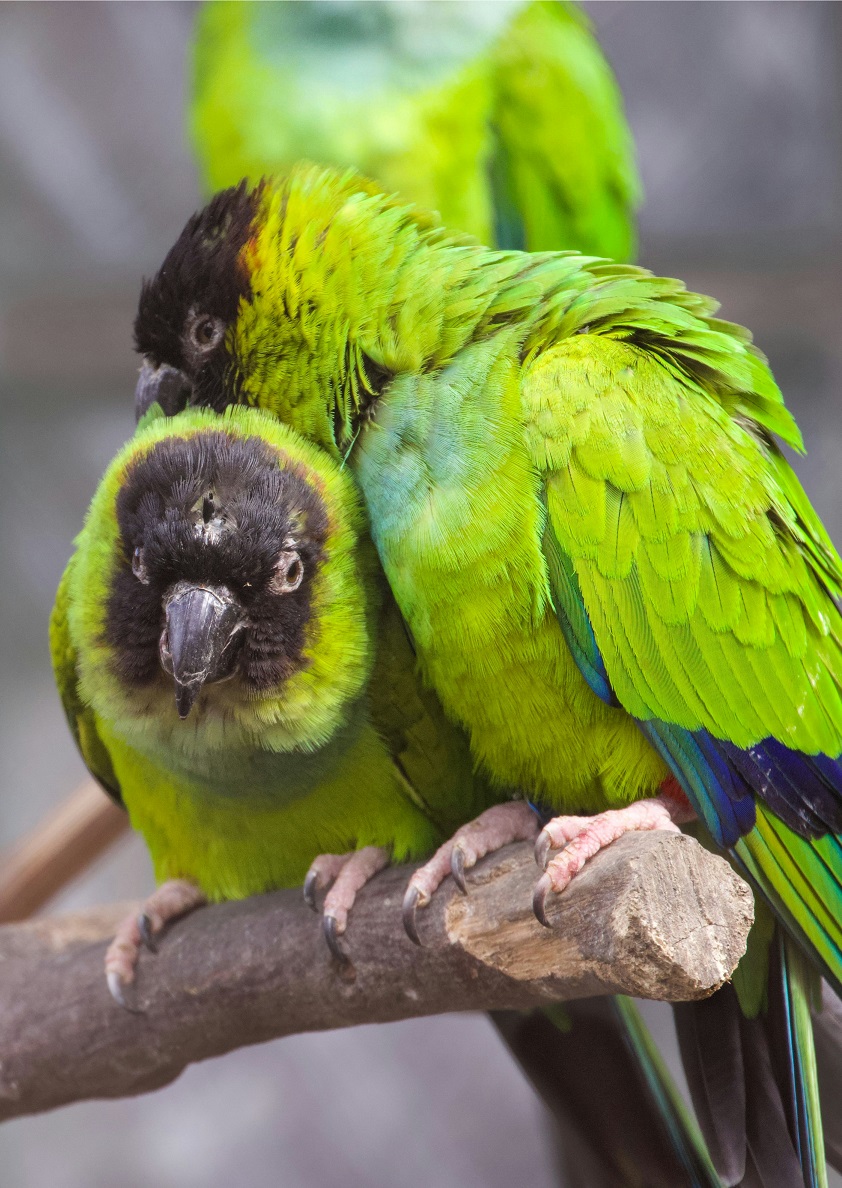
The Crucial Role of Social Interaction: Nanday conures are intensely social creatures, thriving on consistent attention and interaction. In the wild, they live in large flocks, constantly communicating and interacting. In a home environment, the human family becomes their "flock." A lack of sufficient social interaction is a leading cause of stress-related behaviors. If an owner works a typical 9-5 job, leaving a Nanday conure alone for extended periods can be highly detrimental. In such cases, acquiring a second Nanday conure to provide companionship can significantly alleviate loneliness and stress. However, even with a companion bird, daily one-on-one interaction with the owner remains vital. This can involve training sessions, interactive play, gentle petting, or simply allowing the bird to be part of family activities. As Dr. Eleanor Smith, an avian behaviorist, often notes, "A parrot is not a decorative cage ornament; it’s a sentient, highly intelligent being that requires daily engagement to thrive. Neglecting their social needs is a recipe for behavioral disaster."
Enrichment Activities:
- Foraging Toys: Commercial foraging toys that require the bird to solve a puzzle to retrieve food, or DIY versions using paper towel rolls with treats hidden inside.
- Chew Toys: Provide a constant supply of bird-safe wood, natural ropes, and shreddable materials to satisfy their natural urge to chew.
- Training: Positive reinforcement training for tricks, target training, or even simple recall can be incredibly enriching and strengthen the bond between bird and owner.
- Out-of-Cage Time: Supervised time outside the cage in a bird-proofed room allows for exploration and physical exercise.
- Music and Auditory Stimulation: Playing music, talking to the bird, or even leaving a radio on softly can provide auditory enrichment.
- Water Activities: Many Nanday conures enjoy baths, either in a shallow dish or via a gentle misting.
Given their curious and sometimes accident-prone nature, owners must also be prepared for basic parrot emergency care, knowing how to identify signs of distress and administer first aid while seeking veterinary attention.
Temperament: Friendly, Social, and Occasionally Needy
Aratinga conures, including the Nanday, are generally cherished by parrot enthusiasts for their amicable and outgoing dispositions. Unlike some members of the Pyrrhura genus (e.g., green-cheeked conures), a well-socialized Nanday conure is notably less prone to nipping or aggressive behaviors towards people. While individual personalities can, of course, vary, most Nanday conures tend to be highly accepting of new individuals and often integrate well with an entire family, not just a single person.
Their inherently social and outgoing nature means they thrive on being an active part of household life. They enjoy interaction, often seeking out their human companions for attention, cuddles, and head scratches. This sociability, however, comes with a caveat: they can develop a strong need for constant attention, which, if not managed, can manifest as "needy" behaviors. This might include persistent screaming when their owner leaves the room, or exhibiting jealousy towards "competitors" for affection, such as other family members or pets. An ideal day for a Nanday conure would likely involve a balanced mix of engaging with noise-making toys, participating in talking or trick training sessions with their human flock, followed by affectionate head scratches, and perhaps a comfortable nap on their owner’s shoulder. Understanding and proactively managing their social needs is key to fostering a happy and well-adjusted companion.
Vocalizations: The Unmistakable Call of the Nanday Conure
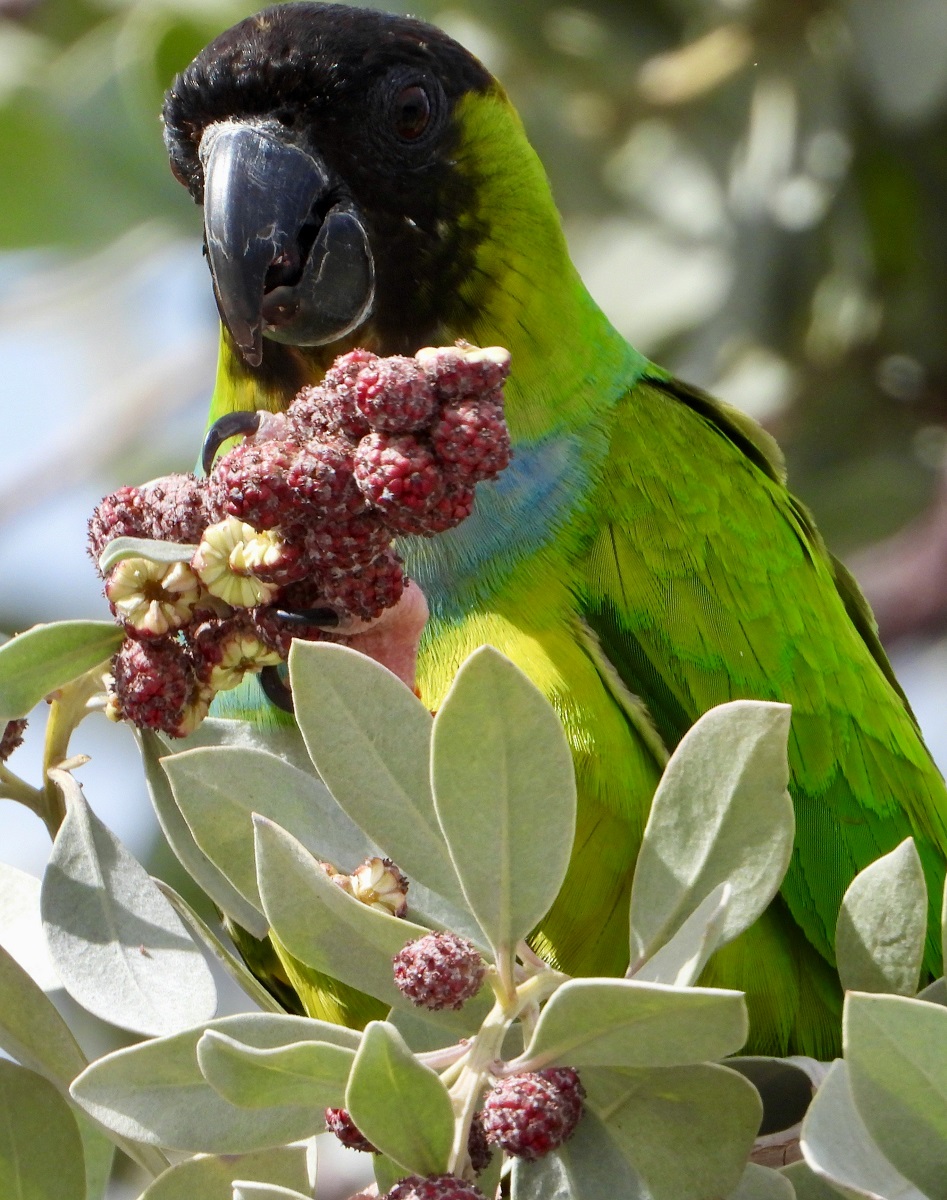
Perhaps the most critical consideration for prospective Nanday conure owners is their extraordinary vocal capacity. These parrots are, without exaggeration, incredibly loud. Conures within the Aratinga genus are widely regarded as the loudest among their kind, and the Nanday conure stands out even among these vociferous species.
To quantify this, while a macaw might scream at around 105 decibels and a Moluccan cockatoo at 135 decibels, the Nanday conure has been recorded reaching an astonishing 155 decibels. To put this into perspective, 155 decibels is comparable to the sound of a jet engine at takeoff or a shotgun blast. Sustained exposure to sounds at this level can cause immediate and permanent hearing damage to humans. This fact, highlighted in resources such as Robin Deutsch’s "Good Parrotkeeping" (2009), underscores the absolute necessity for potential owners to accurately assess their tolerance for extreme noise before committing to a Nanday conure.
It is highly recommended that anyone considering a Nanday conure listen to recordings of their vocalizations, for instance, on platforms like xeno-canto.org. Even better, visiting a breeder or an existing owner to experience their noise level firsthand can provide invaluable insight. Prospective owners must also consider their living situation; the piercing flock calls of a Nanday conure are generally not compatible with apartment living or close-quarter residential areas, where they could lead to significant neighborly disputes.
Parrots, in general, tend to be most vocal during dawn and dusk, mimicking the natural flock calls in the wild, and also when they are excited, alarmed, or seeking attention. Beyond their characteristic loud flock calls, Nanday conures will also engage in whistling, chirping, and may even learn to imitate common household noises or human speech.
Talking Ability: More Than Just Mimicry
While Nanday conures are not typically ranked alongside species like the African Grey parrot for their extensive vocabulary and clarity of speech, they certainly possess the capacity for vocal mimicry. Many Nandays can pick up a surprising amount of what they hear in their environment. Owners should not expect them to articulate full sentences, but it is common for them to develop a repertoire of "baby babble," short words, or phrases that are clearly recognizable.
Encouraging talking can be a fun and enriching activity. Simple techniques such as whistling repetitive tunes or consistently repeating a short word or phrase, like the bird’s name or a common greeting, can prompt them to imitate sounds. While not all Nandays will develop a strong interest in mimicking human speech, those that do often bring immense joy and amusement to their owners with their unique vocalizations.
In conclusion, the Nanday conure is a remarkably intelligent, affectionate, and visually stunning parrot that can bring immense joy and companionship to the right home. However, their specific needs for extensive social interaction, diverse environmental enrichment, and especially a high tolerance for their formidable vocalizations, are non-negotiable considerations. Prospective owners must approach this decision with a comprehensive understanding of the commitment required to ensure a healthy, happy, and well-adjusted life for this extraordinary South American species.

