


One of the most surprising discoveries for new birdwatchers is how frequently common birds are misnamed. This phenomenon extends beyond novices; even individuals who have casually observed birds for years often assign incorrect names to familiar species. This is rarely due to a lack of attention, but rather the inherent difficulty in distinguishing between birds that share similar visual characteristics, especially when seen briefly, from a distance, or in less-than-ideal lighting conditions. Much of this avian confusion stems from birds that exhibit similar sizes, colors, or behaviors. Understanding the common points of mix-up can significantly enhance identification skills. This article delves into some of the most frequently confused birds in the United States and explores the reasons behind these common misidentifications.
The "Blackbird" Paradox: More Than Meets the Eye
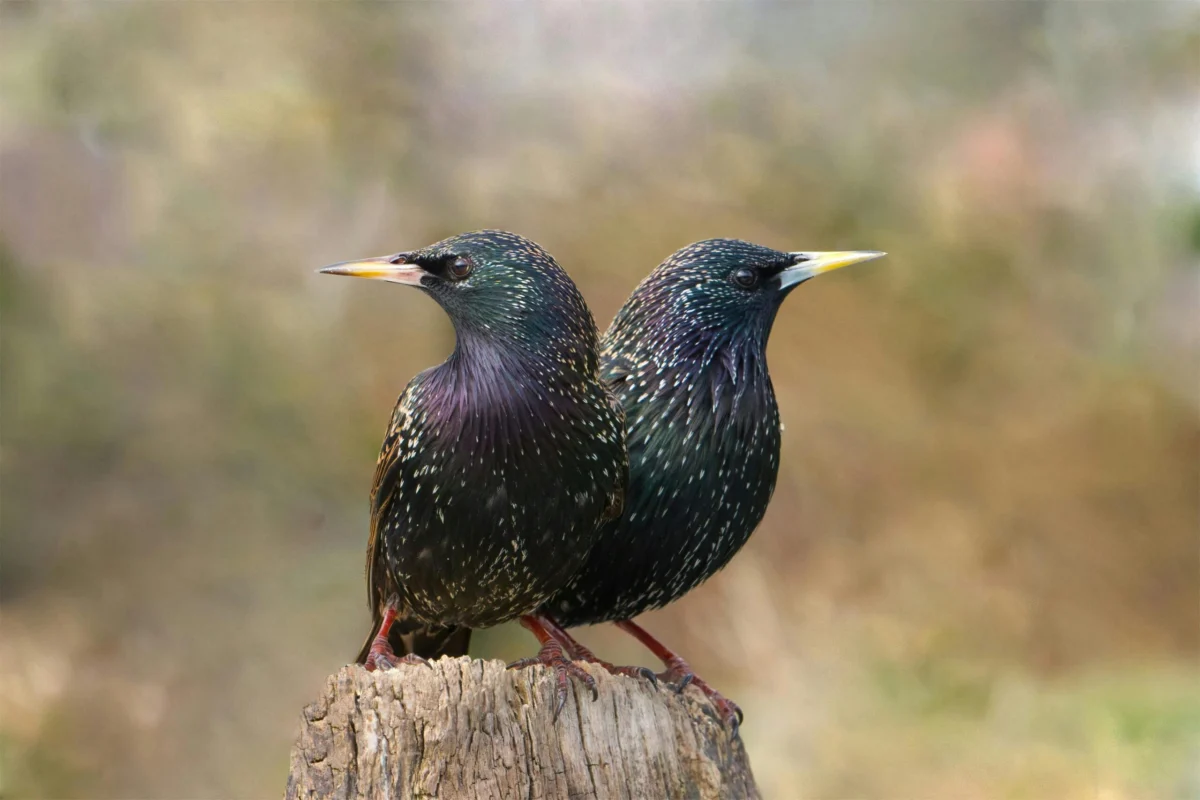
A prevalent source of avian misidentification involves the term "blackbird." Many individuals use this general descriptor for any medium-sized, dark-colored bird they encounter. However, this umbrella term often encompasses several distinct species, including European Starlings, Common Grackles, and American Crows.

European Starlings are particularly notorious for causing confusion due to their widespread presence and dark, iridescent plumage, which can appear uniformly black from a distance. Their ubiquity in human-populated areas further contributes to their frequent misidentification.
Distinguishing between these dark birds requires a closer look at their size, shape, and behavior. European Starlings are relatively small and often move in swift, cohesive flocks. Common Grackles, while also dark, are generally larger than starlings and exhibit a more confident demeanor. They possess a distinctive, elongated tail. American Crows, the largest of this group, are easily recognizable by their substantial size and characteristic loud, "caw-caw" vocalizations. Crows are often observed flying overhead or perched prominently.
Understanding the "Blackbird" Group: A Closer Look
- European Starling (Sturnus vulgaris): Small to medium-sized, iridescent black plumage that can appear purple and green in good light. Often seen in large flocks, especially in urban and agricultural areas. Known for their varied vocalizations, including mimicry.
- Common Grackle (Quiscalus quiscula): Larger than starlings, with a long, keel-shaped tail. Males have iridescent purple and bronze plumage. They are bold and often found in open fields, parks, and suburban areas.
- American Crow (Corvus brachyrhynchos): Significantly larger than starlings and grackles. Uniformly black with a robust bill and a straightforward "caw" call. Typically seen singly or in small family groups.
The confusion between these species highlights how superficial similarities can mask significant biological differences. As birdwatchers develop their observational skills, the subtle cues in size, flight pattern, and vocalizations become key to accurate identification.

The Woodpecker Duo: Downy vs. Hairy
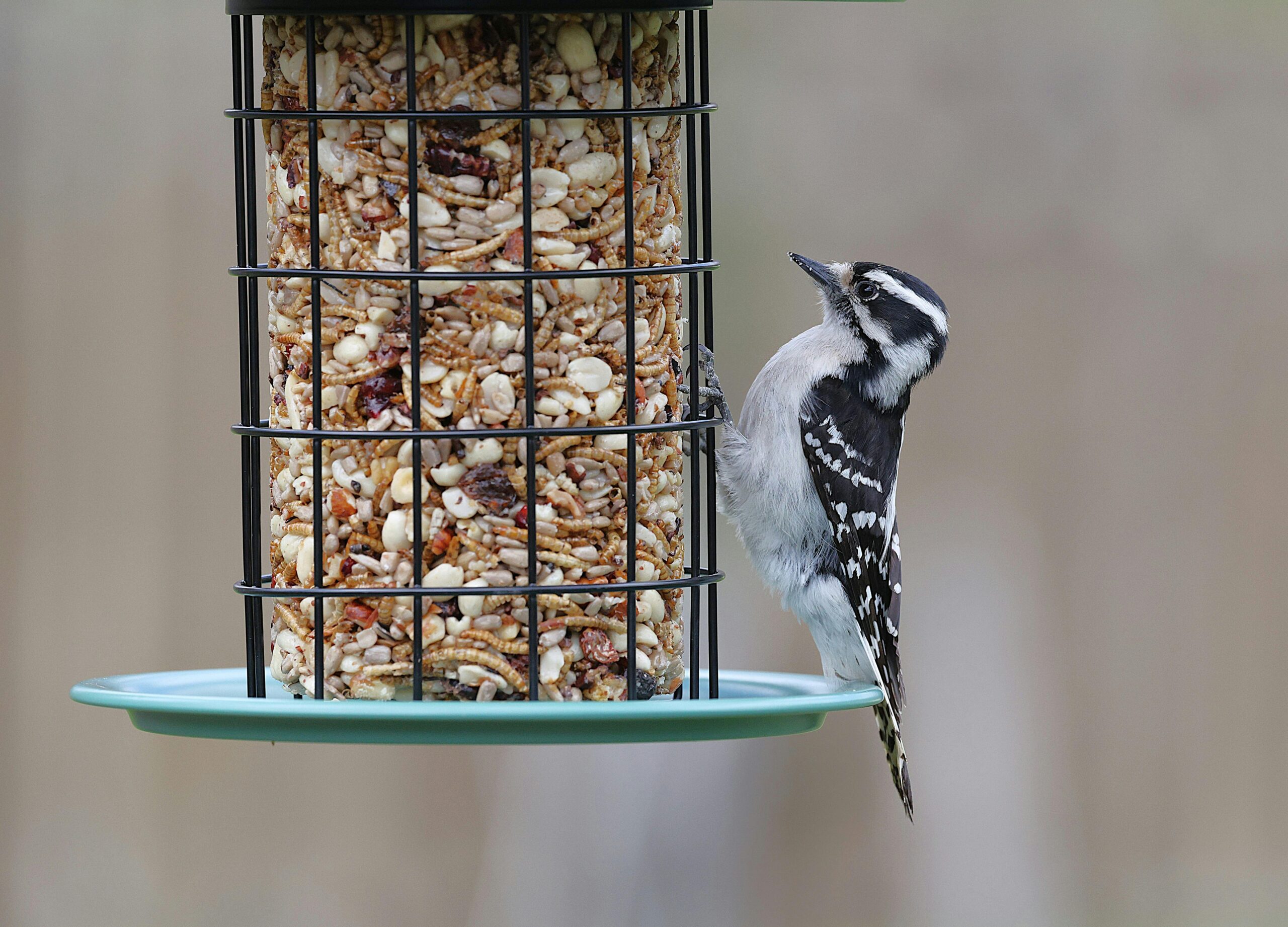
Another common point of confusion for aspiring ornithologists lies between the Downy Woodpecker and the Hairy Woodpecker. At first glance, these two species appear remarkably similar, sharing a black-and-white patterned plumage.
The primary distinguishing factor is size. The Downy Woodpecker is the smaller of the two, measuring approximately 5.5 to 6.7 inches in length. It is a common visitor to backyards and feeders, often seen clinging to smaller branches and tree trunks. In contrast, the Hairy Woodpecker is noticeably larger, with a length of about 7.5 to 9.1 inches. This size difference, while significant, can be difficult to ascertain without a direct comparison or a familiar reference point.
Furthermore, the Hairy Woodpecker possesses a proportionally larger bill, which it uses for excavating nesting cavities and foraging for insects. The Downy Woodpecker’s bill is much smaller and more delicate, suited for probing bark. While both species exhibit the characteristic woodpecker behavior of drumming on trees, the Hairy Woodpecker’s drumming may sound more forceful due to its larger size.
Key Differences: Downy Woodpecker vs. Hairy Woodpecker
- Size: Downy Woodpecker is smaller; Hairy Woodpecker is significantly larger.
- Bill: Downy Woodpecker has a small, slender bill; Hairy Woodpecker has a large, heavy bill.
- Outer Tail Feathers: While subtle, the outer tail feathers of the Hairy Woodpecker are entirely white, whereas the Downy Woodpecker may have some black barring on these feathers. This feature is often difficult to observe in the field.
- Habitat Preference: While both inhabit wooded areas, the Downy Woodpecker is more frequently found in suburban gardens and deciduous woodlands, while the Hairy Woodpecker may prefer larger, mature forests.
The realization that the Downy Woodpecker is the more common visitor to backyard feeders often helps observers differentiate between the two. This familiarity with one species provides a baseline for comparison, making the identification of the larger Hairy Woodpecker easier.
The Corvid Conundrum: American Crow vs. Common Raven
Large, all-black birds soaring through the sky often prompt the question: crow or raven? Both American Crows and Common Ravens are intelligent, widespread corvids that can be easily confused, especially when observed in flight or from a distance.
Ravens are considerably larger than crows, possessing a more robust build and a thicker, heavier bill. In flight, ravens often exhibit a wedge-shaped tail, a distinctive feature not present in crows, which have a fan-shaped tail. Ravens are also more prone to soaring and gliding for extended periods, whereas crows typically maintain a more direct, flapping flight.

Vocalizations provide another crucial clue. Crows are known for their familiar, resonant "caw-caw" call. Ravens, on the other hand, possess a much broader repertoire of sounds, including deep croaks, clicks, and whistles. While the raven’s croak is often described as deeper and more guttural than a crow’s call, this distinction can be subtle and difficult to discern without direct comparison or familiarity with both species’ vocalizations.
Distinguishing Features: American Crow vs. Common Raven
- Size: Common Ravens are significantly larger and bulkier than American Crows.
- Bill: Ravens have a thicker, heavier bill, often with shaggy feathers at the base (rictal bristles). Crows have a more slender bill.
- Tail Shape (in flight): Ravens have a wedge-shaped or diamond-shaped tail; crows have a fan-shaped or slightly rounded tail.
- Flight Pattern: Ravens often soar and glide; crows typically fly with steady wingbeats.
- Vocalization: Ravens produce a deep croak; crows make a familiar "caw."
The commonality of both species across much of the United States means that understanding these differences is essential for accurate identification. The sheer visibility of these large black birds makes them prime candidates for misidentification until their distinct characteristics are recognized.
Backyard Neighbors: American Robin vs. Northern Mockingbird
The familiar sight of medium-sized birds with an upright posture foraging on lawns can lead to confusion between the American Robin and the Northern Mockingbird. Both species are frequently observed in gardens, parks, and open spaces, and their general shape and behavior can appear strikingly similar from a distance.

However, closer observation reveals key differences. American Robins are characterized by their distinctive reddish-orange breast and darker gray backs. They are often seen hopping across lawns, head cocked, listening for earthworms and insects. Their tails are typically longer and more tapered than those of mockingbirds.
Northern Mockingbirds, while also frequenting lawns and open perches, tend to have more uniformly grayish plumage overall, with lighter undersides and white wing patches that are visible in flight. Their most defining characteristic, however, is their remarkable vocal ability. Mockingbirds are renowned for their extensive repertoire of songs and their ability to mimic other birds, insects, and even mechanical sounds. They often sing from prominent perches, such as rooftops, treetops, or fence lines, especially during the breeding season.
Behavioral Cues: American Robin vs. Northern Mockingbird
- Plumage: Robins have a distinct orange breast; mockingbirds are generally grayish with white accents.
- Foraging Behavior: Robins are often seen hopping on lawns; mockingbirds may forage on the ground but also perch conspicuously.
- Vocalization: Mockingbirds are prolific singers and mimics; robins have a simpler, melodic song.
- Tail Shape: Robins often have a longer, more pointed tail compared to the mockingbird’s relatively shorter tail.
The persistent and varied singing of the Northern Mockingbird is often the most reliable identifier, distinguishing it from the more subdued vocalizations of the American Robin. Recognizing this behavioral trait can quickly resolve the confusion between these two common backyard birds.

The Small Bird Shuffle: House Sparrow vs. House Finch
Two of the most ubiquitous small birds that frequent feeders and residential areas are the House Sparrow and the House Finch, leading to frequent misidentification. Their similar size and presence in the same habitats contribute to this confusion.
House Sparrows, originally from Europe and Asia, are now found across North America. They tend to be a plainer, more uniformly brownish-gray color, with males exhibiting a black bib on their throat and a gray crown. They often appear somewhat stockier and more robust in build.
House Finches, native to the western United States but now established in the east, offer a more colorful distinction, particularly the males. Males display vibrant reddish or orangish coloration on their head, breast, and rump, contrasting with their streaky brown bodies. Females are more subtly colored, resembling a streaky sparrow, but often with a faint orangish wash.

Visual Distinctions: House Sparrow vs. House Finch
- Coloration (Male): House Sparrows have a black bib and gray crown; male House Finches have bright red or orange on the head and breast.
- Coloration (Female): Female House Finches may show a faint orangish wash, while female House Sparrows are more uniformly brown and gray.
- Build: House Sparrows often appear chunkier; House Finches tend to be slimmer.
- Bill Shape: House Finches have a more conical, finch-like bill, adapted for cracking seeds.
The presence of vibrant red or orange on a small bird is a strong indicator of a House Finch, especially in males. Once this color difference is recognized, it becomes a straightforward way to differentiate between these two commonly encountered species. The widely available guide by David Sibley offers further detailed insights into distinguishing these finches and sparrows.
Aerial Dancers: Mourning Dove vs. Rock Pigeon
The gentle cooing of Mourning Doves and the ubiquitous presence of Rock Pigeons in urban and suburban landscapes often lead to the assumption that they are closely related or even the same type of bird. Both species are commonly found in similar environments, perching on rooftops, fences, and open ground.
However, a closer examination reveals distinct differences. Mourning Doves are characterized by their slender build, graceful flight, and notably long, pointed tails. Their plumage is a soft, muted brown with subtle black spots on the wings. They tend to move with a quiet, deliberate grace.

Rock Pigeons, on the other hand, are typically larger and more robust. They exhibit a wider variety of plumage colors and patterns, often with iridescent neck feathers. Pigeons are generally more social, frequently gathering in flocks, and their movements can be quicker and more bustling. Their tails are shorter and more rounded than those of Mourning Doves.
Morphological Differences: Mourning Dove vs. Rock Pigeon
- Body Shape: Mourning Doves are slender and elongated; Rock Pigeons are stockier and more compact.
- Tail: Mourning Doves have long, pointed tails; Rock Pigeons have shorter, rounded tails.
- Plumage: Mourning Doves have soft brown plumage with black spots; Rock Pigeons display a wider range of colors and iridescence.
- Behavior: Mourning Doves are generally more solitary and move quietly; Rock Pigeons are often found in flocks and can be more animated.
The distinctive long tail of the Mourning Dove is a key visual cue that separates it from the Rock Pigeon. Recognizing this feature, combined with the dove’s softer demeanor and coloration, helps clarify their distinct identities.
Tiny Treasures: Chickadee vs. Titmouse
Small, active, gray birds flitting through trees and shrubs can easily be mistaken for one another, particularly the Chickadee and the Tufted Titmouse. Both species are frequent visitors to bird feeders and are known for their energetic movements.

The most striking difference lies in their head patterns. Chickadees, such as the Black-capped Chickadee and Carolina Chickadee, possess a distinct black cap and bib, with crisp white cheeks. This bold facial pattern is a hallmark of the chickadee family.
Tufted Titmice, conversely, are larger and lack the distinct black cap. Instead, they are characterized by a prominent crest of feathers on their head, a gray back, and lighter underparts. Their eyes are large and dark, giving them an alert appearance. While both species are agile climbers and often forage on small branches, the titmouse’s crest and larger size are key differentiators.
Identifying Features: Chickadee vs. Titmouse
- Head: Chickadees have a black cap and bib with white cheeks; Tufted Titmice have a prominent crest and no distinct cap.
- Size: Tufted Titmice are generally larger than chickadees.
- Coloration: Both are primarily gray, but the titmouse has a more uniform gray coloration without the stark black and white of the chickadee’s face.
- Vocalization: Chickadees are known for their "chick-a-dee-dee-dee" call, while titmice have a clear, whistled "peter-peter-peter" song.
The clear black and white facial markings of the chickadee, contrasted with the titmouse’s prominent crest, are the most reliable ways to distinguish between these two beloved backyard birds.

The Blue Brigade: Blue Jay vs. Other Blue Jays
The striking Blue Jay is a familiar sight in many eastern and central North American backyards, instantly recognizable by its vibrant blue, black, and white plumage and its prominent crest. However, in western regions, other species of jays share similar striking blue coloration, leading to potential confusion.
In the eastern and central United States, the bold blue bird with strong black and white patterns and loud calls is almost certainly a Blue Jay. This species is characterized by its bright blue back, wings, and tail, contrasted with a white breast and belly, and a black necklace.
In western states, birdwatchers might encounter birds like Steller’s Jays or California Scrub-Jays. Steller’s Jays are typically darker, often with a black or dark blue head and crest that merges into their blue body. California Scrub-Jays are a more uniform blue and gray, lacking the distinct black markings and crest of the Blue Jay.

Regional Blue Jay Variations
- Blue Jay (Eastern/Central): Bold blue, black, and white; prominent crest; loud calls.
- Steller’s Jay (Western): Darker head and crest merging into blue body; often found in coniferous forests.
- California Scrub-Jay (Western): More uniform blue and gray; lacks the distinct crest and bold black markings of the Blue Jay.
The presence of a prominent crest and the specific pattern of black and white markings are crucial for identifying the true Blue Jay, differentiating it from its western counterparts.
The Art of Misidentification: A Natural Part of Learning
It is important to emphasize that misidentifying birds is not a sign of failure but an integral part of the learning process in birdwatching. The journey of bird identification is built upon repeated observation and the gradual recognition of subtle differences. Even seasoned ornithologists occasionally misidentify birds, particularly under challenging conditions such as poor lighting, inclement weather, or when observing birds at a significant distance.
The act of questioning one’s own identification is precisely what distinguishes a novice from a developing observer. Birdwatching is a continuous process of engagement, observation, pattern recognition, and the gradual assimilation of knowledge about the avian life that shares our environment. The very fact that an individual is questioning their sightings indicates they are actively developing their observational skills and deepening their understanding of the natural world.

A Reassuring Perspective for Aspiring Birders
For anyone who has ever identified a bird incorrectly and later realized their mistake, it signifies that they are engaging in the fundamental practice of birdwatching. The path to becoming proficient in bird identification is not about immediate perfection but about consistent attention to detail, the ability to discern patterns, and a growing familiarity with the birds encountered in one’s daily life. The curiosity to question and verify observations is the most potent tool in the birdwatcher’s arsenal, fostering a deeper connection with and understanding of the avian world. Each corrected identification builds confidence and refines the observer’s ability to appreciate the subtle beauty and diversity of birdlife.

