


The American Federation of Aviculture (AFA), a nonprofit organization dedicated to the promotion of bird conservation and the advancement of avian husbandry, has formalized a robust suite of educational tools designed to bridge the gap between casual bird keeping and professional avian science. As the global interest in exotic birds continues to rise—fueled by both the pet trade and international conservation efforts—the AFA has positioned its "Fundamentals of Aviculture" and "Avian Biology Classroom" programs as the gold standard for enthusiasts, educators, and veterinary professionals alike. These initiatives represent a significant shift toward evidence-based care, moving away from anecdotal methods that have historically dominated the hobby.
The Evolution of Avicultural Education
For decades, aviculture was largely a craft passed down through mentorship and private clubs. However, as the biological complexities of avian species became better understood by the scientific community, the need for a standardized curriculum became apparent. The AFA’s educational suite is the culmination of years of collaboration between field researchers, avian veterinarians, and experienced breeders. By centralizing this knowledge into digital formats, the AFA has made high-level avian science accessible to a global audience, ensuring that the health and welfare of captive birds are prioritized through education.

The development of these programs was not an isolated effort. The AFA secured a grant from the Pet Care Trust and received substantial funding and academic support from the Schubot Exotic Bird Health Center at the College of Veterinary Medicine, Texas A&M University. This partnership underscores the professional rigor of the coursework, aligning the practical experience of the AFA with the clinical and research-driven expertise of one of the world’s leading veterinary institutions.
Fundamentals of Aviculture: A Two-Tiered Approach
The cornerstone of the AFA’s educational offering is the "Fundamentals of Aviculture" (FOA) program. This online certificate program is divided into two distinct levels, designed to take a student from basic biological understanding to complex management of avian populations.
Level I: The Foundation of Husbandry
Fundamentals of Aviculture Level I serves as an introductory course providing a comprehensive overview of the emerging science of aviculture. The curriculum is structured into nine detailed chapters, each focusing on a critical pillar of avian care. Students begin with the essentials of avian anatomy and physiology, learning how birds’ unique respiratory and digestive systems function—a necessity for identifying early signs of illness.

Beyond biology, Level I delves into the legal and ethical framework of bird ownership. This includes a study of the laws and regulations affecting aviculture, such as the Wild Bird Conservation Act and CITES (Convention on International Trade in Endangered Species of Wild Fauna and Flora). By educating keepers on the legalities of the trade, the AFA helps prevent the accidental support of illegal wildlife trafficking. The course also covers behavioral science, proper housing requirements, and preventative medicine, providing a holistic toolkit for anyone responsible for the life of a bird.
Level II: Intermediate Science and Population Management
For those seeking to move beyond basic care into the realms of breeding and conservation, Fundamentals of Aviculture Level II offers an advanced 15-chapter curriculum. Admission to this level is strictly reserved for those who have successfully completed Level I, ensuring a uniform baseline of knowledge among participants.
The Level II course explores the intricacies of avian reproduction and genetics. Chapters cover courtship and nesting behaviors, basic avian genetics, and the science of color mutations and hybrids. This is particularly vital for the preservation of rare species, where genetic diversity must be managed with scientific precision. Furthermore, the course addresses the technical aspects of the nursery, including incubation and hand-rearing techniques, alongside basic microbiology and first-aid.

A significant portion of Level II is dedicated to "Avian Enrichment," a field that has gained prominence in recent years. This involves providing cognitive and physical stimuli to captive birds to prevent the psychological distress often seen in highly intelligent species like macaws and African Greys. For a fee of $75 for members, the course provides a cost-effective pathway to professional-grade certification.
The Avian Biology Classroom: Community and K-12 Outreach
While the FOA program targets the individual keeper, the Avian Biology Classroom (ABC) is designed for broader community impact. Recognizing that the future of conservation lies in the hands of the next generation, the AFA has made the ABC modules available for download by bird clubs, school teachers, and youth group leaders.
The ABC program is organized into five core modules, available in both PowerPoint and PDF formats to facilitate classroom presentations:
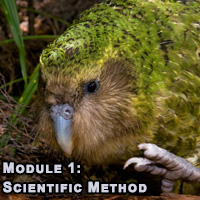
- Module 1: Scientific Method – Introduces students to how avian researchers form hypotheses and conduct experiments to learn about bird behavior and health.
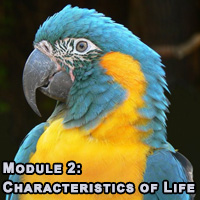
- Module 2: Characteristics of Life – Explores the biological markers that define avian species and their evolutionary adaptations.
- Module 3: Populations – Discusses the dynamics of bird populations in the wild and the factors that lead to endangerment or extinction.
- Module 4: Mendelian Genetics – A foundational look at how traits are passed down through generations, using avian examples to illustrate dominant and recessive genes.
- Module 5: Ecological Terminology – Defines the relationships between birds and their environments, emphasizing the importance of habitat preservation.
By providing these resources for free, the AFA empowers local educators to integrate avian science into standard biology curricula, fostering a culture of respect and understanding for feathered species.
Chronology of Development and Strategic Impact
The rollout of these tools reflects a multi-year strategy by the AFA to modernize the organization’s mission. The timeline of these developments coincides with a period of increased scrutiny on the exotic pet industry. In response, the AFA has utilized these educational tools to demonstrate that responsible aviculture is a vital component of global conservation.
- Initial Conception: The need for a standardized online course was identified in the early 2010s as digital learning began to eclipse traditional print manuals.
- Partnership Formation: The collaboration with Texas A&M’s Schubot Exotic Bird Health Center provided the necessary scientific peer review to ensure the courses met academic standards.
- Grant Acquisition: Funding from the Pet Care Trust allowed for the development of a user-friendly online interface, making the "AFA Campus" a reality.
- Expansion: Following the success of FOA Level I, Level II was developed to address the needs of serious conservationists and professional breeders.
Supporting Data and Implications for the Industry
The impact of such educational programs is quantifiable. According to data from the American Pet Products Association (APPA), bird ownership in the United States involves millions of households. However, avian veterinarians frequently report that the majority of health issues in captive birds stem from "husbandry errors"—poor diet, improper environment, and lack of mental stimulation.
The AFA’s educational tools directly combat this issue. By mandating a prerequisite of Level I for Level II, the AFA ensures that breeders—the primary source of birds for the public—are grounded in the basics of health and nutrition before they attempt to produce new life. This "education-first" model has the potential to significantly reduce the number of birds entering the rescue and sanctuary system due to behavioral or health problems caused by owner ignorance.
Furthermore, the emphasis on microbiology and disease prevention in Level II is a critical defense against zoonotic diseases and avian pandemics. In an era where Avian Influenza and Psittacosis are global concerns, having a network of educated aviculturists who understand biosecurity protocols is a matter of public health.
Broader Impact and Global Conservation
The AFA’s reach extends beyond the borders of the United States. Through the "AFA Campus," international students can access these resources, bringing standardized care practices to regions where avian veterinary medicine may be less accessible. This global exchange of knowledge is essential for the "One Health" approach, which recognizes that the health of people, animals, and the environment are interconnected.
From a conservation standpoint, the "Fundamentals of Aviculture" prepares individuals to participate in Species Survival Plans (SSP). These are highly regulated breeding programs designed to maintain a genetically diverse population of endangered species in captivity as a safeguard against extinction in the wild. Without the knowledge of genetics and incubation taught in the AFA courses, the success rates of these vital programs would be significantly lower.
Conclusion: A Vision for the Future of Aviculture
The American Federation of Aviculture’s investment in these educational tools signals a new era for the organization and the hobby at large. By transforming the "bird keeper" into a "citizen scientist," the AFA is ensuring that the relationship between humans and birds is built on a foundation of knowledge, ethics, and scientific rigor.
As these programs continue to evolve, they will likely incorporate newer technologies, such as virtual reality for surgical demonstrations or AI-driven behavioral analysis. However, the core mission remains the same: to provide the education necessary to ensure that every bird in human care lives a healthy, enriched life, and that wild populations are protected through informed advocacy and conservation science. The AFA Campus stands as a testament to the power of education in the pursuit of animal welfare and environmental stewardship.

