


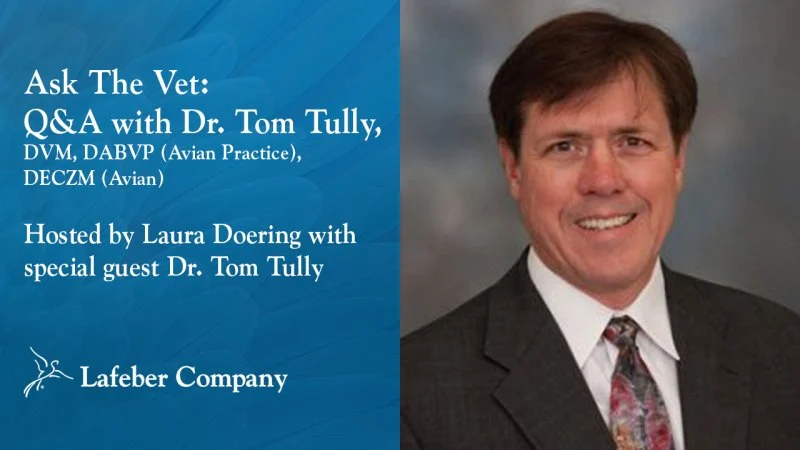
Pet bird owners and enthusiasts are invited to participate in a crucial educational opportunity as Dr. Tom Tully, a distinguished figure in avian veterinary medicine, hosts an interactive "Ask the Vet" webinar on Friday, April 17, 2026, at 12:00 p.m. PDT. This free, live event offers a rare chance for the public to directly engage with an internationally recognized specialist regarding the intricate aspects of pet bird health, nutrition, and overall care. Hosted by Laura Doering, former editor of the esteemed Bird Talk and Birds USA magazines, the webinar promises to be an invaluable resource for anyone seeking to enhance their understanding and stewardship of their feathered companions. Attendees are strongly encouraged to utilize a reliable time zone converter to ensure their timely participation, given the global reach of Dr. Tully’s expertise and the accessibility of the online platform.
The initiative to provide direct access to top-tier avian veterinary knowledge underscores a growing recognition within the pet community of the specialized needs of birds. Unlike more common domestic animals such as dogs and cats, birds often mask symptoms of illness, making early detection and appropriate care particularly challenging for owners. This webinar series, likely spearheaded by an organization dedicated to avian welfare and education such as Lafeber Company (as suggested by the source domain), aims to bridge the knowledge gap between general pet care and the highly specific requirements of avian species. Dr. Tully’s philosophy, emphasizing that an educated bird owner is the best bird steward, serves as the cornerstone of this educational outreach, advocating for proactive learning and informed decision-making in avian husbandry.
The Growing Need for Avian Expertise
The landscape of pet ownership has diversified significantly over the past few decades, with birds consistently ranking among the most popular companion animals globally. While exact figures vary by region, surveys frequently indicate that millions of households worldwide include at least one pet bird. In the United States alone, the American Veterinary Medical Association (AVMA) and similar organizations often report that millions of birds are kept as pets, ranging from small finches and parakeets to larger, more complex parrots. Despite this prevalence, access to specialized avian veterinary care remains a significant challenge in many areas. General practitioners may possess foundational veterinary knowledge, but the unique physiology, metabolism, and behavioral patterns of avian species demand a depth of expertise that only a board-certified avian specialist can provide.
The demand for accessible, reliable information on avian health has surged, fueled by owners’ desires to provide the best possible care for their pets and by the increasing complexity of avian health issues. Misinformation or outdated practices can lead to severe health consequences, including nutritional deficiencies, chronic diseases, and behavioral problems. Educational platforms like this "Ask the Vet" webinar play a pivotal role in disseminating evidence-based practices and debunking common myths, thereby empowering owners to make informed choices that directly impact their birds’ longevity and quality of life. The online format further democratizes access to this knowledge, overcoming geographical barriers that often limit interaction with such specialized experts.
Spotlight on Dr. Tom Tully: A Pillar of Avian Medicine
Dr. Tom Tully stands as a towering figure in the field of avian veterinary medicine, bringing an unparalleled depth of knowledge and clinical experience to the upcoming webinar. His extensive credentials, including DVM (Doctor of Veterinary Medicine), DABVP (Avian Practice), and DECZM (Avian), signify the highest levels of professional achievement and specialization. The DABVP (Diplomate of the American Board of Veterinary Practitioners) certification in Avian Practice is a rigorous qualification, requiring extensive experience, advanced training, and a comprehensive examination demonstrating expertise in the medical and surgical management of birds. Similarly, the DECZM (Diplomate of the European College of Zoological Medicine) in Avian Medicine underscores his international recognition and mastery of avian health across diverse geographical and regulatory contexts. These dual board certifications are exceedingly rare and highlight Dr. Tully’s commitment to excellence and continuous learning in his field.
Currently serving as a distinguished Professor and practicing veterinarian at the Louisiana State University School of Veterinary Medicine, Dr. Tully is actively involved in both educating future veterinarians and treating complex avian cases. His academic role allows him to shape the next generation of avian specialists, imparting cutting-edge research and clinical techniques. As a practicing clinician, he encounters a wide array of avian health challenges, from routine wellness checks to critical care interventions, further enriching his practical understanding and problem-solving abilities. Dr. Tully’s research contributions, often published in peer-reviewed journals, have significantly advanced the scientific understanding of avian diseases, diagnostics, and therapeutic strategies. His reputation as an "internationally known Veterinarian" is not merely anecdotal; it is built upon years of lecturing at global conferences, authoring definitive textbooks and chapters on avian medicine, and consulting with veterinary professionals and institutions worldwide. His particular focus on parrots, which are known for their intelligence, longevity, and complex needs, makes his insights especially valuable to a large segment of pet bird owners.
Laura Doering: Guiding the Conversation
The webinar will be skillfully moderated by Laura Doering, whose extensive background in avian journalism positions her perfectly to facilitate an engaging and informative session. As the former editor of Bird Talk magazine and Birds USA magazine, Doering possesses a profound understanding of the concerns, questions, and interests of the pet bird community. Bird Talk, a highly respected publication, served as a primary resource for bird owners for decades, offering advice on care, breeding, health, and behavior. Her tenure at the helm of such influential magazines means she is intimately familiar with the common challenges faced by bird owners and adept at translating complex veterinary information into understandable language.
Doering’s experience in editorial leadership also implies a keen ability to curate questions, maintain the flow of discussion, and ensure that the webinar addresses the most pertinent topics. Her role will be crucial in maximizing the interactive potential of the event, ensuring that attendees’ questions are articulated clearly and addressed comprehensively by Dr. Tully. Her presence guarantees a professional yet approachable atmosphere, fostering an environment where participants feel comfortable asking even their most nuanced questions about their beloved birds.
Deciphering Avian Health: Key Discussion Points
The webinar is poised to cover a broad spectrum of topics critical to the well-being of pet birds, promising practical advice that owners can immediately implement. Three core areas will be central to the discussion: health, nutrition, and care.
Avian Health: Dr. Tully will delve into identifying common health issues in pet birds, often starting with subtle signs that can easily be overlooked. Topics may include recognizing symptoms of respiratory infections, gastrointestinal disorders, reproductive problems, and metabolic diseases. He will likely emphasize the importance of regular veterinary check-ups and preventative medicine, discussing common diagnostic procedures and treatment options. A critical aspect will be distinguishing between health-related problems and behavioral issues, as many avian ailments manifest through changes in behavior (e.g., feather plucking, lethargy, changes in vocalization). Understanding the underlying cause is paramount for effective intervention.

Nutrition: Proper nutrition is arguably the single most important factor in a bird’s health and longevity. Dr. Tully will address species-specific dietary requirements, moving beyond generic recommendations. This could involve discussions on the benefits of formulated diets (pellets) over seed-only diets, the appropriate introduction of fresh fruits and vegetables, the dangers of certain "human foods," and the role of supplements. Nutritional deficiencies are a rampant problem in pet birds, leading to a host of preventable diseases, so this segment will be particularly vital for proactive owners.
General Care: Beyond health and nutrition, the broader aspects of pet bird care encompass environmental enrichment, housing, hygiene, and social interaction. Dr. Tully may offer guidance on appropriate cage sizes, suitable perches, safe toys, and the importance of mental stimulation to prevent boredom and stress-related behaviors. He might also touch upon topics such as bathing, nail and beak trimming, and creating a safe home environment free from toxins and hazards. The webinar’s interactive format allows attendees to pose specific questions related to their bird’s unique living situation, ensuring personalized advice from an expert.
The Power of Education: Dr. Tully’s Philosophy
At the heart of Dr. Tully’s commitment to this webinar lies his deeply held belief that "the educated bird owner is the best bird steward." This philosophy underscores a proactive approach to pet ownership, moving beyond reactive veterinary visits to a paradigm where owners are empowered with knowledge to prevent problems and provide optimal care from the outset. For birds, this philosophy is particularly pertinent because they are prey animals by nature, instinctively hiding signs of illness until they are severely compromised. An educated owner is attuned to subtle changes in behavior, appetite, or posture that might indicate a budding health issue, allowing for earlier veterinary intervention and better prognoses.
Furthermore, avian medicine is a rapidly evolving field. New research on nutrition, disease pathogenesis, diagnostic techniques, and therapeutic protocols emerges regularly. Dr. Tully’s participation in such educational outreach ensures that the most current, evidence-based information reaches the pet-owning public, directly translating scientific advancements into improved animal welfare. By demystifying complex medical concepts and providing actionable advice, he empowers owners to become active partners in their birds’ healthcare, fostering a deeper bond and a higher quality of life for their pets. This educational empowerment reduces anxiety for owners, improves their confidence, and ultimately contributes to a more harmonious relationship between humans and their avian companions.
The Landscape of Pet Bird Ownership
The decision to own a pet bird often stems from their captivating beauty, intelligence, and unique personalities. However, the commitment required extends far beyond aesthetic appreciation. Pet birds, especially parrots, can live for many decades, rivaling human lifespans in some cases, demanding a long-term commitment to their complex needs. Unfortunately, many birds are acquired without a full understanding of these demands, leading to issues such as relinquishment, neglect, or inadequate care.
Statistics from various animal welfare organizations frequently highlight the challenges. A significant percentage of birds brought into rescue shelters suffer from issues directly attributable to improper care, including malnutrition, lack of environmental enrichment, and untreated medical conditions. These sobering figures underscore the critical importance of educational initiatives like the "Ask the Vet" webinar. By providing free, authoritative information, the webinar serves as a preventative measure, equipping current and prospective bird owners with the tools to provide responsible, species-appropriate care. This proactive approach is essential for reducing the burden on animal welfare systems and ensuring that birds enjoy the healthy, enriched lives they deserve.
Ensuring Accessibility: Event Logistics and Registration
The webinar is scheduled for Friday, April 17, 2026, at 12:00 p.m. PDT. Recognizing the global nature of avian enthusiasts, organizers have provided a direct link to a reliable time zone converter, ensuring that participants from different geographical regions can accurately ascertain the local start time. This attention to detail underscores the commitment to making this valuable resource accessible to the widest possible audience.
Participation is free, eliminating financial barriers that might otherwise prevent owners from accessing expert advice. The interactive format, facilitated through a platform like Zoom Webinar, allows registered attendees to submit questions in advance or during the live session, fostering a dynamic and responsive environment. The provision of a direct registration link – https://us02web.zoom.us/webinar/register/WN_I6TVoDh-SzORxjsUZIvWwQ – streamlines the sign-up process, making it simple for interested individuals to secure their spot. Early registration is often advisable for such high-demand events to ensure access to the live session and any potential follow-up materials.
A Commitment to Avian Welfare
The organization behind this webinar, presumably Lafeber Company given the image source, demonstrates a profound commitment to advancing avian welfare through education. Such initiatives reflect a broader industry trend towards responsible pet ownership and the recognition that product sales are intrinsically linked to the health and longevity of the pets they serve. By investing in educational content featuring leading experts like Dr. Tom Tully, these entities contribute significantly to building an informed community of pet bird owners.
The implications of such webinars extend beyond individual bird owners. They help to elevate the standards of avian care across the board, influencing best practices in retail, rescue organizations, and even general veterinary clinics. By disseminating knowledge on preventative care, early detection, and species-specific needs, these events contribute to a healthier, more humane environment for all pet birds. The long-term impact is a more knowledgeable public, a stronger bond between pets and their owners, and ultimately, a reduction in preventable suffering for these intelligent and sensitive creatures. The "Ask the Vet" webinar series, with its focus on interactive learning and expert insights, stands as a testament to the power of education in fostering exemplary pet stewardship.

