


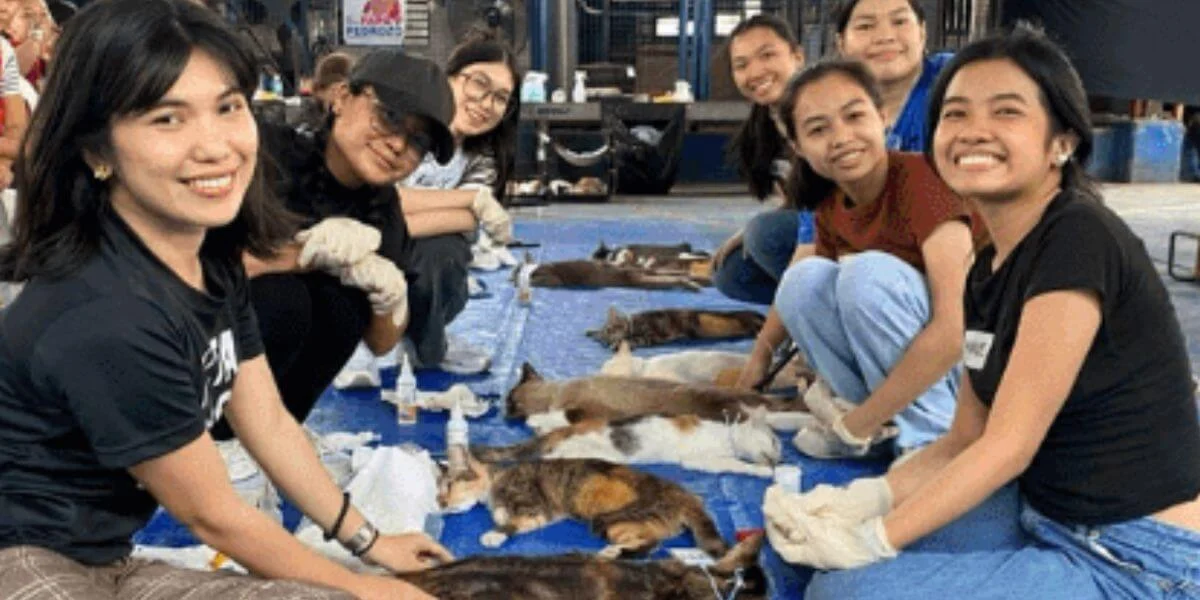
At the first light of dawn in the Philippines, the rhythmic sound of bouncing basketballs and the cheers of local crowds are replaced by a focused, clinical silence. In neighborhoods across the archipelago, community basketball courts—the heartbeat of Filipino social life—are being repurposed into makeshift surgical theaters. As the scoreboards remain dark, rows of improvised operating tables are lined with cats and dogs awaiting critical medical interventions that their owners could otherwise never afford. This logistical transformation is the work of Ampon Alaga, a relentless animal welfare team whose name translates to "adopt care," supported by the People for the Ethical Treatment of Animals (PETA) Global Compassion Fund. By bringing high-quality veterinary care directly into the heart of underserved communities, this initiative is addressing a systemic animal overpopulation and health crisis that has long plagued the region.
The necessity of these field clinics is perhaps best illustrated by the case of Gusion, a cat who arrived at a recent clinic in a state of extreme distress. Gusion had been the victim of a senseless act of violence, struck by a person under the influence of alcohol, resulting in a severe, bulging eye injury that caused the animal immense pain. For Gusion, the basketball court clinic was a literal lifeline. Veterinary surgeons performed a complex dual procedure, simultaneously neutering the cat and surgically removing the damaged eye to prevent further infection and suffering. Because these clinics operate in resource-constrained environments, the team often has to demonstrate extraordinary adaptability; in Gusion’s case, staff members rushed to a nearby pharmacy to secure specific post-operative medications required for his recovery. Such interventions, provided entirely free of charge, represent a radical shift in how animal welfare is managed in high-poverty areas.
The Context of Animal Welfare in the Philippines
To understand the impact of these clinics, one must consider the broader socio-economic landscape of the Philippines. The country faces a significant stray animal population, estimated in the millions, which contributes to public health concerns such as rabies transmission and community safety issues. While the Philippine Animal Welfare Act of 1998 provides a legal framework for the protection of animals, enforcement and access to affordable veterinary services remain significant hurdles. In many "barangays" (neighborhoods), the cost of a standard spay or neuter procedure at a private clinic can exceed a week’s wages for a low-income family. Consequently, many animals remain unsterilized, leading to a continuous cycle of unwanted litters that are often born into lives of hunger, neglect, and disease.
The partnership between Ampon Alaga and PETA’s Global Compassion Fund seeks to break this cycle by removing the financial and geographical barriers to care. By utilizing basketball courts—spaces that are already central, accessible, and large enough to accommodate dozens of animals—the team can process a high volume of patients in a single day. This "pop-up" model allows the team to move rapidly between different provinces, responding to the highest areas of need.
Data and Milestones: A Record-Breaking Year
The year 2025 marked a significant turning point for the initiative. Through a strategic partnership with Biyaya Animal Care, the Ampon Alaga team achieved a historic milestone, successfully spaying or neutering 9,250 cats and dogs during field clinics alone. This figure represents a massive reduction in the potential future population of stray animals; statistically, one unspayed female dog and her offspring can produce up to 67,000 puppies in just six years, while one female cat and her offspring can produce 370,000 kittens in seven years.
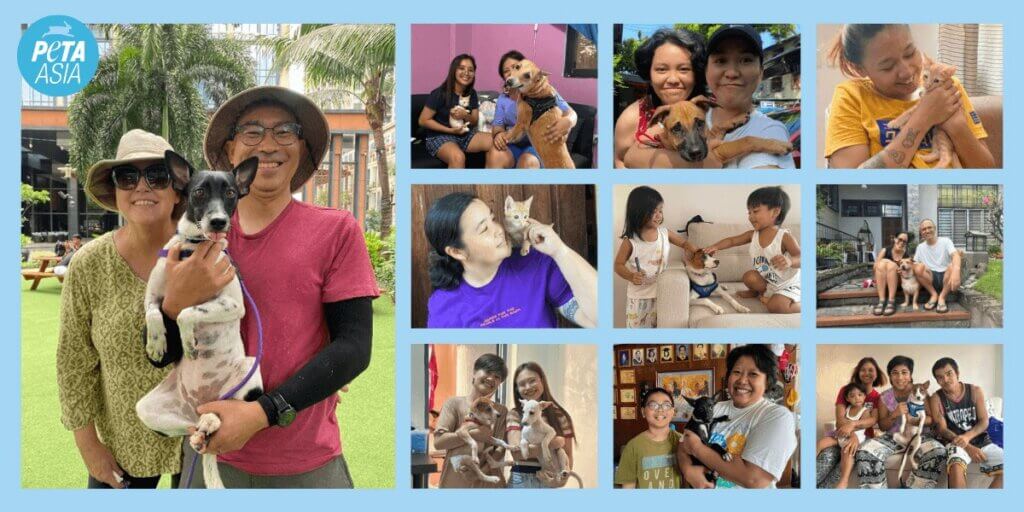
Beyond the centralized field clinics, the program expanded its reach through a door-to-door transport service. This specialized branch of the initiative sterilized an additional 245 animals, specifically targeting the most vulnerable guardians—those who are elderly, disabled, or living in such extreme poverty that they cannot transport their pets to the community courts. Furthermore, the initiative’s rescue and adoption wing successfully rehabilitated and rehomed 106 animals in 2025. Each of these animals underwent a rigorous process of medical clearance and behavioral assessment before being placed in vetted, loving homes, ensuring a sustainable "second chance" for animals that were once abandoned or ill.
Chronology of a Field Clinic Operation
The execution of a field clinic is a feat of logistical coordination. The process typically begins weeks in advance, as Ampon Alaga coordinates with local government units (LGUs) and barangay officials to secure permits and announce the clinic to the public.
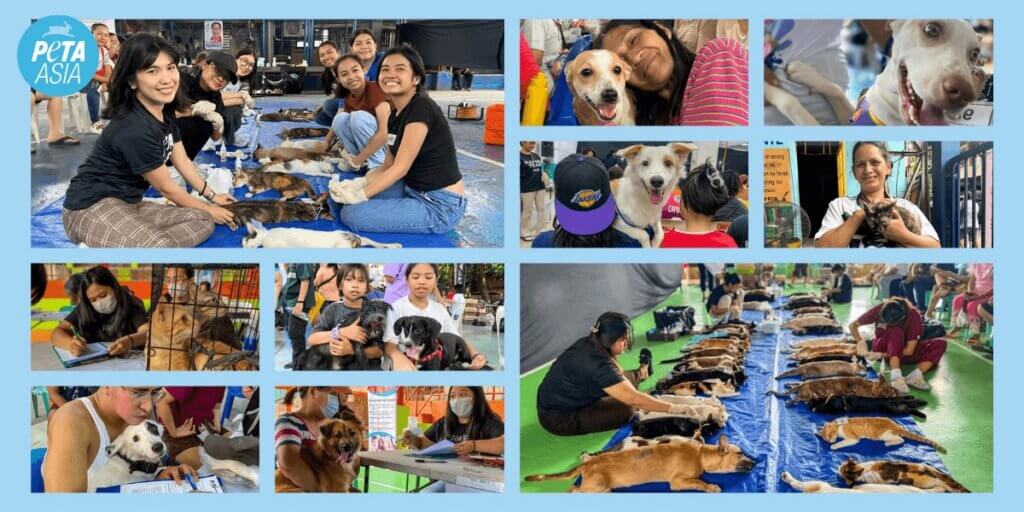
- Pre-Registration and Public Awareness: Local officials use community loudspeakers and social media to inform residents. Due to the high demand, families often begin lining up at the basketball courts as early as 3:00 AM, carrying their pets in improvised crates, cardboard boxes, or wrapped in blankets.
- Transformation of the Space: At 5:00 AM, the team arrives to sanitize the court and set up stations for intake, anesthesia, surgery, and recovery. Portable generators and high-powered lights are often used to ensure the environment meets surgical standards.
- Triage and Preparation: Every animal undergoes a physical examination to ensure they are fit for surgery. They receive vaccinations, deworming treatments, and flea/tick preventative care.
- Surgical Intervention: Using high-volume, high-quality techniques, the veterinary team performs sterilizations and other necessary surgeries, such as wound repairs or amputations for injured animals.
- Post-Operative Monitoring and Education: Animals are moved to a recovery area where they are monitored until they wake from anesthesia. During this time, owners receive educational materials on proper pet nutrition, the importance of hydration, and how to spot signs of illness.
Overcoming Socio-Economic Barriers: The Story of Nanay Corazon
The human element of this crisis is often personified by guardians like Nanay Corazon Pingol. An elderly resident of Tondo—one of the most densely populated and impoverished districts in Manila—Nanay Corazon traveled a significant distance to a field clinic, alone, managing four dogs: Ryza, Choichoi, Annie, and Abby. For individuals like her, the animals are not merely pets but vital companions who provide emotional support. However, without the intervention of the PETA-backed team, the cost of vaccinating and sterilizing four dogs would have been an insurmountable financial burden.
The clinic provided Nanay Corazon with a comprehensive suite of services, including sterilization, rabies vaccinations, and general check-ups for all four dogs. This case highlights a core philosophy of the Ampon Alaga mission: animal welfare is inextricably linked to human welfare. By supporting the pets of the poor, the initiative stabilizes the community, reduces the risk of zoonotic diseases, and prevents the emotional trauma associated with losing a pet to a preventable illness.
Disaster Response and Wildlife Protection
The Philippines is one of the most disaster-prone countries in the world, frequently battered by typhoons, floods, and volcanic eruptions. In these moments of crisis, animals are frequently the forgotten victims, left behind during evacuations or lost in the chaos of a storm. Ampon Alaga has integrated disaster response into its core operations. When major typhoons strike, the team pivots from scheduled clinics to emergency rescue, delivering food, clean water, and medical supplies to companion animals in devastated zones.
Furthermore, the team’s scope extends beyond domestic pets. They have become a critical resource for wildlife protection in the region, intervening in cases where threatened species are displaced by human encroachment or natural disasters. These animals are rescued, rehabilitated, and, whenever possible, returned to protected natural habitats, contributing to the preservation of the Philippines’ unique biodiversity.
Broader Implications and Global Context
The success of the Philippine field clinics serves as a model for PETA’s Global Compassion Fund, which operates on a premise of "radical empathy" across international borders. The fund is currently active in several of the world’s most challenging environments. In Ukraine, PETA-supported teams are working in combat zones to evacuate abandoned animals and provide veterinary care to those injured by shelling. In Mexico, similar spay/neuter initiatives are addressing the stray population in rural municipalities.
The analytical implication of this work is clear: mobile, community-based veterinary care is more effective and cost-efficient than traditional brick-and-mortar animal shelters in regions with high poverty. By addressing the root cause of overpopulation—uncontrolled breeding—the Global Compassion Fund reduces the long-term strain on local resources and prevents the suffering of millions of animals before it begins.
Looking Ahead to 2026
As Ampon Alaga and PETA move into the current year, the goal is to expand the frequency of these clinics and increase the number of mobile units available for door-to-door service. The team is also seeking to strengthen its advocacy efforts, pushing for local ordinances that mandate rabies vaccinations and offer incentives for sterilization.
The transformation of a basketball court into an operating room is more than just a temporary logistical fix; it is a symbol of a community’s commitment to compassion. Every animal treated represents a family helped and a future litter prevented from entering a cycle of suffering. While the challenges remains significant, the 9,250 milestones achieved in 2025 provide a roadmap for a more humane future in the Philippines and beyond. Through the continued support of international donors and the tireless work of local volunteers, the scoreboard may be off, but for the animals of the Philippines, the real victory is being won on the court.

