


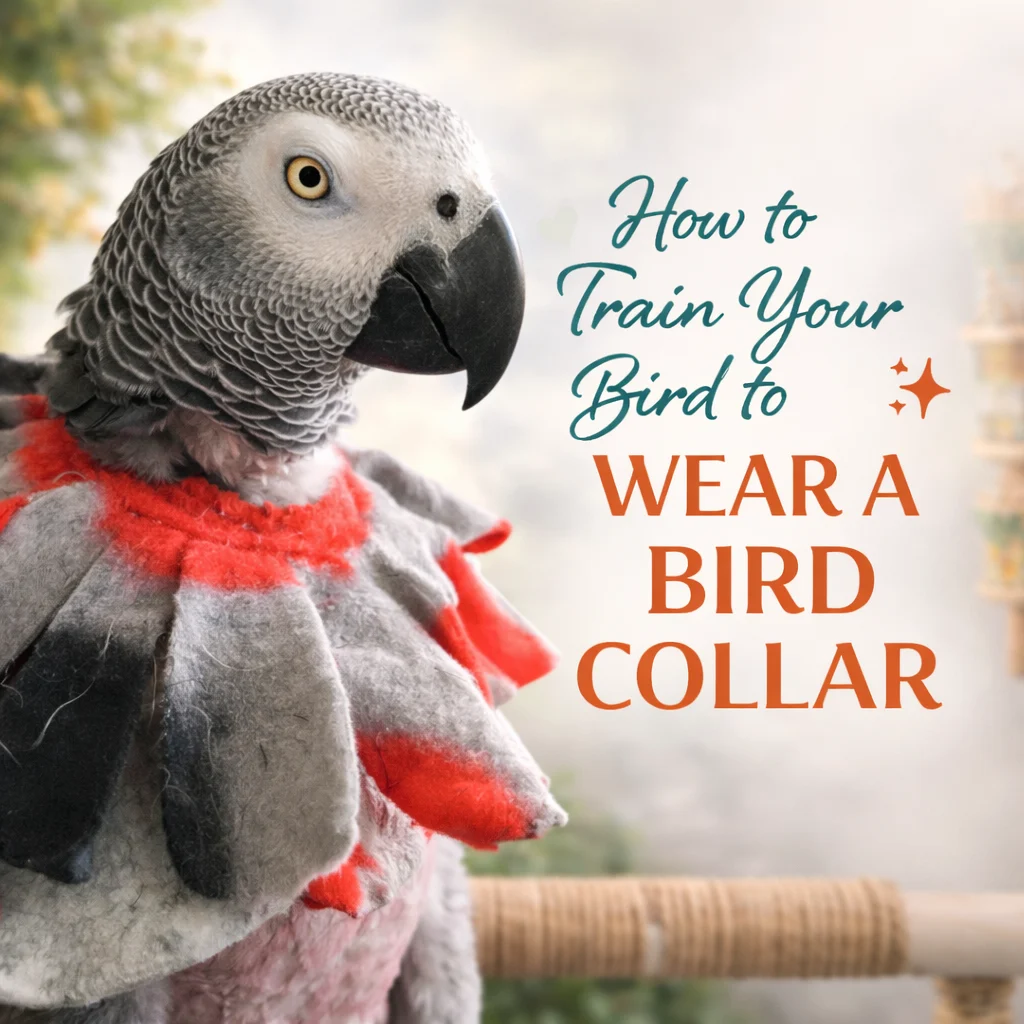
Pet bird owners frequently encounter the challenging question of whether avian collars can be safely and effectively utilized, particularly when confronted with escalating feather destructive behavior (FDB) or self-mutilation. The definitive answer, according to avian veterinarians and behavior specialists, is yes – birds can wear collars safely, but only when introduced thoughtfully, selected appropriately, and used for the right reasons as part of a comprehensive management plan. This complex issue requires careful consideration, professional guidance, and a deep understanding of avian welfare, moving beyond simplistic solutions to address the multifaceted nature of feather plucking and skin damage in companion birds.
Understanding Feather Destructive Behavior: The Underlying Challenge
Feather destructive behavior encompasses a range of actions from mild feather chewing and barbering to severe plucking, skin picking, and self-mutilation. It is one of the most common and frustrating behavioral issues reported by pet bird owners, affecting a significant portion of captive parrot populations. While often perceived as a purely behavioral problem, FDB is frequently a symptom of underlying medical, environmental, or psychological distress. Medical causes can include infections (bacterial, fungal, viral), parasites, allergies, nutritional deficiencies, organ disease (e.g., liver disease), heavy metal toxicity, and chronic pain. Environmental factors such as inadequate cage size, lack of enrichment, improper humidity, insufficient light spectrum, exposure to irritants, and inconsistent routines can also contribute. Psychologically, boredom, stress, anxiety, fear, hormonal fluctuations, and a perceived lack of control over their environment can trigger or exacerbate plucking.
When these underlying issues are left unaddressed, FDB can escalate rapidly. What might begin as a minor habit can devolve into severe self-inflicted wounds, leading to secondary infections, chronic pain, and a significant decline in the bird’s quality of life. Owners, having often exhausted other interventions like dietary adjustments, environmental enrichment, supplements, and sprays, turn to collars as a last resort to prevent further physical harm, highlighting the urgency and emotional toll this condition places on both bird and owner. It is within this critical context that avian collars emerge as a potential, albeit temporary, protective measure.
The Role of Avian Collars: A Protective Bridge
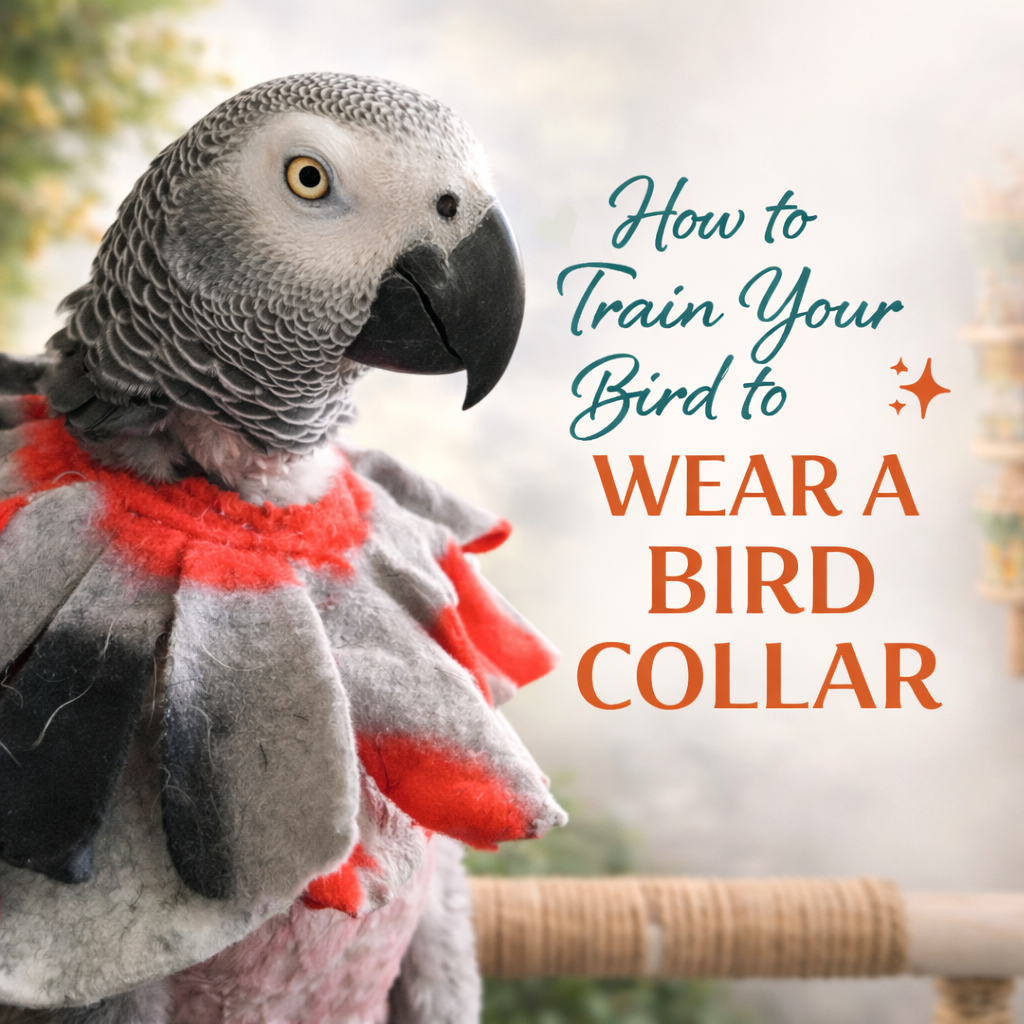
An avian collar, often referred to as an Elizabethan collar (E-collar) or cone, is designed to prevent a bird from accessing specific areas of its body, primarily its chest, wings, and legs, thereby deterring plucking, chewing, or self-mutilation. These devices are not intended as a punishment or a standalone cure but rather as a vital physical barrier to interrupt a damaging cycle, allowing for wound healing and providing a crucial window for veterinary diagnosis and behavioral intervention. The primary goal is to mitigate physical injury and break the self-reinforcing habit of plucking, which can become deeply ingrained over time.
Collars become most helpful when active physical protection is needed. This includes scenarios such as:
- Active Feather Destruction: When a bird is consistently plucking feathers to the point of causing skin damage, raw spots, or open wounds.
- Post-Surgical Recovery: To prevent a bird from picking at stitches or surgical sites, ensuring proper healing.
- Wound Healing: To protect existing wounds from further trauma, contamination, or self-inflicted damage.
- Dermatological Treatment: To prevent ingestion of topical medications or to allow medicated areas to heal undisturbed.
- Heightened Anxiety or Stress: During periods where self-soothing behaviors have escalated into self-harm, providing a physical boundary to redirect focus.
When introduced correctly and managed meticulously, avian collars can significantly reduce the risk of physical injury, slow the rehearsal of destructive habits, and afford owners and veterinary teams the necessary time to investigate and address the underlying medical, environmental, and behavioral causes. This multi-faceted approach is paramount, as a collar alone will not resolve the root problem but merely manages its most immediate, dangerous symptom.
When Collars May Be Unnecessary or Counterproductive
While beneficial in specific circumstances, collars are not a universal solution and can, in fact, be counterproductive if not truly warranted. Not every bird experiencing feather loss requires a collar. If feather plucking is mild, seasonal, or improving with targeted environmental enrichment, dietary adjustments, and routine changes—and crucially, if the skin remains undamaged—the addition of a collar may be unnecessary. In such cases, the stress of introducing and wearing a collar could outweigh any potential benefits, potentially exacerbating anxiety and even leading to new behavioral issues.
Signs that things might already be on track without a collar include:
- Mild, non-progressive plucking: Occasional feather manipulation without visible skin trauma.
- Seasonal molting: Natural feather loss often mistaken for plucking, where new feathers grow in normally.
- Positive response to initial interventions: Improvements observed after implementing diet changes, increased enrichment, or routine modifications.
- Absence of skin lesions: The skin beneath the feathers appears healthy and intact.
Adding an intervention like a collar without clear justification can impose undue stress on a bird. Sometimes, the most helpful step is to refine and reinforce existing positive strategies rather than layering on something new. A thorough veterinary examination is always the first step to rule out medical causes and determine the necessity of a collar.
Navigating the Introduction: A Phased Training Approach
The success of an avian collar hinges almost entirely on its thoughtful and gradual introduction. Rushing the process or forcing acceptance can traumatize a bird, making future attempts nearly impossible and deepening existing anxiety. The goal is to help the bird acclimate to the collar while maintaining a sense of safety and regulation, using positive reinforcement techniques.
Phase 1: Desensitization and Familiarization (1-3 Days)
- Step 1: Let the Collar Exist, No Pressure: Place the collar within the bird’s sight but at a safe distance, allowing it to observe the object without any immediate interaction. The objective is to normalize the collar’s presence in the environment, teaching the bird that it is not a threat. This stage requires patience, typically lasting 1 to 3 days, or longer if the bird shows initial apprehension.
- Step 2: Integrate into Routine: For the next 1 to 2 days, gently incorporate the collar into daily routines without direct application. For example, lay the collar on your shoulder during regular interaction times, or place it near the cage during feeding. This subtle exposure builds further familiarity without forcing interaction, associating the collar with positive, routine activities.
- Step 3: Invite Exploration: Once the bird appears comfortable with the collar’s passive presence, gently offer it for investigation on the bird’s own terms. Place it on a neutral surface within reach, allowing the bird to peck, explore, and interact with it voluntarily. Curiosity, encouraged through positive association (e.g., placing treats near or on the collar), is far more effective than coercion.
Phase 2: Building Tolerance and Physical Preparation
- Step 4: Build Tolerance to Touch: While engaging in positive reinforcement training sessions (e.g., target training), gently and briefly work on handling the bird’s wings, shoulders, and torso. Reward calm responses. This prepares the bird for the physical sensation of the collar and the necessary handling during application. Small, consistent progress, always ending on a positive note before stress accumulates, is key.
- Step 5: Prepare the Cage Environment: Before the first fitting, make necessary adjustments to the bird’s cage to ensure safety and accessibility. This might involve lowering perches, ensuring food and water bowls are easily reachable, and temporarily removing complex toys or climbing structures that could snag the collar.
Phase 3: Initial Application and Acclimation

- Step 6: First Fitting (Supervised): When both the bird and owner are ready, and ideally under the guidance of an avian veterinarian, apply the collar for a short duration, typically 1 to 3 hours, under close supervision. Observe for extreme distress. Awkward movement, attempts to preen the collar, and initial investigation are normal. Provide favorite treats and calm reassurance. This initial fitting should be brief and positive.
- Step 7: Build Strength and Confidence: Gradually increase the wear time in 30 to 60-minute increments, always monitoring the bird’s comfort and behavior. This incremental approach helps the bird build the physical strength and coordination needed to navigate its environment comfortably with the added weight and restriction of the collar. Consistency and patience during this phase are critical for long-term acceptance.
- Step 8: Return Cage to Normal: As the bird’s tolerance and confidence improve, slowly return perches, bowls, and toys to their usual positions. Some birds, especially those that are naturally nervous, may require additional assistance in relearning how to perch, climb, eat, or drink with the collar on. Observe for signs of difficulty and offer support as needed.
Throughout this entire process, vigilant observation is crucial. Owners must monitor for signs of distress, difficulty eating or drinking, impaired movement, or any skin irritation caused by the collar. Regular checks for cleanliness and proper fit are also essential.
Expert Perspectives and Ethical Considerations
Avian veterinarians emphasize that a collar is a management tool, not a cure. Dr. Sarah Johnson, a board-certified avian veterinarian, states, "Our primary goal is always to diagnose and treat the underlying cause of feather destructive behavior. Collars serve as a critical bridge, preventing further harm while we conduct diagnostics and implement therapeutic interventions. They buy us time." She further highlights the importance of professional fitting to ensure the collar is neither too tight nor too loose, which could lead to discomfort, skin irritation, or ineffective prevention.
Certified avian behaviorists, such as Dr. Alex Chen, concur, underscoring the behavioral component. "While a collar physically stops plucking, it doesn’t address the internal motivation. Our role is to work with owners to enrich the bird’s environment, modify problematic behaviors, and reduce stress. The collar helps break the self-reinforcing cycle of plucking, making behavior modification more effective." They often recommend pairing collar use with increased foraging opportunities, puzzle toys, and positive reinforcement training to redirect the bird’s energy.
Ethical considerations also play a significant role. The decision to use a collar involves balancing the potential stress of the device against the severe welfare implications of ongoing self-mutilation. When a bird is actively harming itself, preventing that harm becomes the immediate priority, even if the intervention itself causes temporary discomfort. The long-term goal is always to transition the bird off the collar once the underlying issues are resolved and the plucking habit is broken.
Broader Impact and Future Directions
The responsible use of avian collars has a profound impact on bird welfare, owner peace of mind, and the advancement of avian veterinary medicine. For birds, it can mean the difference between chronic self-inflicted wounds and a chance at healing and recovery. For owners, it offers a tangible step towards managing a distressing condition, providing a sense of agency and hope. The ongoing development of collar designs—from soft fabric collars to clear, lightweight plastic cones—reflects a continuous effort by manufacturers to improve comfort, safety, and efficacy.
Looking ahead, continued research into the multifactorial causes of FDB remains critical. As our understanding of avian physiology, psychology, and environmental needs evolves, so too will the strategies for prevention and treatment. The role of collars will likely remain as a vital, albeit temporary, protective measure within a holistic, science-backed approach to avian health and behavior. This approach necessitates a collaborative effort between owners, avian veterinarians, and behavior specialists to ensure that every intervention, including the use of collars, is thoughtfully considered, expertly applied, and continuously monitored for the best possible outcome for the bird. In essence, collars are not a shortcut, but a supportive tool that, when wielded with knowledge and care, can be instrumental in protecting feathers and skin while the broader picture of avian health and well-being is addressed.

