


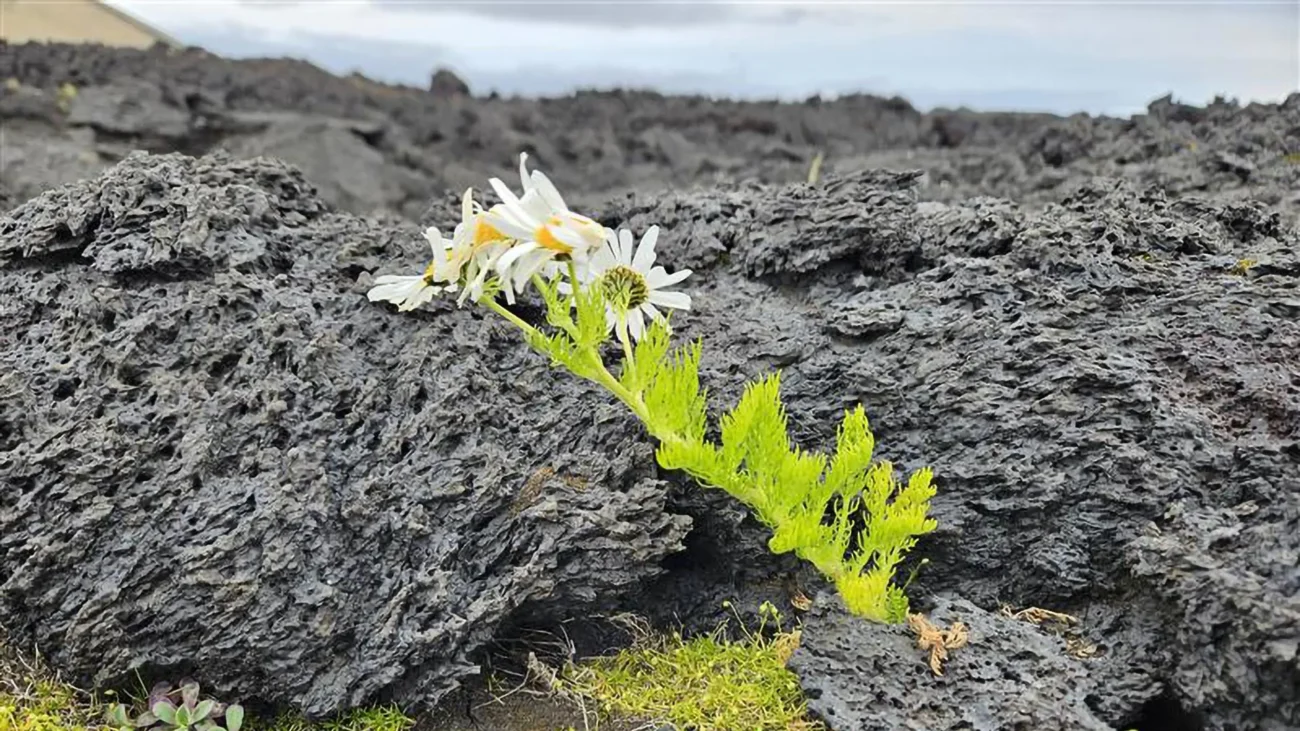
The dramatic emergence of the volcanic island of Surtsey from the frigid waters of the North Atlantic Ocean in 1963 was more than just a geological spectacle; it was a scientific windfall. This nascent landmass, born from a series of underwater eruptions, offered an unparalleled opportunity to observe the very genesis of an ecosystem, a rare natural experiment in real-time. For decades, the prevailing ecological assumption was that life’s journey to such isolated outposts was primarily facilitated by plants possessing extraordinary adaptations for long-distance dispersal. Traits like brightly colored fruits designed to attract avian consumers, whose digestive tracts would then act as natural seed-dispersal vehicles, or seeds equipped with feathery structures for windborne travel, were considered the elite toolkit for island colonization. Species boasting these characteristics were believed to possess a significant evolutionary advantage in conquering new and remote environments, effectively winning the biological lottery of island biogeography.
Challenging Established Paradigms: A Deep Dive into Surtsey’s Flora
However, a groundbreaking study recently published in the esteemed journal Ecology Letters has systematically dismantled this long-held and widely accepted theory. A collaborative effort involving researchers from Iceland, Hungary, and Spain has revealed a startling reality about the colonization of Surtsey. Their meticulous analysis of the 78 vascular plant species identified on the island since 1965 uncovered a surprising trend: the vast majority of these pioneering plants lack the very features traditionally associated with long-distance seed dispersal. This finding directly contradicts the established narrative, suggesting that the primary architects of Surtsey’s burgeoning plant life were not the plants themselves, but rather the island’s avian visitors.
The research team posits that gulls, geese, and various shorebirds played a pivotal, and largely underestimated, role in transporting seeds to Surtsey. These seeds were likely ingested by the birds and subsequently deposited in their digestive tracts or droppings, effectively hitching a ride across the vast oceanic expanse. Through their migratory patterns and foraging behaviors, these birds acted as surprisingly efficient and diverse vectors, delivering a broad spectrum of plant species to the newly formed island. This avian-driven dispersal mechanism appears to have been the foundational force in establishing the nascent ecosystem of Surtsey, laying the groundwork for its ongoing development and ecological complexity.
Avian Ingenuity: Birds as the Unexpected Engineers of Island Biota
"Birds turned out to be the true pioneers of Surtsey – carrying seeds of plants that, according to conventional theories, shouldn’t be able to get there," stated Dr. Pawel Wasowicz of the Natural Science Institute of Iceland, a key author of the study. His assertion underscores the profound implications of these findings, which effectively overturn traditional assumptions about how plant communities establish themselves in novel environments. "These results overturn traditional assumptions about plant colonisation and show that to understand how life spreads and responds to environmental change, we must look at the interactions between plants and animals. Life does not move in isolation – it follows life." This statement emphasizes a paradigm shift, moving from a plant-centric view of dispersal to a more holistic understanding that recognizes the intricate interdependence of species.
Dr. Andy Green of the Estación Biológica de Doñana (CSIC, Spain), who co-led the research, elaborated on the far-reaching significance of their discovery. He highlighted the critical role of animals, particularly birds, as primary drivers of plant dispersal and subsequent colonization. "Animals – especially birds – are key drivers of plant dispersal and colonization," Dr. Green remarked. "As migration routes shift under a warming climate, birds will play a vital role in helping plants move and adapt to new environments." This observation carries significant weight in the context of contemporary environmental challenges. As climate change alters habitats and influences species distributions, the ability of plants to migrate and adapt is paramount for their survival. Birds, as mobile and adaptable organisms, are likely to become even more crucial in facilitating these necessary movements, acting as ecological bridges between fragmented or shifting landscapes.
Surtsey: A Living Laboratory of Evolutionary Processes
The ongoing research on Surtsey reinforces its status as an extraordinary living laboratory. This unique island provides scientists with an unprecedented opportunity to witness, in real-time, the nascent stages of ecosystem development, ecological succession, and evolutionary adaptation. The island’s pristine environment, free from the established biotic pressures of continental landmasses, allows for the direct observation of processes that would otherwise remain hidden or require extensive inferential analysis. Surtsey offers continuous insights into the fundamental mechanisms by which life establishes itself, evolves in response to new conditions, and adapts to an ever-changing world.
The authors of the study advocate for a recalibration of ecological models. They suggest that future theoretical frameworks and predictive tools should place a significantly greater emphasis on the complex and dynamic interactions between biological entities, rather than relying solely on the physical characteristics of seeds or the taxonomic classifications of plant species. This call for a more integrated approach acknowledges the intricate web of life and the essential role of interspecies relationships in shaping ecological outcomes.
The Enduring Value of Long-Term Ecological Research
"Long-term research like that carried out on Surtsey is invaluable for biology," Dr. Wasowicz reiterated, underscoring the profound importance of sustained scientific inquiry in understanding complex natural phenomena. "It allows us to witness ecological processes that would otherwise remain invisible – how life colonizes, evolves, and adapts. Such work is essential for understanding the future of ecosystems in a rapidly changing world." The commitment to long-term monitoring and research on Surtsey, initiated shortly after its formation, has yielded invaluable data. This ongoing dedication to observing and documenting ecological change allows scientists to identify patterns, test hypotheses, and build robust understandings of fundamental biological processes that are critical for predicting and mitigating the impacts of global environmental changes.
A Chronology of Surtsey’s Emergence and Colonization
July 1963: Submarine volcanic eruptions begin southwest of Iceland, eventually leading to the formation of a new island.
November 1963: The island, named Surtsey, officially breaks the surface of the ocean. Initial scientific expeditions are launched to document its geological formation.
1964-1965: Early observations of microbial life and simple plants begin. Scientists start to catalogue the initial biological colonizers.
1965 onwards: Systematic monitoring of plant and animal life commences, laying the foundation for long-term ecological studies. The first vascular plant species are recorded.
Decades of Observation: Ecologists initially hypothesize that plants with specialized dispersal mechanisms (e.g., wind-borne seeds, bird-dispersed fruits) are the primary colonizers.
Recent Study (Ecology Letters): A comprehensive analysis of Surtsey’s vascular flora reveals that most species arrived via avian dispersal, challenging long-held assumptions about long-distance seed transport mechanisms. This study synthesizes decades of observational data with modern ecological theory.
Supporting Data and Broader Ecological Context
The emergence of Surtsey provided a unique opportunity to study island biogeography, a field that examines the factors influencing the diversity and distribution of species on islands. Traditional theories, such as those proposed by MacArthur and Wilson, emphasize the balance between immigration and extinction rates, influenced by island size and distance from a mainland source. These theories often implicitly assume that successful immigrants possess traits that enhance their ability to reach and survive in new environments.
The Surtsey study, by focusing on the mechanisms of dispersal, adds a crucial layer of understanding. It highlights that while island size and distance are undoubtedly important, the efficiency and diversity of dispersal agents can significantly alter the trajectory of colonization. For instance, studies on other islands have documented the role of ocean currents in dispersing seeds that can survive saltwater immersion, as well as the transport of viable plant fragments by floating debris. However, Surtsey’s findings place a stronger emphasis on mobile animal vectors.
The 78 vascular plant species documented on Surtsey represent a fraction of the potential flora of nearby Iceland, which boasts over 500 vascular plant species. This disparity underscores the challenges of long-distance dispersal and the selective filtering that occurs. The study’s finding that many of Surtsey’s colonizers lack obvious dispersal adaptations suggests that passive dispersal, such as seeds being accidentally carried on the feet or feathers of birds, or surviving passage through their digestive tracts, is far more prevalent and effective than previously appreciated for many species.
Implications for Conservation and Future Ecosystems
The research on Surtsey carries profound implications for conservation biology, particularly in an era of rapid climate change and habitat fragmentation. As terrestrial ecosystems face unprecedented pressures, the ability of species to migrate and re-establish themselves in more suitable environments is critical for their long-term survival.
1. Redefining Dispersal Strategies: The study forces a re-evaluation of how we understand plant dispersal. It suggests that a wider range of plant species, not just those with overt dispersal adaptations, may be capable of colonizing new habitats, provided they are transported by effective agents. This broader understanding is vital for conservation efforts aimed at facilitating species movement.
2. The Role of Mobile Species in a Changing Climate: Birds, as highly mobile organisms with extensive migratory routes, are uniquely positioned to act as crucial conduits for plant dispersal. As climate change alters temperature regimes and precipitation patterns, leading to shifts in suitable habitats, birds may become even more instrumental in connecting fragmented plant populations and enabling them to track favorable conditions. Conservation strategies may need to focus more on protecting migratory bird populations and their habitats, recognizing their ecological services.
3. Reassessing Conservation Corridors: The findings suggest that ecological corridors may need to be viewed not just as contiguous land routes but also as aerial pathways facilitated by birds. Protecting and restoring habitats that support migratory birds could indirectly contribute to the resilience of terrestrial ecosystems by enhancing plant dispersal.
4. Understanding Ecosystem Resilience: By understanding the complex interplay between dispersers and colonizers, scientists can better predict how ecosystems will respond to environmental change. This knowledge is crucial for developing effective strategies to maintain biodiversity and ecosystem functions in the face of global challenges.
The Enduring Legacy of Surtsey
Surtsey’s ongoing story is a testament to the resilience and adaptability of life. The island continues to evolve, offering a unique window into the fundamental processes that shape our planet’s biodiversity. The insights gleaned from this volcanic outpost, particularly the recent revelations about avian dispersal, are not merely academic curiosities; they are essential for understanding how life will navigate the environmental challenges of the 21st century and beyond. The scientific community’s sustained commitment to studying Surtsey underscores the invaluable contribution of long-term ecological research to our understanding of the natural world and our ability to protect it.

