


Bringing home your first pair of pet rats is an exciting milestone, a moment filled with anticipation for the companionship and unique personalities these intelligent creatures will bring into your life. This initial period, however, can also be a time of uncertainty for new owners, as a flurry of questions arises regarding their new companions’ well-being and integration into the home. Understanding the typical behaviors, needs, and developmental stages of rats during their first days, weeks, and months is crucial for establishing a strong, trusting bond and ensuring a harmonious coexistence. This guide aims to demystify the early stages of rat ownership, offering practical advice and insights derived from extensive experience in rat care.
The Crucial First Homecoming: Creating a Safe Haven
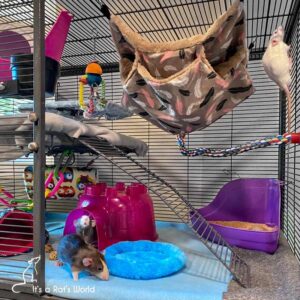
Upon arriving home with your new rats, the immediate priority is to introduce them to their new environment in a way that minimizes stress and maximizes comfort. It is imperative to have a properly sized, multi-level cage already set up with essential amenities, including food and water dispensers, bedding, enrichment items like hammocks and tunnels, and a designated litter box. This preparedness ensures that the rats have a secure and familiar space to retreat to as they acclimate.
The process of acquiring the rats plays a significant role in their initial behavior. Rats that have undergone extensive travel or a disruptive transition may exhibit more skittishness and a greater need for a period of decompression. Conversely, rats accustomed to handling and a stable environment might display more confidence. Regardless of their initial demeanor, it is vital for new owners to approach their rats with patience and avoid overwhelming them with excessive attention or loud noises.
Initial Introduction Protocol:
- Present the Cage: Gently place the carrier containing the rats into their new cage. This allows them to observe their surroundings from a secure vantage point.
- Allow Exploration: Open the carrier and allow the rats to emerge and explore the cage at their own pace. Do not force them out.
- Gentle Introduction to Amenities: As they begin to explore, you can verbally guide them through their new home, pointing out their food dish, water source, litter box, and sleeping areas. This vocal interaction helps them associate your voice with a positive, safe experience.
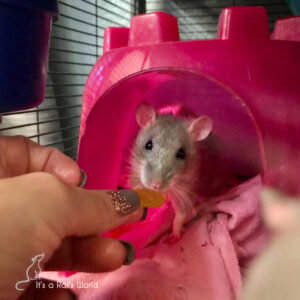
- Offer a Snack: A small, enticing treat, such as a piece of fruit or a sunflower seed, can be offered as a way to create a positive association with your presence. Some rats may be too nervous to accept a treat initially, and this is perfectly normal.
- Observe and Retreat: Allow the rats to settle in and explore without constant supervision. Your mere presence in the room, engaged in quiet activities, can help them grow accustomed to you.
The importance of the litter box cannot be overstated. Nervousness often triggers a need to urinate, and having a designated, easily accessible litter area can help manage waste and establish early litter training habits. The cleanliness of this area is paramount for hygiene and odor control.

Beyond the Cage: Gradual Integration and Decompression
Following the initial introduction to their cage, the next step involves carefully assessing when and how to engage with your new rats outside of their primary habitat. The duration of their travel and their individual temperaments are key factors in determining the appropriate timing for direct interaction.
For rats that experienced minimal travel stress, it may be feasible to allow them out of their cage within 30 to 60 minutes of their arrival. However, for those who endured longer journeys or exhibit signs of anxiety, a longer decompression period of an hour or more is advisable. This is not a rigid rule but a guideline to follow the rats’ cues. Their comfort level should dictate the pace of integration.
Key Considerations for Out-of-Cage Time:
- Travel Time: Rats that have traveled for extended periods will likely benefit from a longer period of rest and acclimation within their cage before being introduced to new experiences.
- Individual Temperament: Observe your rats for signs of stress, such as excessive grooming, hiding, or a lack of exploration. If they appear withdrawn or fearful, grant them more time to adjust.
- Controlled Environment: When first introducing them to an area outside the cage, ensure it is a safe, enclosed space free from hazards and other pets. A rat-proofed room or a designated playpen is ideal.
- Positive Reinforcement: Use treats and gentle vocalizations to encourage exploration and interaction. Avoid sudden movements or loud noises that could startle them.
This gradual approach to interaction is essential for building trust. Rats, by nature, are prey animals, and their survival instincts dictate caution when encountering new environments and individuals. By respecting their need for space and allowing them to dictate the pace of interaction, you foster a sense of security, which is the foundation of a strong human-animal bond.
Understanding Rat Behavior: From Timidity to Trust
The behavioral spectrum of newly acquired rats can be incredibly diverse. While some may exhibit boldness and curiosity from the outset, readily exploring their surroundings and interacting with their new human companions, others may display pronounced nervousness or even fear. This variability is a natural aspect of individual rat personalities and their prior experiences.
It is a common misconception that scared rats will overcome their fear independently. In reality, their inherent survival mechanisms compel them to hide and flee from perceived threats. It is the owner’s responsibility to actively work towards altering this perception by consistently demonstrating that their presence is not a source of danger but of safety and positive experiences.
Phased Behavioral Integration:
- Day 1-3: Acclimation and Observation: The primary focus is on allowing the rats to settle into their cage, explore their immediate environment, and become accustomed to the sounds and smells of the household. Minimal direct interaction is recommended, focusing on gentle observation and the provision of necessities.
- Week 1: Gentle Introductions: Begin short, supervised sessions of interaction outside the cage. Offer treats, speak in a soft tone, and allow them to approach you. Avoid forcing them into your hands. If they show signs of distress, return them to their cage and try again later.
- Weeks 2-4: Building Trust: Consistently dedicate time each day to interacting with your rats. This can include gentle petting, hand-feeding, and allowing them to explore supervised areas. If they are fearful, continue to be patient and persistent. The goal is to associate your presence with positive outcomes.
- Month 1 and Beyond: Developing Bonds: As your rats become more comfortable, they will begin to exhibit more outgoing behaviors, such as seeking out your attention, riding on your shoulders, and participating in play. Continued interaction, enrichment, and consistent care will solidify these bonds.
It is critical to dispel the myth that rats are inherently aggressive or prone to biting. While any animal can bite when frightened or threatened, rats generally do not bite without provocation. A proactive approach to building trust from Day 1 is the most effective way to prevent fear-based biting. Neglecting interaction due to fear can exacerbate their anxiety and create a self-perpetuating cycle of timidity.
Navigating Quirky Rat Traits and Potential Challenges
Beyond general behavioral patterns, rats exhibit certain unique quirks that new owners may find surprising. One such trait, often observed in male rats, is a tendency to nip at socked feet. This behavior is typically not aggressive and is more akin to playful exploration or curiosity about textures. It is important for owners to understand that this is a common, albeit sometimes startling, rat characteristic and not an indication of malicious intent.
Another behavior that can be misinterpreted is a rat’s reaction to nail polish remover. The strong fumes or smell can be disorienting and distressing to rats, leading them to nip at fingers or toes as a defensive reaction. To avoid this, it is advisable to refrain from using nail polish remover in the presence of rats.
Addressing Common Concerns:
- Sock Nipping: If your rat nips your socked feet, do not react with alarm. Gently redirect their attention with a toy or a treat. Over time, they will learn that this behavior does not yield a desired outcome.
- Nail Polish Remover: Always ensure good ventilation and keep rats away from the immediate vicinity when using strong-smelling chemicals like nail polish remover.
- Biting Fear: As previously mentioned, fear-based biting can be mitigated through consistent, positive interaction. Educating oneself on rat communication and behavior is essential for building confidence and preventing such incidents.
Fundamental Care Practices: Ensuring Health and Well-being
Beyond behavioral considerations, consistent and diligent care is paramount for the long-term health and happiness of pet rats. This encompasses regular cage cleaning, appropriate nutrition, and timely veterinary attention.
Cage Cleaning: A Cornerstone of Health
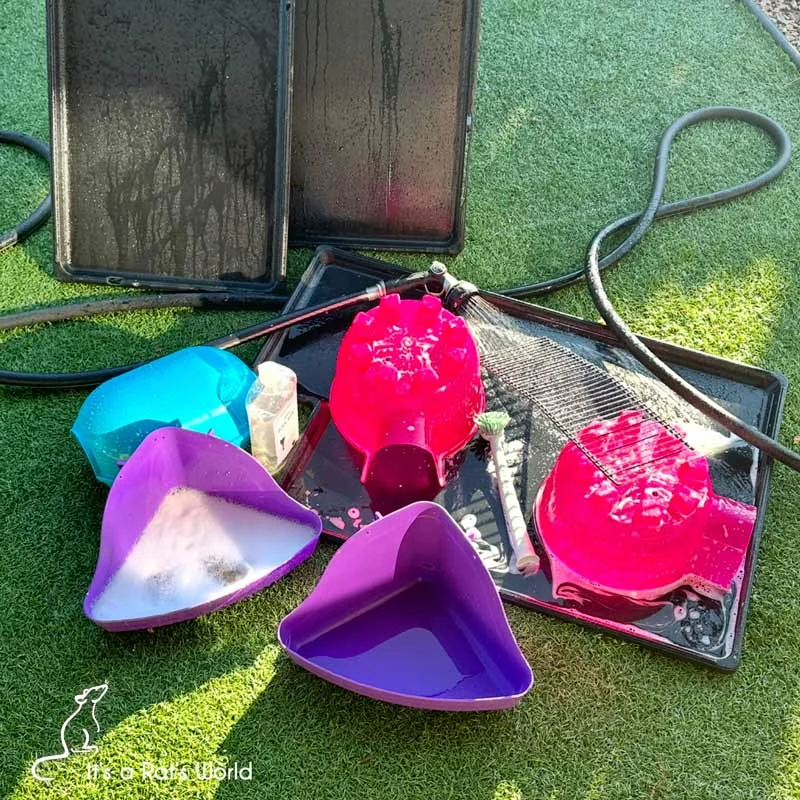
Maintaining a clean living environment is fundamental to preventing illness and minimizing odors. A comprehensive cage cleaning routine typically involves two main components:
- Daily Spot Cleaning: This involves removing soiled bedding, food scraps, and waste from high-traffic areas, especially the litter box. This proactive approach significantly reduces odor buildup and prevents the accumulation of bacteria.
- Weekly Full Cleaning: A thorough cleaning entails removing all bedding, washing down the cage surfaces with a pet-safe disinfectant, and cleaning all accessories. The frequency of full cleanings can vary based on the number of rats, their litter training habits, and their sex, as males may be more prone to marking.
Adhering to a consistent cleaning schedule not only contributes to the rats’ health but also enhances the overall living environment for both the pets and their owners.
Nutrition: Fueling a Healthy Metabolism
Rats possess rapid metabolisms and thrive on a balanced diet. Their nutritional needs can be met through a combination of a high-quality commercial rat food, supplemented with fresh fruits, vegetables, and occasional protein sources.
- Staple Diet: A well-formulated rat pellet should form the base of their diet, providing essential vitamins, minerals, and protein.
- Portion Control: To prevent overeating and maintain a healthy weight, it is recommended to divide their daily food allotment into two meals, typically breakfast and dinner.
- Fresh Additions: Fruits and vegetables can be offered as part of these meals or as healthy snacks throughout the day. It is important to research which foods are safe and beneficial for rats.
Consulting reputable resources, such as the Rat Guide, can provide detailed information on appropriate diets and daily menu examples.
Veterinary Care: Proactive Health Management
The necessity of veterinary care depends largely on the source of your rats. Rats acquired from reputable rescues or breeders who adhere to strict quarantine protocols and provide pre-adoption medical care may not require immediate veterinary attention. However, rats obtained from pet stores, unknown sources, or those with pre-existing health concerns may benefit from an early veterinary check-up.
Signs Warranting Veterinary Consultation:

- Respiratory Symptoms: Sneezing, wheezing, crackling sounds during breathing, or labored breathing within the initial weeks of acquisition can indicate a respiratory infection, often triggered by stress.
- Lethargy or Loss of Appetite: Any significant changes in their activity level or eating habits warrant attention.
It is also prudent for owners to budget for potential future veterinary expenses, as rats can be prone to certain health issues, particularly respiratory problems and tumors, as they age.
Cultivating Lasting Bonds: Play, Communication, and Companionship
The journey of getting to know your rats extends beyond basic care and into the realm of building a deep, meaningful connection. This involves dedicated playtime, understanding their unique communication methods, and creating enriching experiences that foster mutual affection.
Enriching Playtime and Interaction:
- Out-of-Cage Play: Supervised playtime outside the cage is vital for a rat’s physical and mental well-being. Creating a safe and stimulating play area, such as a designated "rat playground" or a rat-proofed couch area, allows for extended periods of bonding and exploration.
- Gentle Handling: Learning how to properly hold and pet your rats is crucial. Begin with gentle strokes along their backs and avoid sudden movements that could startle them. Their sharp nails, while a natural feature, require careful handling to prevent discomfort for both rat and owner.
- Building a Bond: The process of forming a strong bond with your rats is ongoing. It requires patience, consistency, and a willingness to understand their individual personalities and needs.
Understanding Rat Communication:
Rats communicate through a variety of vocalizations, body language, and behaviors. Learning to interpret these cues is essential for strengthening your relationship. Subtle ear twitches, whisker movements, and body postures can convey a wealth of information about their mood and intentions.
The journey of welcoming pet rats into your home is a rewarding one, characterized by discovery, learning, and the development of unique relationships. By approaching this experience with knowledge, patience, and a commitment to providing excellent care, new owners can navigate the initial stages with confidence and foster a lifetime of companionship with these remarkable creatures. The consistent application of these principles will undoubtedly transform the initial apprehension into a profound appreciation for the intelligent, affectionate, and playful nature of pet rats.

