


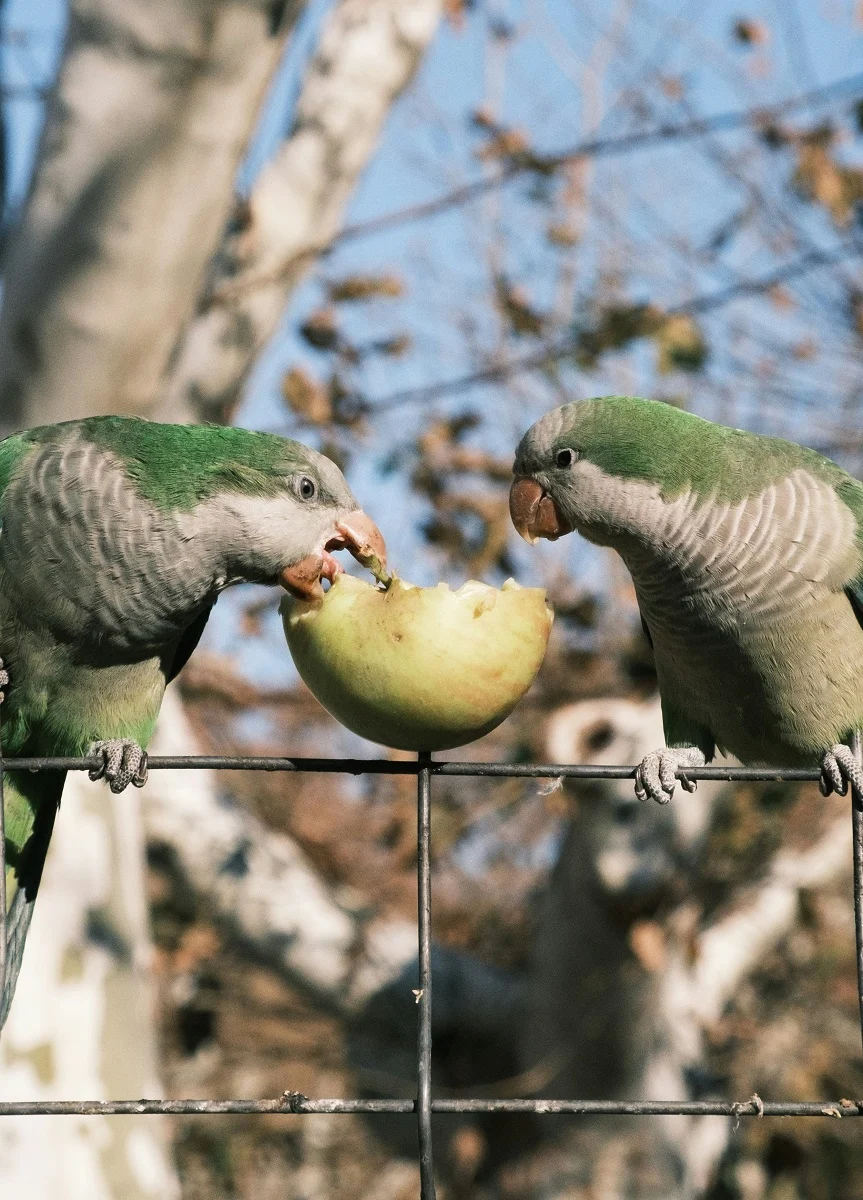
The Myiopsitta monachus, commonly known as the quaker parrot or monk parakeet, represents a fascinating intersection of avian biology, pet companionship, and ecological challenge. While these cheerful South American parrots can make engaging pets for the discerning owner, their robust adaptability has also positioned them as a species of significant concern in non-native environments globally. This article delves into the multifaceted aspects of the quaker parrot, from its natural origins and unique characteristics to the complexities of its role as both a cherished companion and an invasive species.
Biology and Natural Habitat of the Quaker Parrot
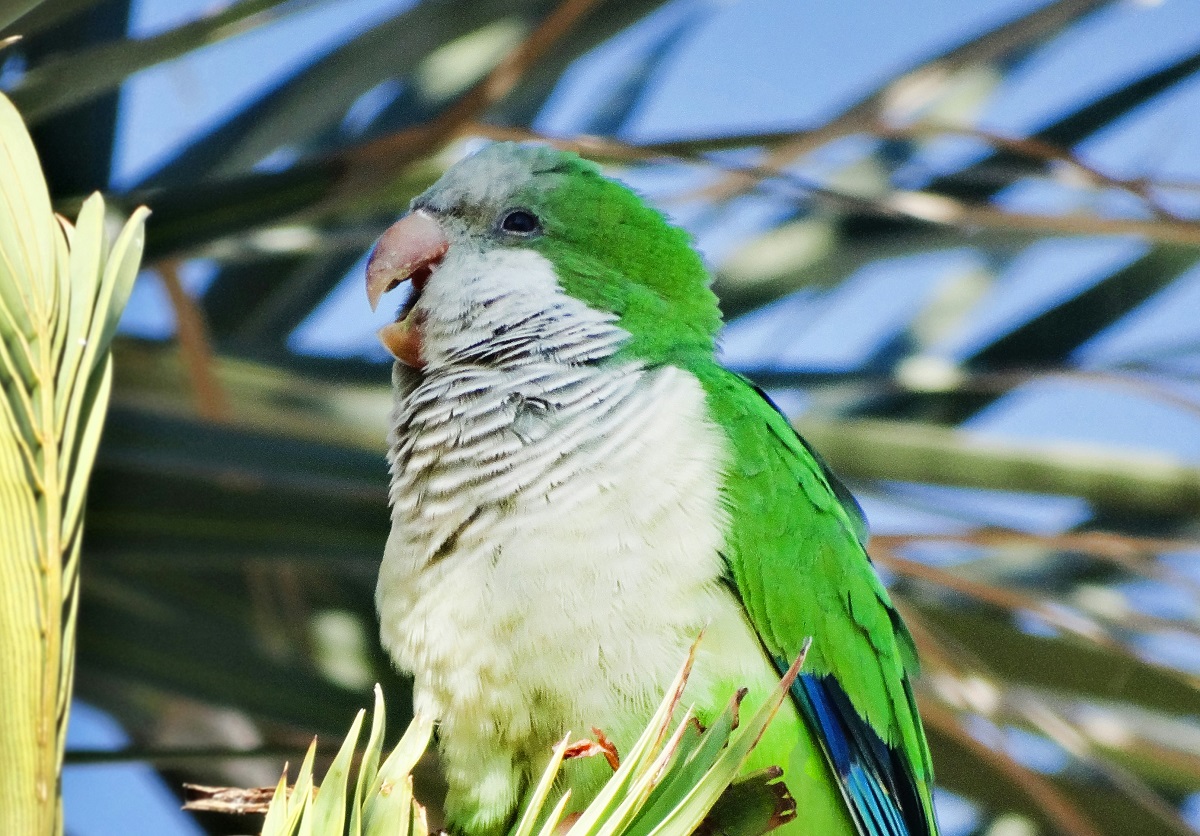
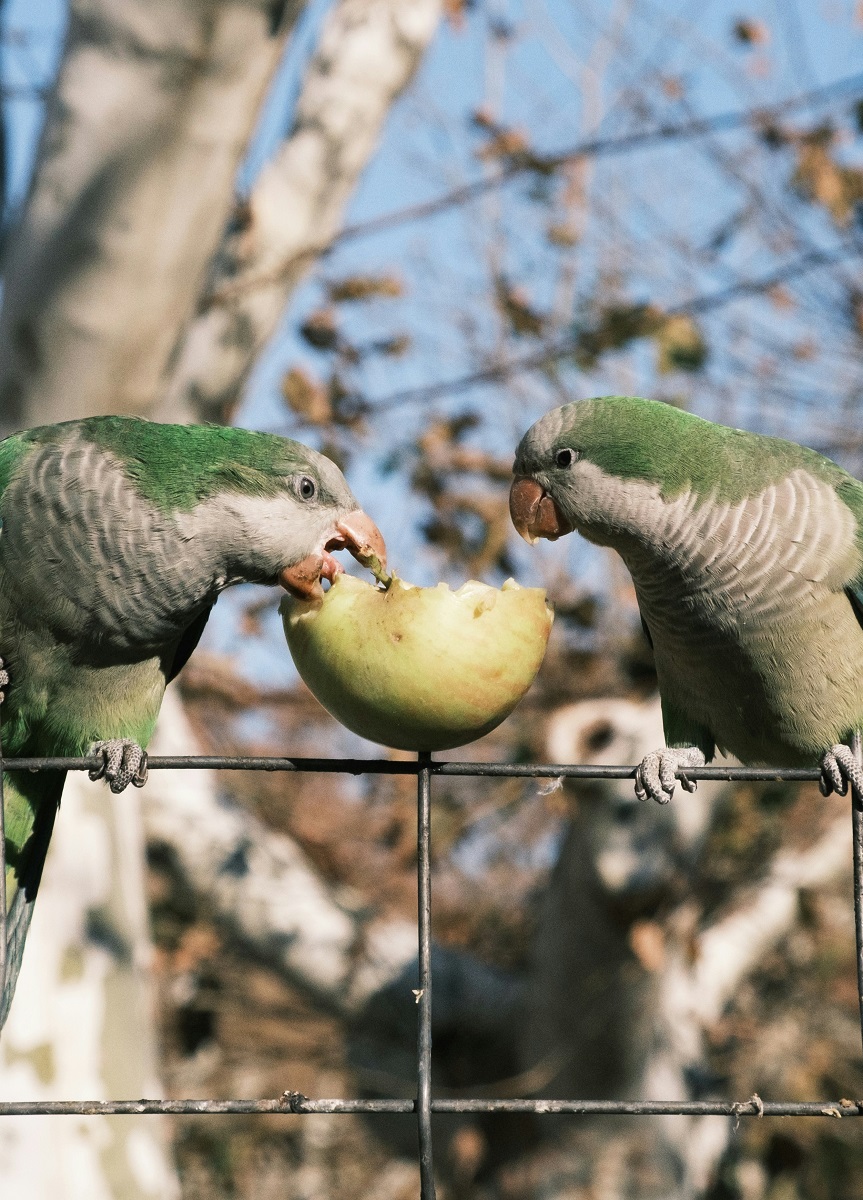
Originating from the lowlands of South America, the Myiopsitta monachus is a relatively small parrot species, typically reaching lengths of up to 13 inches (33 cm) and weighing around 140 grams. In their wild form, these birds are easily identifiable by their mossy green backs, contrasting grey fronts, distinctive blue flight feathers, and long tails, all complemented by a skin-colored beak. This natural coloration provides camouflage within their native environments, primarily Argentina, southern Brazil, eastern Bolivia, Paraguay, and Uruguay.
Their preferred habitats are varied but generally confined to regions below 3,300 feet (1,000 meters) in elevation. Here, they thrive in a mosaic of wooded and sparsely wooded areas, including palm forests, savannas, and increasingly, urban parks and agricultural lands. This adaptability to diverse landscapes is a key factor in their ecological success, both within and outside their native range.
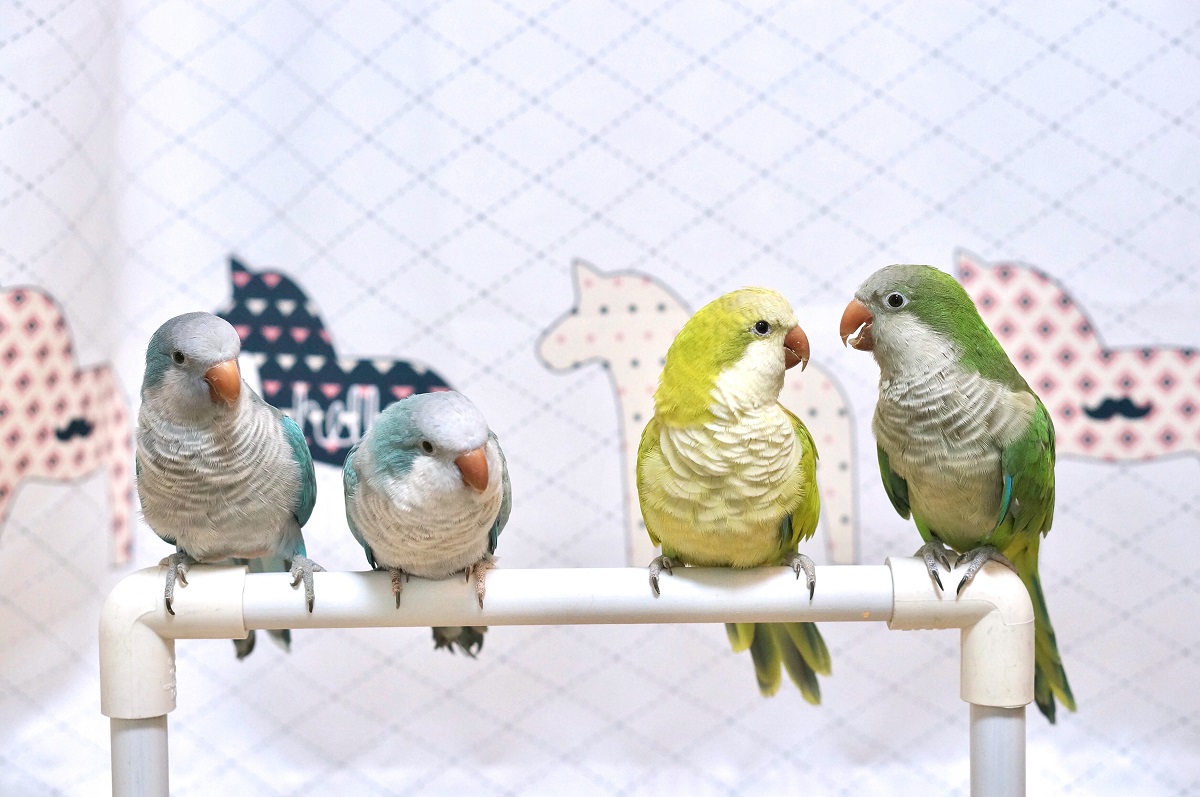
Through selective breeding programs in captivity, a striking array of color mutations has been developed. Beyond the wild-type green, quaker parrots are now available in shades of blue, yellow (lutino), grey, white (albino), and various combinations thereof. While visually appealing, these captive-bred color morphs highlight the species’ genetic plasticity and the human influence on its aesthetic presentation. Interestingly, discerning the sex of a quaker parrot visually is challenging, as females are only marginally smaller than males; DNA testing remains the most reliable method for accurate sex determination.
Conservation Status and Ecological Paradox
The International Union for Conservation of Nature (IUCN) Red List currently classifies Myiopsitta monachus as a species of "Least Concern." This assessment reflects its widespread distribution and generally stable, if not increasing, population trends within its native range. Paradoxically, the quaker parrot’s success in its natural habitat is, in part, attributed to human activities that often threaten other species. The expansion of monoculture agriculture, particularly maize cultivation, provides an abundant and readily available food source. Furthermore, the planting of fast-growing Eucalyptus forests for paper pulp production offers additional nesting sites, which quakers readily exploit.
This contrasts sharply with the conservation status of its sole congener, Myiopsitta luchsi, the Bolivian monk parakeet, which is listed as "Near Threatened." M. luchsi has a much more restricted range in Bolivia and faces specific threats that are not impacting its more adaptable relative to the same degree. The divergent fates of these two closely related species underscore the complex and often localized nature of conservation challenges.
The Invasive Species Phenomenon: A Global Challenge
Despite its "Least Concern" status in its native lands, the quaker parrot has emerged as a significant invasive species across numerous countries. Its robust nature, adaptability, and high reproductive potential have allowed self-sustaining feral populations to establish themselves far beyond South America. The proliferation of quaker parrots outside their natural range is largely a consequence of the pet trade, with many populations originating from escaped or intentionally released birds.
Chronology of Spread and Key Locations:
The phenomenon of feral quaker parrot populations began to be observed in the mid-20th century, particularly in North America and parts of Europe.
- 1960s-1970s: First significant reports of feral colonies in the United States, notably in urban areas like New York, Chicago, and Florida. These early colonies were primarily founded by individuals escaping or being released from the burgeoning pet trade.
- 1980s-Present: Continued expansion across the US and into European cities. Countries like Spain, France, and Belgium have seen substantial growth in quaker parrot numbers, often congregating in public parks and green spaces. In Spain, for instance, cities such as Valencia and Madrid now host large, visible populations that coexist with native urban birdlife, foraging for food scraps alongside pigeons.
- Global Reach: Beyond Europe and North America, feral quaker parrot colonies have also been documented in parts of Asia and other continents, illustrating their remarkable ability to adapt to diverse climates and environments.
Ecological and Economic Impacts:
The presence of invasive quaker parrots poses several challenges to local ecosystems and human infrastructure.
- Competition with Native Species: Feral quakers compete with native bird species for food resources, nesting sites, and water. Their aggressive nature and communal nesting habits can displace native birds, impacting local biodiversity.
- Agricultural Damage: Mirroring their behavior in their native range, invasive quaker parrots often become agricultural pests, forming large flocks that can cause significant damage to crops, especially corn, sunflowers, and various fruits. This leads to economic losses for farmers.
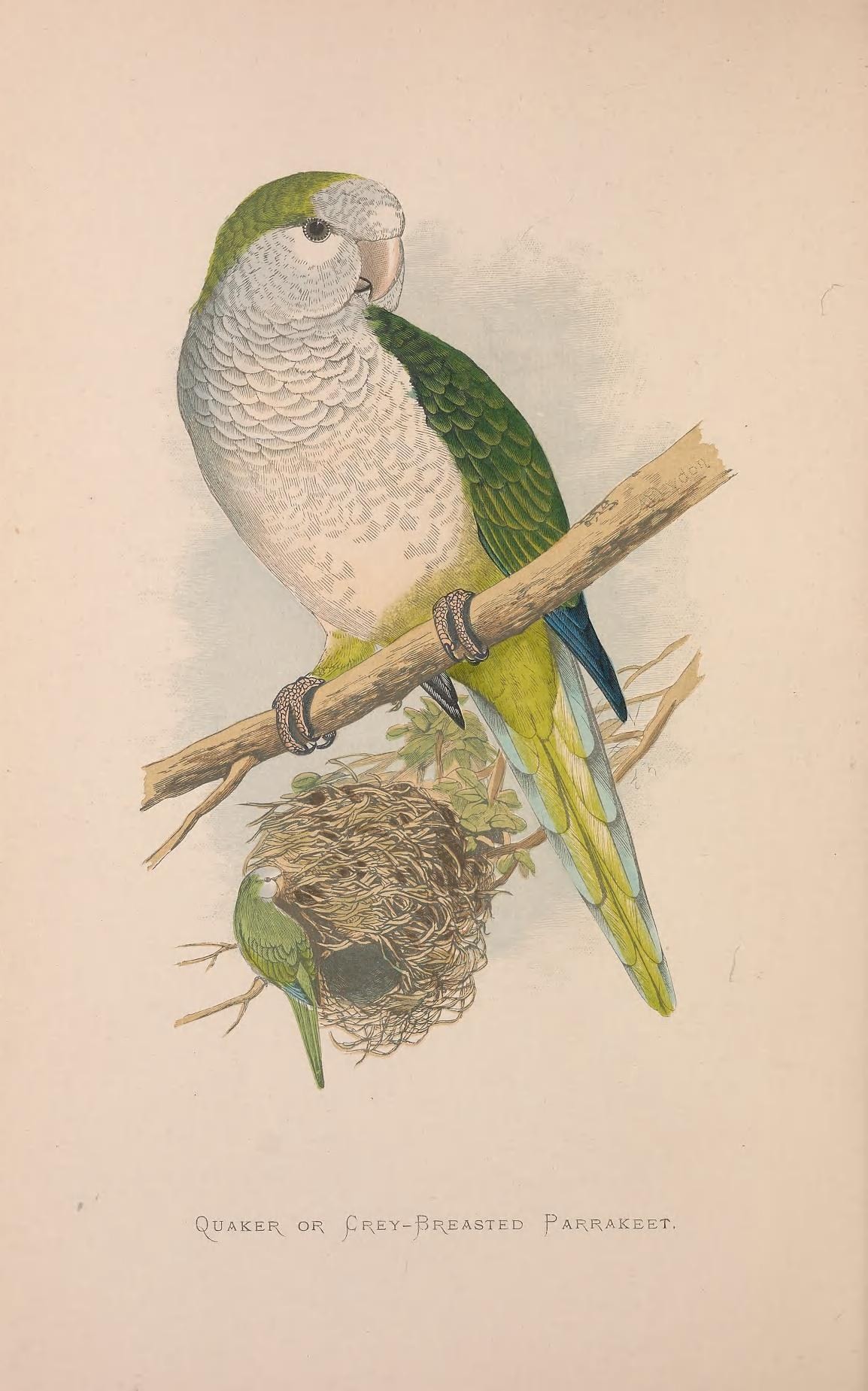
- Infrastructure Damage: A unique characteristic of quaker parrots is their communal nesting behavior. Unlike most parrots that nest in tree cavities, quakers build large, elaborate stick nests that can weigh hundreds of pounds. When these nests are constructed on utility poles, electrical transformers, or other infrastructure, they can cause power outages, fire hazards, and costly damage, necessitating expensive removal and repair efforts by utility companies.
- Disease Transmission: There is also a concern regarding the potential for invasive parrot populations to transmit diseases to native wildlife or even humans, though research in this area is ongoing.
Official Responses and Management Strategies:
The documented impacts have led to various governmental and conservation responses.
- Legislation and Bans: Several regions, particularly in the United States (e.g., California, Pennsylvania, New Jersey) and some European Union member states, have implemented bans or restrictions on the sale, possession, and breeding of quaker parrots to prevent further establishment and spread of feral populations. These regulations reflect a broader policy shift towards controlling invasive alien species.
- Management Programs: Wildlife management agencies often employ strategies such as trapping, relocation, or humane culling to control or eradicate feral colonies, especially in areas where they pose a direct threat to native species or infrastructure. Public education campaigns are also crucial to inform pet owners about responsible ownership and the importance of preventing escapes.
- Expert Statements: Conservationists, such as Dr. Eleanor Smith, an avian ecologist specializing in invasive species, have consistently highlighted the need for proactive management. "While individual quaker parrots can be charming, their collective impact in non-native environments is a serious threat to local biodiversity and agricultural economies," Dr. Smith stated in a recent symposium on invasive avian species. "Early detection and rapid response are critical for successful management." Agricultural bodies have echoed these concerns, with reports from farming associations detailing millions of dollars in crop damage attributed to monk parakeet flocks in affected regions.
The Quaker Parrot as a Companion Animal: Considerations for Owners
For those considering a quaker parrot as a pet, understanding their needs and temperament is paramount. With a lifespan of up to 30 years, owning a quaker parrot is a long-term commitment.
Temperament and Social Needs:
Quaker parrots are renowned for their confident, boisterous, and playful personalities. A well-socialized quaker can be an incredibly engaging and affectionate companion, often described as clownish and full of zest for life. They are highly social birds that thrive on interaction. However, this intense social drive means a solo quaker without a mate will quickly become lonely and stressed if it does not receive nearly constant attention from its human companions. They can form very strong bonds, sometimes attaching exclusively to one person, which can lead to aggression or jealousy towards other family members. Owners must be prepared to integrate the parrot into the entire family dynamic to mitigate this.
Furthermore, quakers are known for being highly territorial about their cage. This strong instinct to protect their "home" can make routine tasks like cleaning or changing food and water bowls challenging, requiring careful handling and consistent training. The common name "quaker parrot" itself is thought to derive from the "quaking" or rapid wing-flapping motion younger birds exhibit when begging for food, rather than any religious connotation.
Housing Requirements:
Despite their moderate size, quaker parrots require ample space. A cage with a minimum width of 30 inches (76 cm) is recommended, but larger is always better. For birds not allowed several hours of free-roaming time daily, a full-sized aviary is ideal. Crucially, cage length is often more important than height, as parrots primarily utilize the upper half of their cage for perching and tend to fly horizontally.
The cage should be outfitted with a variety of natural wood perches of varying diameters to promote foot health, along with multiple parrot-safe toys for mental stimulation. Clean food and water bowls, refreshed daily, are essential. A fascinating aspect of quaker behavior is their innate nest-building instinct. Owners may observe their birds meticulously stacking small, elongated items like sticks, paper, or even pens within their cage. While this can sometimes be associated with hormonal behavior, it’s also a natural expression of their engineering prowess and can be a source of enrichment if managed appropriately.
Dietary Needs:
A cornerstone of a quaker parrot’s health is a balanced and varied diet. The outdated practice of feeding primarily seed mixes is detrimental, as these are often high in fat and deficient in essential nutrients, leading to malnutrition and related health issues.
A healthy captive diet should be based on a high-quality formulated pellet food, which provides comprehensive nutrition. This staple should be supplemented daily with a wide array of fresh foods, including:
- Leafy Greens: Kale, spinach, romaine lettuce, dandelion greens.
- Vegetables: Carrots, bell peppers, broccoli, sweet potatoes, zucchini.
- Fruits: Apples (without seeds), berries, melons, bananas, grapes.
- Cooked Grains/Legumes: Brown rice, quinoa, lentils.
- Occasional Treats: Small amounts of unsalted nuts or healthy seeds (e.g., flax, chia).
Access to a mineral block or cuttlebone is also important for calcium intake, and fresh water must always be available in multiple sources. Proper nutrition is critical for a long and vibrant life.
Enrichment and Mental Stimulation:
Quaker parrots are highly intelligent and prone to boredom, which can manifest as stress, excessive screaming, or even aggressive behavior. Providing a rich environment is non-negotiable. This includes:
- Toys: A rotating selection of shreddable toys, foraging toys, puzzle toys, and climbing opportunities. Toys must be parrot-safe and replaced when damaged.
- Social Interaction: Daily, dedicated interaction with their human flock is vital. This means playing, talking, training, and simply "hanging out" for several hours a day.
- Out-of-Cage Time: Daily exercise outside the cage is crucial to prevent obesity and promote mental well-being. A designated parrot play gym on top of the cage or a bird-proofed room allows for safe exploration and flight.
- Bird-Proofing: Any area accessible to a free-roaming parrot must be meticulously bird-proofed. This involves identifying and removing hazards such as toxic plants, open windows, ceiling fans, hot liquids, electrical cords, and other household dangers that can severely harm or kill a curious parrot.
Vocalizations and Talking Ability:
While not the loudest parrot species, quaker parrots are far from silent. Their noise level is generally considered low to moderate, but their flock calls can be quite grating, characterized by sharp, repetitive squawks. Beyond these calls, they produce a steady stream of chirps, whistles, and conversational sounds. Many quakers also exhibit an impressive ability to mimic human speech and household sounds.
A happy and comfortable quaker parrot may produce a soft "purring" sound, and like many parrots, they often grind their beaks when content, particularly before sleeping. For prospective owners, it is essential to experience a quaker parrot’s vocalizations firsthand, perhaps by visiting a breeder or using online resources like xeno-canto, to ensure their noise level is manageable.
Quakers are ranked among the "good talkers" in the parrot world. While their voices are often described as squeaky or raspy, their motivation to learn and vast vocabulary potential are impressive. Repetition and positive reinforcement are key to teaching them words, phrases, or even short tunes. It is crucial to remember that their talking is an imitation, not an indication of comprehension in the human sense.
Conclusion
The Myiopsitta monachus stands as a testament to the complex relationship between humans and the natural world. As pets, quaker parrots offer companionship, intelligence, and vibrant personalities, enriching the lives of dedicated owners. Yet, their inherent resilience and adaptability, traits that make them appealing as companions, also underpin their capacity to become problematic invasive species when introduced into non-native ecosystems. The story of the quaker parrot is a compelling narrative of biodiversity, pet trade dynamics, and ecological responsibility, urging a balanced perspective and informed decisions from both prospective owners and wildlife management authorities worldwide.

