


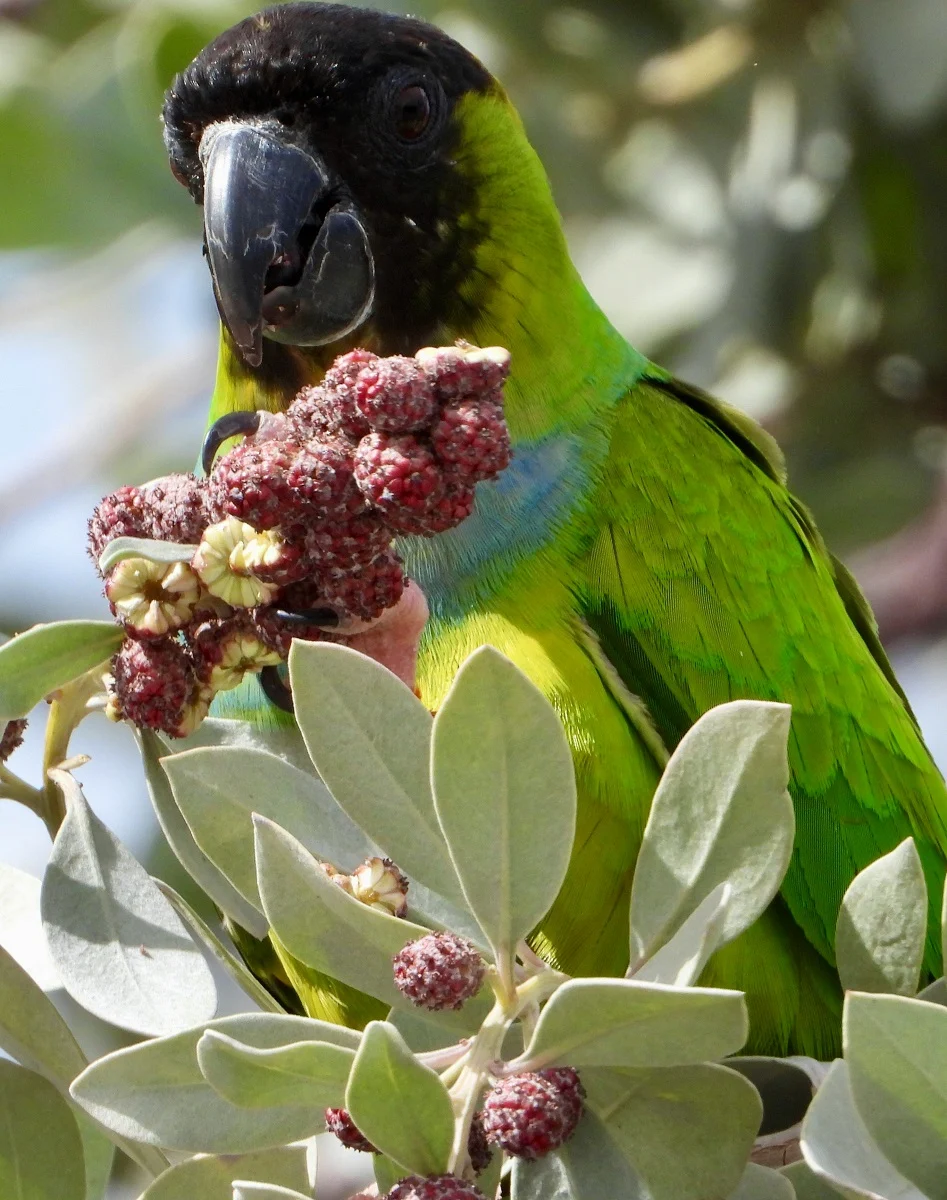
Thinking about adding a nanday conure to your family? These friendly and playful South American parrots can make great pets—but only for people with a very high tolerance for noise. Known for their striking appearance and engaging personalities, Nanday Conures, also frequently referred to as Black-Hooded Conures, are captivating avian companions that demand significant commitment due to their intelligence, social needs, and remarkable vocal prowess. Before welcoming one of these feathered friends into your home, it is imperative to understand their natural history, specific care requirements, and the implications of their long lifespan and boisterous nature. This guide provides an in-depth exploration of everything prospective owners need to know about these dynamic parrots, from their origins in the heart of South America to the intricacies of their daily care and the unique challenges they present.
Unveiling the Nanday Conure: Taxonomy and Appearance
The scientific classification of the Nanday Conure offers insight into its evolutionary journey and close relatives. Historically recognized within its own genus, Nandayus nenday, a pivotal study published in 2004 by Ribas and Miyaki provided molecular phylogenetic evidence leading to its reclassification. This research concluded that the Nanday Conure did not warrant a separate genus and instead belonged to Aratinga, a genus that includes other well-known and closely related species such as the Sun Conure (Aratinga solstitialis) and Jenday Conure (Aratinga jandaya). This reclassification highlights shared genetic lineage and common characteristics among these vibrant parrots, particularly their robust build and often loud vocalizations. The officially accepted scientific name is now Aratinga nenday.
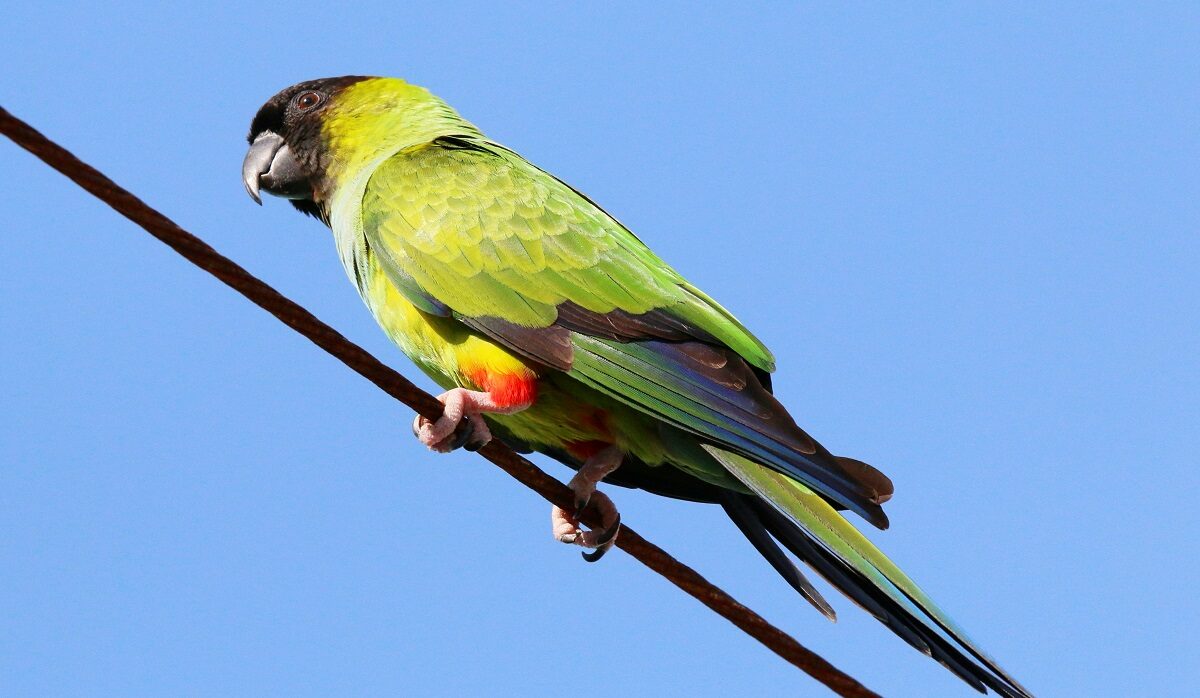
Visually, the Nanday Conure is an unmistakable parrot, living up to its "black-hooded" moniker. Its most prominent feature is a stark, glossy black head, creating a striking contrast against an otherwise predominantly bright emerald green body. This distinctive black hood extends down to the upper chest, often framed by a few brown feathers at the nape. The species is considered small to medium-sized among parrots, typically reaching up to 12 inches (30 cm) in length and weighing around 140 grams (approximately 5 ounces). Beyond the iconic hood, other notable features include a robust black beak, prominent white eye rings that accentuate their intelligent gaze, blue-green chest feathers that transition to a deeper green on the back, and vibrant red thighs. The underside of their tail feathers reveals a yellowish hue, visible during flight. This colorful plumage serves not only as a visual spectacle for human admirers but also plays a role in camouflage within their natural arboreal habitats and in communication among flock members.
Geographical Roots: Range and Natural Habitat
The Nanday Conure’s natural range is concentrated within a narrow band across central South America, primarily inhabiting the open lowlands up to an elevation of approximately 2,600 feet (800 meters). This geographical distribution extends through the heart of Paraguay, stretching into southern Brazil and eastern Bolivia, and reaching as far south as northern Argentina. Within these regions, Nanday Conures demonstrate a remarkable adaptability, thriving in environments that have been significantly altered by human activity. They are commonly found in former forests that have been converted into cattle pastures, as well as savannas, agricultural areas, and even suburban fringes.
Their preferred habitats are characterized by open landscapes dotted with palm trees, which are crucial for their survival. These palms, particularly species like Copernicia, provide safe nesting sites within their hollow trunks and also serve as a significant food source. The areas they inhabit can vary from swampy wetlands to relatively dry savannas, showcasing their resilience to diverse environmental conditions. In their native ecosystems, Nanday Conures play an ecological role as seed dispersers and pollinators, contributing to the health and propagation of various plant species, including the striking Erythrina dominguezii tree, whose nectar they consume.
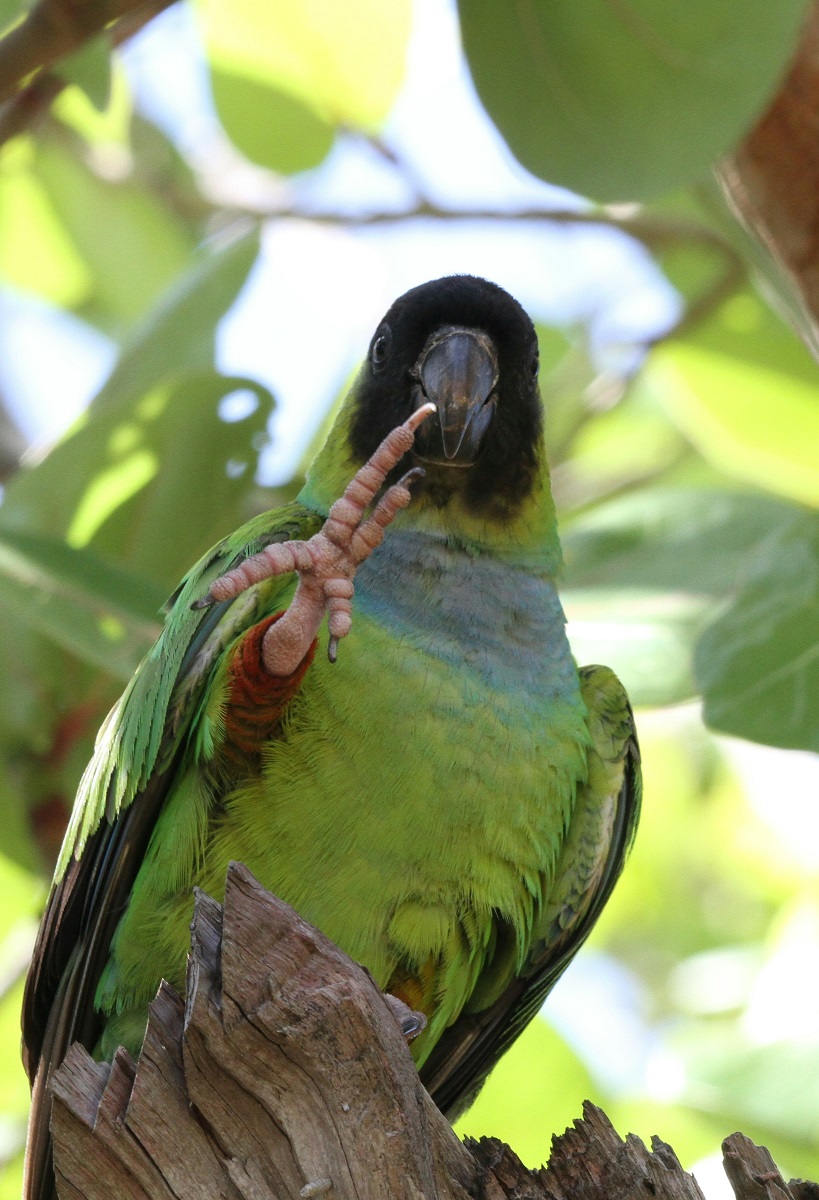
The conservation status of Aratinga nenday is currently classified as "Least Concern" by the International Union for Conservation of Nature (IUCN) Red List. This designation is somewhat unique, as many parrot species face declining populations. The IUCN report notes that the wild population size of Nanday Conures appears to be increasing, largely attributed to habitat changes resulting from human activities such as deforestation for agriculture and cattle ranching. While habitat modification often negatively impacts wildlife, in the case of the Nanday Conure, the creation of open, semi-forested landscapes with scattered palm trees has inadvertently provided them with expanded foraging and nesting opportunities. This adaptability to anthropogenic landscapes underscores their resilience but also contributes to another significant ecological phenomenon: their establishment as an invasive species in non-native territories.
The Invasive Paradox: Nanday Conures Beyond Their Borders
While thriving in their native lands, Nanday Conures present a complex ecological challenge in other parts of the world. Like many other highly adaptable parrot species, released or escaped pets have successfully established wild populations in numerous countries, turning them into invasive species. These feral flocks can be found flourishing in diverse urban and suburban environments, notably in regions of Spain, California, Florida, and other parts of the United States. In fact, a 2019 study by Uehling, Tallant, and Pruett-Jones identified the Nanday Conure as one of the top three most established naturalized parrot species in the U.S., highlighting the scale of this phenomenon.
The process typically begins when pet birds escape or are intentionally released, finding suitable climates and abundant food sources in their new surroundings. Their intelligence, social nature, and ability to forage on a variety of foods enable them to adapt quickly and reproduce. The implications of these invasive populations are multifaceted and can be detrimental to local ecosystems. Feral parrots can compete with native bird species for nesting sites, particularly hollow trees, and for food resources, potentially displacing local fauna. They may also contribute to crop damage in agricultural areas, leading to economic losses for farmers. Furthermore, there is a concern that introduced parrot species could transmit diseases to native bird populations, posing a risk to biodiversity.
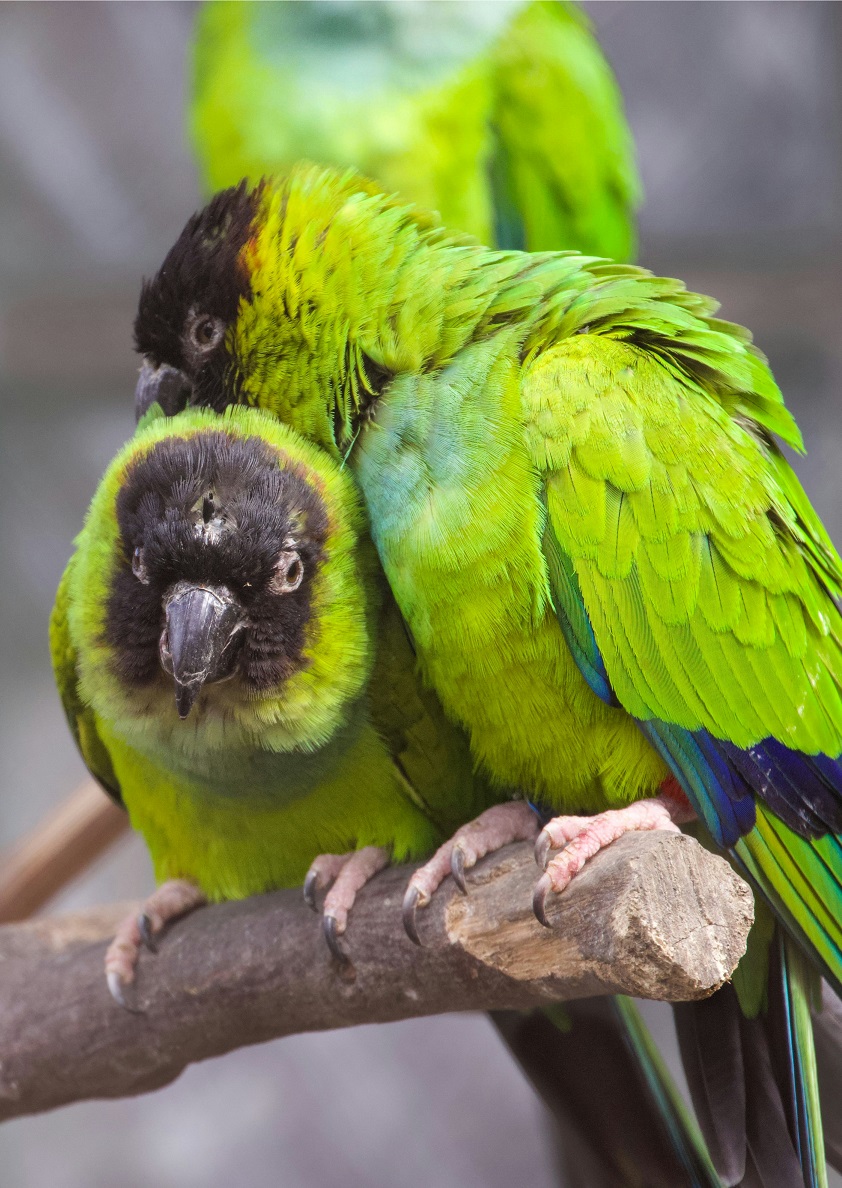
Local wildlife authorities and conservation organizations in affected areas often grapple with strategies to manage these growing invasive populations. These efforts can range from monitoring and public awareness campaigns to more direct interventions, though the efficacy and ethical considerations of managing established feral parrot populations remain subjects of ongoing debate among conservationists and local communities. The presence of Nanday Conures in non-native habitats serves as a stark reminder of the responsibilities associated with pet ownership and the potential long-term ecological consequences of exotic animal releases.
Nutritional Needs: A Diet for Longevity and Vitality
A comprehensive understanding of the Nanday Conure’s diet, both in the wild and in captivity, is paramount for ensuring their health and longevity. In their natural habitat, these parrots exhibit a highly varied and opportunistic diet. Their primary food sources include wild fruits, with a particular preference for those of the Copernicia palm, which are abundant in their native lowlands. Beyond fruits, they also consume a wide array of seeds, berries, flowers, and flower buds, showcasing their ability to adapt their foraging strategies to seasonal availability.
A fascinating aspect of their wild diet, as highlighted by a 2002 study by Ragusa-Netto, is their role as a pollinator for the Erythrina dominguezii tree

