


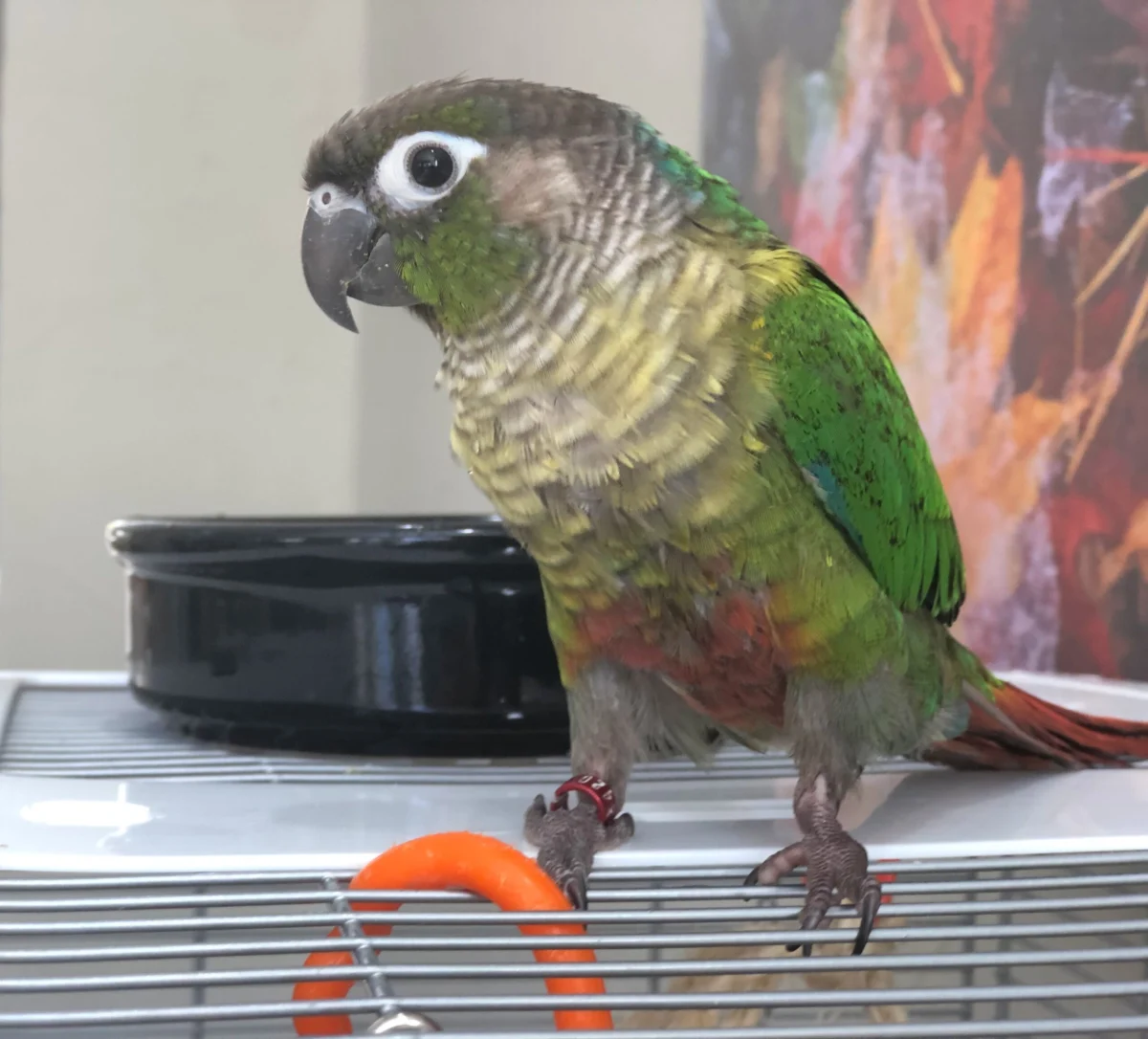
The well-being of indoor avian companions is often closely tied to their environment, with dry skin and feather discomfort emerging as common concerns, particularly during colder months or periods of molt. Owners frequently observe increased scratching, excessive feather dust, or general signs of unease, prompting a search for effective solutions. This guide aims to provide a thorough understanding of these issues, differentiating between normal avian behaviors and those warranting professional attention, while outlining actionable strategies for prevention and relief.
The Silent Struggle of Indoor Birds: Understanding Environmental Stressors
Many pet bird species, especially parrots, originate from tropical or subtropical regions where humidity levels consistently range between 60% and 80%. When these birds are housed indoors, particularly in climates requiring central heating or air conditioning, the ambient humidity can plummet to as low as 20-30%, or even lower. This stark contrast creates an arid environment that can significantly impact a bird’s delicate skin and intricate feather structure. The skin, much like human skin, can become dry, flaky, and itchy, while feathers lose their natural pliability, becoming brittle and prone to breakage. This environmental stress is a primary driver behind the discomfort owners frequently observe.
Understanding Avian Physiology: Why Humidity Matters
Avian skin, though covered by feathers, is a living organ that requires moisture to remain healthy. Feathers themselves are complex keratin structures that rely on moisture for flexibility, strength, and insulation. The preen gland (uropygial gland), located at the base of the tail, produces an oil that birds spread over their feathers during preening. While this oil helps waterproof and condition feathers, it cannot fully compensate for prolonged exposure to extremely dry air. In arid conditions, the feather barbs can become stiff, making preening more difficult and less effective. This can lead to increased dander production as dry skin flakes off and feathers become more brittle, breaking down into fine dust. The cumulative effect is a cycle of dryness, irritation, and discomfort that can escalate if left unaddressed.
Identifying the Signs: Normal Discomfort Versus Veterinary Concern
Distinguishing between typical avian grooming behaviors and signs of underlying problems is crucial for pet bird owners. A bird’s response to environmental changes, particularly dry air or molting, can manifest in several ways.
Usually Normal Signs (Often Exacerbated by Dry Air):
- Increased Preening without Damage: More frequent or prolonged preening sessions, often accompanied by gentle tugging or rubbing, but without visible feather destruction.
- Visible Feather Dust (Dander): An increase in fine white powder, especially from cockatoos, cockatiels, and African Greys, which produce more dander naturally. However, excessive amounts can indicate dry skin.
- Occasional Scratching: Gentle scratching with a foot or rubbing against perches to alleviate minor itchiness.
- Slight Fluffing: Brief periods of fluffing feathers after preening, which helps reset their structure.
- Pin Feather Irritation: During a molt, the emergence of new pin feathers can be inherently itchy. Birds may work at the sheaths to remove them.
Signs That Are Not Normal (Require Veterinary Consultation):
These symptoms are rarely caused by dry air alone and necessitate immediate professional veterinary care. Attempting home management for these signs is not recommended.
- Open Wounds or Bleeding Feathers: Any visible skin breaks, cuts, or active bleeding from feathers.
- Bald Patches or Significant Feather Loss: Areas of skin completely devoid of feathers, especially if not consistent with a normal molt pattern.
- Active Feather Breaking or Pulling: Obsessive chewing, breaking, or pulling out of feathers, leading to visible damage or denuded areas.
- Sudden Behavior Changes: Lethargy, decreased appetite, unusual vocalizations, or withdrawal.
- Signs of Pain or Discomfort: Excessive squawking during preening, guarding certain body parts, or reluctance to be handled.
- Weight Loss or Changes in Droppings: These can indicate systemic illness.
If any of these severe signs are observed, contacting an avian or exotics veterinarian without delay is paramount. Early intervention can significantly improve outcomes and prevent conditions from worsening.
The Role of Humidity: More Than Just a Bath
While baths offer temporary relief, consistent ambient humidity is the cornerstone of preventing and alleviating dry skin and feather issues. If itchiness rapidly returns after bathing, and the bird appears dusty or uncomfortable despite regular water exposure, a chronic dry air problem is likely at play.
Optimal Bathing Strategies: Empowering Your Bird
Many birds are particular about their bathing routines. Forcing a bath can be counterproductive, leading to fear and resistance. Avian veterinarians widely recommend offering daily bathing opportunities, allowing the bird to choose when and how they wish to interact with water. This approach fosters a positive association with bathing and significantly reduces stress.
Effective Bathing Methods to Offer:
- Shallow Water Dish: A wide, shallow ceramic or stainless steel dish placed on the cage floor or a sturdy platform.
- Wet Leafy Greens: Offering fresh, washed, wet greens like romaine lettuce, kale, or parsley can encourage birds to rub against them, transferring moisture to their feathers.
- Shower Perch: Many birds enjoy showering with their owners. A specialized shower perch allows them to participate in a steamy environment.
- Gentle Misting: A fine, room-temperature mist from a clean spray bottle, directed upwards to fall gently like rain, rather than a direct blast.
- Humidifier or Steamy Bathroom: Allowing the bird to spend time in a room with a humidifier or a steamy bathroom (supervised, of course) can provide passive moisture exposure.
Key Principle: Daily access to bathing options is beneficial. Forcing a bath is detrimental. When birds are given autonomy over their bathing, it typically ceases to be a struggle and becomes a natural part of their self-care routine.
Starting with Safe Winter Bathing Basics:
During colder months, the goal of bathing is comfort, not saturation. It is critical that birds are never left chilled after a bath.
- Warm Room, No Drafts: Ensure the bathing area is warm and free of cold air currents.
- Comfortably Warm Water: Use water that is lukewarm, not cold or hot.
- Allow Self-Drying: Provide a warm, draft-free space for the bird to air dry naturally. A gentle heat lamp, positioned at a safe distance, can be used if absolutely necessary for rapid drying, but extreme caution must be exercised to prevent overheating.
If Feathers Look Dusty and Skin Seems Dry:
Beyond direct bathing, environmental modifications are crucial for increasing ambient humidity.
- High-Quality Humidifier: Invest in a clean humidifier and maintain it diligently to prevent mold or bacterial growth. Aim for an indoor humidity level of 50-60%.
- Shallow Water Bowls: Place multiple shallow bowls of water near the cage, away from direct sunlight, to allow for natural evaporation.
- Misting Plants: Lightly mist bird-safe indoor plants; the evaporating water contributes to room humidity.
- Avoid Cold Drafts: Ensure the bird’s cage is not positioned near windows or vents that could expose it to cold drafts, which can exacerbate dryness and chilling.
Beyond the Environment: Nutritional Considerations
If environmental adjustments and gentle bathing practices do not yield significant improvement within a week or two, nutritional deficiencies may be contributing to the problem, especially in birds maintained on seed-heavy diets. Seed-only diets are notoriously lacking in essential vitamins and minerals crucial for healthy skin and feather development.
Key Nutrients for Feather and Skin Health:
- Vitamin A: Essential for epithelial tissue health, including skin and mucous membranes. Deficiency can lead to dry, flaky skin and poor feather quality.
- Vitamin E: A powerful antioxidant that supports skin health and immune function.
- Omega Fatty Acids (Omega-3 and Omega-6): Crucial for maintaining skin barrier function, reducing inflammation, and promoting healthy feather sheen. These are often deficient in standard seed mixes.
When considering nutritional supplementation, a conservative and consistent approach is vital. Small, careful additions over time are more effective and safer than introducing multiple products simultaneously. Owners should always follow product instructions and observe their bird’s response over several weeks, adjusting gradually as needed. Nutritional support is intended to complement good husbandry, not replace a balanced diet or veterinary care.
Molting Season: A Critical Period for Feather Health
Molting is a natural physiological process during which birds replace old, worn feathers with new ones. While essential, it can be a particularly uncomfortable time, especially when coupled with dry indoor air. New feathers, known as pin feathers, emerge from the skin encased in a keratin sheath. If the skin is dry and tight, the emergence of these pins can feel intensely itchy or even painful. Birds will naturally preen more during a molt to help remove these sheaths, but in an arid environment, this can become an obsessive and potentially damaging behavior.
Preventing Progression to Problematic Behavior:
Early and consistent support for skin comfort during a molt is paramount. By alleviating the initial irritation, owners can reduce the urge for excessive scratching and over-preening. Comfortable skin facilitates easier feather growth, which in turn lowers the risk of normal grooming escalating into a habit or a self-fixation, potentially leading to feather plucking or destruction. Minor interventions initiated early often yield better results than more intensive treatments later.
Early Signs Worth Paying Attention To (During Molt):
- Slightly Frayed Feather Edges: Minor damage to new feathers from excessive preening.
- Minor Skin Redness: Localized irritation around emerging pin feathers.
- Prolonged Preening Sessions: Preening that seems unusually long or intense.
- Increased Pin Feather Irritation: The bird persistently picks at pin feathers without effectively removing sheaths.
- Attempts to Pull at Pin Feather Sheaths: More aggressive attempts to remove sheaths, potentially leading to minor damage.
These signs are indicators to adjust support and increase comfort, not reasons for panic. However, they highlight the importance of proactive measures. It is important to note that dry air alone typically does not cause severe feather destruction. When feather damage escalates to active breakage or pulling, there are usually more complex underlying factors at play beyond humidity or bathing.
When to Seek Professional Help: Recognizing the Red Lines
While environmental and nutritional adjustments can significantly help in the early stages, recognizing when to consult an avian veterinarian is critical. Early intervention is key to preventing minor issues from escalating into serious health problems.
Call a Vet Immediately If You See:
- Open Wounds or Bleeding Feathers: Any instance of active bleeding or breaks in the skin.
- Bald Patches or Abnormal Feather Loss: Any areas of feather loss not attributable to a normal, symmetrical molt.
- Active Feather Breaking or Pulling: Obsessive plucking, chewing, or mutilation of feathers or skin.
- Sudden Behavioral Changes: Any unexplained shifts in appetite, activity level, vocalization, or social interaction.
- Lethargy, Weight Loss, or Poor Appetite: These are non-specific signs of illness that require urgent veterinary attention.
- Discharge from Eyes, Nostrils, or Vent: Indicates potential infection or systemic illness.
Do Not Wait If:
- Bleeding is Present: Any form of active hemorrhage.
- Self-Mutilation is Occurring: The bird is actively harming itself.
- Signs of Severe Pain: The bird appears distressed, hunched, or reluctant to move.
Why Timing Matters:
Prompt veterinary attention can prevent minor issues from becoming chronic conditions. Early diagnosis allows for targeted treatment, potentially avoiding more invasive procedures or long-term behavioral issues that are more challenging to resolve. Avian health conditions can deteriorate rapidly, making timely professional assessment paramount.
Proactive Care for Lasting Avian Well-being
The goal of managing dry skin and feather discomfort in indoor birds is multifaceted: to support overall comfort, reduce irritation, and empower the bird with control over its self-care, while understanding the limits of home interventions.
Expected Outcomes:
- Mild and Seasonal Issues: With improved comfort measures, owners should observe a reduction in scratching and calmer preening within one to two weeks.
- Molt-Related Discomfort: Feather comfort will gradually improve over several weeks as new, healthy feathers grow in and the molting process concludes.
- If Nothing Improves: If no noticeable improvement occurs after a week or two of consistent environmental and nutritional adjustments, it is imperative to consult with an avian veterinarian.
The health of indoor birds is a direct reflection of their environment and care. By proactively addressing humidity, offering appropriate bathing opportunities, ensuring nutritional adequacy, and recognizing the critical signs that warrant professional veterinary intervention, owners can significantly enhance their avian companions’ quality of life, fostering happier, healthier birds with vibrant feathers and comfortable skin.
References:
- Chen et al., Frontiers in Physiology (2020)
- Cooper & Harrison, Avian Medicine: Principles and Application
- Lightfoot, Merck Veterinary Manual (2024)
- Association of Avian Veterinarians (AAV) guidelines on avian husbandry.
Diane Burroughs, LCSW – licensed psychotherapist, ABA-trained behavior specialist, and avian wellness educator. With 30+ years of hands-on experience, Diane focuses on nutrition and behavior-first, science-backed care for pet birds.

