


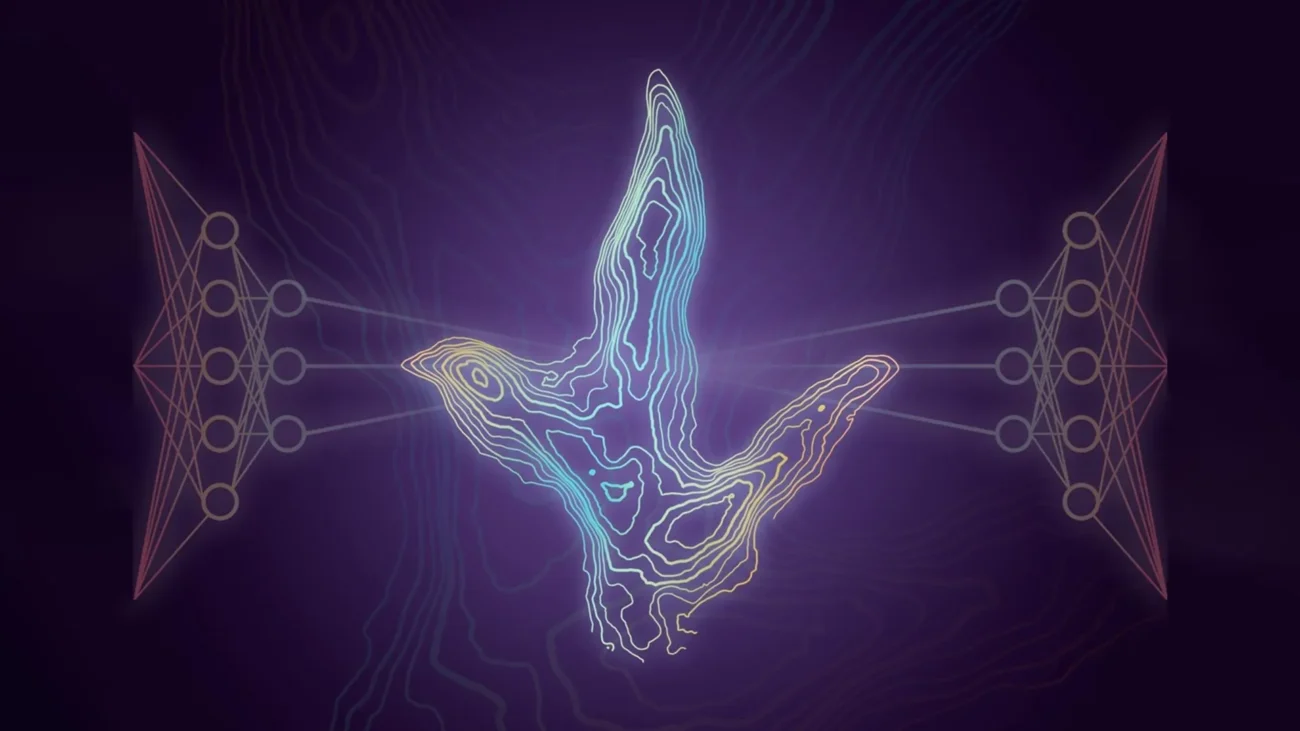
A groundbreaking artificial intelligence (AI) application is poised to transform the field of paleontology, offering scientists and the public an unprecedented tool for identifying dinosaur footprints that have perplexed researchers for generations. This innovative technology, detailed in a recent scientific study, promises to bring clarity to the enigmatic fossilized tracks that offer invaluable insights into prehistoric life. The development marks a significant leap forward from traditional methods, potentially rewriting our understanding of dinosaur evolution and the ancient ecosystems they inhabited.
The Enduring Challenge of Fossilized Tracks
For decades, paleontologists have meticulously studied ancient footprints, often engaging in vigorous debate about the identities of the creatures that left them behind. These fossilized impressions are more than just ancient imprints; they are vital clues to the behavior, locomotion, and even the evolutionary lineage of extinct animals. However, interpreting these tracks has been a persistent challenge. Their shapes can be significantly altered by geological processes over millions of years, including erosion, sedimentation, and fossilization itself. This distortion often blurs the lines between the tracks of different species, leading to uncertainty about whether a particular print belonged to a fearsome meat-eating theropod, a gentle herbivorous sauropod, or even the earliest ancestors of birds.
Historically, the identification process relied heavily on the expertise of seasoned paleontologists, who would compare new discoveries to existing databases of known footprints. While this method has yielded significant discoveries, it was inherently subjective and prone to human bias. When confronted with ambiguous or disputed tracks, experts might arrive at different conclusions, hindering definitive classification and slowing the pace of research. The limitations of these manual, often database-driven, approaches underscored the need for a more objective and systematic method.
DinoTracker: Transforming Photos into Instant Analysis
The advent of the DinoTracker app heralds a new era in this challenging field. Developed through a collaboration between researchers at the Helmholtz-Zentrum research centre in Berlin and the University of Edinburgh, this AI-powered application allows users to upload photographs or even drawings of fossilized footprints via a smartphone. Within moments, the app provides an immediate analysis, evaluating the intricate shape and structural characteristics of the track to suggest the most probable dinosaur species responsible.
This immediate feedback loop is a significant departure from traditional methods, which often involved lengthy comparative studies and expert consultations. The DinoTracker app democratizes access to paleontological analysis, enabling amateur enthusiasts and citizen scientists to contribute to research alongside professional paleontologists. This wider engagement could lead to the discovery and documentation of previously overlooked fossil sites and specimens.
The Science Behind the Algorithm: Learning from Millions of Examples
The development of DinoTracker was rooted in the creation of sophisticated algorithms capable of independent learning. Unlike previous methods that relied on manually curated databases, the AI system was trained on a massive dataset comprising nearly 2,000 real fossil footprints. Crucially, this was augmented by millions of simulated examples. These simulated tracks were meticulously crafted to replicate the realistic variations and distortions that occur during the fossilization process, such as compression, stretching, and the displacement of sediment around the edges of the imprint.
This extensive training allowed the AI model to move beyond simple pattern matching and develop a nuanced understanding of the subtle variations that differentiate dinosaur footprints. The system learned to recognize eight key morphological features that are critical for identification. These include the spread of the toes, the position of the heel, the overall surface area of contact with the ground, and the distribution of weight across different parts of the foot. By analyzing these features in combination, the AI can create a detailed profile of a footprint.
Unprecedented Accuracy and the Surprise of Avian Links
When evaluated against classifications made by human experts, the DinoTracker algorithm demonstrated an impressive accuracy rate of approximately 90 percent. This level of precision is particularly noteworthy given that it extends to species that are notoriously difficult to identify, often subject to ongoing scientific debate. The AI’s objective, data-driven approach provides a powerful tool for resolving long-standing taxonomic uncertainties surrounding fossil tracks.
Perhaps one of the most startling revelations emerging from the AI’s analysis pertains to tracks dating back over 200 million years. The system identified striking similarities between some of these ancient dinosaur footprints and the feet of both extinct and modern birds. This discovery has profound implications for our understanding of avian evolution. One interpretation suggests that the lineage leading to birds may have emerged tens of millions of years earlier than previously estimated. Alternatively, it is possible that some early dinosaurs coincidentally evolved foot structures that closely resembled those of birds. Regardless of the precise explanation, these findings open exciting new avenues for research into the origins of flight and the evolutionary pressures that shaped early avian ancestors.
Illuminating Mysteries from Scotland’s Isle of Skye
The DinoTracker app has also shed new light on enigmatic footprints discovered on the Isle of Skye in Scotland. These tracks, formed approximately 170 million years ago along the muddy edge of a lagoon, have puzzled paleontologists for decades. The AI’s analysis suggests that these mysterious impressions may have been left by some of the earliest known relatives of duck-billed dinosaurs. If confirmed, this would make them among the most ancient examples of this significant group of ornithischian dinosaurs discovered anywhere in the world, pushing back the known timeline for their diversification.
The Isle of Skye, with its rich fossil record spanning the Jurassic period, has long been a treasure trove for paleontologists. The discovery of these ancient footprints adds another layer to the island’s prehistoric narrative, offering clues about the composition of its ancient ecosystems and the evolutionary journey of dinosaur lineages. The ability of AI to analyze these historically challenging fossils underscores its potential to unlock secrets from sites that have long defied definitive interpretation.
A Timeline of Discovery and Development
The journey leading to the DinoTracker app is a testament to incremental scientific progress and collaborative innovation. The fundamental research into dinosaur track identification has been ongoing for centuries, with early paleontologists meticulously documenting and attempting to classify fossil footprints.
- 19th and Early 20th Centuries: The foundational work of early paleontologists laid the groundwork for understanding dinosaur anatomy and behavior through fossil evidence, including footprints. Early attempts at classification were largely based on morphology and comparisons with extant animals.
- Mid- to Late 20th Century: The development of more sophisticated paleontological techniques and the discovery of new fossil sites led to the creation of extensive databases of dinosaur fossils and footprints. Computerized databases began to emerge, allowing for more systematic comparisons, though still heavily reliant on human input and interpretation.
- Early 21st Century: Advancements in artificial intelligence and machine learning technologies began to be explored for various scientific applications. Researchers started investigating the potential of AI to analyze complex biological data.
- Recent Years: The specific collaboration between the Helmholtz-Zentrum research centre and the University of Edinburgh intensified, focusing on applying AI to the problem of dinosaur footprint identification. This involved developing specialized algorithms and training them on extensive datasets.
- Present Day: The publication of the study detailing the DinoTracker app and its successful application marks a significant milestone, signaling a new era of AI-driven paleontological research.
Official Responses and Expert Endorsements
The researchers behind the DinoTracker app have expressed optimism about its potential to revolutionize paleontological research. Dr. Gregor Hartmann of the Helmholtz-Zentrum research centre highlighted the method’s objectivity: "Our method provides an unbiased way to recognize variation in footprints and test hypotheses about their makers. It’s an excellent tool for research, education, and even fieldwork." This emphasis on objectivity is crucial for moving beyond the subjective biases that have sometimes clouded interpretations of fossil evidence.
Professor Steve Brusatte, Personal Chair of Palaeontology and Evolution at the School of GeoSciences, echoed this sentiment, describing the study as an "exciting contribution for paleontology and an objective, data-driven way to classify dinosaur footprints—something that has stumped experts for over a century." He further elaborated on the far-reaching implications: "It opens up exciting new possibilities for understanding how these incredible animals lived and moved, and when major groups like birds first evolved. This computer network might have identified the world’s oldest birds, which I think is a fantastic and fruitful use for AI." The endorsement from a prominent figure in paleontology underscores the significance of this technological advancement.
The funding for this groundbreaking research came from a consortium of influential scientific organizations, including the innovations pool of the BMBF-Project: Data-X, the Helmholtz project ROCK-IT, the Helmholtz-AI project NorMImag, the National Geographic Society, and the Leverhulme Trust. This broad support reflects the widespread recognition of the project’s potential to advance scientific understanding.
Broader Impact and Implications for the Future of Paleontology
The DinoTracker app represents more than just an improved identification tool; it signifies a paradigm shift in how paleontological research can be conducted. By democratizing access to sophisticated analytical capabilities, it empowers a wider range of individuals to participate in scientific discovery. This could lead to a surge in citizen science initiatives, where amateur enthusiasts contribute valuable data from their local regions, potentially uncovering new fossil sites and specimens.
The implications for education are also profound. Students and educators can now engage with fossil evidence in a more interactive and dynamic way, fostering a deeper understanding of evolutionary processes and the history of life on Earth. The app can serve as a valuable educational resource, bringing paleontology to life for a new generation.
Furthermore, the AI’s ability to process vast amounts of data and identify subtle patterns that might elude human observation has the potential to accelerate the pace of discovery. It can help researchers prioritize specimens for further study, refine evolutionary hypotheses, and potentially uncover entirely new insights into dinosaur behavior, migration patterns, and ecological interactions. The objective nature of AI analysis also provides a robust framework for testing long-standing hypotheses and resolving persistent debates within the paleontological community. As AI continues to evolve, its integration into fields like paleontology is likely to yield even more transformative discoveries, pushing the boundaries of our knowledge about the ancient world and our place within the grand tapestry of life. The DinoTracker app is a compelling example of how cutting-edge technology can unlock the secrets of the deep past, making the mysteries of millions of years ago accessible and understandable to all.

