


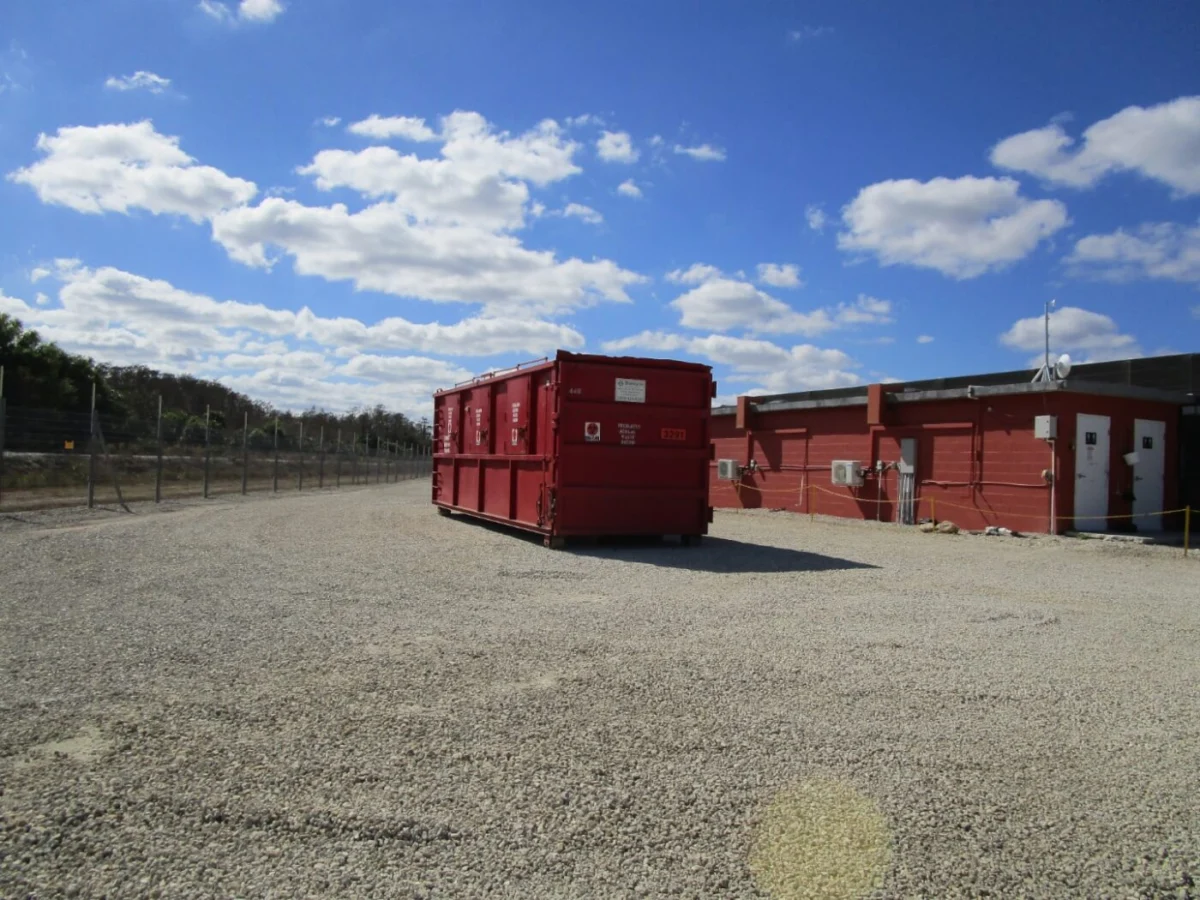
Florida state authorities have filed criminal charges against Mark Moshe Bushmitz, the president of the Immokalee-based monkey importation firm BC US, following an investigation into an incident where a laboratory-bound primate was mistakenly discarded in a biohazard waste container. The Florida Fish and Wildlife Conservation Commission (FWC) issued a second-degree misdemeanor charge against Bushmitz for the escape of wildlife, an incident that has sparked intense scrutiny from animal welfare organizations and federal regulators alike. The charge, which carries a potential penalty of up to 60 days in jail and a $500 fine, marks a significant escalation in the legal repercussions facing the Florida importation facility.
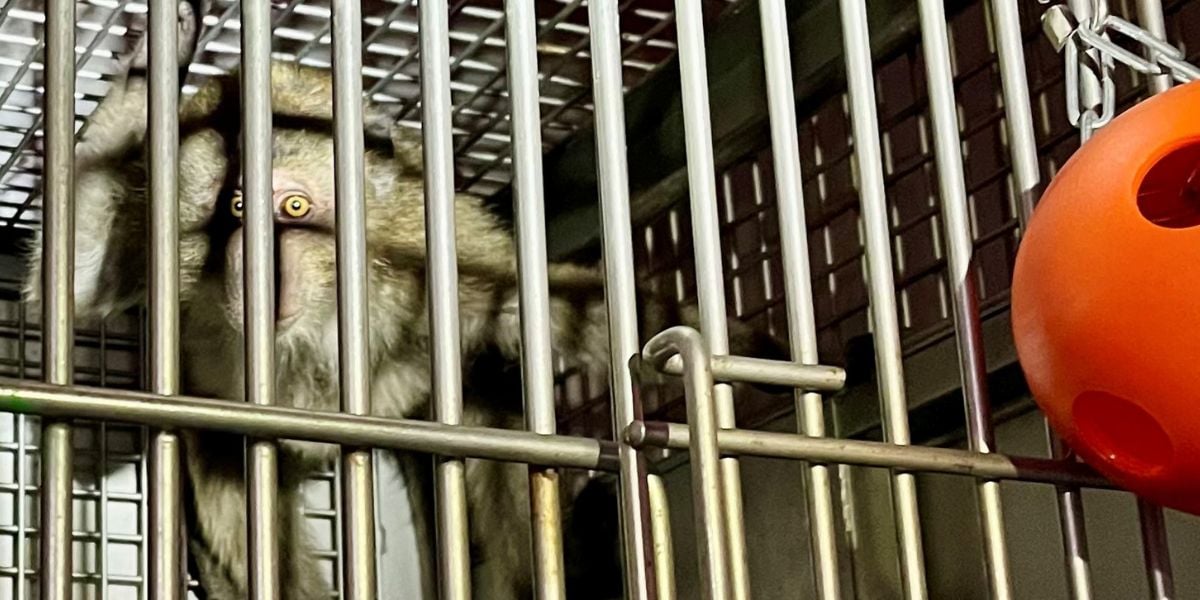
The criminal filing is the culmination of a series of investigations triggered by the discovery of a long-tailed macaque at a medical waste facility in Miami, hundreds of miles away from the BC US quarantine site in Immokalee. According to state and federal records, the monkey had arrived in the United States following a grueling 28-hour flight from overseas, intended for use in biomedical research. However, instead of being transferred to a mandatory quarantine enclosure as required by the Centers for Disease Control and Prevention (CDC), the animal was inadvertently tossed into a biomedical waste dumpster. The primate remained trapped inside the container for five days, surviving without food or water while being transported across the state, before being discovered by workers at a Stericycle facility.
Chronology of the Incident and Subsequent Discovery
The sequence of events began in January 2026, when a shipment of primates arrived at the BC US facility. The facility serves as a transitional hub where imported monkeys are held in quarantine before being sold to various laboratories across the United States. Under federal guidelines, these animals must undergo rigorous health screenings to prevent the introduction of zoonotic diseases into the domestic population.
During the intake process, staff members reportedly failed to account for one of the macaques. Documents obtained through public records requests indicate that the animal was placed into a shipping crate that was mistakenly flagged as empty or waste. The crate, containing the live monkey, was then discarded into a large red biohazard dumpster located on the facility grounds.
For the next five days, the monkey remained inside the dumpster, exposed to fluctuating temperatures and the dark, hazardous environment of medical waste. It was not until the dumpster was collected by a third-party waste management company and transported to a processing center in Miami that the animal was found. Upon arrival at the Stericycle facility, the monkey managed to escape the container, leading to a brief period where the animal was loose within the waste plant. Eventually, the primate was recaptured and returned to BC US. However, records indicate that the animal was subsequently euthanized by the company, a move that critics argue was a final act of negligence following the trauma the animal had already endured.
Federal Oversight and Critical Citations
The state-level criminal charge against Bushmitz follows a parallel investigation by the U.S. Department of Agriculture (USDA). Following a whistleblower report, USDA inspectors conducted a site visit at the Immokalee facility, resulting in a "critical citation" for violations of the federal Animal Welfare Act. The USDA report highlighted the facility’s failure to maintain an accurate headcount and its lack of oversight during the handling of newly arrived animals.
This was not the only significant failure documented at the facility in early 2026. In a separate but equally concerning incident, two other monkeys were found dead at the BC US site after being left overnight in a room where the heating system had malfunctioned, causing temperatures to soar to 104 degrees Fahrenheit. The USDA issued another critical citation for this incident, noting that the facility lacked the necessary monitoring systems to prevent such a catastrophic environmental failure.
The combination of these events has led to a broader discussion regarding the adequacy of oversight for the primate importation industry. While the USDA and FWC provide some level of monitoring, animal rights groups, most notably People for the Ethical Treatment of Animals (PETA), argue that the current penalties are insufficient to deter future negligence. PETA has formally called upon the FWC to revoke BC US’s wildlife permit entirely, citing the "endangerment of public health and safety" and the "repeated violation of permit provisions."
Public Health Risks and Zoonotic Concerns
The escape and mishandling of imported primates carry significant risks beyond animal welfare. Long-tailed macaques, the species most commonly imported for research, are known carriers of various pathogens that can be transmitted to humans. These include the Macaque B-virus (Cercopithecine herpesvirus 1), which, while mild in monkeys, is often fatal to humans if not treated immediately.
Furthermore, imported primates can carry tuberculosis, salmonella, and various parasitic infections. The CDC mandates a strict 31-day quarantine period for all imported nonhuman primates specifically to mitigate these risks. When a monkey is "lost" in the waste stream or escapes into a public or industrial space, it bypasses these critical biosafety protocols. The fact that the monkey in the BC US incident was transported across Florida in a waste truck and then escaped into a Miami facility represents a significant breach of biocontainment that could have had severe public health implications.
The Landscape of Primate Importation in Florida
Florida has become a central hub for the primate importation industry due to its climate and logistical infrastructure. Companies like BC US operate large-scale facilities that process thousands of monkeys annually. These animals are primarily sourced from breeding farms in Southeast Asia, particularly Cambodia, and Mauritius. The industry has faced increasing pressure in recent years, not only from animal welfare advocates but also from international law enforcement.
In 2022, the U.S. Department of Justice indicted several Cambodian forestry officials and executives from a major primate supplier for their roles in a "monkey-laundering" scheme, where wild-caught macaques were allegedly falsely labeled as captive-bred to circumvent international trade laws. This legal turmoil has tightened the global supply of research primates, leading to higher prices and, some argue, a "rush" in processing that leads to the type of negligence seen at the Immokalee facility.
The financial stakes in the primate trade are high. A single long-tailed macaque can sell for upwards of $20,000 to $30,000 in the current market, driven by demand from pharmaceutical companies and government-funded research projects. Critics argue that the high profitability of the industry often takes precedence over the welfare of the animals and the safety of the workers handling them.
Analysis of Regulatory Implications
The criminal charge against Mark Moshe Bushmitz is relatively rare in the world of laboratory animal suppliers. Typically, violations of the Animal Welfare Act result in administrative fines or temporary suspensions of licenses. By pursuing a second-degree misdemeanor charge under state wildlife laws, Florida authorities are signaling a lower tolerance for "escapes" that result from gross negligence.
Legal experts suggest that while a $500 fine may be negligible for a multi-million-dollar company, the threat of jail time for an executive and the potential loss of a state wildlife permit could serve as a more effective deterrent. If the FWC decides to revoke BC US’s permit, it would effectively shut down the company’s operations in the state of Florida, as they would no longer have the legal authority to possess or transport wildlife.
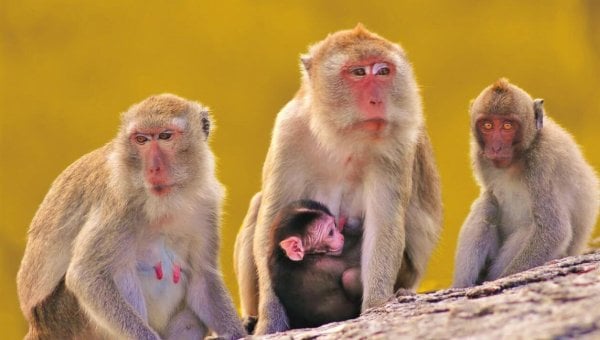
However, the industry remains resilient. Proponents of animal research argue that nonhuman primates are essential for the development of vaccines and treatments for diseases like Alzheimer’s, Parkinson’s, and COVID-19. They contend that while accidents are regrettable, the overall benefit to human medicine outweighs the risks. This tension between biomedical progress and animal ethics remains at the heart of the ongoing debate.
Broader Impact and the Call for Modernization
The incident at BC US has added momentum to the "Research Modernization" movement, which advocates for a transition away from animal models in favor of human-relevant methods. These include "organ-on-a-chip" technology, sophisticated computer modeling, and the use of human stem cells. Supporters of this movement argue that animal models, particularly in the case of primates, are not only ethically problematic but often fail to accurately predict human responses in clinical trials.
The U.S. Department of Health and Human Services (HHS) has faced increasing calls to re-evaluate the "forest-to-laboratory pipeline." The logistical nightmare of shipping sentient beings halfway across the globe, only to have them die in dumpsters or overheated rooms, is being used as a primary example of why the current system is considered by many to be "archaic."
As the legal proceedings against Bushmitz move forward in the Florida court system, the case will likely serve as a benchmark for how state and federal agencies handle corporate negligence in the primate trade. For now, the Immokalee facility remains under intense surveillance, with the shadow of the "dumpster monkey" incident serving as a grim reminder of the vulnerabilities inherent in the global trade of live animals. The final resolution of this case—whether it results in a simple fine or the total revocation of operating permits—will have lasting implications for the future of primate importation in the United States.

