


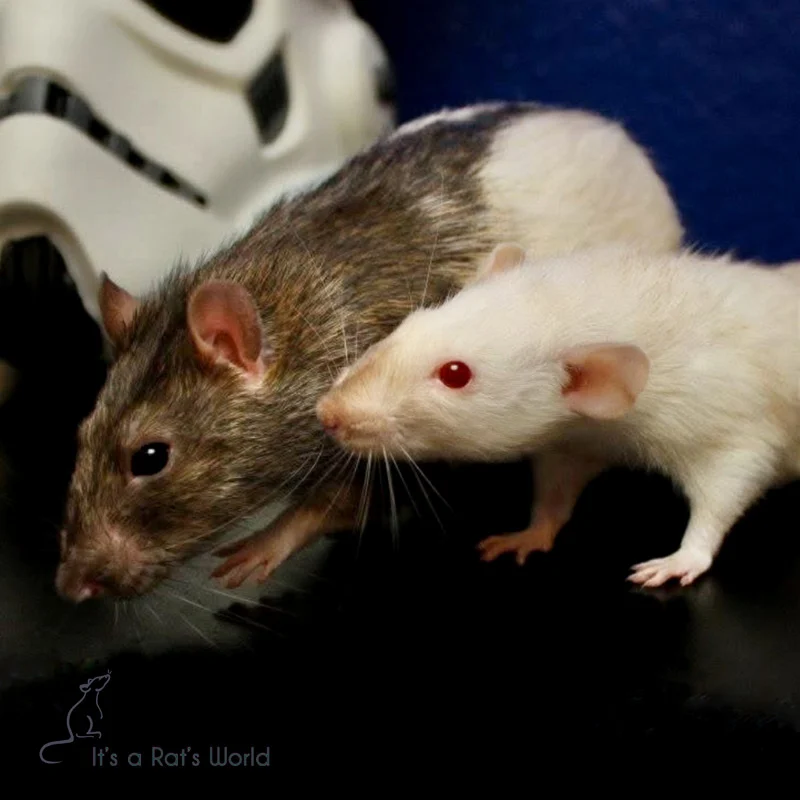
A common query among individuals contemplating the addition of rats to their households revolves around selecting between male and female companions. While the sentiment that "either can be great" is widely held, a deeper dive into the nuanced differences between male and female rats reveals distinct characteristics that may influence a potential owner’s decision. This article aims to provide a comprehensive and objective overview, drawing upon anecdotal evidence, scientific observations, and expert insights to equip prospective owners with the information necessary to make an informed choice.
Understanding the Fundamental Differences: Size and Scent
Physical Distinctions:
The most immediately apparent physical difference between male and female rats lies in their size. On average, male rats tend to be larger and more robust than their female counterparts. Adult males typically measure between 10 to 12 inches in length, excluding their tails, and weigh approximately 450 to 650 grams (about 1 to 1.4 pounds). In contrast, females generally range from 9 to 10 inches in length (tail excluded) and weigh between 350 to 450 grams (approximately 12.3 ounces to 1 pound). However, it is crucial to acknowledge that these are averages, and individual variations are common. Factors such as breed, diet, and genetics can lead to significant divergences from these norms. For instance, some male rats may be smaller than average females, while certain females can attain considerable size. Anecdotal evidence suggests that some exceptional male rats can weigh as much as 2 pounds (907 grams), with groups of brothers reaching around 850 grams (approximately 1.8 pounds) each.
Another observable physical distinction is coat texture. Adult male rats, particularly intact ones, often produce a greater amount of oil on their backs, a substance commonly referred to as "buck grease." This oily secretion, typically orangish-yellow, can sometimes lead to a coarser fur texture and may necessitate occasional grooming or bathing if it causes skin irritation. While this is more prevalent in intact males, neutering can often mitigate the production of buck grease, leading to softer fur. Female rats, in general, tend to have softer coats.

Aromatic Characteristics:
Beyond physical traits, male and female rats exhibit distinct scent profiles, a phenomenon that many experienced owners can readily identify. Intact female rats are often described as having a pleasant, slightly sweet aroma, frequently likened to grape soda or fabric softener, sometimes with subtle floral undertones. This fragrance is a natural characteristic of their pheromones.
Intact male rats, on the other hand, possess a more pungent scent, often described as reminiscent of warm corn tortillas or tortilla chips. While this may sound unappealing, many owners find it to be surprisingly agreeable and a characteristic marker of their male companions. This scent is primarily due to hormones and can be more pronounced in some individuals. Notably, neutering male rats often results in a significant reduction or elimination of this distinct aroma, with many transitioning to a scent profile more akin to that of females, often described as flowery and grape-like.
The practice of "huffing," or deeply inhaling the scent of one’s rat, is not uncommon among dedicated rat enthusiasts. This behavior underscores the unique olfactory bond that can develop between owners and their pets. However, it is important to note that both sexes can occasionally engage in behaviors that lead to unpleasant odors, such as "marinating" in soiled bedding, a habit more commonly observed in males. Regular cage cleaning and spot cleaning of soiled areas are essential for maintaining a fresh environment.
Personality and Behavioral Tendencies: A Closer Look
While generalizations about personality can be tricky, certain behavioral patterns are often observed to differ between male and female rats.
Energy Levels and Cuddliness:
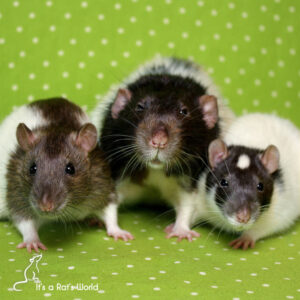
A common perception is that male rats are more laid-back and inclined to cuddle, while females are more energetic, agile climbers, and less prone to prolonged periods of close contact. However, personal experiences often challenge these broad assumptions. While it is true that male rats can become notably more sedentary as they age, particularly after neutering, young males are typically quite active. Furthermore, a rat’s desire to be held or to rest upon its owner is highly individualistic and not solely dictated by sex. Some males may prefer to simply be in close proximity to their owners rather than being held.
Similarly, while some female rats, like the anecdotal example of Leeloo, may exhibit exceptionally high energy levels, many other females can become as docile and "couch-potato-like" as their male counterparts, especially as they mature. It is important to consider that many pet rats available for adoption may have already undergone spaying or neutering, which can influence their hormonal behavior and energy levels. For females, being spayed before sexual maturity can mean missing out on the hormonal shifts associated with heat cycles, which can include restlessness and agitation. Females typically cycle every four to five days, a biological rhythm that can contribute to periods of heightened activity. Ultimately, an individual rat’s propensity for cuddling and its energy levels are often more dependent on its unique personality, upbringing, and health than on its sex.
Social Maturity and Territoriality:
A more significant behavioral divergence can be observed in social maturity and territorial marking. Rats reach sexual maturity around 6 to 8 weeks of age. However, social maturity, the period during which their adult personalities and social behaviors solidify, typically occurs between 5 to 9 months for males. During this transitional phase, some male rats may experience a temporary personality shift. This can manifest as increased agitation, irritability, and a greater propensity for aggression towards cagemates or even their owners. While this behavior is not universal, it is a recognized phenomenon that can be addressed through interventions such as neutering, which often significantly calms aggressive tendencies.

Introductions of new rats into an established group, particularly when introducing males to other males, can be a more challenging process. Intact males, even those who are generally docile, can exhibit territorial behaviors and may become aggressive when encountering new rivals. This can necessitate careful and patient introduction protocols, and in some cases, may require the separation of groups or neutering to ensure peaceful cohabitation. While female rats can also be territorial and may resist new additions, introductions between females or between males and females are generally considered less fraught with potential conflict than male-to-male introductions.
Urine Marking and Litter Training:
Another notable behavioral difference lies in urine marking. Intact male rats are significantly more inclined to mark their territory, including their owners and perceived possessions, with urine. While some males may reduce or cease this behavior once they are settled, others may continue throughout their lives. Female rats exhibit a much lower tendency to urine mark.
In terms of litter box training, female rats are often considered easier to train than males. However, it is important to manage expectations, as neither sex typically achieves 100% litter box compliance. Consistent positive reinforcement and appropriate litter box placement are key to successful training for both male and female rats.
The Impact of Sterilization: Spaying and Neutering
The decision to spay or neuter pet rats carries significant implications for their health, behavior, and the prevention of unwanted litters.
Preventing Unplanned Litters:
The most obvious benefit of sterilization is the prevention of unwanted pregnancies. Rats are prolific breeders, with females capable of producing litters of 8 to 18 pups. If male and female rats are housed together, or even in adjacent cages where they can sense each other, the risk of pregnancy is high. Sterilization is essential for any owner housing rats of mixed sexes, or even multiple rats of the same sex if the possibility of an accidental introduction of an intact opposite-sex rat exists.
Minimizing Health Risks:
Sterilization plays a crucial role in mitigating specific health risks for both male and female rats. Females are particularly susceptible to hormone-related tumors, most notably mammary tumors, as well as ovarian and uterine diseases. Spaying female rats at a young age, ideally between 3 to 6 months old, can significantly reduce their lifetime risk of developing these serious and often fatal conditions. While some sources suggest a slightly later window for optimal benefits, the consensus among trusted rat health resources favors earlier intervention. The spay surgery for females is more invasive than neutering for males and can be costly, but the long-term health benefits are widely considered to outweigh the risks and expenses.
Males can also develop hormone-related health issues, including tumors, although the incidence of mammary tumors is generally lower than in females. Neutering can prevent testicular cancer, though this is a rarer condition. Additionally, it can reduce the risk of vesical proteinaceous plugs (penis plugs) in older or mobility-challenged males. While research on the extent to which neutering reduces mammary or pituitary tumor risks in males is less definitive than for females, it remains a valuable procedure for behavioral and overall health management. Consulting with a veterinarian is paramount to determine the most appropriate timing and necessity of these procedures for individual rats.
Improving Behavior and Well-being:
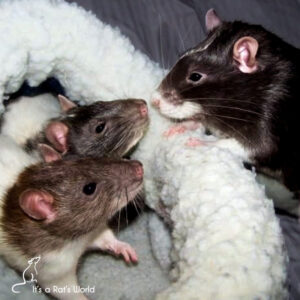
Beyond preventing reproduction and mitigating health risks, spaying and neutering can positively impact a rat’s behavior. For males, neutering is highly effective in reducing aggression, territorial urine marking, and the production of buck grease. For females, spaying eliminates the hormonal fluctuations associated with heat cycles, potentially leading to a more stable and less agitated demeanor. These procedures contribute to a more harmonious living environment for both the rats and their owners.
The Dynamics of Cohabitation: Mixing the Sexes
The experience of housing male and female rats together, once appropriately sterilized, can be incredibly rewarding. Many owners report observing strong bonds, sometimes even romantic "crushes," forming between male and female rats. These interspecies friendships can be a testament to the social nature of rats and their capacity for deep affection. In such arrangements, ensuring that at least one of the rats is sterilized is absolutely critical to prevent accidental litters.
Conclusion: A Choice Based on Individual Needs
Ultimately, the decision of whether to bring male or female rats into one’s home is a personal one, with both sexes offering unique joys and considerations. Both male and female rats are capable of forming deep bonds with their human companions and can be incredibly affectionate and entertaining pets.
Prospective owners should weigh the general tendencies regarding size, scent, and certain behavioral patterns against the individuality of each rat. The most significant differences, particularly concerning territorial marking and the potential for hormonal aggression, can often be managed or mitigated through responsible ownership practices, including sterilization.
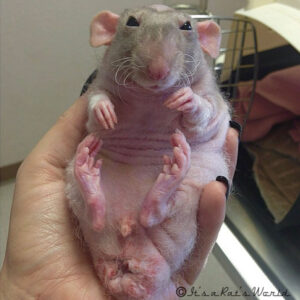
The overarching message for anyone considering rat ownership is that the breed’s intelligence, social nature, and capacity for affection make them exceptional pets, regardless of sex. By understanding the distinctions and consulting with veterinary professionals, prospective owners can make an informed decision that leads to a fulfilling and enriching relationship with their future rat companions. The key to successful rat ownership lies in providing a safe, stimulating environment, proper nutrition, and abundant love and attention, traits that are universally appreciated by these remarkable creatures.

