


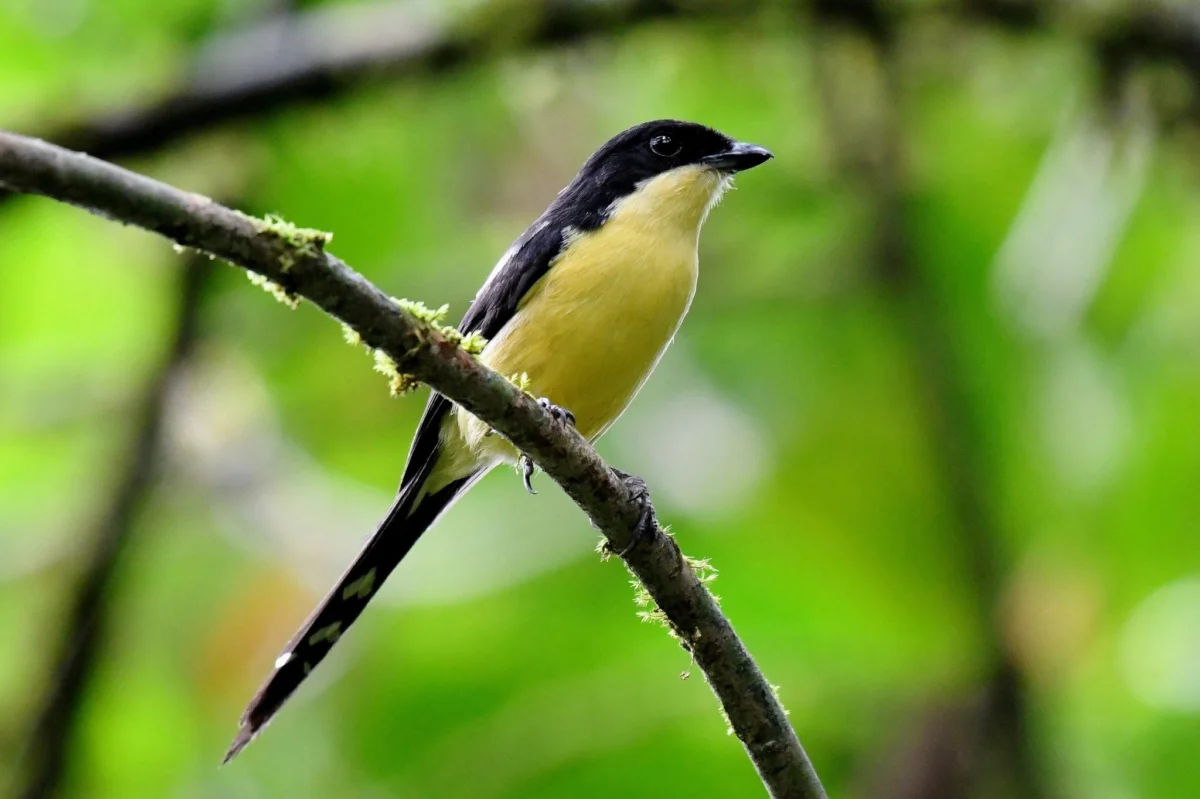
Global Birdfair 2026 is galvanizing crucial support for BirdLife International’s vital conservation initiatives aimed at safeguarding the unique and imperiled avian populations of São Tomé and Príncipe. The event is focusing its considerable influence and resources on preventing further extinctions within this island nation, highlighting the urgent need for action to protect species found nowhere else on Earth. The initiative underscores a growing global awareness of the biodiversity crisis and the interconnectedness of conservation efforts across continents.
The Jewel of the Gulf of Guinea: A Fragile Avian Paradise
Nestled in the Gulf of Guinea, the volcanic islands of São Tomé and Príncipe are renowned for their exceptional biodiversity, a testament to their isolation and unique ecological development. Among their most treasured inhabitants are three endemic bird species facing an existential threat: the Dwarf Ibis (Bostrychia bocagei), the São Tomé Grosbeak (Crithagra concolor), and Newton’s Fiscal (Lanius newtoni). All three are classified as Critically Endangered on the International Union for Conservation of Nature (IUCN) Red List, a stark indicator of their precarious status. Their survival is intrinsically linked to the preservation of the remaining indigenous forests, which are steadily shrinking under mounting anthropogenic pressures.
The Dwarf Ibis, a reclusive inhabitant of the dense forests, is characterized by its cryptic nature and a distinctive, haunting call that echoes through the canopy. Current estimates suggest its population has dwindled to fewer than 2,000 individuals, making every sighting a significant event for ornithologists and conservationists. The São Tomé Grosbeak, once feared lost to science for over a century, has made a remarkable, albeit fragile, reappearance. Its survival hinges on the health of scattered forest patches, with estimates placing the adult population at a mere 250 individuals. Newton’s Fiscal, a striking shrike adorned in black and white plumage, surveys the forest ridges in the island’s interior. This species is equally imperiled, with an estimated population of fewer than 250 individuals, positioning it among Africa’s rarest avian inhabitants.
Mounting Threats to Unique Biodiversity
Despite legal protections afforded to these species, they remain exceptionally vulnerable. The primary driver of their decline is habitat loss, predominantly fueled by agricultural expansion for cash crops like cocoa and coffee, alongside unsustainable timber extraction. These activities fragment and degrade the vital forest ecosystems that these birds depend upon for shelter, foraging, and breeding. Beyond habitat destruction, direct threats such as hunting, human disturbance within their limited ranges, and the impact of introduced invasive mammals further exacerbate the precarious situation for these already fragile populations.
A Decade of Dedicated Conservation: BirdLife’s Commitment
BirdLife International, a leading global partnership of bird conservation organizations, has been actively engaged in São Tomé and Príncipe since 2018. Their multifaceted approach involves strengthening the management of existing protected areas and championing sustainable livelihood initiatives designed to alleviate pressure on the islands’ rich biodiversity. Recognizing that effective conservation cannot be achieved in isolation, BirdLife emphasizes the critical importance of collaborating with the local communities who share these landscapes with the endemic wildlife.

Empowering Local Communities: The "Agents of Change" Initiative
A pivotal initiative implemented between 2022 and 2024 exemplified the transformative power of community engagement. This project worked directly with local hunters, a group possessing intimate knowledge of the forest and its inhabitants. The objective was to foster a paradigm shift in their perception of wildlife conservation, moving from viewing it as a restrictive imposition to embracing a role as active stewards of the forest. This approach sought to leverage their expertise and understanding for the benefit of conservation goals.
The outcomes of this engagement were profoundly encouraging. A remarkable 75 hunters enthusiastically joined the initiative, becoming recognized as "Agents of Change." Harnessing their deep-seated knowledge of the forest, these individuals are now instrumental in locating rare species, such as the Dwarf Ibis, and actively reporting instances of illegal bird hunting. Their practical skills and ingrained understanding of the environment have become invaluable assets in the ongoing conservation efforts.
Reforming Hunting Practices and Fostering Sustainable Livelihoods
In collaboration with national authorities, biologists, and other civil society stakeholders, these local hunters played an indispensable role in the crucial process of reviewing and revising existing hunting laws. Their input was vital in shaping a roadmap for the improvement and modernization of these regulations. Furthermore, a dedicated mentoring program was established to support the development of alternative economic activities. This program provided 25 selected hunters with opportunities to explore the financial implications of pursuing sustainable ventures and to strengthen their fundamental business management and financial literacy skills.
A competitive selection process identified the five most promising ideas for sustainable enterprises. These winning proposals received essential technical and financial support to develop and implement their business plans. This component of the project served as a powerful demonstration of how local hunters can transition into significant contributors to conservation on the ground, fostering a harmonious balance between human needs and the imperative of biodiversity preservation.
Global Birdfair 2026: A Catalyst for Future Action
Building on the successes and momentum generated by these past initiatives, the Global Birdfair 2026 project is set to address critical knowledge gaps concerning São Tomé and Príncipe’s endangered birds. It will also focus on bolstering local capacity for their protection. Researchers, park rangers, and community members will collaborate closely to gain a more comprehensive understanding of species distribution, population dynamics, and the precise conservation interventions required to ensure their long-term survival.
Simultaneously, the project will continue to prioritize and strengthen community involvement. This ensures that conservation strategies are firmly grounded in local knowledge, foster active participation, and promote a culture of long-term stewardship among the island’s inhabitants. The interconnectedness of human well-being and environmental health is a central tenet of this approach.

Symbolism and Stewardship: The Enduring Legacy
The trio of critically endangered birds represents far more than just rare species; they are potent symbols of São Tomé and Príncipe’s extraordinary natural heritage. Their protection is inextricably linked to the preservation of the lush forests, the intricate ecosystems they support, and the unique communities that call these islands home. Safeguarding these avian treasures is, in essence, an act of safeguarding the very identity and ecological integrity of the nation.
The organizers and participants of Global Birdfair 2026 extend their profound gratitude to the entire Global Birdfair team for their unwavering support of this vital project. With sustained commitment, collaborative partnerships, and the enduring curiosity of individuals worldwide, the haunting melodies of the Dwarf Ibis, the understated presence of the São Tomé Grosbeak, and the watchful silhouette of Newton’s Fiscal can be secured for future generations. The collective effort stands as a testament to the belief that by working together, Africa’s rarest birds can indeed be safeguarded.
Broader Implications and Global Significance
The conservation efforts in São Tomé and Príncipe, amplified by events like Global Birdfair, carry significant implications that extend beyond the immediate region. They serve as a crucial case study for island biodiversity conservation globally, demonstrating that even in the face of severe threats, integrated approaches combining scientific research, community engagement, and international support can yield tangible positive results. The success of empowering local communities, particularly those traditionally perceived as being in conflict with conservation goals, offers a replicable model for other biodiversity hotspots facing similar challenges.
The economic dimension of conservation, as highlighted by the support for alternative livelihoods, is also a critical takeaway. By demonstrating that conservation can translate into economic benefits, such initiatives can foster greater buy-in and reduce the perceived trade-offs between development and environmental protection. This approach is vital for achieving sustainable development goals in many vulnerable nations. Furthermore, the ongoing monitoring and research efforts will contribute valuable data to global biodiversity databases, informing conservation strategies for related species and ecosystems worldwide. The plight of these endemic birds underscores the urgent need for global action to address the drivers of biodiversity loss, including climate change, habitat destruction, and unsustainable resource exploitation. The commitment shown by Global Birdfair 2026 signals a growing recognition of these interconnected challenges and a proactive stance towards finding solutions.

