


The Eastern Rosella (Platycercus eximius), a vibrant parrot species native to Australia, stands out for its dazzling plumage and engaging personality, making it a captivating subject both in the wild and as a cherished companion animal. Despite its modest size, this avian spectacle is anything but easy to overlook, boasting a kaleidoscope of reds, yellows, greens, and blues that have earned it widespread admiration. Its striking appearance, coupled with a lively and often friendly disposition, contributes to its popularity among aviculturists worldwide. This comprehensive article delves into the multifaceted world of the Eastern Rosella, exploring its distinctive physical characteristics, natural habitat, ecological role, dietary habits, and the nuanced considerations for its care in a domestic setting.
Distinctive Appearance and Subspecies
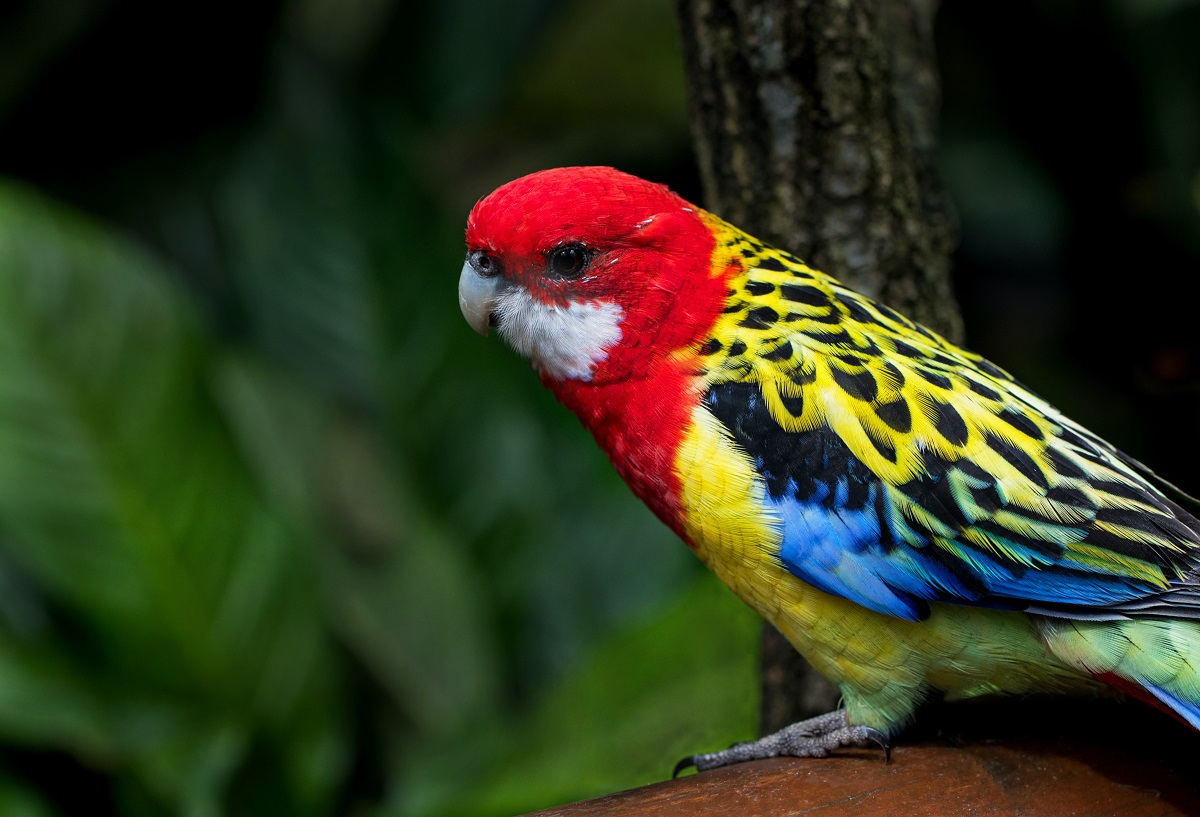
The Eastern Rosella is renowned for its breathtaking coloration. An adult bird typically measures around 30 centimeters (12 inches) in length and weighs approximately 100 grams. Its head and chest are a brilliant scarlet red, sharply contrasted by clean white cheek patches. The belly and "pants" transition into a bright yellow-green. Its upper wing feathers are a striking pattern of scalloped yellow-green and black, while the back is predominantly green. The undersides of its wings reveal a vivid blue, complementing a long, tapering blue-green tail. This intricate mosaic of colors serves not only as a visual marvel but also plays a role in species recognition and mate attraction.
The species comprises three recognized subspecies, each exhibiting slight variations in plumage and geographical distribution. The nominate subspecies, Platycercus eximius eximius, is found across much of southeastern Australia. Platycercus eximius elecica, often referred to as the Northern Rosella (though sometimes confused with P. adscitus), inhabits more northerly parts of its range, generally displaying a more intense yellow on its back. The Tasmanian Rosella, Platycercus eximius diemenensis, native to the island state of Tasmania, is typically slightly larger and exhibits deeper red coloration than its mainland counterparts. These subtle differences underscore the species’ adaptation to varying regional environments within its broad range.
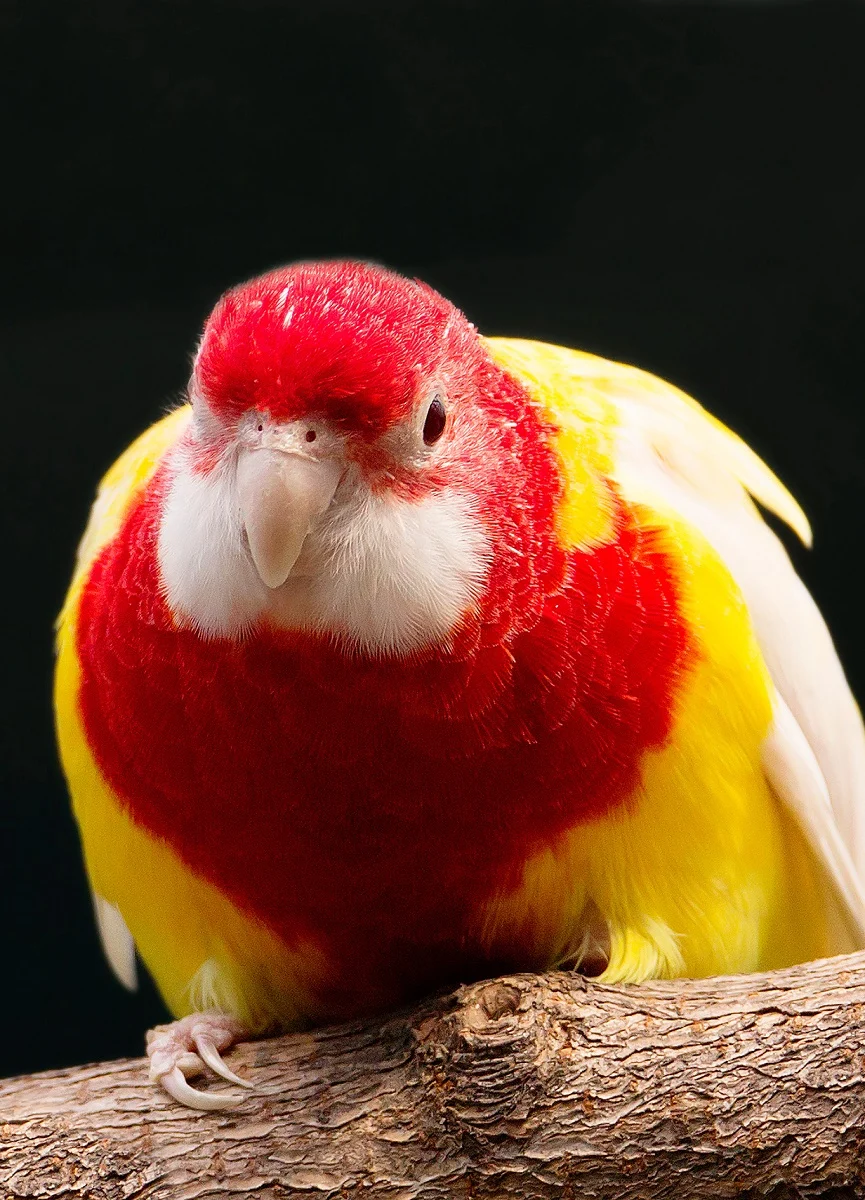
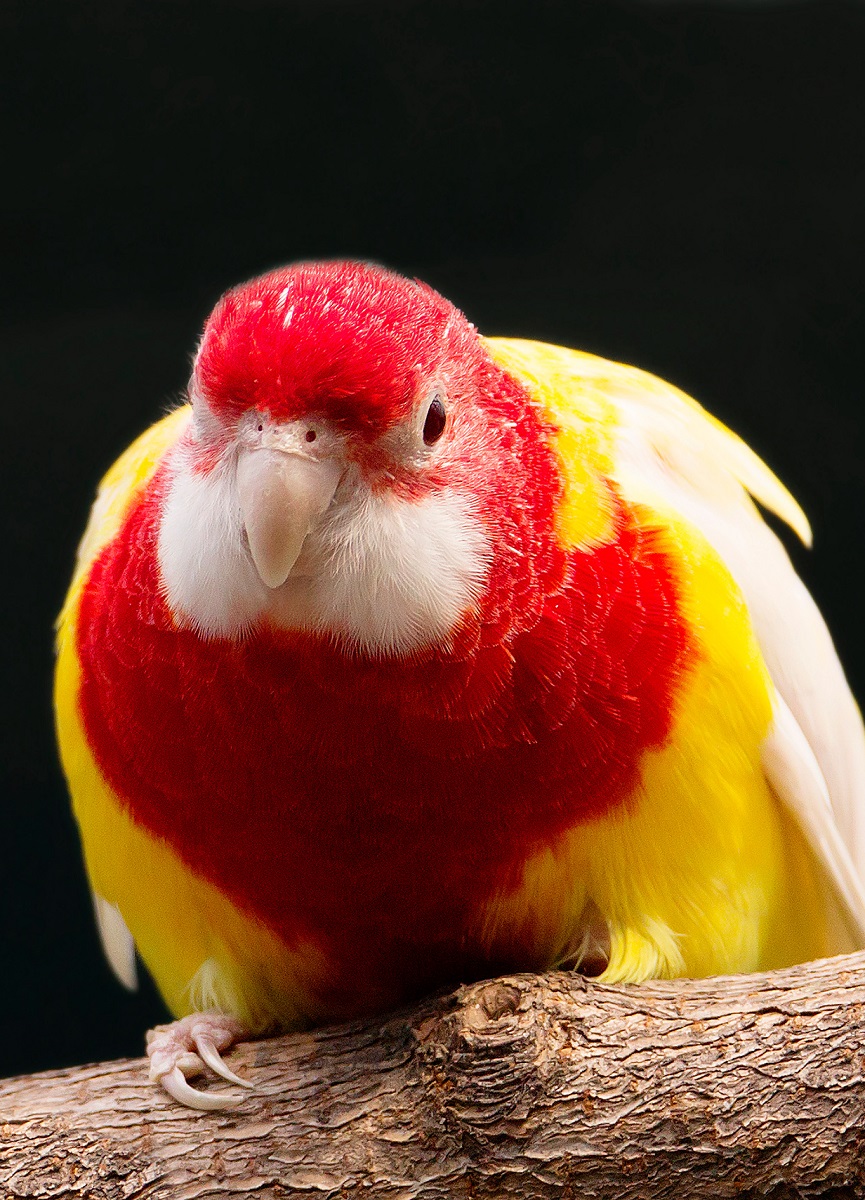
Juvenile Eastern Rosellas present a slightly muted version of the adult’s splendor. Their colors are not as bright, often appearing duller, and their beaks begin as a yellowish hue, gradually transitioning to the adult’s characteristic white after their first molt. This significant developmental stage typically occurs between two and six months of age, after which they assume their full adult coloration. The existence of selectively bred color morphs further adds to the species’ visual diversity in captivity. Among these, the ‘Rubino’ morph is particularly common, characterized by a striking red, yellow, and white palette, entirely devoid of the natural blue, green, or black pigments, showcasing the genetic plasticity of the species under controlled breeding conditions.
Adding another layer of complexity to identification, the genus Platycercus is known for its members’ ability to hybridize. Encounters with unusual rosella phenotypes in the wild are not uncommon, as Eastern Rosellas can successfully interbreed with other close relatives such as the Crimson Rosella (P. elegans) and the Pale-headed Rosella (P. adscitus). These hybrid birds, which often display a fascinating blend of parental characteristics, are living testaments to the genetic compatibility within the genus and highlight the dynamic nature of avian speciation and interspecies interactions in shared habitats.
Sexing Eastern Rosellas
Distinguishing between male and female Eastern Rosellas can be achieved visually, primarily through differences in coloration, although this method is most reliable once the birds have fully matured and completed their first molt. Generally, males tend to exhibit brighter, more intense coloration across their plumage, particularly the reds and blues, and their white cheek patches are often larger and more pronounced. Females, while still vibrant, typically have slightly duller colors, and their cheek patches may be smaller. However, individual variation exists, and for definitive sexing, especially in young birds or those with less pronounced dimorphism, DNA testing remains the most accurate method, often conducted through feather or blood samples.
Geographical Distribution and Natural Habitat
The geographical range of the Eastern Rosella is aptly reflected in its name. It is naturally endemic to the eastern and southeastern regions of the Australian continent, extending into the island of Tasmania. Its presence within this specific area is a testament to its adaptation to the diverse ecosystems found there. Beyond its native shores, the Eastern Rosella has established a significant presence in New Zealand as an introduced species. The chronology of its establishment in New Zealand dates back to multiple distinct events. Records indicate instances of accidental escapes, such as a notable incident in Dunedin where 12 rosellas were inadvertently released following the destruction of their enclosure. Additionally, deliberate releases have contributed to their spread, including a shipment of birds released in 1910 after being denied entry by the New Zealand Customs Department. These introductions have led to the formation of self-sustaining populations across various parts of the country, illustrating the species’ remarkable adaptability to new environments.
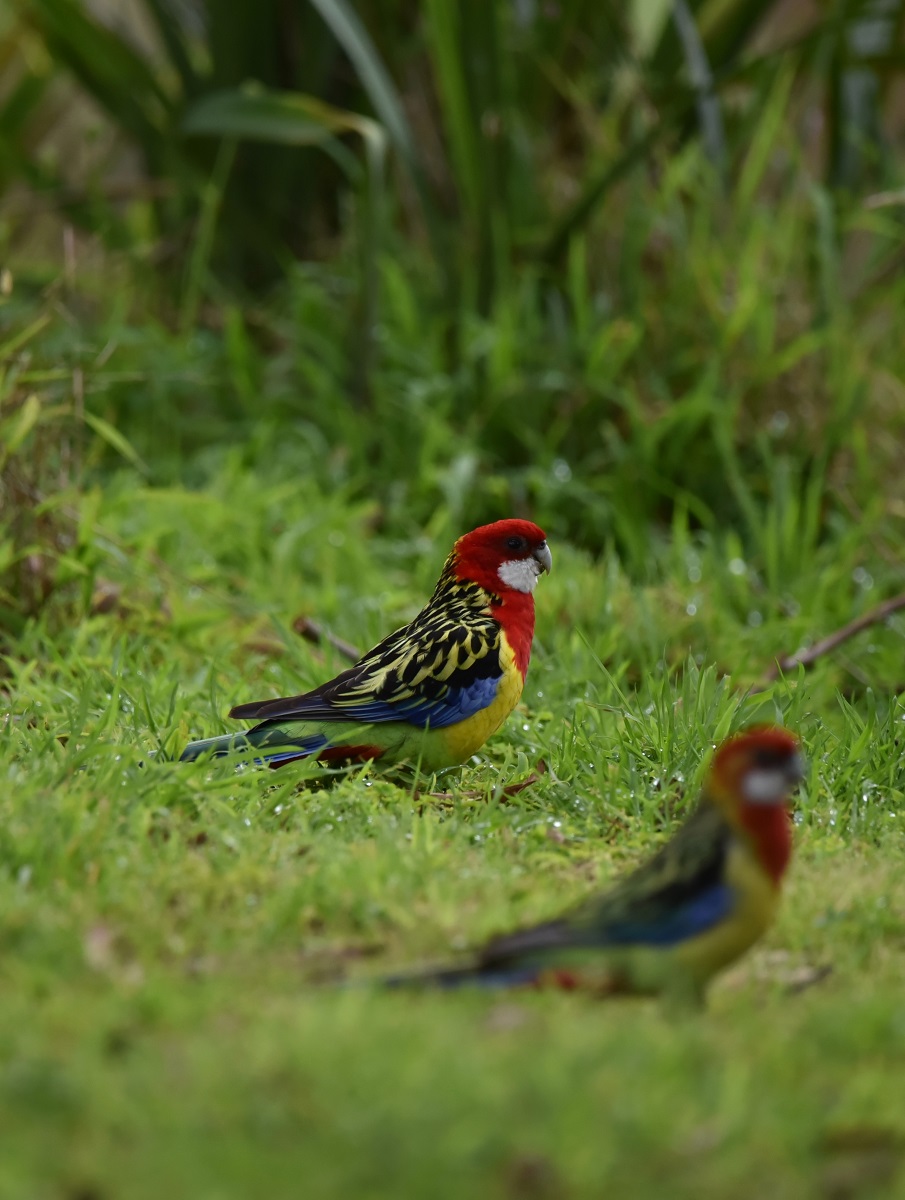
In its natural habitat, the Eastern Rosella thrives in lightly wooded areas. These include open forests, forest edges, and patches of Eucalyptus trees, which are quintessential Australian landscapes. They are also commonly found in anthropogenic environments such as parks, farmlands, and suburban gardens, demonstrating a high degree of ecological flexibility. The species prefers areas with ample rainfall or reliable water sources and can be found at moderate altitudes, typically up to 1,250 meters (4,100 feet). In the wild, these parrots are often observed in pairs or small family groups, occasionally congregating with other parrot or rosella species. Like many psittacines, they are cavity nesters, utilizing hollows within mature trees for breeding, a critical resource in their ecosystem.
Conservation Status and Ecological Dynamics
The International Union for Conservation of Nature (IUCN) Red List currently classifies the Eastern Rosella as a species of "Least Concern." This favorable conservation status is attributed to its extensive natural range and a population trend that appears to be stable or even increasing. This prosperity, however, presents a complex ecological paradox. The Eastern Rosella’s success is, ironically, linked to habitat degradation driven by human activities. As natural landscapes are converted for agriculture and urban development, many native species face decline. For the Eastern Rosella, however, these altered environments often provide abundant food resources, particularly in the form of cultivated crops such as maize and various grains. This adaptability to human-modified landscapes has allowed it to flourish where other, more specialized species might struggle, highlighting the intricate and sometimes counterintuitive ways in which species respond to environmental change.
In New Zealand, its status as an introduced species raises different ecological concerns. While not considered endangered, its establishment has implications for native avifauna, potentially competing for nesting sites and food resources, although specific studies on its competitive impact are ongoing. The species’ ability to thrive in new environments underscores the need for careful management of introduced populations to prevent potential disruptions to local biodiversity.
Dietary Habits and Human-Wildlife Conflict
The Eastern Rosella’s diet, both in the wild and in captivity, is diverse, reflecting its opportunistic foraging strategies. In their natural Australian habitat, seeds form the cornerstone of their diet, with a particular fondness for thistle seeds. They also consume a variety of fruits, such as apples, as well as berries, flowers, flower buds, and even insects, especially during breeding season when protein needs are higher. Researchers have extensively documented their varied consumption patterns, emphasizing their adaptability to seasonal food availability.
This dietary flexibility, particularly their penchant for seeds and fruits, has historically placed the Eastern Rosella in direct conflict with human agricultural interests. For centuries, across eastern Australia, rosellas, along with their cousins, have been regarded as agricultural pests. They are notorious for raiding orchards, grain fields, and other cultivated areas, causing significant damage to harvests. This conflict has led to long-standing tensions between farmers and wildlife.
While Eastern Rosellas are protected under Australian law, specific provisions allow for permits to be granted to farmers to cull rosellas if they can demonstrate substantial crop damage and the ineffectiveness of non-lethal deterrents. Agricultural bodies have long contended that the economic impact of rosella depredation on crops can be significant, necessitating management interventions. Conservation groups, while acknowledging the challenges faced by farmers, often emphasize the importance of exploring and implementing sustainable, non-lethal pest management strategies to mitigate conflict without impacting wild populations unnecessarily. This ongoing debate highlights the complex balance between agricultural productivity, wildlife conservation, and ethical considerations.
The Eastern Rosella as a Pet
As a pet, the Eastern Rosella has secured a firm place among parrot enthusiasts. They are particularly popular as aviary birds, primarily owing to their stunning visual appeal. However, their territorial nature means they are often not ideal candidates for mixed aviaries, as they can be aggressive towards smaller or less assertive species, such as budgies. Despite this, a well-socialized Eastern Rosella can make an excellent indoor companion. They are generally described as fun, active, curious, and social, exhibiting a degree of independence that sets them apart from some more demanding parrot species. While they appreciate and often seek out interaction with their human caregivers, they are also content to entertain themselves, striking a good balance for owners who may not have constant availability for interaction.
Housing Requirements
Providing appropriate housing is paramount for the health and well-being of a pet Eastern Rosella. As with all parrots, the principle of "the bigger, the better" applies to cage selection. A minimum cage length of 1 meter (approximately 40 inches) is recommended to allow the bird ample space to stretch its wings and engage in natural movements. The bar spacing is a critical safety consideration, and should not exceed 1.25 centimeters (0.5 inches) to prevent the bird from getting its head or limbs caught. The cage should be equipped with a variety of natural perches of varying diameters to promote foot health and prevent pressure sores. Essential accessories include a sturdy food bowl and at least one, preferably multiple, sources of fresh water, such as bowls or gravity feeders, that are cleaned daily.
Enrichment and Mental Stimulation
Parrots, being highly intelligent creatures, are prone to boredom, which can manifest in stress-related behaviors such as feather plucking or destructive tendencies. Therefore, providing ample enrichment is crucial for an Eastern Rosella’s mental and physical health. Beyond a selection of parrot-safe toys, which should be regularly rotated to maintain novelty, owners should consider a diverse range of activities.
Foraging opportunities are vital, mimicking their natural feeding behaviors. This can involve hiding food in puzzle toys, wrapping treats in paper, or scattering seeds within safe substrate at the bottom of the cage. Training sessions, utilizing positive reinforcement, can be mentally stimulating and strengthen the bond between bird and owner. Teaching simple commands, tricks, or even target training can provide significant engagement. Social interaction, whether with human companions or compatible avian partners (if housed in a suitable aviary), is also essential for these inherently social birds. Providing opportunities for bathing, such as a shallow dish of water or a misting spray, caters to their natural preening and hygiene needs, and can be a source of enjoyment. Regular out-of-cage time in a parrot-proofed environment allows for exercise and exploration, crucial for their overall well-being.
Noise Level and Vocalization
Compared to many other parrot species, Eastern Rosellas are not typically known for being excessively loud. While all parrots produce vocalizations, rosellas generally favor whistles, chirps, and softer contact calls over piercing flock calls, making them potentially suitable for apartment living, provided walls are not unusually thin. Their vocalizations are often melodious and varied. For those curious to hear their calls, online resources such as Xeno-Canto provide extensive recordings of Platycercus eximius in its natural environment.
Regarding their ability to talk, Eastern Rosellas can indeed learn to mimic sounds and even words. While they may not be categorized among the most talented talking parrots, like African Greys or Amazon parrots, many individuals develop a repertoire of household noises, from phone rings to doorbells. With consistent patience, positive reinforcement, and dedicated training, some Eastern Rosellas can even pick up a surprising number of words or short phrases, and occasionally imitate musical tunes, adding another dimension to their charismatic personalities.
Safety and Emergency Preparedness
Due to their inherent curiosity and relatively delicate physiology, parrots are prone to accidents in a domestic setting. It is imperative that any area an Eastern Rosella has access to outside its cage be thoroughly parrot-proofed. This involves identifying and removing potential hazards such as toxic plants, exposed electrical cords, open windows or doors, other household pets, and small ingestible objects. Awareness of common household dangers, like non-stick cookware fumes or certain cleaning products, is also critical. Furthermore, every parrot owner should be familiar with basic parrot emergency care. Knowing how to recognize signs of illness or injury, having the contact information for an avian veterinarian readily available, and understanding basic first aid for common parrot ailments can be life-saving in an emergency. Regular veterinary check-ups are also crucial for preventative care and early detection of health issues.
Broader Implications and Adaptability
The Eastern Rosella represents a fascinating case study in avian adaptability. Its vibrant beauty and engaging personality make it a beloved pet, while its ecological flexibility has allowed it to thrive in both pristine natural environments and human-modified landscapes. This adaptability, however, comes with its own set of challenges, particularly the ongoing conflict with agriculture, underscoring the complex relationship between wildlife and human expansion. As a species of "Least Concern," the Eastern Rosella’s robust population serves as a reminder of nature’s resilience, even as its interactions with human society highlight the critical need for sustainable coexistence strategies. Understanding this colorful parrot, from its unique appearance to its ecological role and pet care requirements, offers valuable insights into biodiversity, human impact on ecosystems, and the rewarding experience of avian companionship.

