


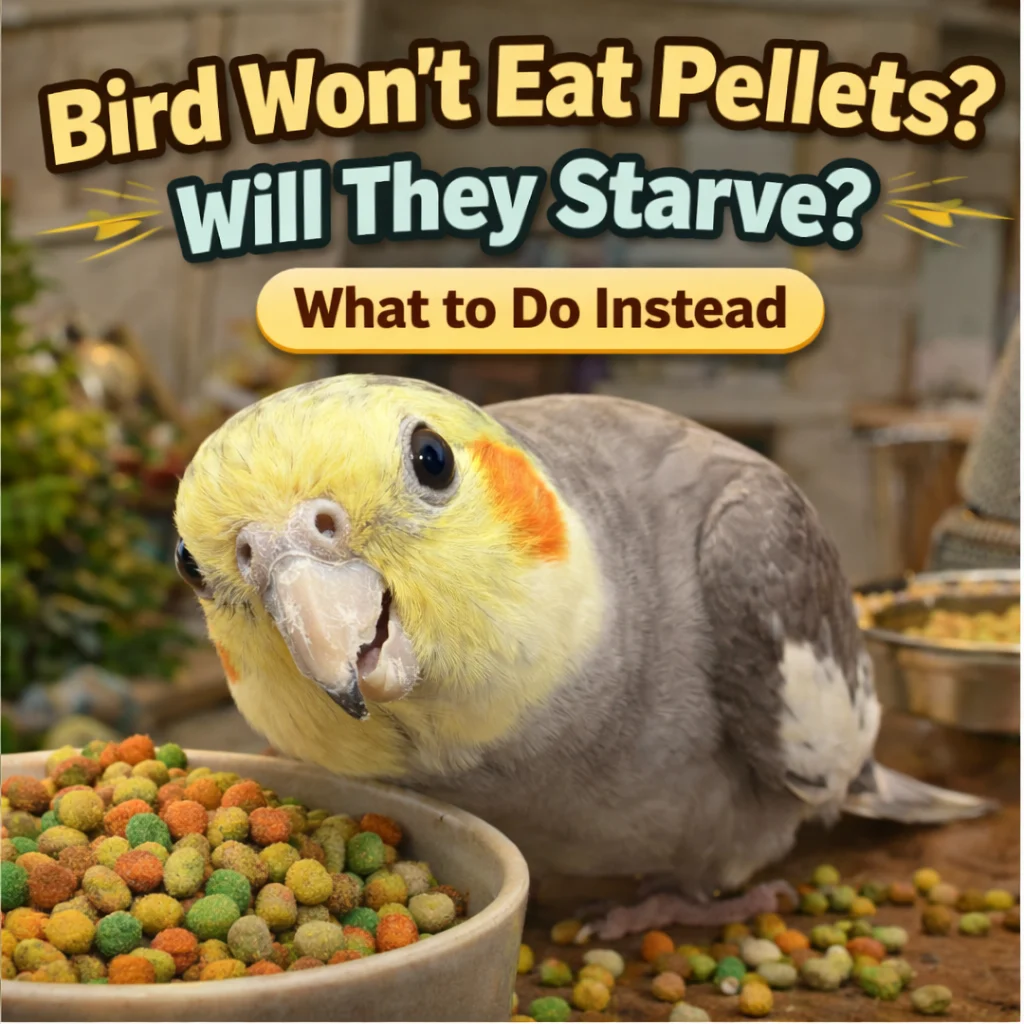
A comprehensive guide, authored by Diane Burroughs and published on April 14, 2026, addresses a critical and common challenge faced by pet bird owners: the refusal of avian companions to transition from traditional seed-based diets to nutritionally superior pellets. This publication targets owners whose birds ignore, pick around, or suddenly reduce food intake when presented with pellets, or those who have found conventional methods like mixing foods or "waiting them out" ineffective and potentially dangerous. The core message emphasizes that while diet transition is vital for avian health, it must be approached through gentle, evidence-based, force-free methods, rather than abrupt changes that risk a bird’s well-being.
The guide clarifies that a bird’s resistance to new foods is not mere stubbornness but an ingrained survival instinct. In their natural habitats, parrots learn from their parents over weeks what is safe to eat and what to avoid. This innate caution, known as neophobia, dictates that birds will primarily consume foods they recognize as safe, often rejecting unfamiliar items regardless of nutritional value. Therefore, successful transition hinges on teaching the bird to accept new foods as safe, rather than forcing a dietary change by withholding familiar items.
The Peril of Abrupt Dietary Shifts: A Veterinary Perspective
The immediate concern for many owners attempting a diet switch is the fear of their bird starving. The guide unequivocally states that a sudden, unmanaged transition to pellets, particularly by removing all familiar seed-based foods, is a dangerous practice and should be avoided. Such abrupt changes can lead to a significant reduction in food intake, rapid weight loss, and severe health complications, potentially proving fatal. Avian veterinarians consistently caution against this "cold turkey" method, advocating instead for a controlled, gradual introduction.
Dr. Eleanor Vance, a hypothetical leading avian veterinarian, might comment, "We frequently see cases of malnutrition and stress in birds whose owners attempted a rapid diet change without proper guidance. A bird’s metabolism is incredibly fast, and even a few days of insufficient caloric intake can be devastating. Their instinct to avoid novel foods is powerful, and overriding it through deprivation is not only cruel but medically unsound." Similarly, Dr. Alistair Finch, an avian behaviorist, could add, "Birds are highly intelligent and social creatures. They learn through observation and positive association. When we introduce new foods, we’re essentially asking them to override millions of years of evolutionary programming that tells them ‘new equals dangerous.’ This requires trust and a carefully managed learning process."
Understanding the Behavioral Cues: A Diagnostic Table
The guide provides a quick diagnostic tool to help owners interpret their bird’s behavior during a transition attempt:
| If your bird… | What it often means |
|---|---|
| Won’t eat pellets at all | They don’t recognize pellets as food |
| Picks around or throws pellets out | They’re choosing familiar foods they trust |
| Is eating less after the switch | They’re confused, not adjusting, or feeling unsafe |
| Waits for seeds or old food | New food doesn’t feel safe yet, expecting familiar |
These behaviors are not signs of defiance but rather indications of the bird’s natural caution and lack of familiarity with the new food source. The publication underscores that understanding these cues is the first step toward a successful and humane transition.
The Evolution of Avian Nutrition: From Seeds to Science
Historically, pet birds were largely fed diets consisting almost entirely of seeds. This practice stemmed from a lack of understanding of their complex nutritional requirements and the availability of diverse commercial products. However, decades of avian veterinary research have revealed that an exclusive seed diet is akin to a human living on fast food – high in fat and carbohydrates, but severely lacking in essential vitamins, minerals, and amino acids. This imbalance leads to a host of health problems, including:
- Vitamin A deficiency: Common in birds on seed-only diets, leading to respiratory issues, kidney disease, and susceptibility to infections.
- Calcium deficiency: Can result in brittle bones, egg-laying problems in females, and neurological issues.
- Obesity and fatty liver disease: Seeds are often high in fat, contributing to weight gain and liver complications, especially in less active cage birds.
- Protein and amino acid imbalances: Leading to poor feather quality, stunted growth, and weakened immune systems.
The development of extruded pellets in the latter half of the 20th century marked a significant advancement in pet bird nutrition. Pellets are formulated to provide a complete and balanced diet, containing all necessary vitamins, minerals, proteins, and carbohydrates in appropriate ratios. They reduce selective feeding, where birds pick out only their favorite (often unhealthy) seeds, ensuring a consistent intake of nutrients. The widespread adoption of pellets, alongside fresh fruits and vegetables, has been a cornerstone in improving the lifespan and quality of life for companion birds.
A Phased Approach: The 3-Step Pellet Transition Reset
The guide outlines a "3-Step Pellet Transition Reset," emphasizing consistency and gentle exposure over force. This methodology is rooted in the principles of positive reinforcement and observational learning, mirroring how birds learn in the wild.
Phase 1: Preparation and Baseline Assessment (Weeks 1-2)
- Veterinary Consultation: Before any dietary change, a visit to an avian veterinarian is crucial. The vet can assess the bird’s current health, identify any pre-existing conditions that might complicate a diet change, and provide tailored advice. They can also perform a baseline weight check and suggest a target weight range to monitor progress.
- Observe Current Eating Habits: For several days, meticulously track what and how much the bird is currently eating. This provides a baseline for comparison during the transition. Note preferred seeds, consumption patterns, and any existing food-related anxieties.
- Introduce New Food Without Pressure: Begin by simply placing a small amount of pellets in a separate dish, or sprinkled lightly on top of a very small portion of their usual food, without reducing the primary seed offering significantly. The goal here is exposure, not immediate consumption. The bird needs to see the pellets, investigate them, and become accustomed to their presence without feeling threatened. This step builds familiarity.
- Model Eating Behavior: A powerful tool is for the owner to "eat" the pellets themselves (pretend, of course!) or have a "buddy bird" (if safe and healthy) demonstrate eating them. Birds are highly social and learn by observing their flock members, including human caregivers. This visually communicates that the new food is safe.
Phase 2: Gradual Integration and Positive Reinforcement (Weeks 3-8)
- Micro-Mixing: Gradually begin to mix very small amounts of crushed or whole pellets into the bird’s favorite seeds. Start with a ratio of 90% seeds to 10% pellets, then slowly, over days or weeks, adjust the ratio. The key is slowness and subtlety. The bird should barely notice the pellets initially.
- Strategic Presentation: Offer pellets at specific times when the bird is most likely to be hungry, such as first thing in the morning. Ensure fresh pellets are always available. Consider presenting pellets in different forms (moistened, dry, crumbled) or in various dishes to see what the bird prefers.
- Positive Association: Make the introduction of pellets a positive experience. Praise the bird for even investigating the pellets. Offer beloved treats after they have shown some interest in the pellets, not as a replacement for the pellets themselves. Avoid any form of punishment or negative interaction around food.
- Enrichment with Pellets: Incorporate pellets into foraging toys. This turns mealtime into an engaging activity, encouraging the bird to interact with the pellets in a playful, low-stress manner.
Phase 3: Monitoring, Adjustment, and Maintenance (Ongoing)
- Daily Weight Checks: This is perhaps the most critical monitoring tool. A small kitchen scale can be used to weigh the bird daily, ideally at the same time. Any significant weight loss (more than 1-2% of body weight over 24-48 hours, or 5-10% over a week, depending on species) indicates insufficient intake and necessitates a pause or reversal of the transition steps.
- Stool Monitoring: Observe the bird’s droppings. Changes in color, consistency, or volume can indicate dietary distress or insufficient food intake.
- Behavioral Observation: Watch for signs of lethargy, ruffled feathers, decreased activity, or increased aggression, all of which could signal stress or hunger.
- Adaptation: Be prepared to adjust the pace of the transition. Some birds will take weeks, others months, and some even longer. The process is not linear; there may be setbacks. Patience is paramount. If a bird is not accepting pellets after several weeks of gradual introduction, consult the avian vet again for alternative strategies or to rule out underlying health issues.
- Consistency: Daily, consistent exposure to pellets, coupled with positive reinforcement, is the foundation of long-term acceptance.
Official Responses and Broader Implications
Avian welfare organizations and veterinary associations universally endorse these gradual, force-free methods. The Association of Avian Veterinarians (AAV), for instance, provides extensive resources for pet owners and veterinarians on optimal avian nutrition and diet conversion techniques, emphasizing the ethical and health-protective aspects of such approaches.
The impact of promoting these gentle transition methods extends beyond individual bird health. It contributes to:
- Enhanced Avian Welfare: By reducing stress and the risk of malnutrition during diet changes, more birds can enjoy healthier, longer lives.
- Improved Owner-Bird Bonds: A force-free approach fosters trust and strengthens the bond between bird and owner, rather than eroding it through perceived deprivation.
- Reduced Veterinary Burden: A healthier diet prevents many chronic diseases, reducing the need for costly and stressful veterinary interventions related to nutritional deficiencies.
- Educational Advancement: Publications like Diane Burroughs’ guide elevate the standard of pet bird care education, empowering owners with scientifically sound practices.
This isn’t merely about changing what a bird eats; it’s about transforming the owner-bird relationship into one based on patient teaching and mutual trust, ensuring our feathered companions receive the best possible care for a thriving life. The guide reinforces that responsible "parronting" is characterized by patience, consistency, and a focus on teaching, not forcing, dietary acceptance.

