


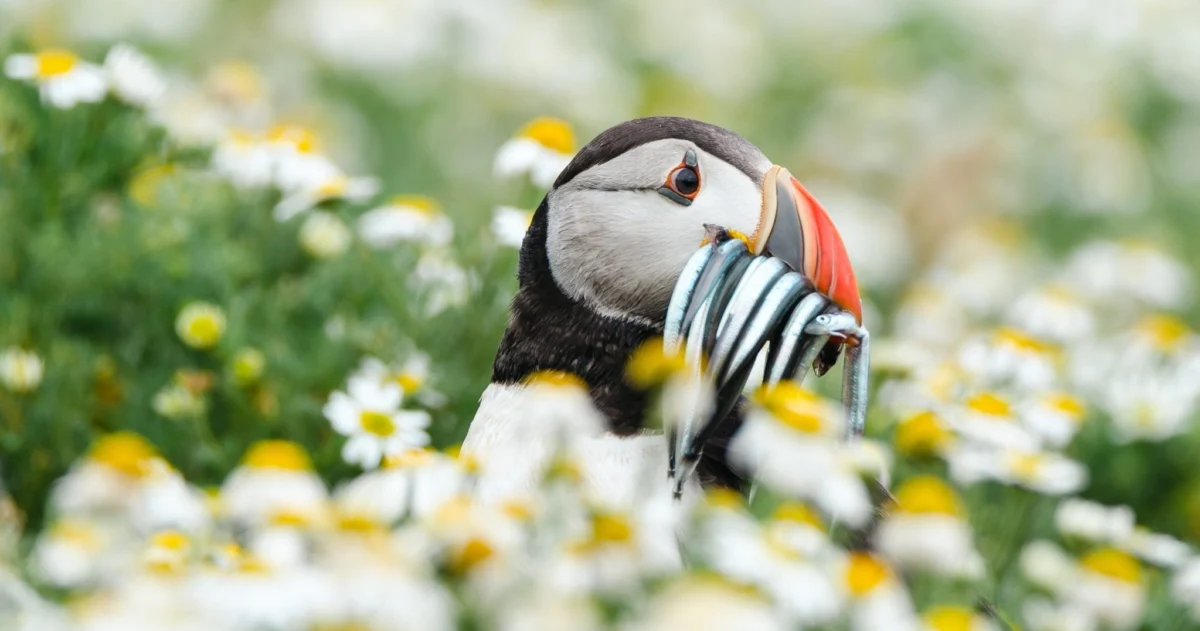
The arrival of spring in Europe typically heralds the return of the iconic Atlantic Puffin ( Fratercula arctica ) to its breeding grounds, a vibrant spectacle of nature with their striking crimson beaks and distinctive calls. These beloved seabirds, often referred to as "sea parrots" due to their colourful appearance, spend the majority of their lives navigating the vast expanse of the Atlantic Ocean, sometimes remaining at sea for as long as eight months. However, this year’s return has been overshadowed by a devastating natural phenomenon, leaving scientists and conservationists deeply concerned about the future of these charismatic birds.
A Winter of Unprecedented Loss: The Seabird Wreck of 2023-2024
The winter of 2023-2024 has been marked by what experts are calling the largest seabird "wreck" in Europe in over a decade. This natural event, characterized by the mass stranding of dead or dying seabirds on coastlines, has left an alarming trail of devastation across the Atlantic fringes of Spain, Portugal, France, and the United Kingdom. Initial reports paint a grim picture: over 38,000 seabirds were found stranded along the coasts of Spain, Portugal, and France alone. In Cornwall, United Kingdom, hundreds of dead Puffins were discovered washed ashore, a stark contrast to the mere two recorded the previous year. This dramatic surge has transformed what should have been a picturesque winter landscape into a somber "crime scene" for avian life.
The primary driver behind this catastrophic event appears to be a confluence of unusually severe winter storms that battered the Atlantic. These tempestuous conditions have made the arduous journey back to land perilous for seabirds, particularly for Puffins. These birds are highly reliant on their keen eyesight to locate their primary food source – small fish and marine invertebrates. However, the rough sea conditions associated with these storms significantly impair their ability to hunt effectively. Coupled with the exhausting journey from their winter feeding grounds far offshore, many birds have succumbed to exhaustion and starvation, unable to find adequate sustenance.
Understanding Seabird Wrecks: A Natural Phenomenon Intensified
Seabird wrecks are recognized ecological events that occur periodically, typically following periods of extreme weather. These events are characterized by a large influx of deceased or moribund seabirds on shorelines. While natural in origin, the severity and frequency of such wrecks are increasingly being linked to the broader impacts of climate change. The last significant seabird wreck of comparable scale occurred in the winter of 2013-2014, which saw over 54,000 seabirds reported dead across European Atlantic coastlines, with Puffins being among the most severely affected species.
The figures released thus far are likely an underestimation of the true scale of the mortality. A significant number of seabirds perish at sea and are never found to wash ashore, meaning the actual death toll could be considerably higher. This makes accurate assessment and understanding of the long-term population impacts even more challenging.
The Role of Climate Change in Escalating Wreck Events
Scientists are increasingly pointing to climate change as a significant factor exacerbating the severity of seabird wrecks. As global temperatures rise, the oceans are warming, leading to more intense and frequent extreme weather events, including severe storms. This intensified weather directly impacts seabirds by:
- Disrupting Food Availability: Warming waters can alter the distribution and abundance of the small fish and invertebrates that seabirds rely on for sustenance. Changes in ocean currents and temperature stratification can push prey species deeper or to different locations, making them harder for visually hunting birds like Puffins to find.
- Increasing Energetic Demands: More frequent and powerful storms require seabirds to expend significantly more energy simply to stay afloat and navigate. This increased energy expenditure, combined with a potentially diminished food supply, creates a dangerous deficit that can lead to starvation.
- Impacting Migration Routes: Unpredictable and severe weather can disrupt established migration routes, forcing birds to expend more energy or take longer, more hazardous paths to reach their breeding or feeding grounds.
The phenomenon of increasingly powerful seabird wrecks serves as a stark indicator of the pressures seabird populations are facing due to a changing climate. If these conditions become more frequent, it could push many seabird species beyond their adaptive capacity, leading to significant population declines.
Expert Concerns and a Multifaceted Threat Landscape
Antonio Vulcano, Senior Marine Conservation Officer at BirdLife Europe and Central Asia, articulated the gravity of the situation: "In Europe, threats to seabirds are worsening every year. At the same time, seabird populations in the region are declining, and recovery can take a long time. Puffins, an iconic species of the northern seas, are no exception. Stormy weather in the Atlantic during this winter has caused huge numbers of Puffins and other seabirds to wash up dead on Spanish, Portuguese, French, and UK shores."
Vulcano further elaborated on the cumulative impact of multiple threats, stating, "This adds to an already long list of threats, such as food shortages due to overfishing, bycatch in fishing gears, predation at breeding colonies by invasive alien species, and poorly planned offshore wind developments. It is crucial to focus on the cumulative effects of these several threats on seabird populations. Only by addressing the full range of threats we can help them to bounce back, by reducing pressures before it is too late."
His statement highlights that the current crisis is not solely attributable to extreme weather. A complex interplay of anthropogenic pressures is simultaneously impacting seabird populations, diminishing their resilience and their ability to recover from events like the recent wreck.
Broader Implications for Breeding Seasons and Ecosystem Health
The catastrophic loss of life experienced during the winter months is expected to have significant repercussions for the upcoming breeding season. Many of the main breeding grounds for these seabirds, including iconic locations such as Bempton Cliffs, Skomer Island, Farne Islands, Isle of May, and St. Kilda in the UK, are likely to see a reduced number of breeding pairs. This decline in breeding success could have cascading effects on the overall health and stability of marine ecosystems.
The scale of this year’s losses serves as a poignant reminder of the fragility of life in the marine environment. European seabird populations are already facing a crisis, with many species experiencing significant declines over recent decades. Protecting these populations has become an urgent imperative for their survival and for maintaining the ecological balance of our oceans.
A Call to Action: Mitigation and Conservation Efforts
Despite the bleak outlook, there remains a glimmer of hope. Local wildlife shelters and environmental organizations, such as the Wildlife Trust, are working tirelessly to rescue and rehabilitate stranded seabirds. Their efforts, though often heroic, are a testament to the immediate need for broader conservation strategies.
As Puffins tentatively return to their nesting cliffs this spring, the success of their breeding season, and indeed their long-term survival, will depend not only on the vagaries of the weather but also on the choices made by humanity on land and at sea.
Key actions that can help mitigate the pressures faced by seabirds include:
- Strengthening Protection of Marine Ecosystems: Establishing and effectively enforcing marine protected areas can safeguard vital feeding grounds and reduce human-induced disturbances.
- Promoting Sustainable Fishing Practices: Implementing stricter regulations to prevent overfishing and reduce bycatch (the unintentional capture of non-target species in fishing gear) is crucial for ensuring sufficient food availability for seabirds.
- Responsible Offshore Development: Careful planning and environmental impact assessments for offshore developments, such as wind farms, are necessary to minimize their impact on seabird migration routes and habitats. This includes considering noise pollution, habitat alteration, and potential collision risks.
- Addressing Climate Change: Ultimately, tackling the root cause of intensified weather events requires global efforts to reduce greenhouse gas emissions and transition to a low-carbon economy.
Moments like the devastating seabird wreck of this past winter serve as a powerful and urgent reminder of the profound dependence these birds have on healthy, thriving seas. The right actions, taken collectively and decisively, can make a significant difference in securing a future for Europe’s beloved Puffins and the myriad of other species that share their oceanic realm. The scientific community, conservation groups, and policymakers must collaborate to implement comprehensive strategies that address the multifaceted threats facing these vital marine indicators, ensuring that the vibrant spectacle of the Atlantic Puffin continues to grace our coastlines for generations to come.

