


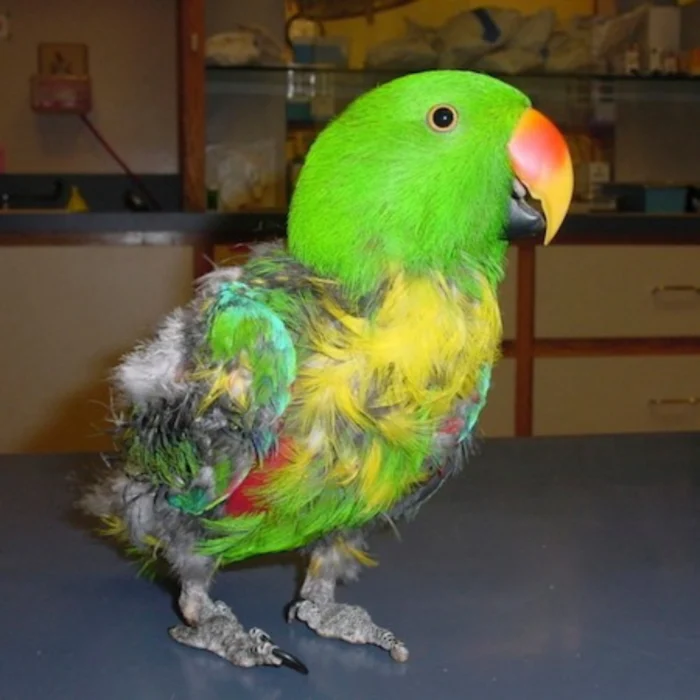
The intersection of behavioral psychology and physiological health in avian medicine has reached a new milestone with the release of the "Foraging and Enrichment" webinar, a comprehensive educational module authored by M. Scott Echols, DVM, DABVP (Avian Practice). Released on March 18, 2026, this program has been officially reviewed and approved by the American Association of Veterinary State Boards (AAVSB) Registry of Approved Continuing Education (RACE). The program offers one hour of continuing education (CE) credit, reflecting a growing industry-wide recognition that environmental enrichment is not merely an optional luxury for captive birds but a clinical necessity for their long-term survival and psychological stability. As veterinary medicine shifts toward more holistic and preventative models, the integration of advanced foraging techniques and the scientific application of ultraviolet (UV) radiation has become a focal point for practitioners worldwide.
The webinar, hosted by LafeberVet, addresses a critical gap in traditional veterinary education by providing evidence-based strategies for managing the complex needs of avian patients. Dr. Echols, a recognized leader in the field of avian surgery and enrichment, utilizes this platform to bridge the gap between clinical pathology and environmental management. For veterinarians and veterinary technicians, the program serves as a rigorous assessment tool, requiring a passing grade on a post-test to secure certification. This rigorous approach ensures that practitioners are not only exposed to the material but are capable of implementing these strategies in a clinical setting to improve patient outcomes.
The Evolution of Avian Husbandry and Modern Clinical Standards
To understand the significance of the 2026 webinar, one must examine the historical context of avian care. For much of the 20th century, captive bird husbandry was dominated by a "cage and seed" mentality. This approach often led to chronic health issues, including hepatic lipidosis, metabolic bone disease (MBD), and severe behavioral pathologies such as feather-destructive behavior and self-mutilation. As avian medicine evolved through the 1990s and 2000s, it became increasingly clear that the physical ailments seen in clinical practice were often symptoms of a deficient environment.
By the mid-2020s, the veterinary community moved toward a "Five Domains" model of animal welfare, which emphasizes nutrition, environment, physical health, behavioral interactions, and mental state. The Foraging and Enrichment webinar represents the culmination of this shift. It posits that medical intervention is only one part of a successful treatment plan; the other part involves replicating the cognitive and physiological challenges that birds face in the wild. This evolution in thought has necessitated a more formalized approach to CE, as seen in the AAVSB RACE approval of Dr. Echols’ work.
Foraging as a Behavioral and Physiological Necessity
A primary focus of the webinar is the concept of foraging, which in the wild occupies approximately 40% to 75% of a parrot’s daily activity. In captivity, however, food is often provided in bowls, requiring zero effort for consumption. This discrepancy leads to "contra-freeloading" issues, where the lack of cognitive stimulation results in boredom and subsequent neuroses.
Dr. Echols provides data-driven insights into how foraging acts as a natural "behavioral vaccine." When birds are required to work for their food—through puzzles, hidden compartments, or tactile challenges—they experience a reduction in cortisol levels and an increase in positive dopamine-related behaviors. From a clinical perspective, foraging is an essential tool for weight management. Avian obesity is a leading cause of cardiovascular disease in captive psittacines. By increasing the physical activity associated with feeding, veterinarians can more effectively manage the caloric balance of their patients. The webinar outlines specific protocols for introducing foraging to "bowl-dependent" birds, ensuring that the transition does not lead to starvation or excessive stress.
The Physiological Impact of Ultraviolet Radiation and UVB
The inclusion of "light," "radiation," and "ultraviolet" as core keywords in the webinar highlights a critical but often overlooked aspect of avian health. Birds possess a highly specialized physiological relationship with light that far exceeds the requirements of mammals. Most notably, the synthesis of Vitamin D3 is dependent on exposure to UVB radiation (specifically in the 290–315 nm range). Vitamin D3 is essential for calcium metabolism; without it, birds cannot properly absorb calcium from their diet, leading to hypocalcemia, egg binding, and skeletal deformities.
Furthermore, the webinar explores the concept of avian vision. Most birds are tetrachromatic, meaning they possess a fourth type of cone cell that allows them to see into the ultraviolet spectrum. To a bird, a world without UV light is dull and monochromatic. UV vision is used for identifying ripe fruit, detecting the urine trails of prey, and evaluating the plumage of potential mates. The absence of appropriate UV lighting in captive environments can lead to significant psychological distress and social dysfunction. Dr. Echols’ presentation provides practitioners with the technical specifications required to advise clients on the correct types of bulbs, the "inverse square law" regarding distance from the light source, and the importance of replacing UV lamps regularly, as their UVB output decays long before the visible light fades.
AAVSB RACE Accreditation and the Importance of Continuing Education
The approval of this webinar by the AAVSB RACE program is a testament to its clinical relevance. The AAVSB is a non-profit corporation whose membership consists of veterinary licensing boards in the United States, Canada, Australia, and New Zealand. Its RACE program simplifies the process for veterinarians and technicians to find high-quality CE that meets the stringent requirements of their respective jurisdictions.
For a program to receive RACE approval, it must undergo a rigorous peer-review process to ensure the content is scientifically sound and free from commercial bias. The 2026 approval of Dr. Echols’ module indicates that the veterinary establishment now views enrichment and light therapy as essential components of general practice. The requirement for a post-test with a limited number of attempts (three) underscores the move toward competency-based education, ensuring that the one hour of credit represents a genuine advancement in the practitioner’s knowledge base.
Comparative Analysis: Captive vs. Wild Environmental Stimuli
Supporting data integrated into the webinar highlights the stark differences between indoor environments and natural habitats. In the wild, birds are exposed to a Light Diversity Index (LDI) that fluctuates with the time of day and weather conditions. Indoor lighting, by contrast, is often static and lacks the necessary spectral peaks.
Data presented in the module suggests that birds provided with at least 4-6 hours of high-quality UVB exposure daily show a 30% increase in circulating Vitamin D3 levels compared to those kept under standard household LED or incandescent lighting. Similarly, birds engaged in active foraging spend 60% less time engaged in "displacement behaviors" such as over-preening. These statistics provide veterinarians with the empirical evidence needed to convince skeptical pet owners that enrichment is a medical requirement rather than an elective hobby.
Official Responses and Professional Implications
The release of this CE module has drawn praise from various avian organizations. While official statements from the Association of Avian Veterinarians (AAV) emphasize the need for standardized enrichment protocols, the LafeberVet initiative is seen as a practical implementation of these goals. Industry analysts suggest that as more veterinarians become certified in these specific areas of husbandry, the market for specialized avian lighting and foraging toys will continue to expand, driven by professional recommendations rather than mere consumer trends.
The implications for veterinary clinics are significant. By offering enrichment consultations based on the principles outlined by Dr. Echols, clinics can diversify their service offerings. This proactive approach to health management can lead to higher client retention and better patient longevity. Furthermore, by addressing behavioral issues through environmental modification, veterinarians can reduce the reliance on psychoactive medications, which often carry side effects and do not address the root cause of the bird’s distress.
Future Outlook and Broader Impact
Looking forward, the "Foraging and Enrichment" webinar sets a precedent for how specialized veterinary knowledge is disseminated. The use of digital platforms like LafeberVet allows for global access to expert insights, ensuring that a veterinarian in a rural area has the same access to Dr. Echols’ expertise as one in a major metropolitan research hospital.
As research into avian cognition continues to advance, it is expected that the definitions of "enrichment" will become even more sophisticated. Future modules may delve into the acoustics of avian environments or the role of olfactory stimulation. However, for the current landscape of 2026, the focus remains on the foundational pillars of light and labor. By mastering the science of UV radiation and the psychology of the hunt, the veterinary community is taking a decisive step toward eliminating the chronic health and behavioral crises that have long plagued captive avian species. This webinar is more than a CE requirement; it is a blueprint for the future of avian welfare, ensuring that the birds under human care live lives that are not only long but also psychologically fulfilling and physiologically sound.

